Most films cheat time without anyone noticing. A day gets squeezed into two hours, and we barely blink. A few filmmakers have gone the other way, trying to make the running time match the events on screen.
The results range from strict real time to carefully hidden edits that create the same feeling. Here are four well-documented examples, each with a different approach to the problem.
High Noon
Fred Zinnemann’s 1952 western is often cited as an early example of a story that unfolds in close to real time. The film runs about 85 minutes, and the plot covers roughly the same stretch as Marshal Will Kane waits for a killer to arrive on the noon train. Clocks appear again and again, so you always know how little time is left.
It isn’t a continuous take, and the timeline stretches slightly here and there. Still, the story’s pacing was built around the ticking clock, and that’s why people keep calling it a landmark of the approach. It showed that a tight time frame could drive suspense without any need for spectacle.
Rope
Alfred Hitchcock’s 1948 thriller was designed to look like one unbroken shot. The film runs about 80 minutes, and the action plays out in a single apartment over an evening. Because film magazines of that era held only about ten minutes of footage, Hitchcock hid cuts by moving the camera behind a character’s back or a piece of furniture.
So it isn’t literally one take, but it’s close to real time in feel. The story follows two young men who hide a body in a chest and host a dinner party on top of it. The staging turns the single location into a pressure cooker.
Russian Ark
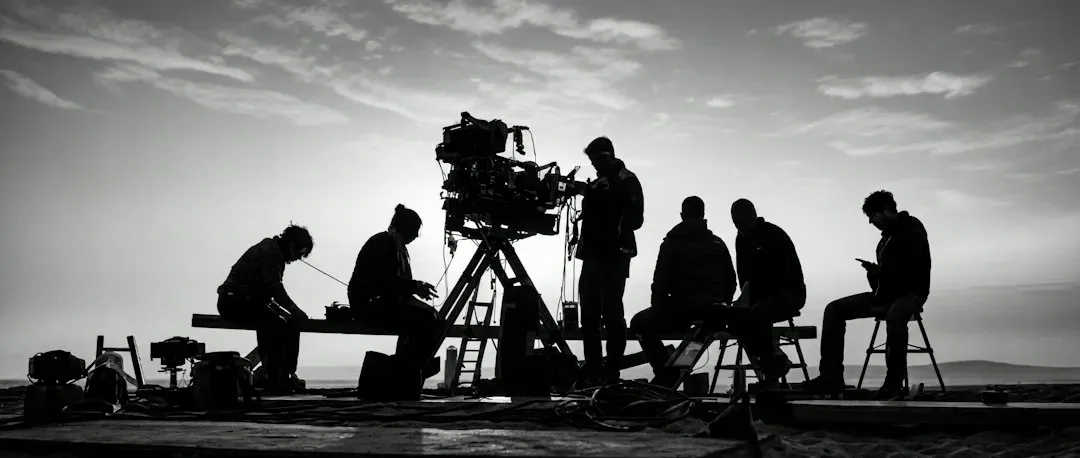
Alexander Sokurov’s 2002 film is the real thing in the strictest sense. It was shot in one continuous take inside the Hermitage Museum in Saint Petersburg, using a single Steadicam sequence of about 96 minutes. The film was recorded digitally, which made a take of that length possible.
The camera drifts through rooms and centuries of Russian history, with hundreds of actors in period costume. Notably, the team reportedly got it right on the fourth attempt after earlier takes failed. It’s less a plot than a guided walk through time, but the technical achievement is hard to dispute.
1917
Sam Mendes’s 2019 war film follows two British soldiers carrying a message across the Western Front. It’s edited to look like one continuous shot, with cinematographer Roger Deakins hiding transitions in the same way Hitchcock once did. The film runs just under two hours, and the mission unfolds in roughly the same span of story time, with a couple of clear jumps.
It won the Academy Award for best cinematography, among other honors. The illusion matters because it keeps you pinned to the soldiers’ side, with no relief from the cutting. It’s a modern example of an old trick, now backed by digital tools.