There’s a certain kind of idea that gets laughed out of the room, only to quietly show up in millions of homes a few years later. History has a funny habit of vindicating the absurd. What looks ridiculous in pitch form can turn into a cultural phenomenon, a childhood staple, or even a product that outlasts the people who mocked it.
The ten inventions below share one thing: they were all born from humor, accident, or outright mockery. Some were literal jokes. Others were the byproduct of someone goofing around with leftover materials or trying to irritate a difficult customer. All of them are still around today, which says something quietly profound about how human beings respond to novelty.
1. The Whoopee Cushion
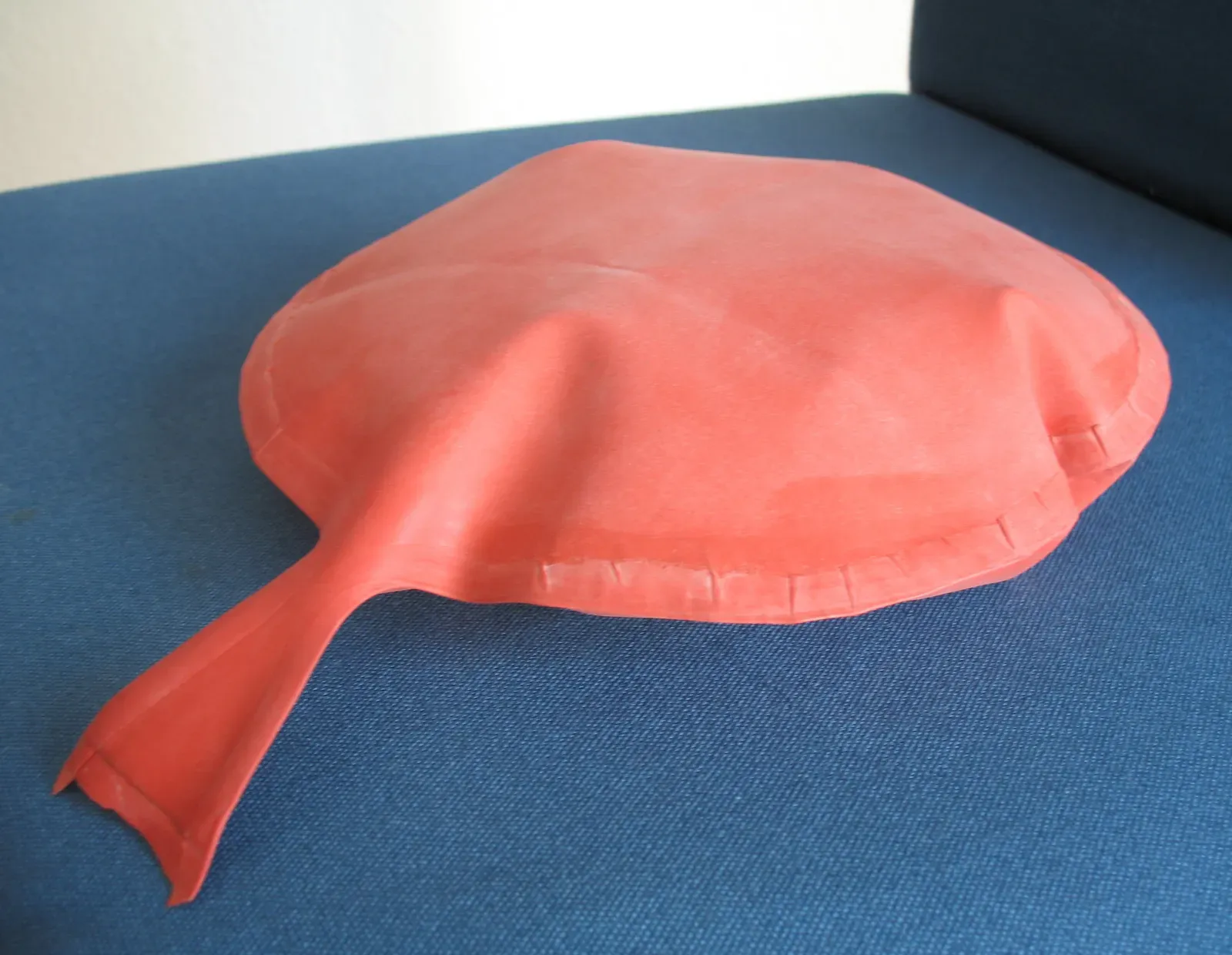
The modern rubber whoopee cushion was invented in the 1930s by the JEM Rubber Co. of Toronto, Ontario, Canada, by employees who were experimenting with scrap sheets of rubber. It wasn’t a planned product or a serious commercial venture. It was factory workers goofing off with leftover materials on the job. The company’s owner approached Samuel Sorenson Adams, inventor of numerous practical jokes, with the newly invented item; however, Adams thought that it was “too vulgar” and would never sell.
JEM then offered the idea to the Johnson Smith Company, which sold it with great success. The cushion sold remarkably well even through the hardships of the Great Depression, which says something about the enduring appeal of low-brow humor. The original whoopee cushion made from rubber is still available today, but the old technology has given way to a remote control version with 15 different sounds, operable up to fifty feet away. Nearly a century after its accidental creation, it remains one of the best-selling novelty products in the world.
2. Silly Putty
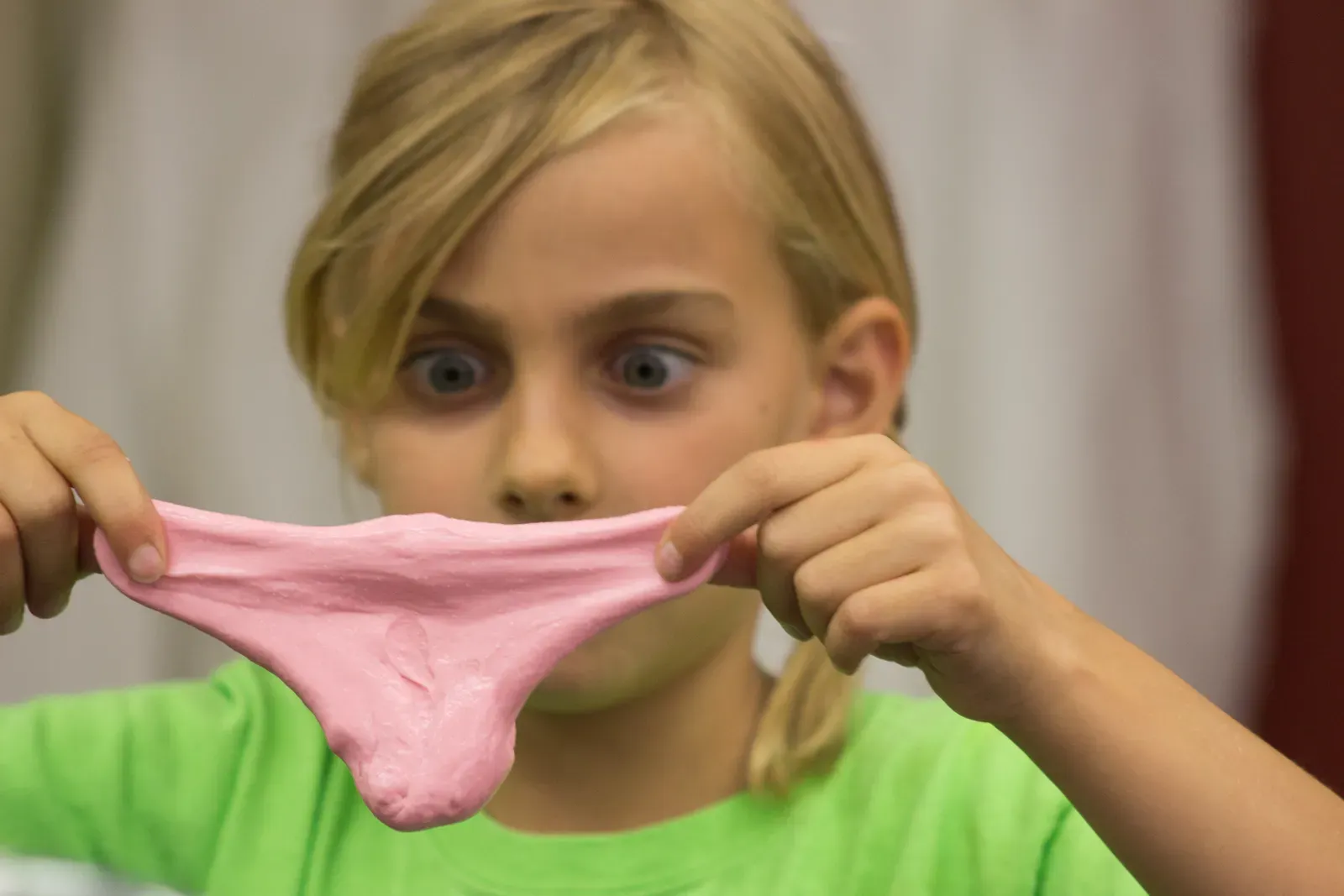
In 1943, Silly Putty was accidentally invented by James Wright, an engineer in General Electric’s New Haven laboratory, which was under a government contract to create an inexpensive substitute for synthetic rubber for the war effort. The substance Wright produced bounced, stretched, and refused to mold into anything useful for the military. By 1945, General Electric had shared this discovery with scientists around the world, only to find that none of them found it more practical than the synthetic rubber already being produced.
Several years later, an unemployed copywriter named Peter Hodgson recognized its marketing potential as a children’s toy, bought the production rights from GE, renamed it Silly Putty, and packaged it in plastic eggs because Easter was on the way. The joke product that no scientist wanted became a genuine icon. As of 2005, annual Silly Putty sales exceeded six million eggs, and Silly Putty was inducted into the National Toy Hall of Fame in 2001. Crayola still produces and sells it today.
3. The Pet Rock
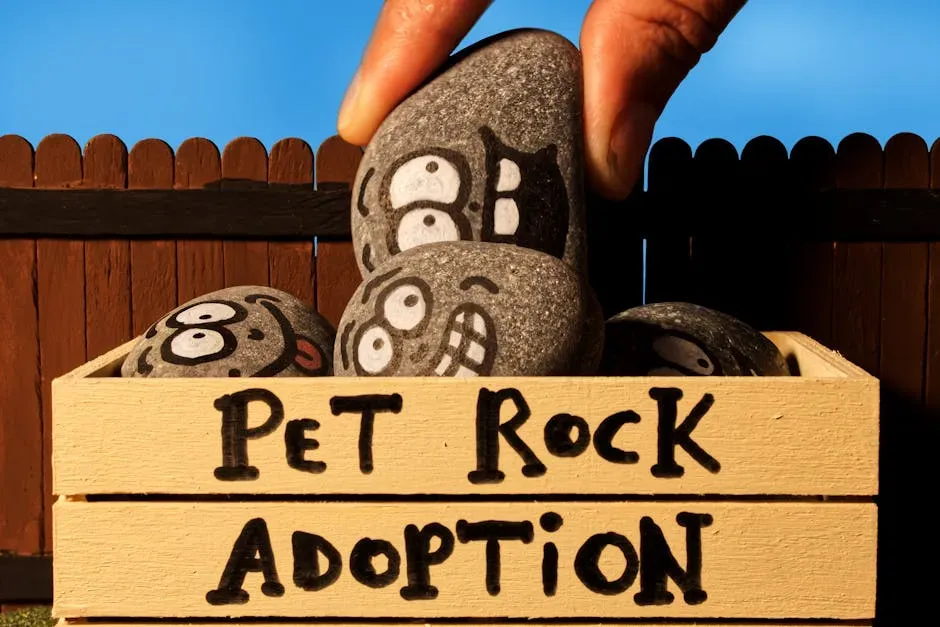
In 1975, copywriter Gary Dahl developed the Pet Rock idea after his friends complained about the effort required to care for their pets. He joked that a rock would make the perfect pet because you don’t have to feed it, walk it, or clean up after it, and he saw the potential for the novelty item, selling them with a manual and a carrying case. The premise was entirely self-aware. The humor was the entire point of the product. The included “training manual” gave tongue-in-cheek instructions on how to care for your rock, which only added to the appeal.
In just a few months, over a million Pet Rocks flew off shelves, raking in about $15 million. The idea of a pet rock was so amusing to so many people that in less than a year, Dahl became a millionaire. The craze faded quickly, as novelties tend to do, but the product never truly disappeared. Even today, you can still find Pet Rocks for sale online as quirky gifts or conversation starters.
4. The Flowbee

The Flowbee combines electric shears with a vacuum cleaner. Invented by Rick Hunts, the device pulls your hair through suction and trims it with recessed blades. The vacuum collects all the trimmings, and the extensions allow you to cut hair to lengths from just a half-inch all the way up to 6 inches with quarter-inch increments in between. The concept sounds like a Saturday Night Live prop, and most people who first heard of it assumed it was a spoof. The Flowbee sounded so outlandish that most people thought it was a prank. Who would use a vacuum cleaner to cut their own hair?
Sales spiked again during the COVID-19 pandemic when barbershops closed and people needed haircuts at home. The company still sells Flowbees today, and fans swear by their simplicity and mess-free results. It turned out there was a real, loyal audience for this device all along. This device’s bizarre journey from infomercial joke to cult classic proves that necessity can turn even the quirkiest inventions into household staples.
5. The Shake Weight
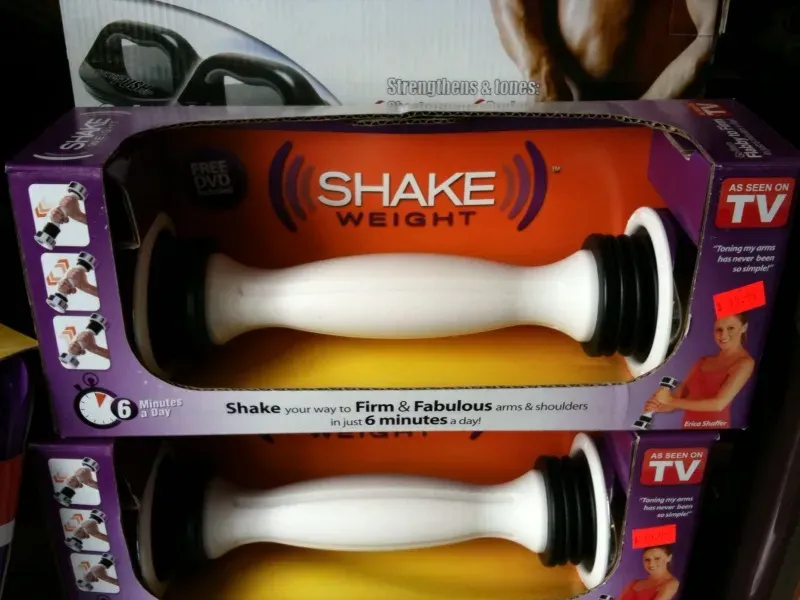
The Shake Weight gained attention in the late 2000s for both its unusual design and its unintentionally suggestive advertising. It was a handheld exercise device that used dynamic inertia technology to create resistance through shaking motions. The commercials, however, made it feel more like a comedy sketch than a serious fitness product. Late-night hosts practically lined up to mock it, and parody segments spread quickly across the early internet. Few fitness products have been mocked as relentlessly as the Shake Weight, as its suggestive shaking motion quickly became the butt of jokes on late-night TV and across the internet.
All that laughter didn’t stop people from buying it – over two million Shake Weights were sold within its first year on the market. The device did provide resistance training, though its effectiveness compared to traditional weights was debated. Whether it truly built muscle or simply satisfied curiosity, the sales numbers were hard to argue with. It remains a product that owes its initial success largely to how absurd it appeared.
6. The Snuggie

The Snuggie, often called a “blanket with sleeves,” was first introduced through late-night infomercials that seemed to parody themselves. The sight of entire families wearing matching fleece robes backward was so ridiculous that people couldn’t stop talking and laughing about it. The ads were so campy they looked deliberate, and many viewers assumed it was a joke product. While it wasn’t the first wearable blanket, the Snuggie became the most popular one, thanks to its infomercial campaign in 2008.
Yet, this laughter turned into sales, with millions of Snuggies sold in just a couple of years, and it became a pop culture staple, inspiring memes, Halloween costumes, and even bar crawls dedicated to the garment. Despite its origins as a bit of a joke, the Snuggie is still around today, available in countless colors and prints for anyone who wants to be cozy and perhaps a little bit silly at home. Few products have traveled so cleanly from punchline to product category staple.
7. Tamagotchi
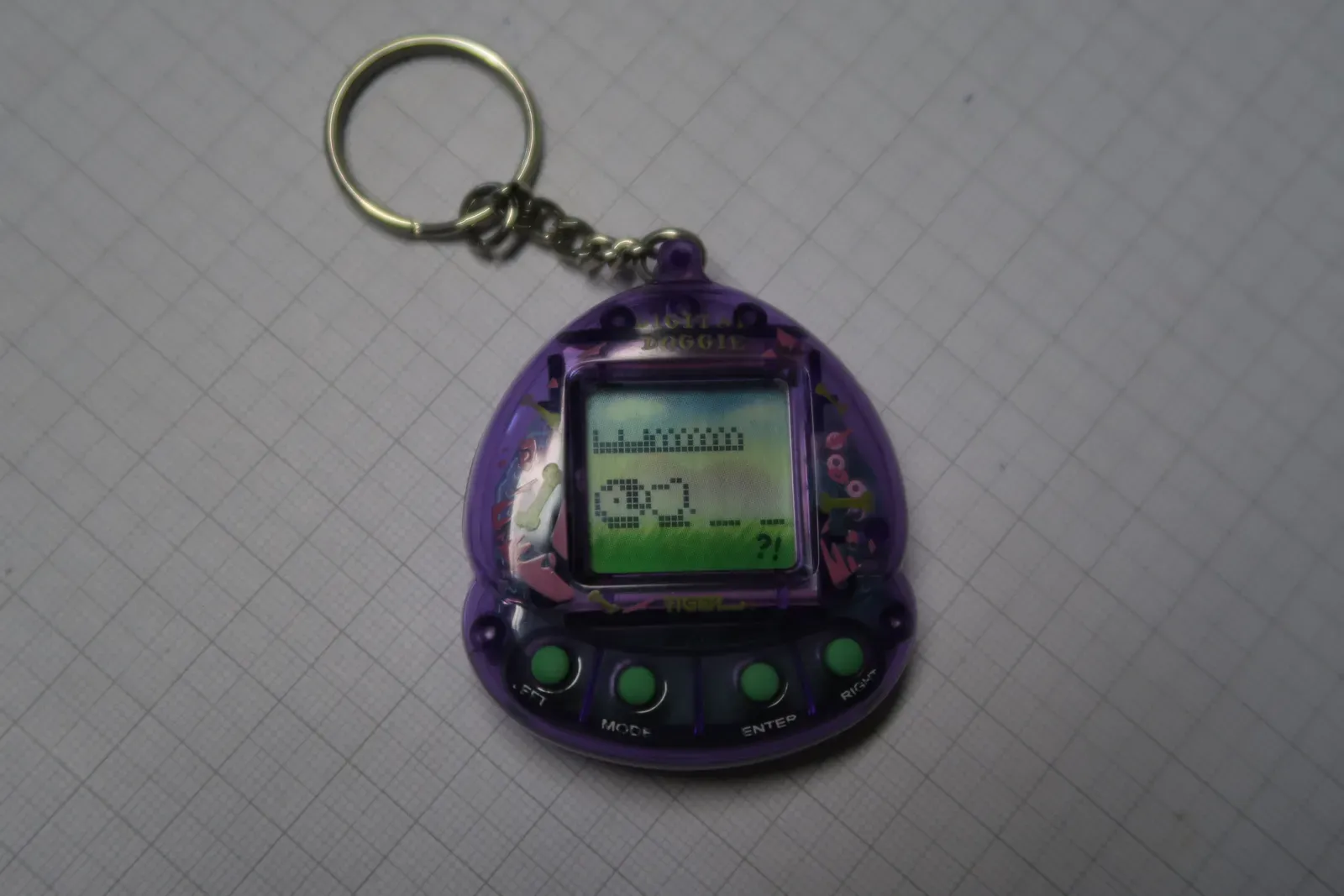
When the Tamagotchi hit the scene in 1996, the idea of a digital pet that needed feeding, cleaning, and love seemed bizarre and unnecessary. Critics wondered why anyone would care for a virtual creature when real pets existed. The concept seemed almost satirical. A pixelated blob on a keychain that demanded your attention every few hours felt like a commentary on modern life rather than a serious product. The virtual pet craze launched in the United States when Japanese Tamagotchi digital pets filtered into toy stores.
Tamagotchi quickly became a global obsession, with over 82 million units sold worldwide by 2023. Today, Bandai continues to release new models, and communities of fans still nurture their pixelated companions. The joke turned out to tap into something genuinely human: the desire to nurture, to feel responsible for something small and helpless. The Tamagotchi’s success speaks to the universal appeal of nurturing and the power of nostalgia, even when the original idea seemed like a playful prank.
8. The Clapper
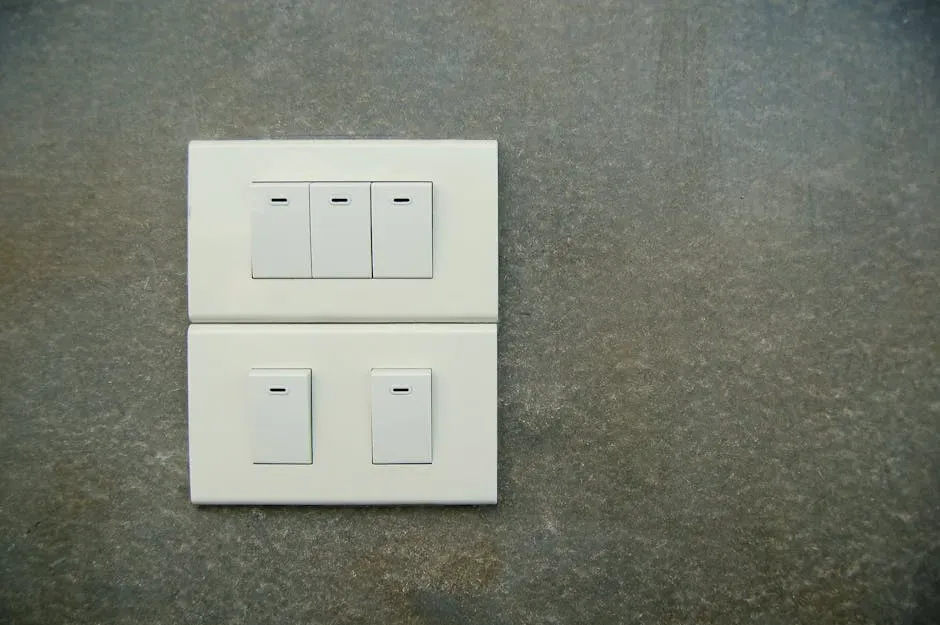
The Clapper, introduced in the mid-1980s, let you turn your lights on and off just by clapping your hands. At first glance, it sounds like something out of a sketch comedy bit, but it became a widely sold household gadget, marketed heavily through television commercials, tapping into the growing fascination with home automation. The tagline became genuinely iconic in American pop culture. Despite its novelty feel, it was based on a real sound-activated switch system. It worked, although not always perfectly, sometimes responding to other loud noises. That unpredictability became part of its charm and occasional frustration.
Still, it sold nationwide and became a staple in many homes. For a while, clapping to control your lights felt like living in the future. Today, smart home technology has made voice and app-based control of lights completely ordinary. The Clapper, absurd as it seemed, was quietly ahead of its time. It pointed toward a world where people expected their homes to respond to gestures, a concept that now defines much of consumer electronics.
9. Chia Pet
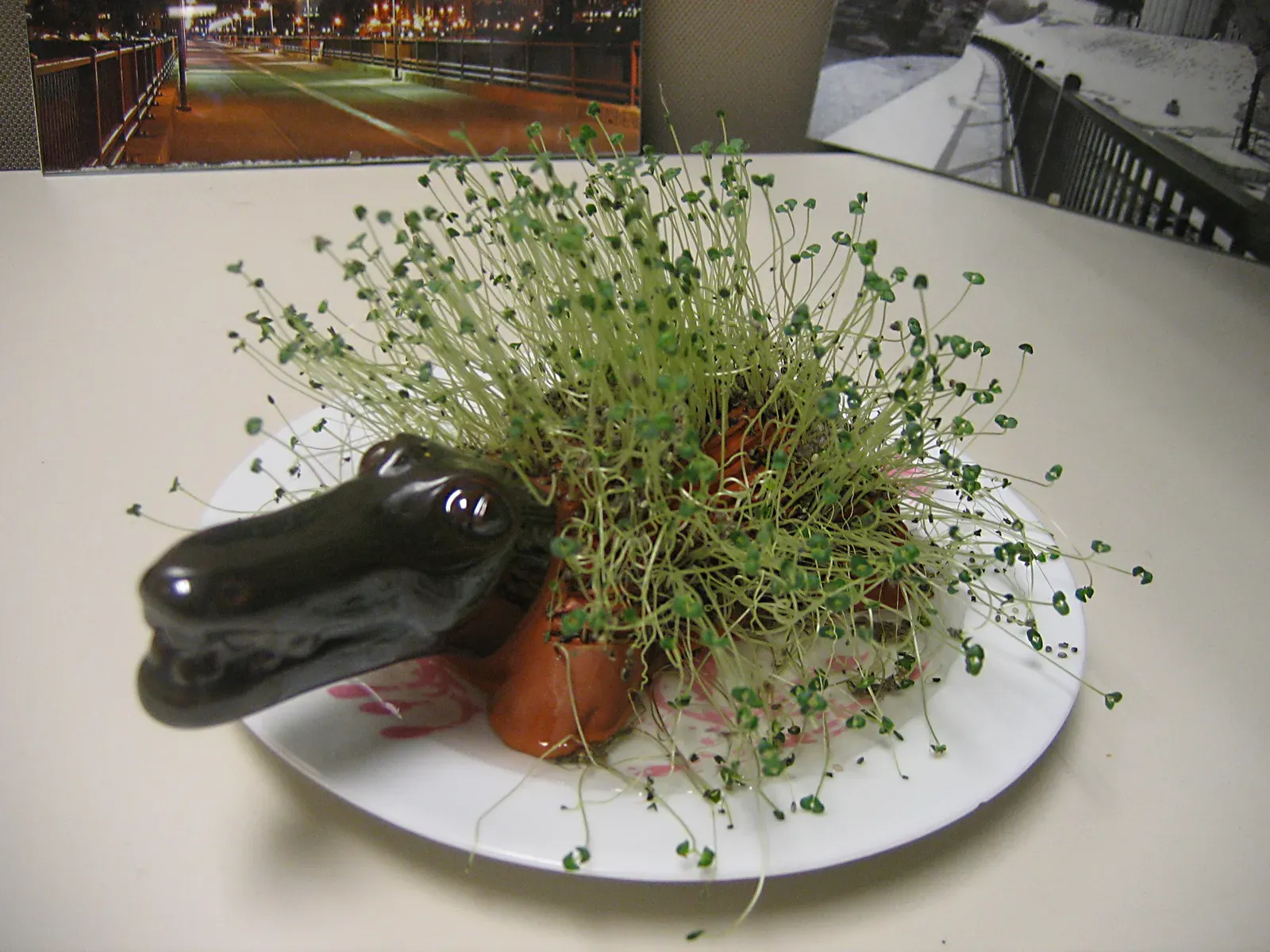
The Chia Pet, first introduced in the late 1970s, allowed users to grow chia sprouts on clay figurines shaped like animals or pop culture icons. The concept sounds oddly whimsical, like a craft project turned into a product. The catchy jingle helped drive nationwide popularity, and over time it became a staple of holiday gift-giving. Nobody needed a terracotta sheep covered in grass, and that was partly the point. It was a gift you bought because it made people laugh. What made it stick around was its combination of novelty and interactivity. Watching the sprouts grow over time added a small but satisfying payoff.
The designs kept evolving, keeping the product relevant for new generations. While some people saw it as a gag gift, others genuinely enjoyed the experience. Today, Chia Pets come in a staggering range of forms, from former presidents to popular TV characters, which tells you everything you need to know about how seriously the brand takes itself. It’s been in continuous production for roughly five decades, which is a long run for something that began as a novelty.
10. Doggles
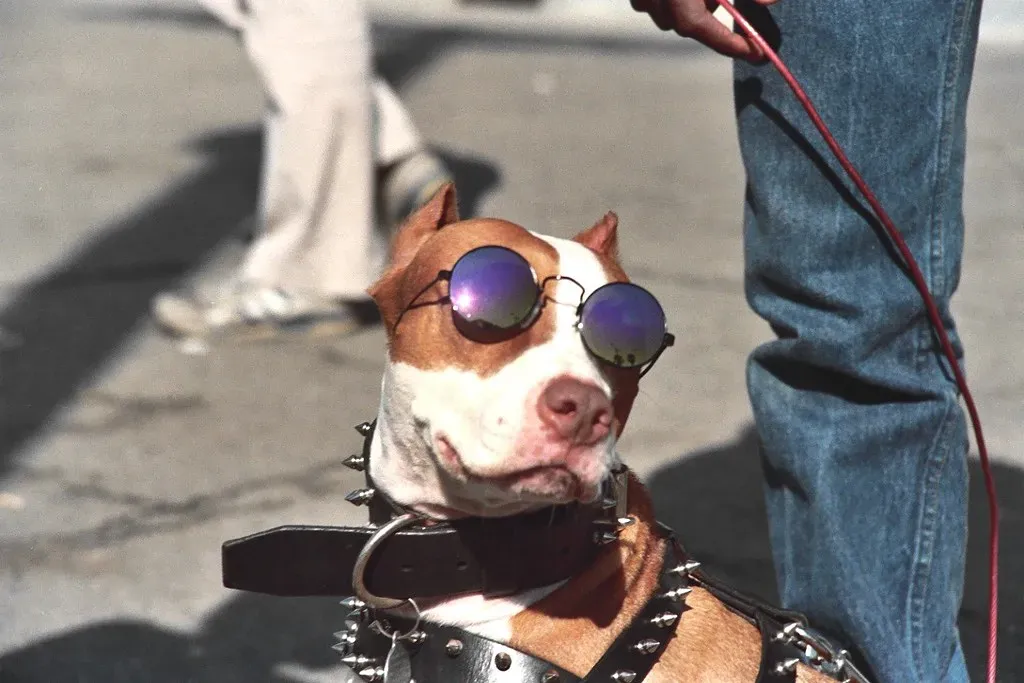
Doggles found a real market, especially among service dogs and adventurous pups. Today, Doggles are sold worldwide and even recommended by veterinarians for certain breeds. What started as a gag gift now helps protect pets, showing that sometimes a joke can have a practical punchline. The idea of sunglasses designed specifically for dogs was the kind of concept people initially forwarded to their friends as proof that consumer culture had lost its mind. Nobody expected a product like this to survive past a novelty catalog.
The real surprise was the genuine need underneath the silliness. Dogs used in military operations, search and rescue, or working in high-UV environments actually benefit from eye protection. Veterinary endorsement turned what began as a joke gift into a functional product with a legitimate use case. The Doggles story might be the clearest example on this list of how a laugh can accidentally lead to something that matters.
What these ten inventions share isn’t just humor. They each survived long enough to find a real audience, even when their creators, marketers, or critics assumed they wouldn’t. The lesson isn’t that every joke idea is worth pursuing. It’s that ridicule and market success are far less connected than most people assume. Sometimes the strangest-looking idea lands exactly right, and the laughter just turns out to be the opening act.