Most people assume that great albums take months, sometimes years, to make. You picture a band locked in a luxury studio, endlessly debating guitar tones and rearranging lyrics until everything feels exactly right. The reality, for some of the most celebrated records ever made, is far stranger and more interesting than that.
A surprising number of classic albums were completed in roughly a week or less. Not because the artists were cutting corners, but because the circumstances, the preparation, and sometimes sheer necessity pushed them to work at a pace that most modern studios would find unthinkable. Here are nine of the most remarkable cases.
The Ramones – The Ramones (1976): Seven Days, Fourteen Songs, $6,400
The Ramones’ debut is a triumph of minimalism and speed. Recorded on a shoestring budget of just $6,400, the band blasted through fourteen songs in roughly seven days. There were no guitar solos, no bridges, and very few second takes. Producer Craig Leon used a stark stereo mix, placing the guitar in one ear and the bass in the other, to mimic the band’s live wall of sound.
The album was recorded in February 1976 at Plaza Sound Studio in New York, with a total budget of around $6,400. The songs were so tightly rehearsed before they arrived at the studio that the sessions moved at almost mechanical speed. The recording was so efficient that the tracks were often finished before the engineers had even settled into their chairs.
Black Sabbath – Black Sabbath (1970): A Single Day’s Work That Launched Heavy Metal
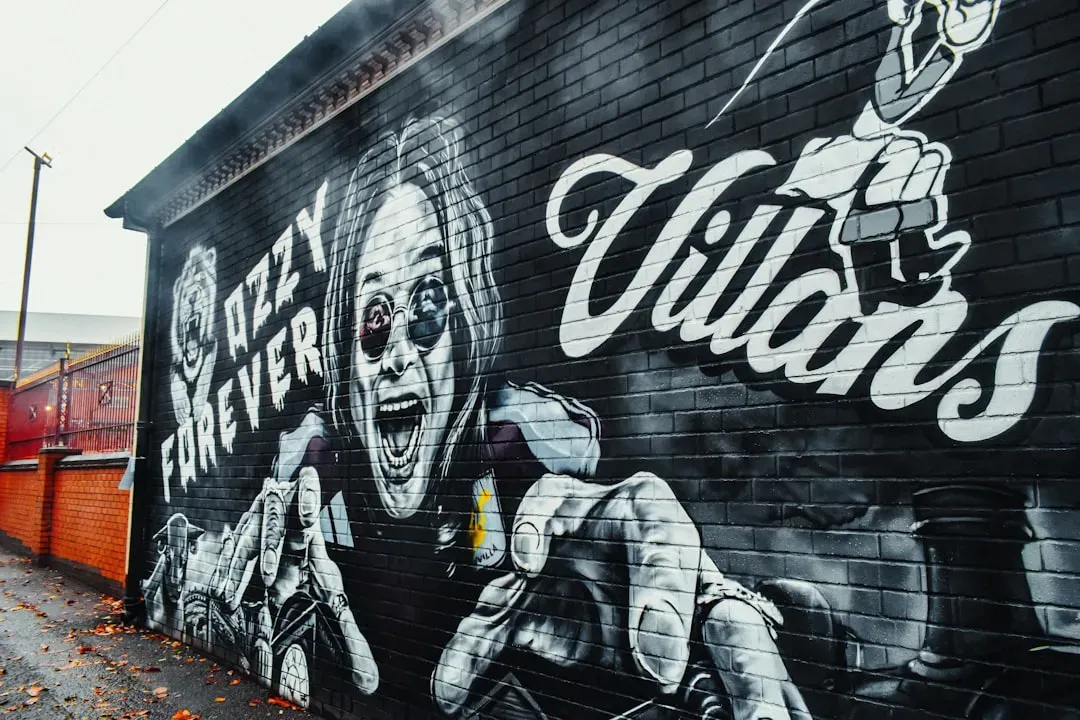
Though the exact date is disputed, Black Sabbath recorded their legendary debut album in a single day in late 1969, then mixed the entire thing the next day. Every song was recorded live, including the vocals. When Black Sabbath recorded their 1970 debut, they were a seven-nights-a-week pub band. When they hit the studio, they made their album in just two days, one for tracking and one for mixing.
According to guitarist Tony Iommi, it was recorded in a single day on October 16, 1969, and the session lasted 12 hours. The band had spent years playing those songs live in Birmingham clubs, which meant there was nothing left to figure out once the tape was rolling. That relentless gigging essentially did all the preparation that most bands would spend studio time achieving.
The Beatles – Please Please Me (1963): The Most Productive 585 Minutes in Music History
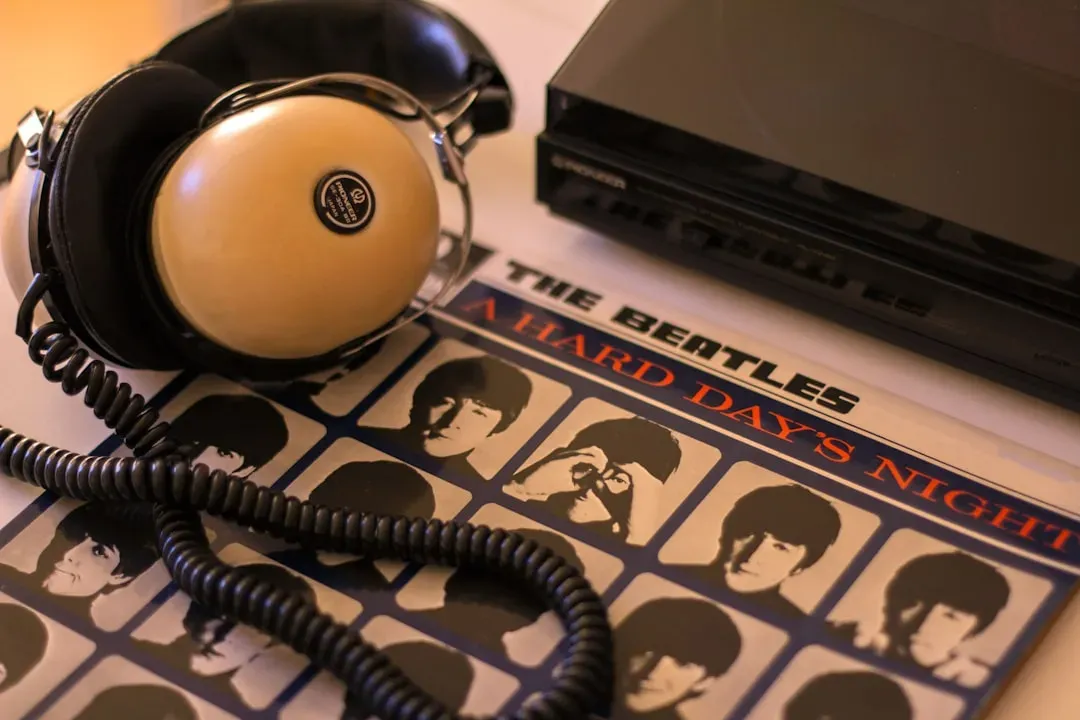
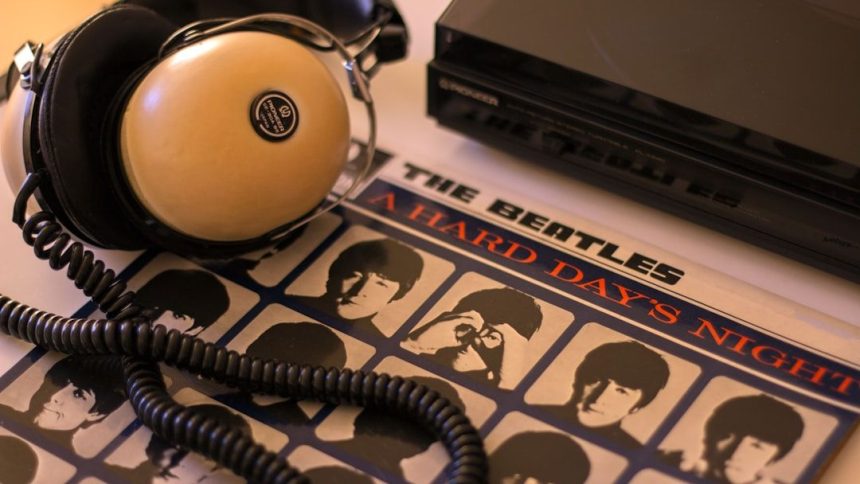
When the Beatles went to record their debut album with producer George Martin, they essentially performed their live set into two microphones inside of a recording studio. In just 13 hours, the band ended up recording 10 tracks for the album, which would be supplemented with the four songs from the band’s first two singles, to create their classic debut Please Please Me.
After “Please Please Me” soared to the top of the charts, the Beatles quickly set out to produce their debut album, recording it in a single day. Even decades later, the album still sounds fresh, precisely because of its intense origins. According to Ringo Starr, the album felt more like playing live rather than actually sitting down for a rehearsal. The band had been performing these songs nightly in Liverpool and Hamburg for years. The studio was almost a formality.
Miles Davis – Kind of Blue (1959): Nine Hours of Pure Spontaneity
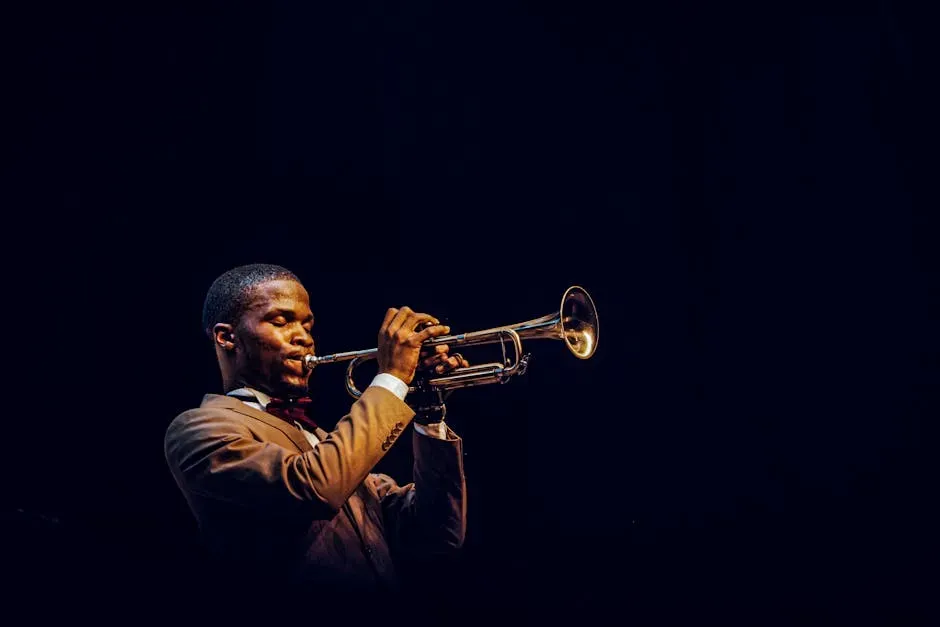
Widely regarded as the greatest jazz album of all time, Kind of Blue was built on the concept of total spontaneity. Miles Davis gave his band members only sketches of the melodies and scales just before the tapes rolled. He wanted to bypass their habitual tendencies and force them to respond in the moment. Across two sessions, the legendary sextet, including John Coltrane and Bill Evans, captured almost every track in a single take.
Kind of Blue by Miles Davis was recorded in just 9 hours. What made that possible was Davis’s deliberate strategy of minimal preparation. The result is a work of unparalleled elegance and meditative space. The music breathes with a lightness that can only come from masters listening to one another in real-time, proving that in the right hands, lack of preparation is the ultimate creative tool.
Prince – Dirty Mind (1980): A Home Studio and a Week of Late-Night Marathons
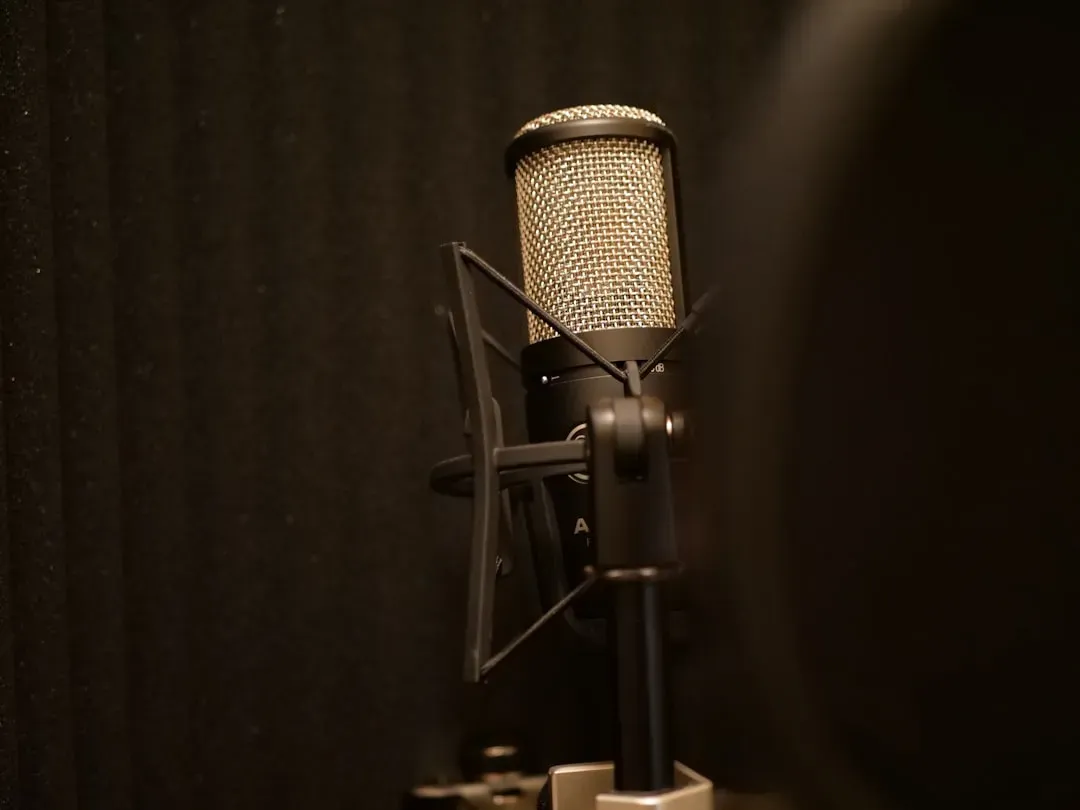
Dirty Mind was recorded in a makeshift 16-track studio in the basement of Prince’s home on Lake Minnetonka, with Prince engineering the album himself, credited under the pseudonym Jamie Starr. Sessions occurred in May and June 1980, with Prince playing nearly all of the instruments himself. While Prince’s later work became increasingly polished, Dirty Mind was recorded in his home studio on a simple 16-track machine with a demo-like urgency. By eschewing the slick production of his previous albums, Prince discovered his true voice, a lean, aggressive, and highly idiosyncratic sound.
Partner offer
The recordings heard on Dirty Mind were originally intended to be demos for the album, but Prince found the material to be so powerfully honest and of-the-moment that he was urgent to have it released. Several of the songs were recorded in one night. The album contrasted with Prince’s previous ones in its raw and unpolished production style, with several of the tracks being essentially demos. That rawness turned out to be the whole point.
Nick Drake – Pink Moon (1972): Two Overnight Sessions, No Audience Needed
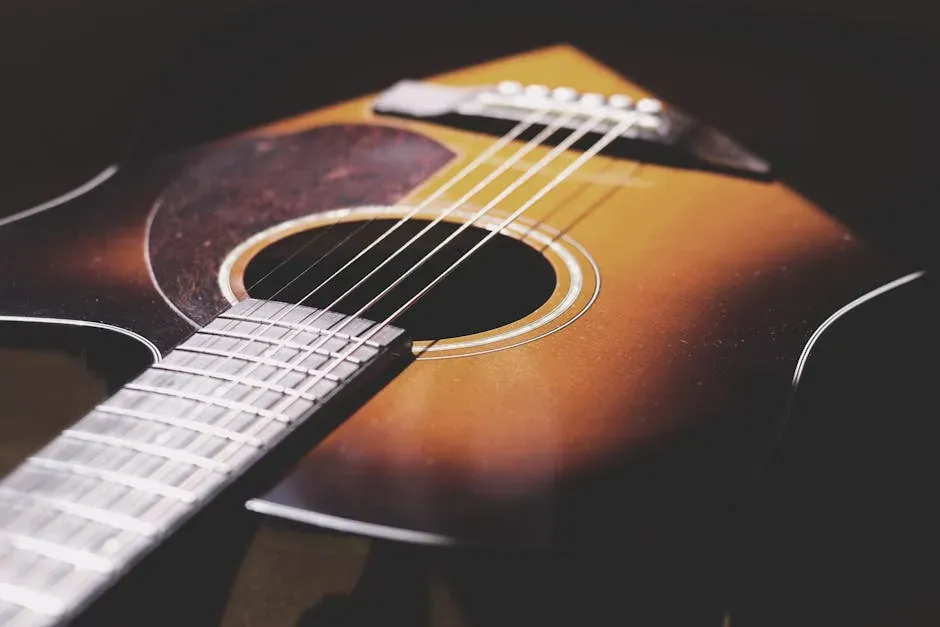
Though Nick Drake’s first two albums were lushly and carefully recorded, his third and final album Pink Moon is extremely stark, featuring just Drake’s voice and acoustic guitar, with a single piano overdub on the title track. Because of the music’s simple minimal arrangements, Drake was able to record the album in just two overnight sessions. The entire thing was essentially finished before most recording engineers had finished their morning coffee.
The album arrived unannounced at Island Records, reportedly dropped off by Drake himself without a word. Pink Moon is widely regarded as one of the most powerful and intimate records in the singer-songwriter canon. Its brevity and its quiet intensity are inseparable. The fact that it was made so quickly almost feels like part of the meaning, as if Drake knew exactly what he wanted to say and had no interest in embellishment.
The Smiths – The Smiths (1984): Six Days to Build an Indie Landmark
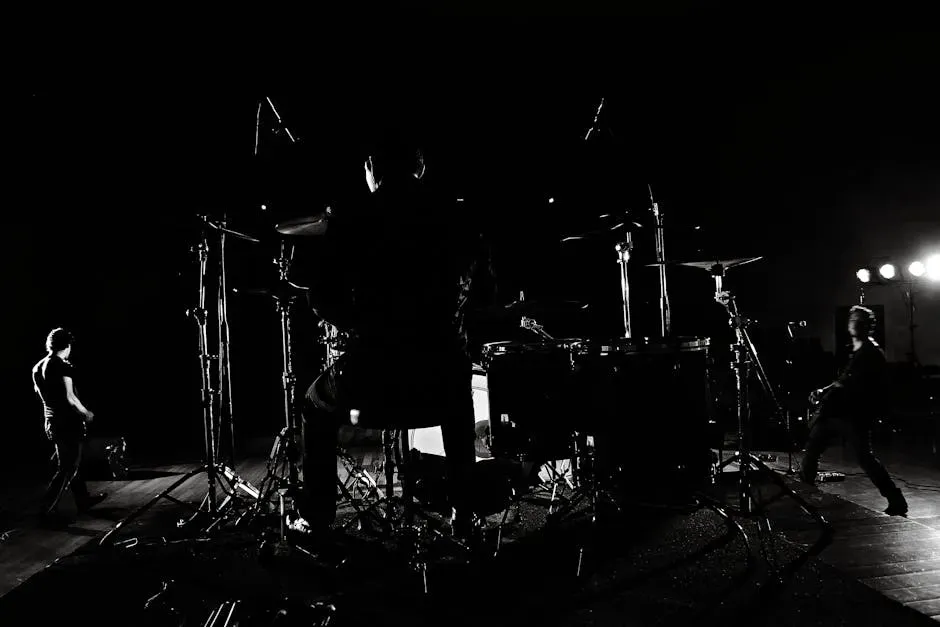
The initial recording period at Manchester’s Pluto Studios with producer John Porter was just six days, and they laid down most of the record in this time. The album had already been recorded once with a different producer, Troy Tate, but Rough Trade were unhappy with that album and Tate’s production, insisting the band rerecord it with a new producer, John Porter. So the version the world knows was essentially an emergency re-recording, done under real time pressure.
The Smiths’ first attempt at a debut album was scrapped by the band for being too polished. With very little money and under immense pressure from their indie label, Rough Trade, they re-recorded the entire album in less than a week. This forced speed resulted in a jangly, brittle, and highly energetic sound that perfectly matched Morrissey’s literate yearning and Johnny Marr’s intricate guitar work. The Smiths debuted and peaked at number two on the UK Albums Chart and remained on the chart for 33 weeks.
Hüsker Dü – Zen Arcade (1984): A 70-Minute Double LP in 40 Hours
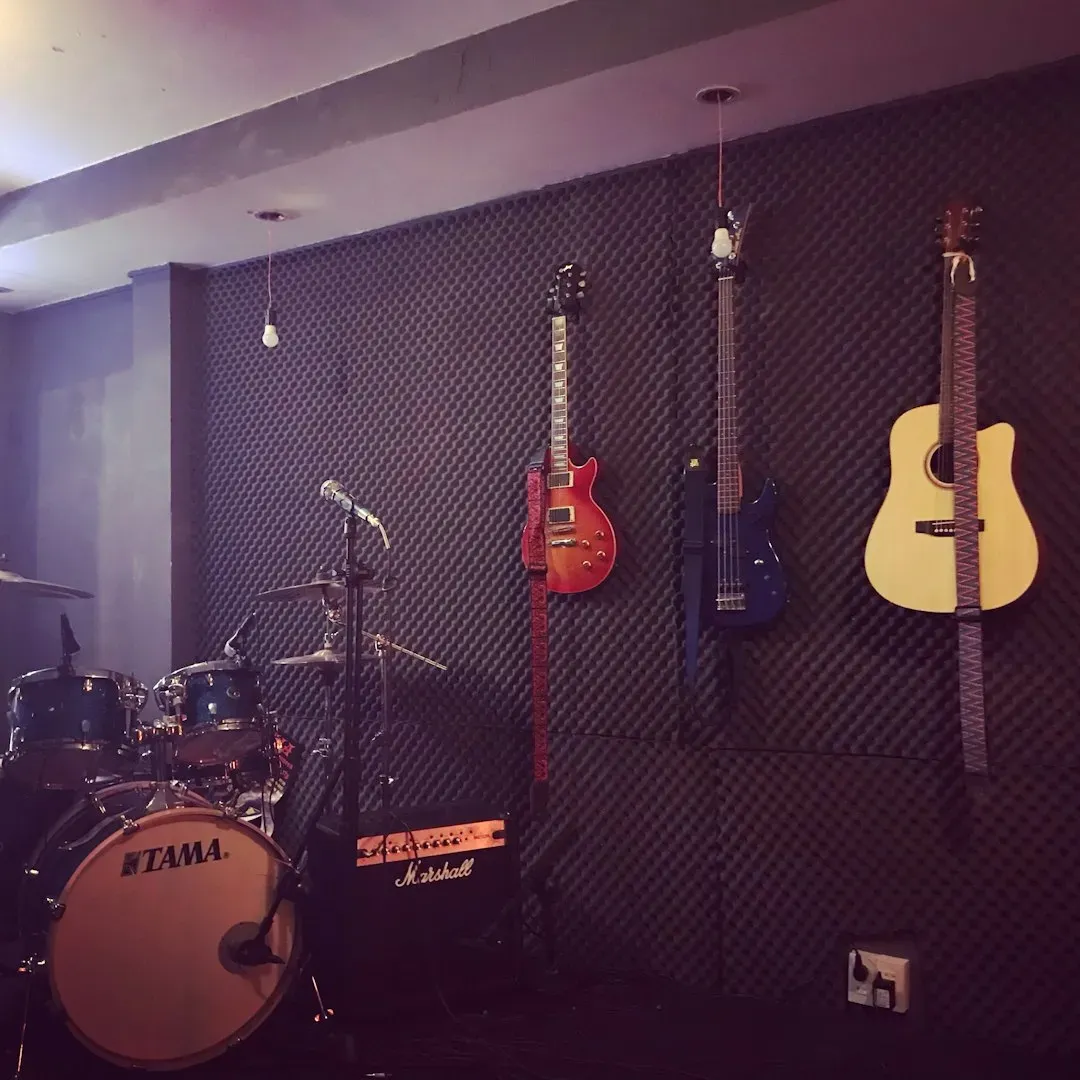
Despite the fact that Zen Arcade is a 70-minute double LP with 23 songs, it took Hüsker Dü a mere 40 hours to record the entire thing, with all but two of the tracks being first takes. That is an almost incomprehensible ratio of content to time. For a punk band, the philosophy was consistent: second-guessing kills momentum, and momentum was everything.
The album’s ambition makes the speed even more remarkable. Zen Arcade contained sprawling experimental passages, acoustic interludes, and a full narrative arc across its four sides of vinyl. None of that stopped the band from treating the studio like a live stage. The urgency embedded in those first takes is audible throughout, and it is precisely what gives the record its reputation as one of the defining hardcore albums of the decade.
Bob Dylan – Another Side of Bob Dylan (1964): One Sitting, One Night, One Album
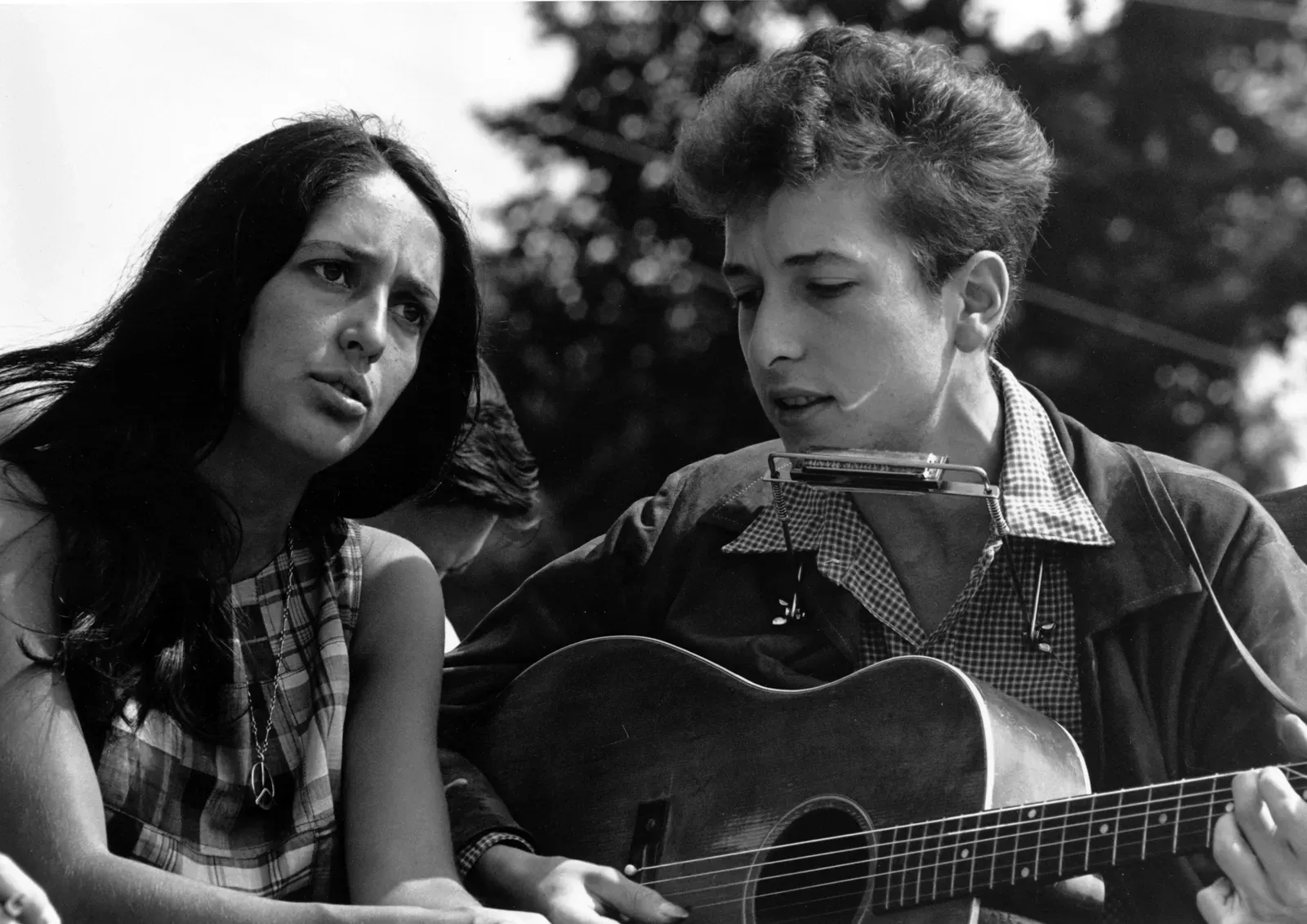
Recorded in just a three-hour sitting at Columbia Studio One, “Another Side of Bob Dylan” is a more diverse album that achieves greater success by showcasing Dylan’s musical expansion through imaginative and poetic renditions of both love songs and protest anthems. Dylan arrived, sat down, and essentially played the album straight through as if he were performing at a club. There was no elaborate setup, no layering, no fuss.
From Axl Rose taking 13 years to write and record Chinese Democracy to Bob Dylan recording Bringing It All Back Home in just three days, the time it takes to write and record an album can vary wildly from one artist to the next. Dylan sits at one extreme of that spectrum. His early output demonstrated something that many artists still struggle to accept: the phenomenon of rapid-fire recording is rarely a matter of pure choice. It is usually forced by financial constraints, a rigid tour schedule, or a sudden, fleeting surge of creative clarity. When an artist is denied the luxury of second-guessing, they are forced to trust their primal impulses. Dylan in 1964 simply didn’t need the luxury of time. The songs were ready, and so was he.
So, How Is Any of This Actually Possible?
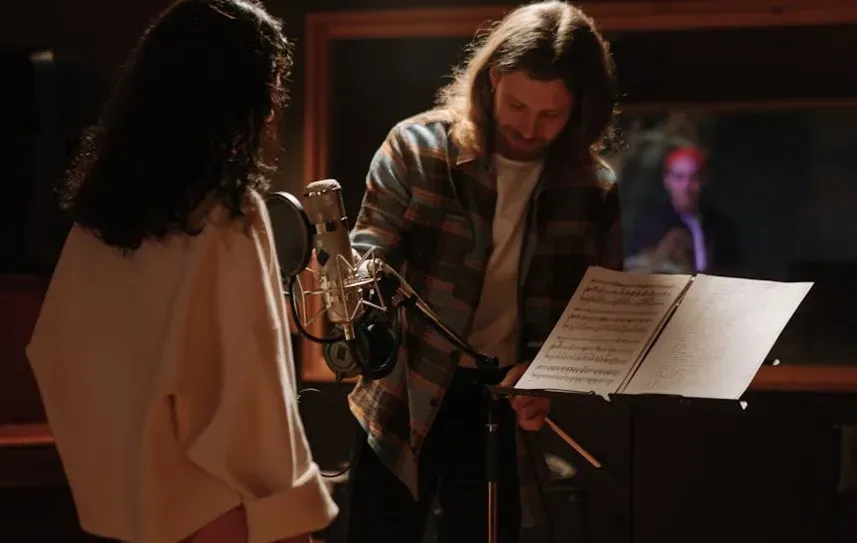
The recording approach plays a major role in timing. Bands recording together as a live unit may track one or two songs per day, while multi-tracking, recording each instrument separately, takes longer but offers greater control. Every album on this list leaned heavily toward the live, all-together approach. That choice alone cuts recording time dramatically, because there is no waiting for individual parts to be assembled piece by piece.
The other common thread is preparation. Good planning is the biggest time-saver in the studio. Before you record a single note, your songs should be fully written and rehearsed. In general, jazz and classical groups can get things done faster than bands that rely heavily on multi-tracking. The bands and artists above had one thing in common: they knew their material cold before they walked into the studio. The recording session was not a place to figure things out. It was the moment of capture. That distinction, small as it sounds, is everything.
Partner offer
Planning a trip to Vegas?
Compare hotel rates and show tickets on VEGAS.com.