Some movies arrive with fireworks and fade just as fast. Others slip into theaters almost unnoticed, disappoint the studio’s accountants, and then quietly claw their way into the cultural conversation years later. What connects the films below isn’t marketing budgets or opening weekend numbers. It’s the slower, harder to measure force of people telling other people to watch something, again and again, until a flop becomes a fixture.
The Shawshank Redemption

Few reversals of fortune in film history are as dramatic as this one. After playing at the Toronto International Film Festival, The Shawshank Redemption hit theaters on September 23, 1994, and promptly flopped, earning only $16 million against a $25 million budget. Competition from Pulp Fiction and Forrest Gump, along with a title many found confusing, kept audiences away that fall.
The turnaround came through channels no studio could fully control. Mostly through positive word of mouth, the film became one of the nation’s top video rentals of 1995, and a television deal with Turner Broadcasting System further increased its popularity. That steady rotation on cable, paired with repeat rentals, eventually pushed it to the top of IMDb’s user rankings, a position it has held for close to two decades.
It’s a Wonderful Life
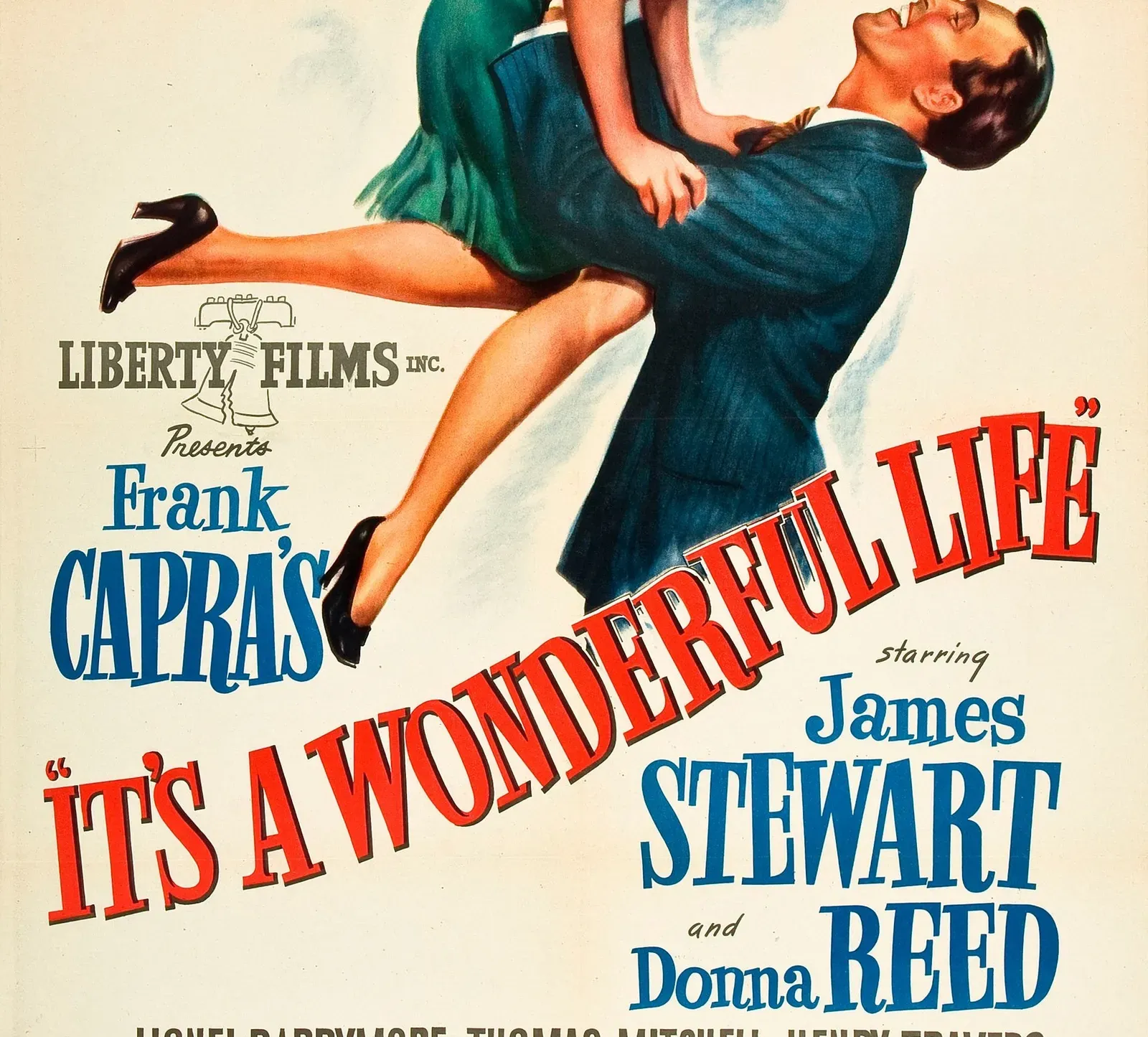
Frank Capra’s holiday staple didn’t start out beloved. Although now a holiday favorite, the film was a box office flop and a major blow to director Frank Capra’s reputation. Critics at the time were unimpressed too, and for nearly three decades the movie sat largely forgotten.
Its revival came from an unlikely source: a paperwork error. Then copyright owner Republic Pictures missed filing the renewal application, causing the film to lapse into the public domain, which enabled TV networks looking for cheap holiday content to program it heavily. Free to air, it played on countless stations every December, and viewers who caught it by accident became the ones telling friends and family to watch it too, cementing it as a genuine Christmas tradition.
The Big Lebowski
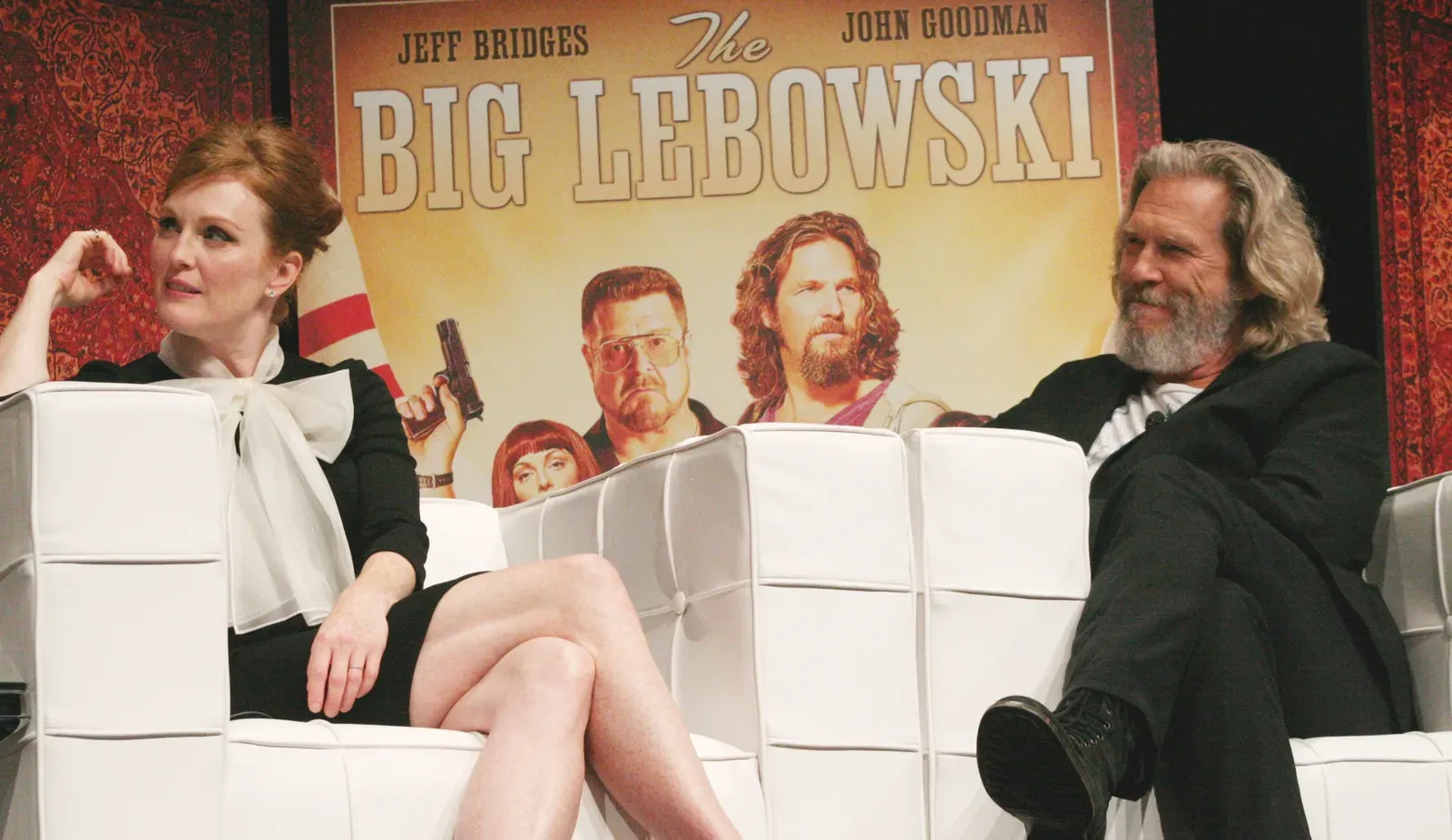
The Coen brothers followed their Oscar winning Fargo with a shaggy detective comedy that left many first time viewers puzzled. When it opened in March of 1998, the film confused even the most diehard Coens fans and became a box office disappointment. It also had the misfortune of opening while Titanic was still dominating screens nationwide.
What looked like a career misstep turned into one of comedy’s most durable cult followings. In the years since its release, The Big Lebowski has emerged as one of Hollywood’s most famous cult classics, with Lebowski Fest held annually since 2002 and a spiritual offshoot called Dudeism that has hundreds of thousands of followers worldwide. Fans quoting the film to each other, long before social media made that easy, did more for its reputation than any studio campaign ever could.
Donnie Darko

Richard Kelly’s genre bending debut arrived at possibly the worst possible moment. Donnie Darko barely made any noise at the box office, grossing a measly $517,735 in America, and its October 2001 release, featuring a jet engine crash just weeks after 9/11, couldn’t have been worse timed. The film’s mix of teen drama, science fiction, and unresolved ambiguity also made it a tough sell to studio marketers.
Home video changed everything. A critical success but a commercial failure when first released in 2001, Donnie Darko grew in popularity due to strong DVD sales and regular midnight screenings across the United States. That grassroots following was strong enough to convince a distributor to fund and release a director’s cut in 2004, an almost unheard of second chance for a film that had barely registered in theaters.
Office Space

Mike Judge’s workplace satire didn’t just underperform, it barely got a chance to try. The movie was a bona fide box office flop when it grossed a measly $10.8 million in 1999, and according to Vice, it was pulled from distribution after a very short run in theaters. Stiff competition that year from films like Fight Club and American Beauty didn’t help matters either.
Cable television gave it the second life theaters never did. At some point the movie got on Comedy Central, which played the hell out of it, and it felt like it went viral before that concept even existed, opening it up to new viewers who kept it in heavy rotation. Office workers recognized their own daily frustrations on screen, and lines from the film became genuine shorthand in real workplaces, the surest sign that word of mouth had done its job.
Fight Club

David Fincher’s adaptation of Chuck Palahniuk’s novel opened to a mixed critical reception and a box office run that fell short of expectations. The studio wasn’t sure how to market it, so the ads leaned on dark humor and slick visuals without really explaining what the movie was about, and critics were split while audiences didn’t rush out to see it. Its sharp critique of consumerism and masculinity didn’t translate into ticket sales right away.
The format that saved it was, fittingly, a physical one. Fight Club became a huge hit when it came out on DVD, with the disc becoming a must-own item helped by its packed special features, and it was the DVD that made the film into a cultural touchstone. Viewers who bought or borrowed that disc were the ones spreading its dialogue and imagery into everyday conversation, turning a theatrical disappointment into one of the most referenced films of its decade.
Blade Runner

Ridley Scott’s dystopian vision of Los Angeles struggled to find its audience on first release. Production of this sci-fi thriller went over budget to $28 million from a planned estimate of $13 million, but recouped only $6 million in its first week in American cinemas. Audiences in 1982 expecting a straightforward action picture were met instead with a slow, moody meditation on identity and mortality.
Its reputation grew gradually as the decades caught up with its ideas. Many were ahead of their time, and Blade Runner’s dystopia only made sense after decades of tech anxiety. Repeated cable airings, a string of director’s cuts, and enthusiastic recommendations from science fiction fans slowly transformed it from a box office disappointment into one of the most influential films in the genre’s history.
Taken together, these seven stories share a familiar arc. A film underperforms, sometimes badly, and the studio moves on to the next release. Then home video, cable television, or simple curiosity gives it a second audience, one that talks about it in a way no trailer ever could. That accumulated conversation, one recommendation at a time, is what eventually turns a commercial disappointment into something people call a classic.