Sequels get a bad reputation, mostly deserved. Studios chase a quick cash grab, audiences feel the seams, and the whole thing fades into bargain bin obscurity within a year. Yet every so often a follow-up doesn’t just match its predecessor, it quietly surpasses it, growing richer with age while the original starts to feel like a rough draft. That reversal happens for different reasons each time. Sometimes a director gets a bigger budget and finally executes the vision they couldn’t afford the first time. Other times cultural context shifts and the sequel’s themes simply land harder decades later. Here are ten films where the second chapter ended up outshining chapter one.
1. The Godfather Part II (1974)
Francis Ford Coppola’s decision to split the narrative between Michael Corleone’s cold ascent and Vito’s immigrant origin story gave the sequel a structural depth the original never attempted. Critics at the time were divided, but the film went on to win six Academy Awards including Best Picture, a rare feat for a sequel.
Modern rankings consistently place Part II above the first film, with Robert De Niro’s performance as young Vito frequently cited as one of cinema’s finest supporting turns. The tragedy of Michael’s isolation lands with more weight now, as audiences have had fifty years to sit with the full arc of his moral collapse.
2. Terminator 2: Judgment Day (1991)
James Cameron flipped the villain into a protector, turned Sarah Connor into one of action cinema’s toughest figures, and pushed practical and digital effects further than almost anything before it. The liquid metal T-1000 remains a benchmark for visual effects work, and the film still holds up because the character work was never sacrificed for spectacle.
The original 1984 Terminator is a lean, effective B-movie, but T2 expanded the mythology while keeping emotional stakes central. Audiences today often cite it as the superior film precisely because it took bigger risks with tone, blending genuine pathos into a story that could have coasted on explosions alone.
3. Aliens (1986)
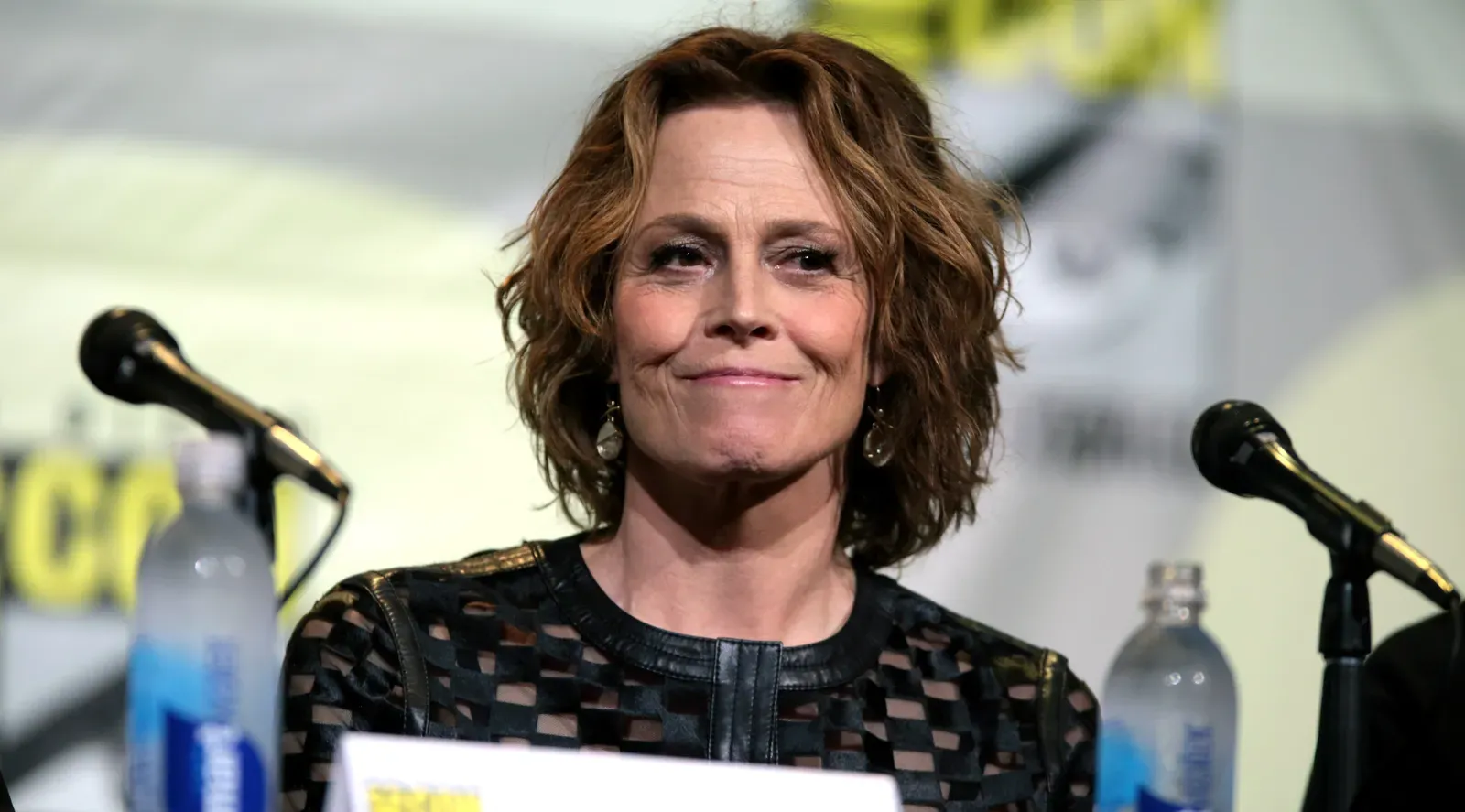
Ridley Scott’s Alien was a slow-building horror film set in tight corridors. James Cameron’s Aliens went the opposite direction, turning the story into a tense military action piece while giving Sigourney Weaver’s Ripley a maternal arc that added unexpected emotional stakes.
The sequel earned seven Oscar nominations and won two, a strong showing for a genre film in the 1980s. Decades on, Aliens is frequently ranked as the stronger entry in the franchise because it managed to be both a satisfying action film and a genuine character study.
4. Toy Story 2 (1999)
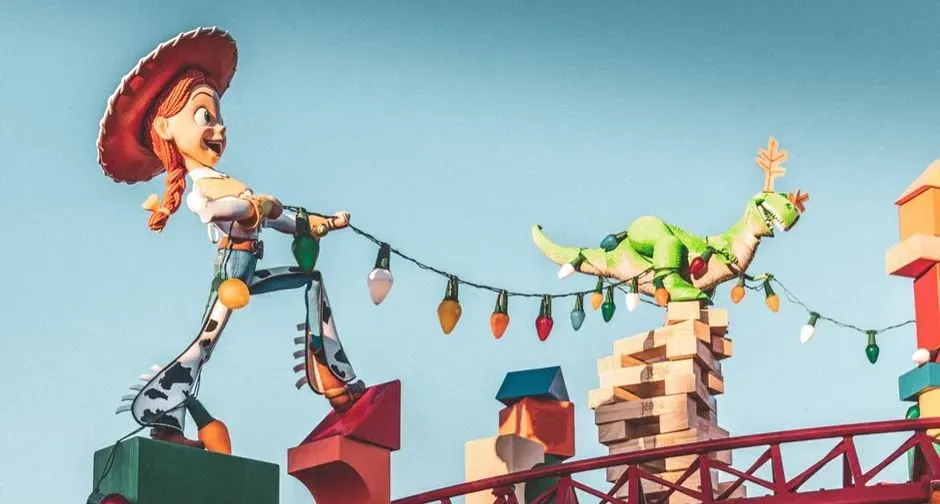
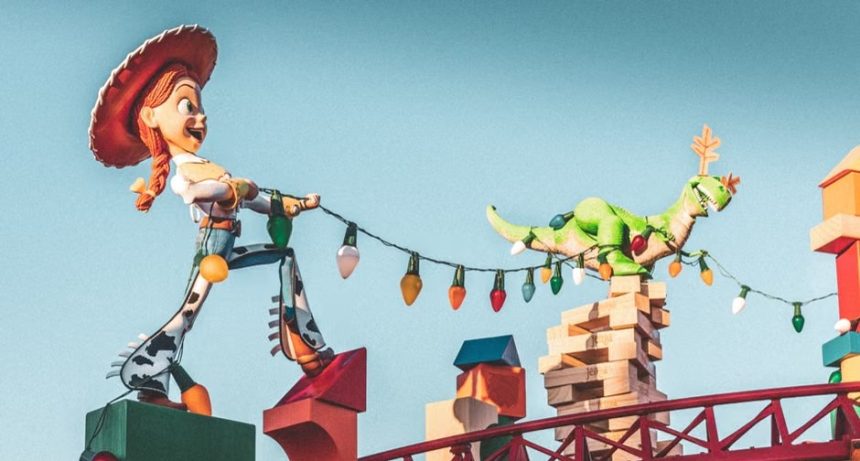
Pixar’s second entry took a simple premise, toys dealing with a child growing up, and turned it into something more contemplative than the first film managed. The introduction of Jessie and her backstory, set to a quietly devastating musical sequence, added emotional texture that the 1995 original hadn’t fully explored.
Critics at the time noted the sequel matched or exceeded the original’s charm while deepening its themes of loyalty and impermanence. Rewatching both films now, Toy Story 2 often feels like the more complete emotional experience, setting the stage for what Pixar would later achieve with Toy Story 3.
5. Mad Max: Fury Road (2015)
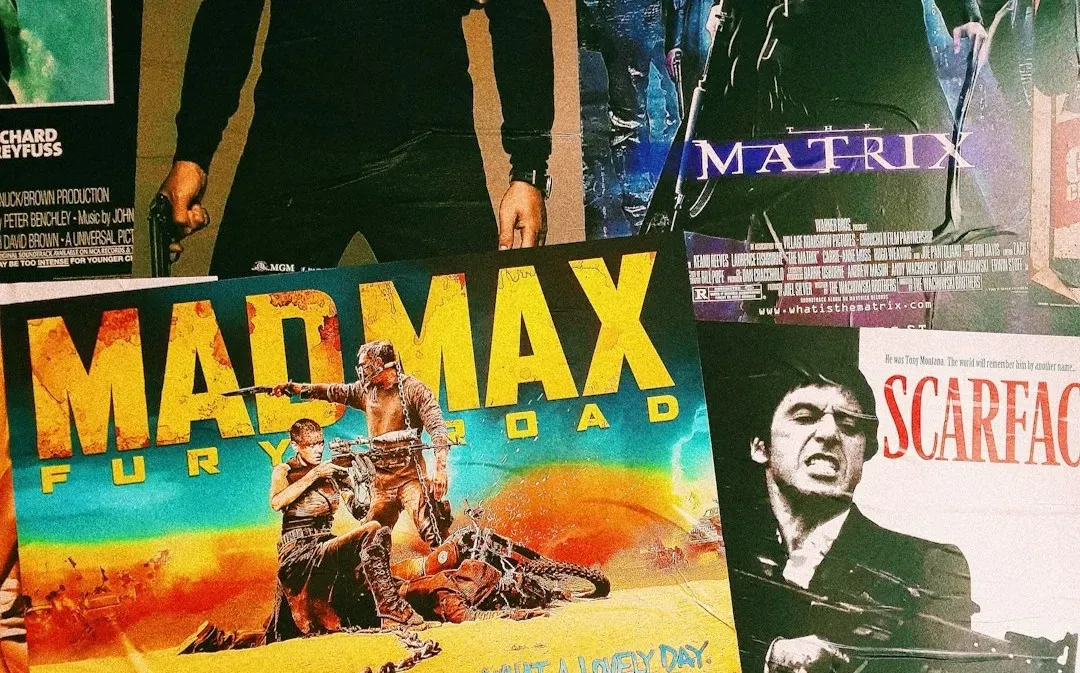
George Miller returned to his own franchise three decades after Beyond Thunderdome and delivered something that felt both like a continuation and a reinvention. The practical stunt work, the minimal dialogue, and Charlize Theron’s Furiosa gave the series a new center of gravity that the earlier films, while influential, never quite reached.
Fury Road received ten Academy Award nominations and won six, an unusually strong result for an action film. Its reputation has only grown since 2015, with many critics now considering it not just the best Mad Max film but one of the defining action movies of its decade.
Partner offer
6. Dawn of the Planet of the Apes (2014)
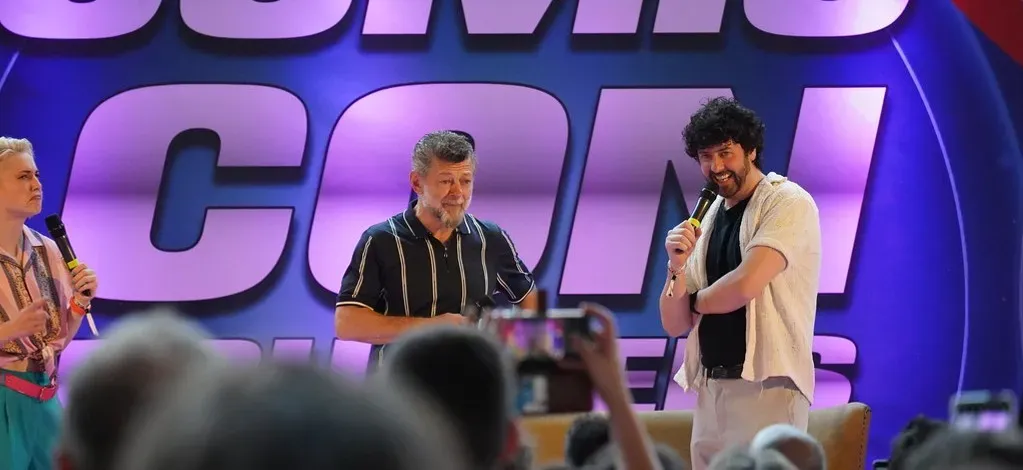
Rise of the Planet of the Apes rebooted the franchise competently, but Dawn is where the series found its emotional and thematic footing. Andy Serkis’s motion-capture performance as Caesar carried real weight, and the film’s exploration of trust breaking down between two societies felt genuinely tragic rather than just a setup for action.
Critics praised the sequel for its visual effects work and its willingness to treat both apes and humans as morally complex. Looking back from 2026, Dawn is often cited as the strongest chapter in the rebooted trilogy, elevating what started as a modest reboot into something closer to Shakespearean tragedy.
7. Spider-Man 2 (2004)
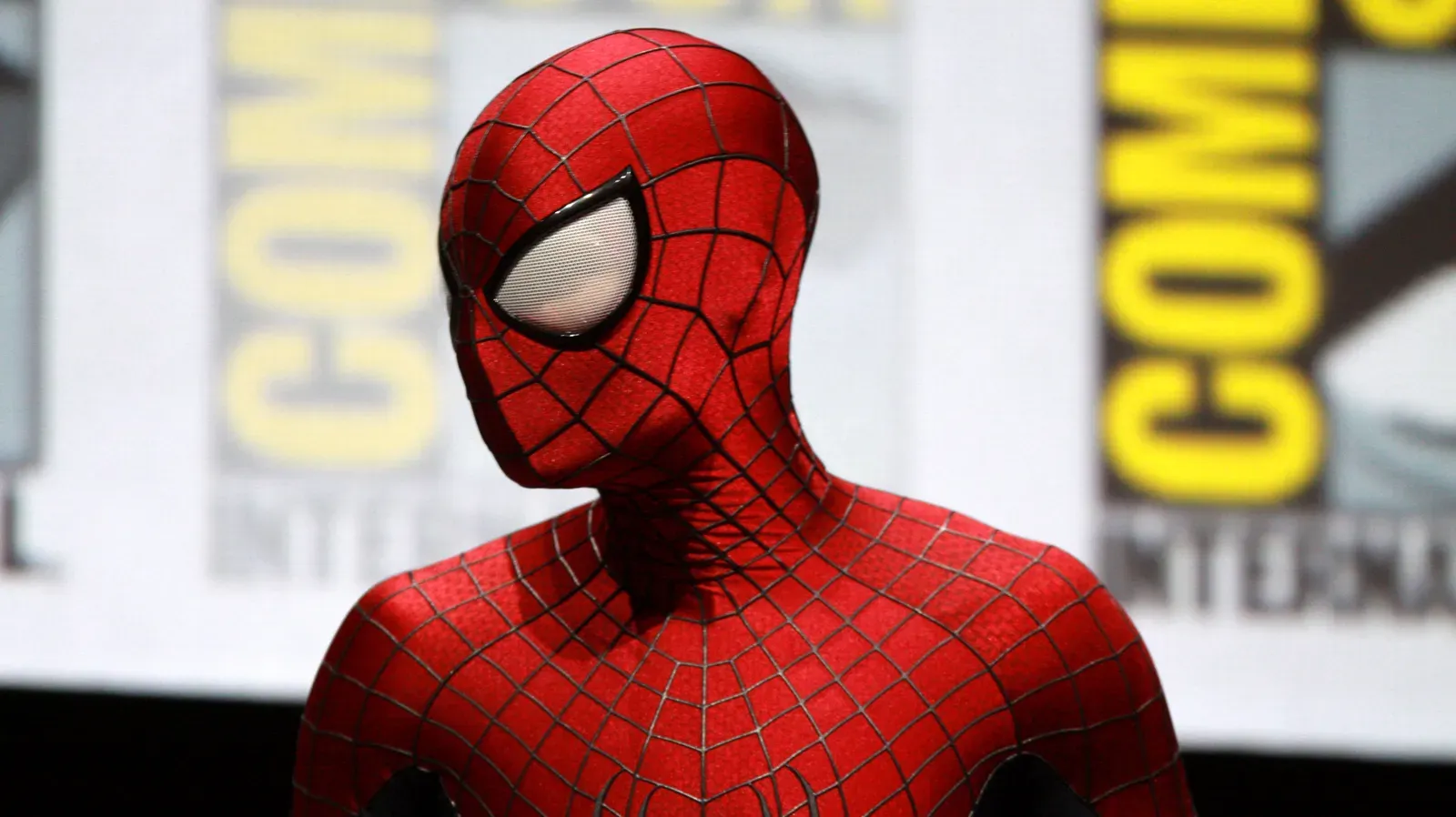
Sam Raimi’s first Spider-Man film introduced the character to a new generation, but the sequel is where the emotional stakes and villain design came together. Alfred Molina’s Doc Ock remains one of the most physically grounded comic book villains put to screen, and the train rescue sequence is still referenced as a high point of early 2000s superhero filmmaking.
The film balanced Peter Parker’s personal struggles with the action in a way the original didn’t quite manage, giving it staying power well into the superhero-saturated 2020s. Many retrospectives place Spider-Man 2 above not just its predecessor but above several entries in the character’s more recent cinematic outings.
8. The Dark Knight (2008)
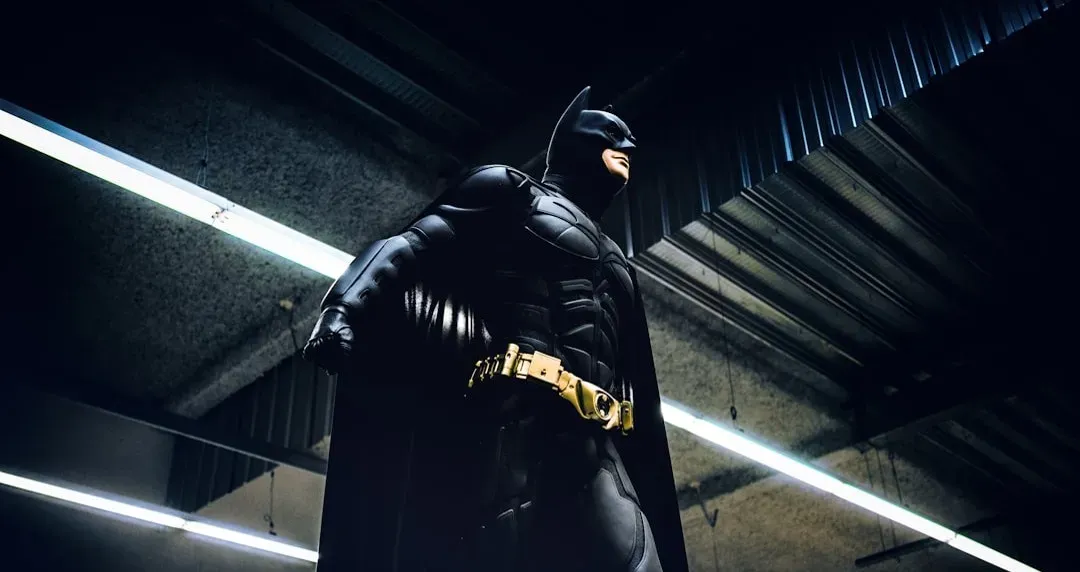
Batman Begins did the necessary work of rebuilding the character after the Schumacher-era films, but The Dark Knight is where Christopher Nolan’s vision fully clicked. Heath Ledger’s performance as the Joker, released posthumously after his death in January 2008, earned him a posthumous Academy Award for Best Supporting Actor.
The film’s grounded approach to crime and morality gave it a weight that superhero films rarely achieved before, and it’s frequently cited in retrospectives as reshaping how studios approached comic book adaptations afterward. Batman Begins set the table, but The Dark Knight is the film people still return to.
9. X2: X-Men United (2003)
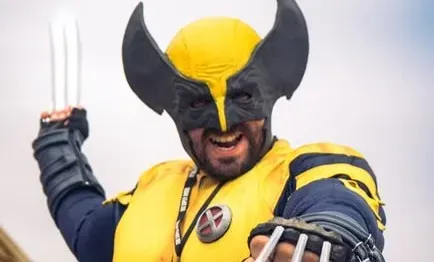
The first X-Men film in 2000 proved mutant stories could work on screen, but it was constrained by budget and a cautious approach to the material. X2 expanded the cast, deepened the politics underlying the mutant metaphor, and gave characters like Magneto and Mystique more room to operate.
Critics at the time noted the sequel’s improved pacing and stronger action sequences compared to the original. Bryan Singer’s follow-up is still regarded by many fans as the high point of the original X-Men trilogy, a rare superhero sequel that expanded scope without losing narrative focus.
10. Wrath of Khan (1982)
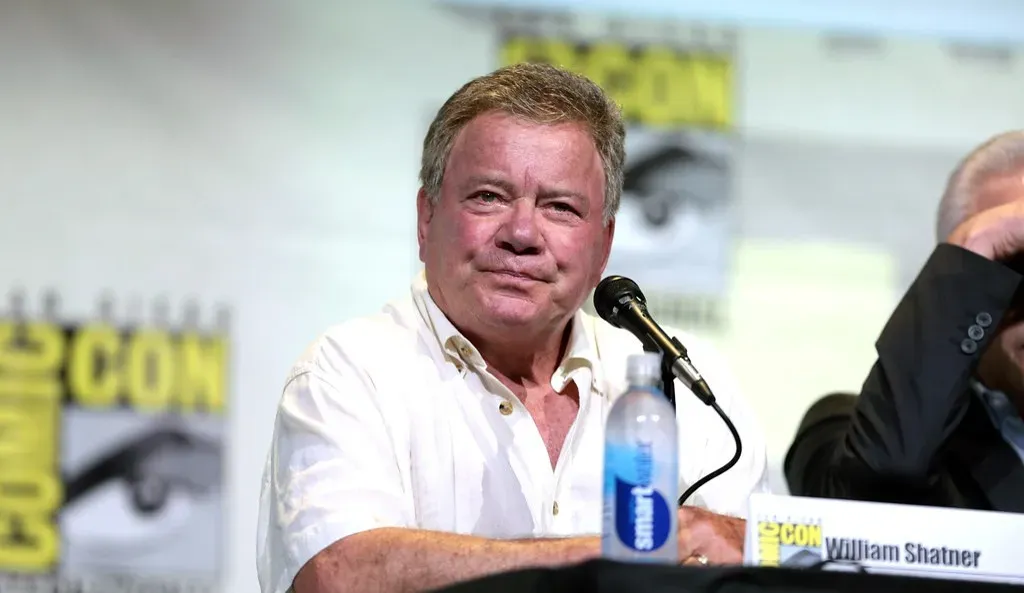
Star Trek: The Motion Picture in 1979 was a slow, visually ambitious but narratively thin outing that left many fans cold. The Wrath of Khan, directed by Nicholas Meyer, brought urgency, a compelling villain in Ricardo Montalban’s Khan, and genuine emotional stakes with the death of Spock near the film’s end.
The sequel is widely regarded by Star Trek fans and critics as the best film in the franchise’s original film series, setting a template that later Star Trek films tried to replicate. Its influence extends beyond Star Trek itself, often cited as a reference point for how a sequel can correct course and elevate a franchise’s reputation.
Sequels rarely get the benefit of the doubt going in, yet these ten prove that a follow-up can outgrow its source material when filmmakers use the extra time, budget, or hindsight wisely. What separates these films from the pack isn’t bigger scale alone, it’s a willingness to deepen character and theme rather than simply repeat what worked before.Partner offer
Planning a trip to Vegas?
Compare hotel rates and show tickets on VEGAS.com.