Some musicians hit a peak and coast. Others get knocked down, dropped by a label, dismissed by critics, or simply outgrow the image that made them famous, and instead of fading out, they come back sharper and bigger than before. The music industry loves a comeback story, but a true reinvention is rarer than people think. It requires an artist to shed an old identity entirely and convince an audience that the new version is not a gimmick but the real thing.
1. Miley Cyrus: From Disney Star to Grammy-Winning Icon

Miley Cyrus spent years shaking off the Hannah Montana label, cycling through country-pop, twerking controversies, and psychedelic detours before landing on the sound that finally made critics and the Recording Academy take her seriously. Her smash hit “Flowers” comes from her eighth studio album, Endless Summer Vacation. The song became more than a hit single, it became a cultural moment tied to her divorce from Liam Hemsworth.
Miley Cyrus kicked off Music’s Biggest Night with a big win, her very first Grammy Award, taking home a golden gramophone for Best Pop Solo Performance for “Flowers.” She walked away with the first two Grammy Awards of her career, for Record of the Year and Best Pop Solo Performance, after previously being nominated only twice. After two decades in the public eye, that recognition felt overdue, and it cemented her transformation from teen idol to a genuinely respected pop artist.
2. Chappell Roan: From Dropped Artist to Best New Artist

Before she became one of pop’s most talked-about names, Chappell Roan was cut loose by her first label and had to rebuild from nothing. She reinvented herself after being dropped from her first record deal in the early months of the pandemic, and unable to find a job in Los Angeles, she moved back in with her parents for a while before eventually returning with something to prove. She told Paper Magazine she gave herself a year to make it as an independent artist before calling it quits.
That gamble paid off spectacularly. Her debut studio album became a sleeper hit following the success of her 2024 single “Good Luck, Babe!” which marked her first entry on the US Billboard Hot 100, peaking at number four. She even crossed into country music, and she became just the third woman, next to Beyoncé and Bebe Rexha, to lead Billboard’s Hot Country Songs chart with her first-ever entry, with the track also topping Country Streaming Songs and landing at number five on the Hot 100. Going from a shelved artist to a Grammy winner in just a few years is about as complete a reinvention as pop music has seen recently.
3. Beyoncé: From Girl Group Member to Genre-Defying Auteur
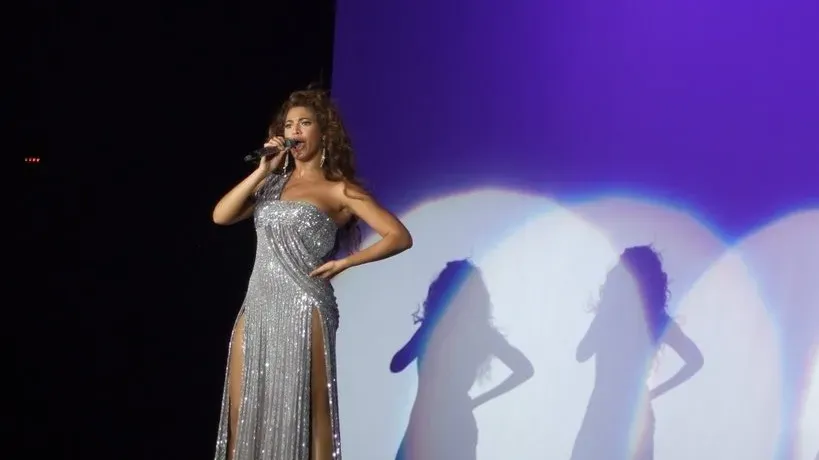
Beyoncé’s transformation from Destiny’s Child frontwoman to solo powerhouse was impressive enough on its own, but she has kept reinventing well into her fourth decade in the spotlight. She moved from R&B radio staples to visual albums, then into dance music with Renaissance, and most recently into country with Cowboy Carter, a genre where Black women have historically been underrepresented and undercredited.
Each shift has come with its own commercial and critical validation rather than diminishing returns, which is unusual for an artist this far into a career. Instead of settling into a comfortable lane, she treats genre as something to conquer rather than something to be defined by, and that restlessness has kept her relevant across radically different eras of pop culture.
4. Justin Timberlake: From Boy Band Heartthrob to Pop Solo Star
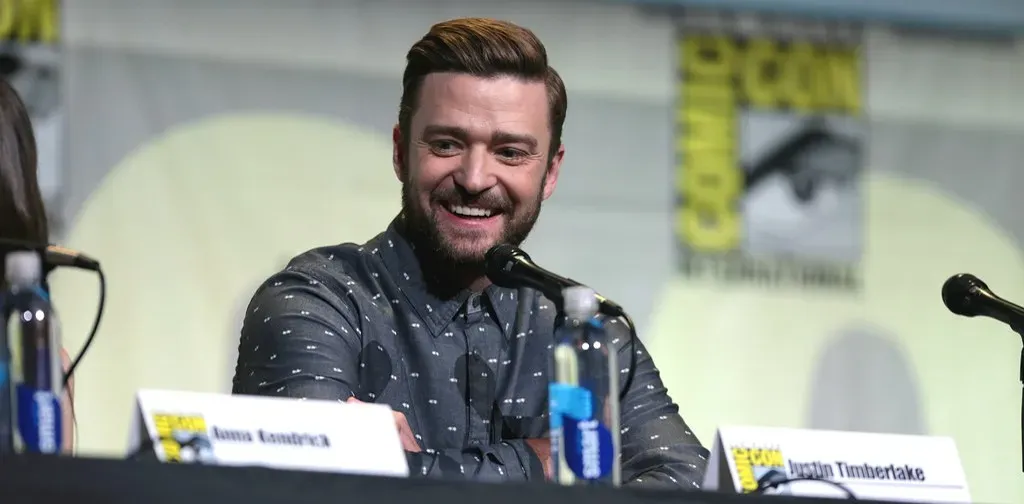
Leaving NSYNC at the height of boy band mania was a risky move in the early 2000s, since plenty of former group members faded into nostalgia acts. Justin Timberlake instead partnered with producers like Timbaland and The Neptunes to build a sound built on falsetto vocals, R&B grooves, and sharper songwriting than his boy band material ever allowed.
Albums like Justified and FutureSex/LoveSounds turned him into one of the defining solo pop stars of the 2000s, a transition few of his peers managed as convincingly. His reinvention also extended into acting and hosting, broadening his career well beyond music in a way that reinforced rather than diluted his pop credibility at the time.
5. Lady Gaga: From Theatrical Pop Provocateur to Serious Artist and Actress
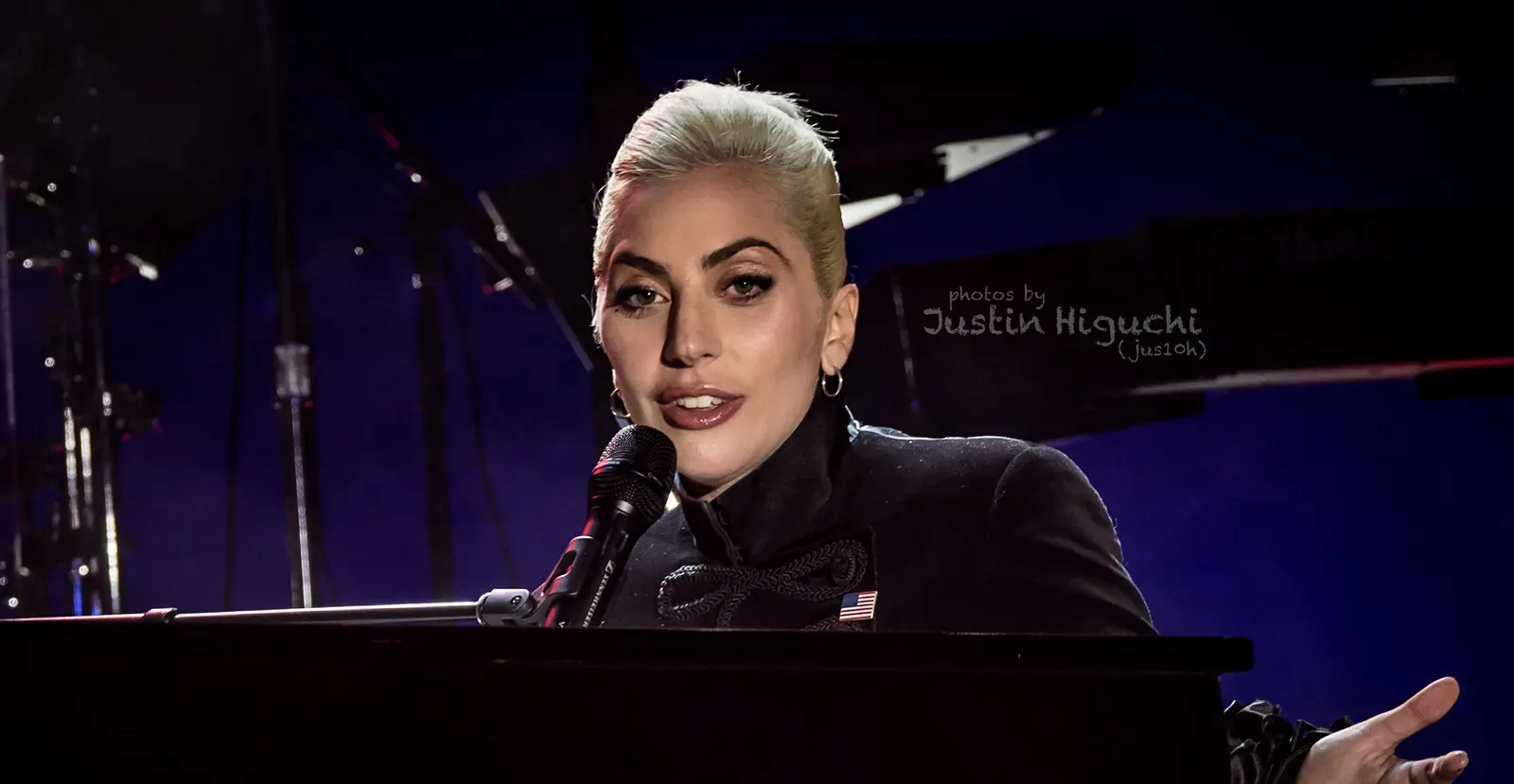
Lady Gaga built her early career on outrageous costumes, meat dresses, and maximalist pop spectacle, a persona that made her famous but risked boxing her in. She pivoted deliberately, releasing the jazz-influenced Cheek to Cheek with Tony Bennett and then stripping things down further with Joanne, trading spectacle for songwriting and vocal restraint.
Her role in A Star Is Born pushed the reinvention even further, earning her an Academy Award nomination for acting and proving she could carry a film as convincingly as a stadium show. That combination of theatrical pop stardom and critically respected artistry gave her a career arc most pop acts never attempt, let alone pull off.
Partner offer
6. Cher: The Original Reinvention Machine
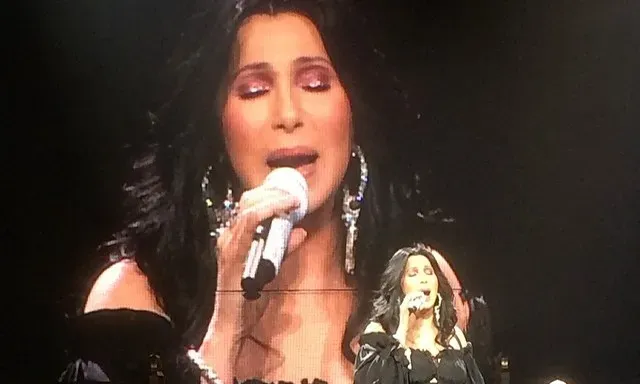
Long before “reinvention” became a marketing buzzword, Cher was doing it repeatedly across six decades, moving from folk-pop duets with Sonny Bono to disco, rock, power ballads, and dance-pop without ever losing her core audience. Each new decade brought a new sound, a new look, and often a new generation of fans discovering her for the first time.
“Believe,” released in 1998, is often cited as one of the most successful comeback singles in pop history, thanks in part to its pioneering use of pitch-correction effects that later became a genre staple. Few artists have managed to stay commercially relevant across as many distinct musical eras as Cher has, which is part of why her career is often used as the benchmark for reinvention itself.
7. Robbie Williams: From Boy Band Exit to British Solo Superstar
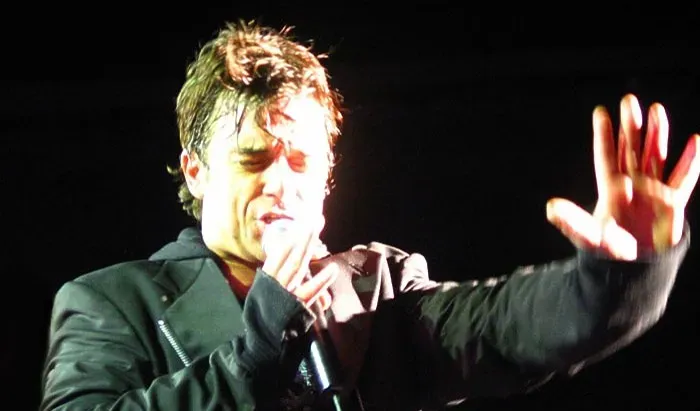
Robbie Williams left Take That in 1995 amid personal struggles and public skepticism about whether he could succeed on his own. His solo career proved doubters wrong almost immediately, with albums like Life thru a Lens and I’ve Been Expecting You turning him into one of the biggest solo acts in British pop history.
He leaned into a brash, self-deprecating persona that contrasted sharply with his clean-cut boy band image, and audiences responded to the honesty of it. His reinvention also became a template for how boy band alumni across the UK and beyond might build lasting solo identities rather than short-lived side projects.
8. Justin Bieber: From Teen Pop Idol to Respected R&B Artist
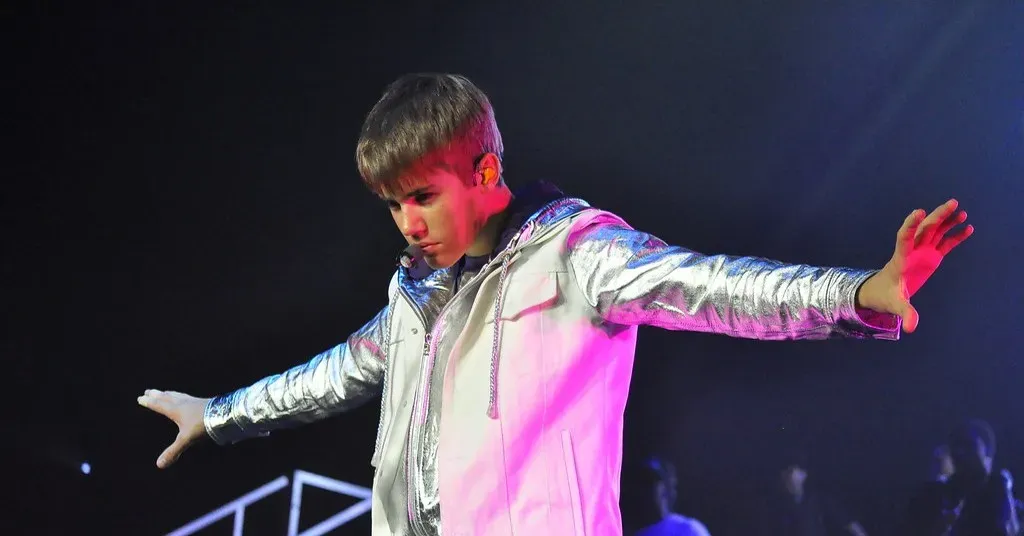
Justin Bieber spent his early teens as a viral phenomenon turned pop sensation, a status that came with intense scrutiny and a public image many predicted would not age well. Rather than clinging to that early sound, he shifted toward R&B and understated production on albums like Purpose and Justice, working with collaborators who softened his image into something more mature and musically credible.
Songs like “Sorry” and “Love Yourself” showed a willingness to experiment with tropical house and stripped-down acoustic textures rather than repeating his earlier teen-pop formula. That musical evolution, paired with a more private personal life, allowed him to shed the “teen idol” label years before many predicted he could.
9. Sam Smith: From Ballad Singer to Genre-Bending Pop Provocateur
Sam Smith built an early reputation on heartbreak ballads like “Stay with Me,” a sound tender and vulnerable enough to win multiple Grammy Awards early in their career. That reputation could easily have calcified into a permanent lane, but Smith chose to push into dance-pop and more provocative visual territory with tracks like “Unholy,” a collaboration with Kim Petras.
That single became one of the biggest global hits of 2022 and introduced Smith to an entirely new, younger streaming audience unfamiliar with the earlier ballad-driven material. It was a deliberate departure from the sound that made them famous, and it worked commercially in a way few predicted, proving reinvention does not always require years to pay off.
10. Kesha: From Autotuned Party Anthems to Independent Artistic Freedom
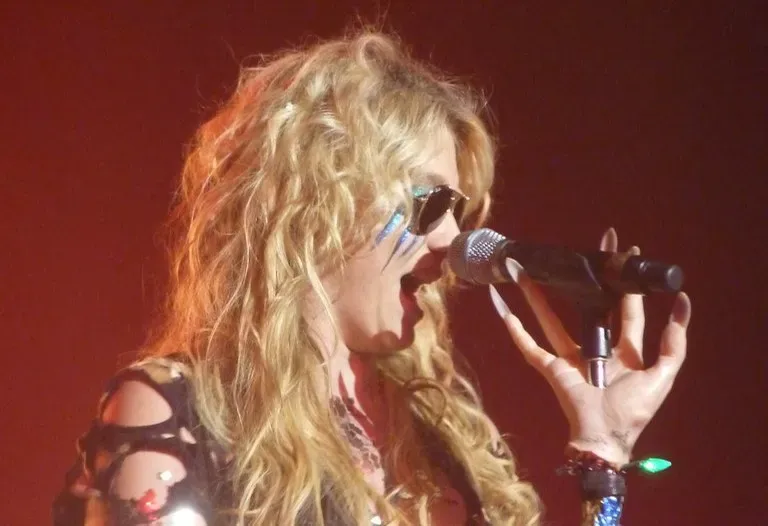
Kesha’s early 2010s run was defined by glittery, hook-heavy party anthems like “Tik Tok” and “Die Young,” a sound tightly controlled by producer Dr. Luke. A protracted legal battle with him effectively silenced her career for years, an ordeal that would have ended many artists’ momentum entirely.
When she returned with Rainbow in 2017, the shift was unmistakable, trading party-pop gloss for raw, emotionally direct songwriting that leaned into country and rock influences. Critics widely regarded it as a rebirth rather than a comeback, and it gave Kesha a level of artistic respect that her earlier hits, despite their commercial success, had never quite earned her.
Reinvention in music rarely happens by accident. It usually follows a setback, a label dropping an artist, a persona wearing thin, or simply the realization that the sound that made someone famous will not sustain a career for decades. What separates the artists on this list is not just that they changed, but that audiences and critics accepted the change as authentic rather than opportunistic. That distinction is why their second, third, or even sixth acts often end up more celebrated than the first one ever was.Partner offer
Planning a trip to Vegas?
Compare hotel rates and show tickets on VEGAS.com.