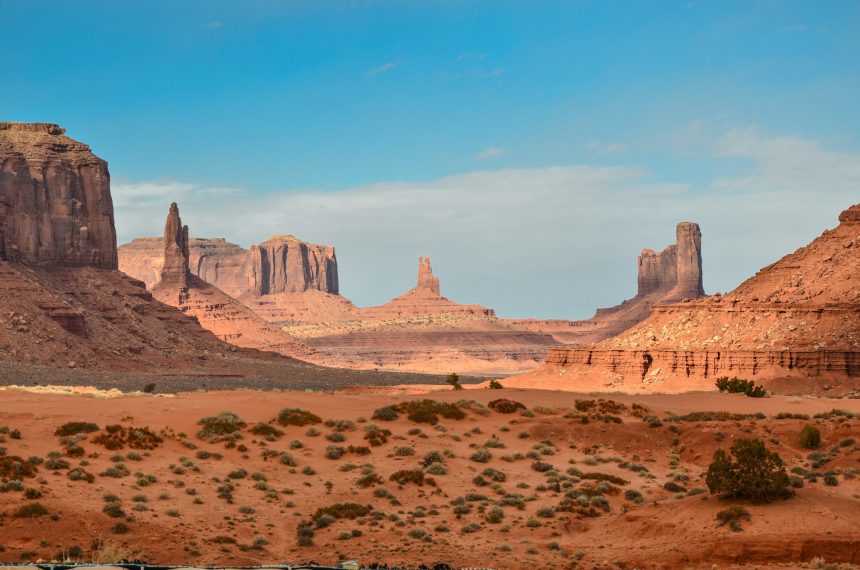
Few places on Earth are as recognizable as the red buttes of , which sit on the Utah and Arizona border within the Navajo Nation. Even people who have never visited can often name the place from a single wide shot. Filmmakers have used it for decades, and the landscape has done a lot to shape what audiences picture when they think of the American West.
This list moves roughly through the history of the valley on screen. Some entries are classics made by the director who made the place famous, and a couple are surprising later visitors. Each one used the valley in a different way.
Stagecoach (1939)
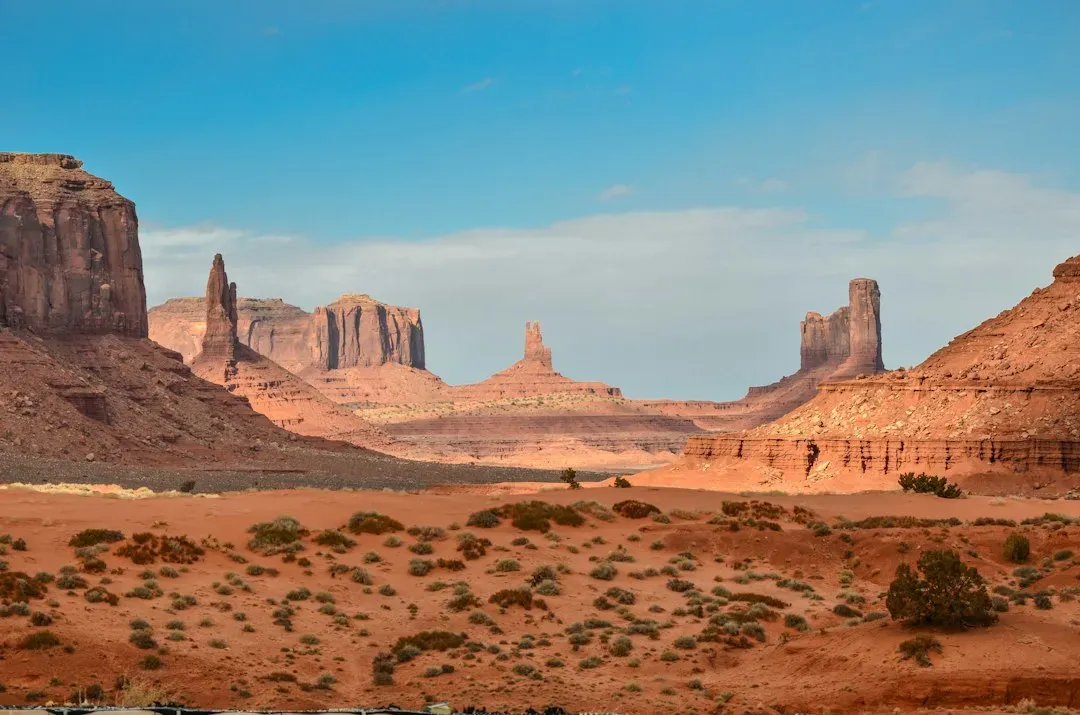
John Ford’s Stagecoach is where the screen story of begins. Ford brought the production to the valley for the first time, and the film’s chase across open desert became a template for later westerns. It also made John Wayne a major star as the Ringo Kid.
The film was a critical success and won two Academy Awards, including best supporting actor for Thomas Mitchell. The story follows a group of strangers traveling by coach through dangerous territory. The valley gives their journey a sense of scale that studio backlots couldn’t match.
My Darling Clementine (1946)
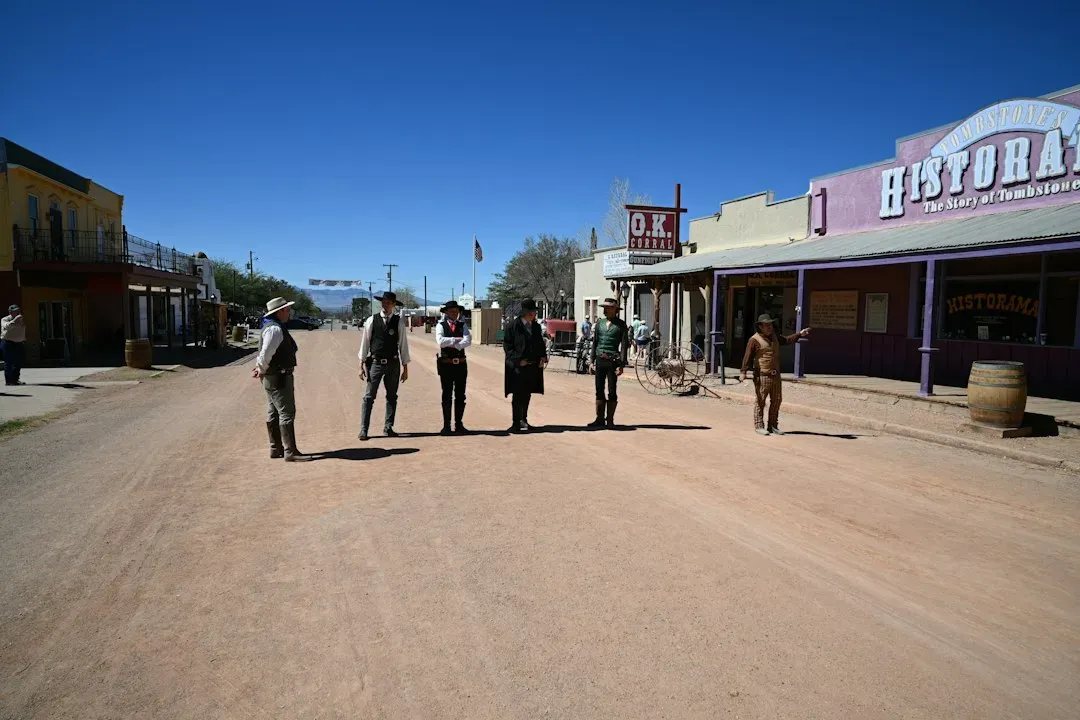
Ford returned to the valley after the Second World War with this telling of the Wyatt Earp legend. Henry Fonda played Earp, and Victor Mature played Doc Holliday. The story builds toward the gunfight at the O.K. Corral in Tombstone, Arizona.
stands in for the lonely land around Tombstone, and the film is known for its stark black and white photography. The buttes frame the characters as small figures in a huge setting. It’s a quieter, more poetic western than many people expect.
Fort Apache (1948)
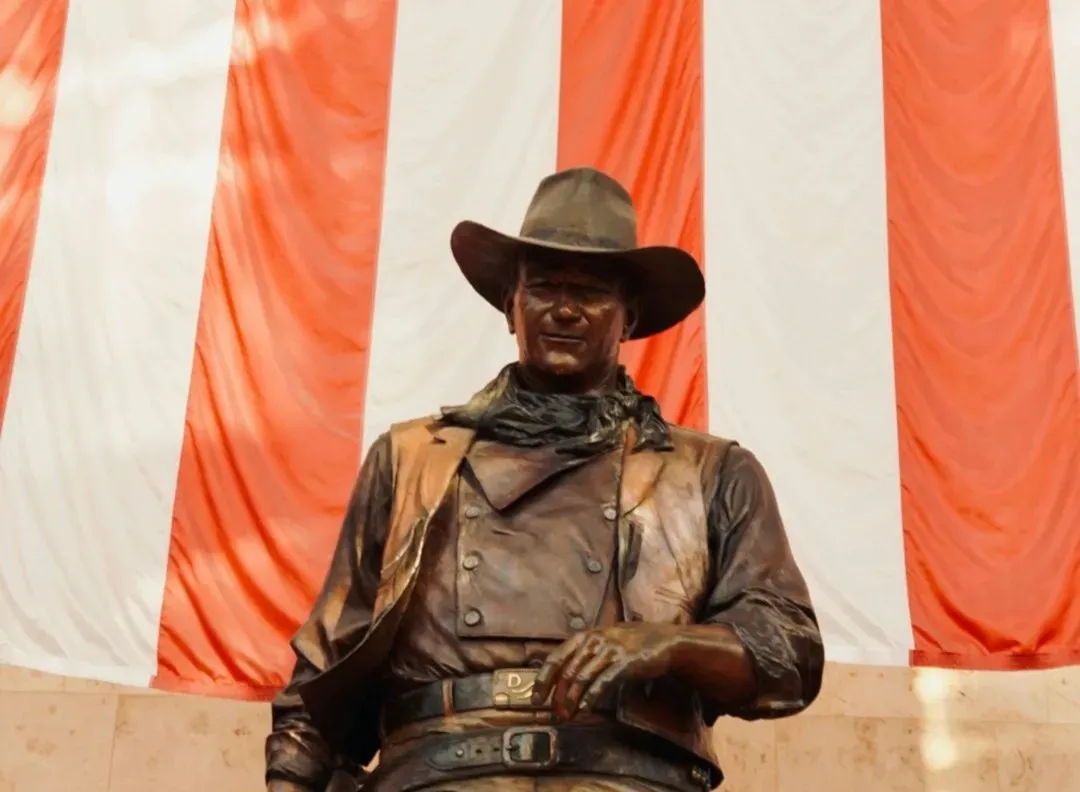
Fort Apache was the first film in Ford’s informal cavalry trilogy. Henry Fonda plays a rigid lieutenant colonel posted to a remote Arizona fort, and John Wayne plays a captain who sees the situation more clearly. Shirley Temple also appears in the cast.
The valley doubles as the frontier territory where the cavalry patrols and the story’s tragedy unfolds. Ford framed the landscape in black and white, so the rock formations read as sharp silhouettes against the sky. The film treats army duty and pride with more complexity than its reputation suggests.
She Wore a Yellow Ribbon (1949)
The second cavalry film was Ford’s first in color, and the valley benefited enormously. John Wayne plays Captain Nathan Brittles, an officer close to retirement who faces one last mission. The look of the film is rich with reds and golds.
Cinematographer Winton Hoch won an Academy Award for his work on it. A famous thunderstorm sequence was shot while a real storm rolled across the valley. That kind of luck is part of why Ford loved shooting there.
Wagon Master (1950)
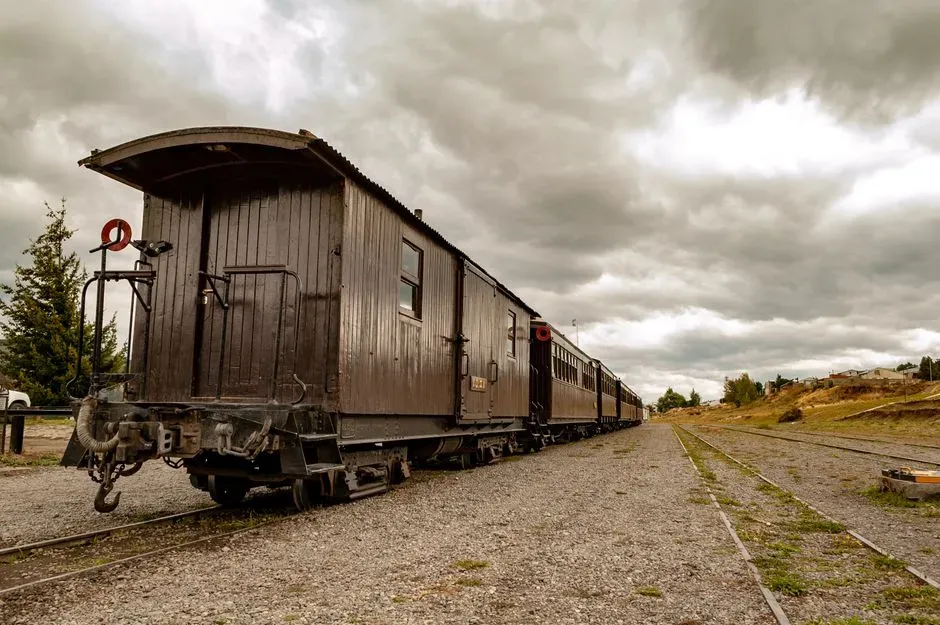
Wagon Master is a smaller film with a loose, gentle rhythm. It follows a Mormon wagon train guided by two horse traders, played by Ben Johnson and Harry Carey Jr., as they head toward a new settlement. Ward Bond also stars as the group’s elder.
Partner offer
Ford shot it in the canyon country of southeastern Utah, with among the locations. The film has no big star turn like his Wayne pictures, which lets the landscape and the ensemble stand out. Ford himself reportedly counted it among his personal favorites.
The Searchers (1956)
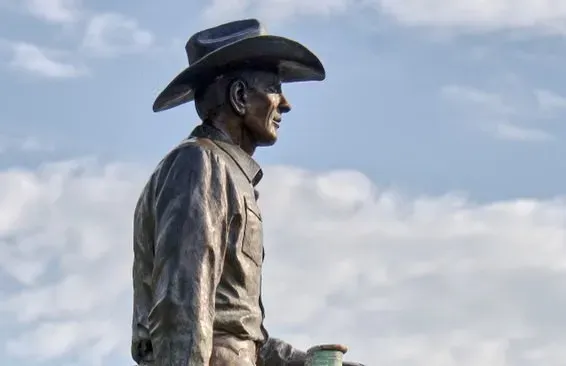
The Searchers is often named among the greatest westerns ever made. John Wayne plays Ethan Edwards, a Civil War veteran who spends years looking for his abducted niece. The film was shot in VistaVision, a widescreen format that suited the valley’s enormous horizons.
Its opening and closing shots, framed through a doorway, are among the best known in American cinema. The valley represents the Texas frontier in the story, even though the geography is clearly Utah and Arizona. The film’s moral ambiguity has kept critics debating it for decades.
Sergeant Rutledge (1960)
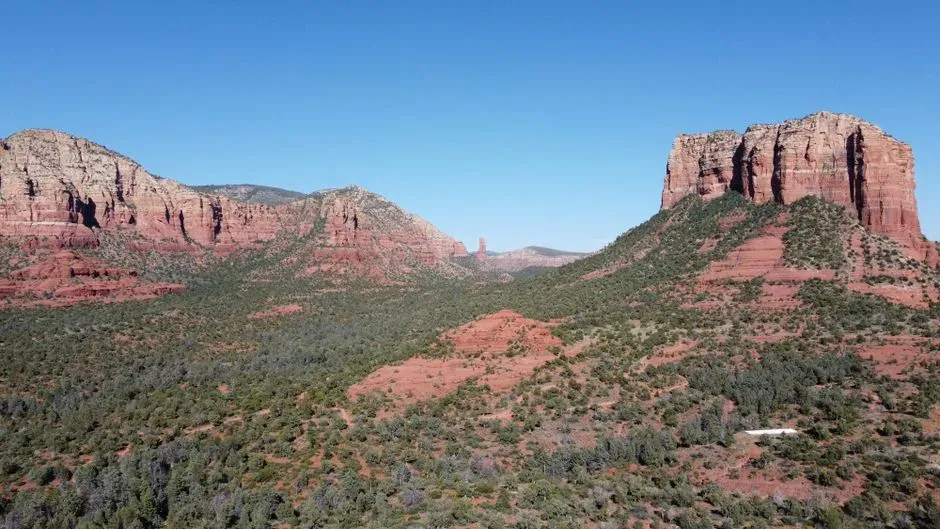
This courtroom drama set in the cavalry era is a less obvious film. Woody Strode plays Braxton Rutledge, a Black soldier on trial for rape and murder, and the story is told largely through flashbacks. Jeffrey Hunter plays his defending lieutenant.
The valley provides the setting for the flashback sequences, which contrast with the confined trial scenes. Ford gave Strode a rare leading role, and the film addresses racism in the army more directly than most westerns of its time. It has gained appreciation in later years as a thoughtful entry in Ford’s work.
Cheyenne Autumn (1964)
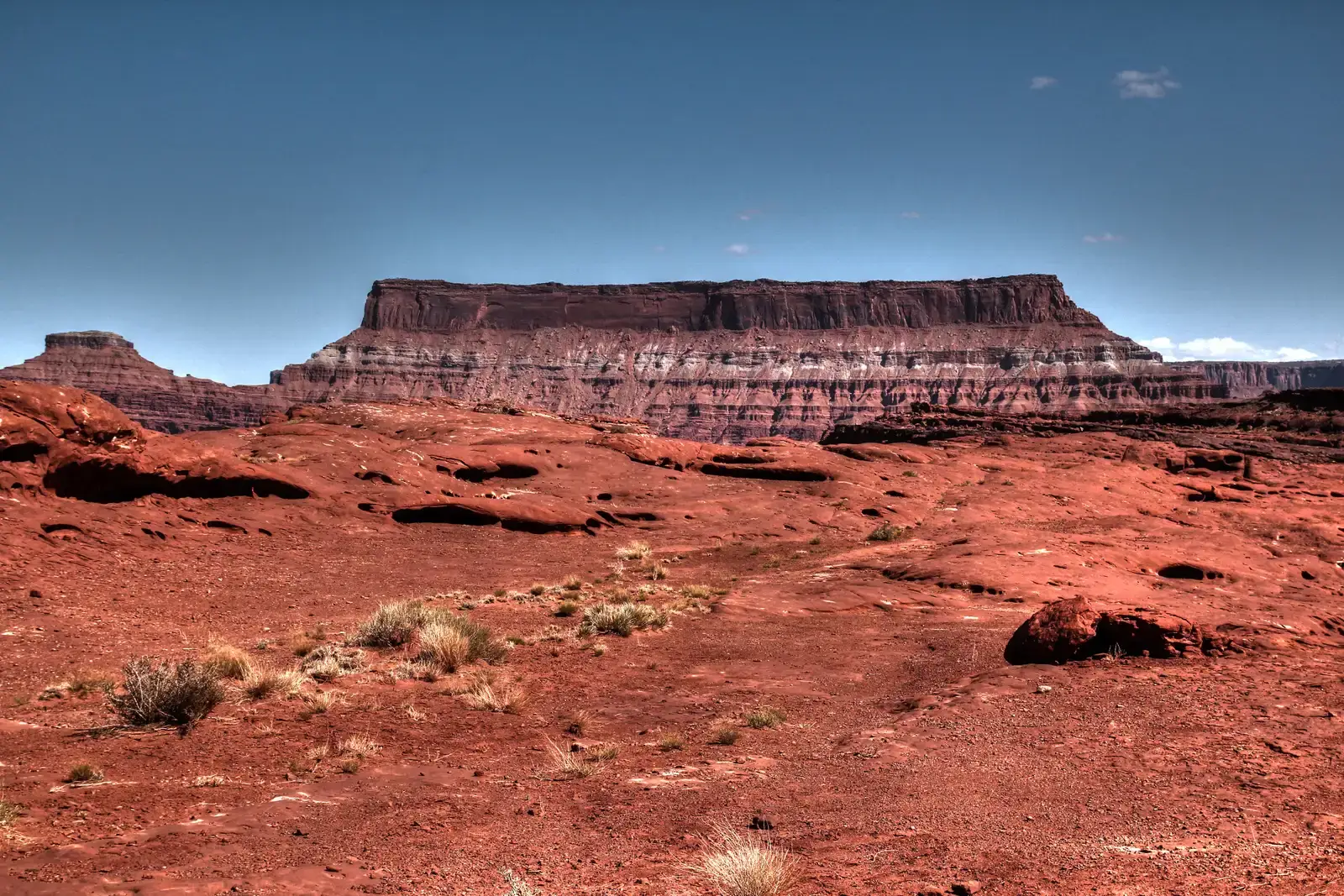
Cheyenne Autumn was Ford’s final western. It tells the story of the Northern Cheyenne’s long, difficult journey home from Oklahoma to their homeland in the north. Ford said he wanted to show Native Americans with more sympathy than his earlier films had.
again provided the scenery, and many Navajo people from the area took part in the production. The casting of non Native actors in major Cheyenne roles is a common criticism today. Even so, the film marks a notable shift in tone for the director.
Once Upon a Time in the West (1968)
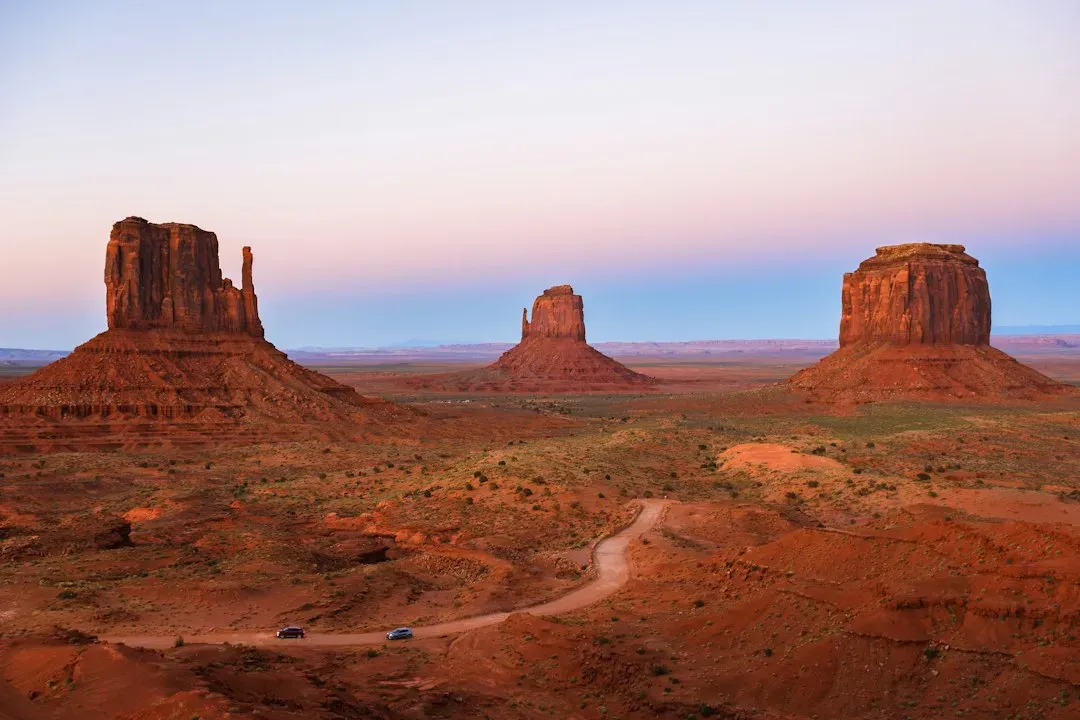
Sergio Leone, the Italian director of the spaghetti western, made a pilgrimage to for this epic. He wanted to film in the place that Ford had made so central to the genre. The cast includes Henry Fonda as a cold blooded villain, a deliberate twist on his heroic image.
Most of the film was shot elsewhere, including Spain and Italy, but the valley appears in a notable scene. It works as a tribute to the older westerns that influenced Leone. The sequence shows how the location had become shorthand for the genre itself.
Back to the Future Part III (1990)
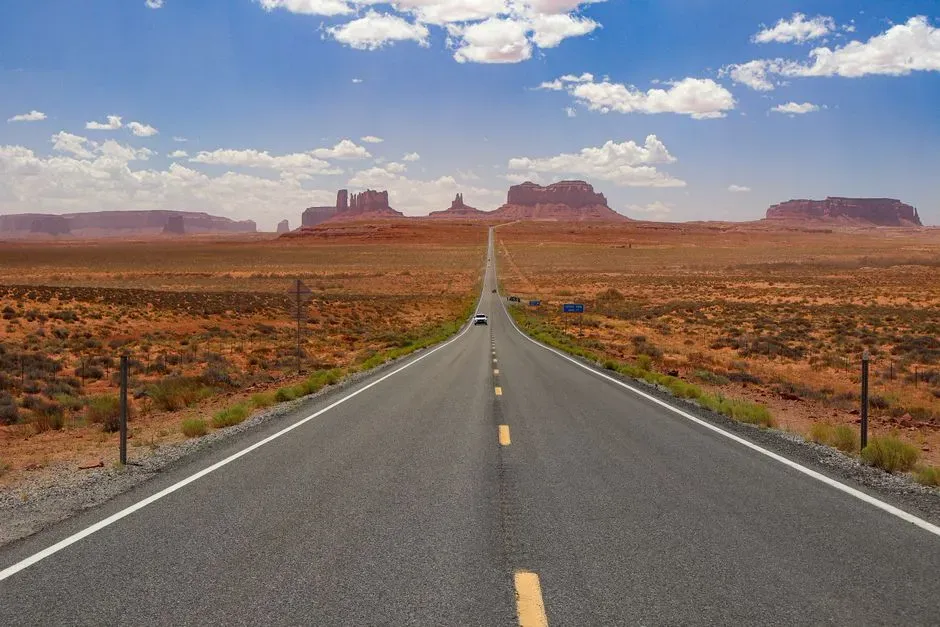
The third Back to the Future film sends Marty McFly to the Old West of 1885. Director Robert Zemeckis chose for some of the western sequences, a nod to the films of Ford. Michael J. Fox and Christopher Lloyd lead the cast.
The valley appears in the scenes that carry the characters across the desert, including the scenes involving the stolen DeLorean and a train. It’s a lighthearted use of a location that had mostly served serious dramas. Audiences who knew the older films could spot the homage right away.
Partner offer
Planning a trip to Vegas?
Compare hotel rates and show tickets on VEGAS.com.