Sports films tend to come with a promise that this really happened. Often it did, at least in outline. The scoreboard stays the same, but the people around it get rearranged.
Screenwriters have two hours to work with, while real seasons run for months or years. So they merge characters, shift dates and sharpen rivalries. The nine films below show how far that process can go.
Rush (2013): A Rivalry Less Hostile Than It Looks

Ron Howard’s film follows the 1976 Formula One season, when James Hunt and Niki Lauda fought for the championship. The central events are real. Lauda crashed badly at the Nürburgring in August, came back at Monza about six weeks later, and then pulled out of the final race in Japan because of heavy rain. Hunt finished third there and won the title by a single point.
Where the film bends things is the tone between the two men. On screen they’re cold opponents who barely tolerate each other. In reality they had known each other from the lower racing categories and, by most accounts, got along well, with a rivalry that stayed on the track.
Moneyball (2011): Real Season, Composite Characters

Moneyball covers the 2002 Oakland Athletics and general manager Billy Beane’s use of statistics to find undervalued players on a small budget. The team’s run of twenty straight wins was real, and it set an American League record. The film also captures the genuine tension between Beane’s analytical approach and traditional scouting.
Several details were adjusted, though. Peter Brand, the economics graduate played by Jonah Hill, is a fictional stand in for Paul DePodesta, who was Beane’s real assistant. Manager Art Howe comes across as obstinate, a portrayal he and others disputed. The film also gives little attention to the Athletics’ strong young pitchers, who were a big part of that team’s success.
Miracle (2004): The Upset Was Real, the Final Was Compressed
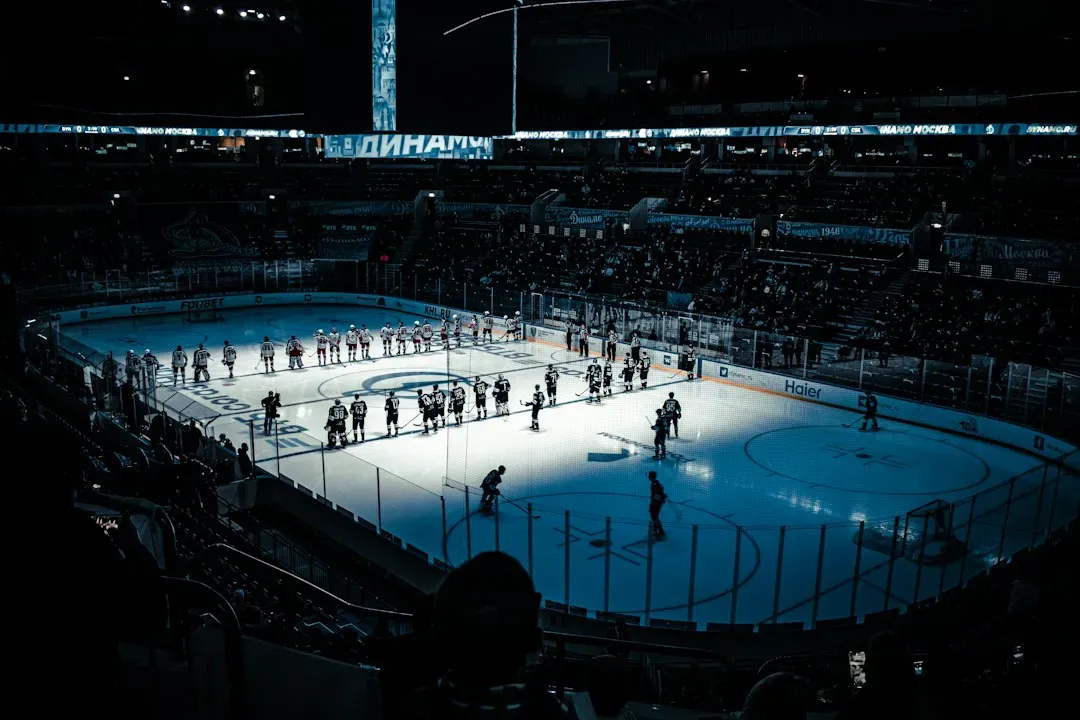
Miracle tells the story of the 1980 United States Olympic hockey team under coach Herb Brooks. Its college age roster really did beat a powerhouse Soviet team 4 to 3 at Lake Placid on February 22, 1980. Brooks was a demanding coach who assembled and pushed the group hard, and Mike Eruzione was indeed the captain.
The film builds its climax around the Soviet game, which makes it feel like the gold medal match. In fact, the Americans still had to beat Finland afterward to claim gold. Many individual scenes and speeches were also dramatized to fit the screen.
Cinderella Man (2005): A Heavyweight Story With a Manufactured Villain

James J. Braddock was a boxer who fell on hard times during the Great Depression, worked on the docks and accepted public relief before returning to the ring. In 1935 he won the world heavyweight title by beating Max Baer. The film gets that arc right, including the financial hardship that shaped his comeback.
Its portrayal of Baer is the main distortion. The movie casts him as a menacing brute, partly because he had killed an opponent in the ring in an earlier fight. Baer’s family objected, saying the real man was more troubled by that death than the film suggests.
Partner offer
Remember the Titans (2000): An Unbeaten Season, Rearranged
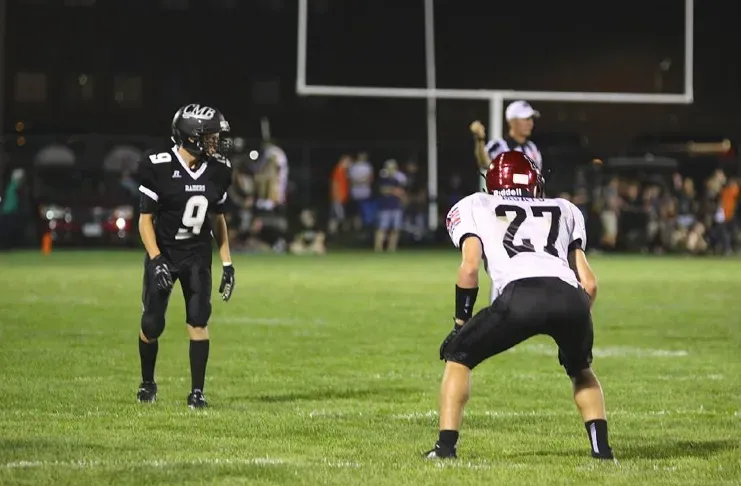
The film is set around T.C. Williams High School in Alexandria, Virginia, in 1971, when the school was racially integrated. Herman Boone became head coach, and Bill Yoast, who had expected the job, stayed on as an assistant. The team finished unbeaten, and the story of its players learning to function together is grounded in real events.
Chronology is where the film takes liberties. Star player Gerry Bertier’s car accident, which left him paralyzed, is placed before the title game for emotional effect, when it happened after the season had ended. Several games and conflicts were also invented or reshuffled to heighten the drama.
Chariots of Fire (1981): Faith, Sundays and a Few Tweaks

Chariots of Fire follows Harold Abrahams and Eric Liddell at the 1924 Paris Olympics. Liddell, a devout Scottish Christian, refused to run on a Sunday and therefore skipped his 100 metre heats. He then won the 400 metres, while Abrahams won the 100 metres with help from his professional coach, Sam Mussabini.
The main change involves timing. In the film, Liddell learns of the Sunday scheduling conflict late, but in reality the schedule was known months in advance. Some supporting characters are also fictionalized, and the famous run around a Cambridge courtyard was loosely drawn from another person’s feat.
I, Tonya (2017): Honest About Being Unreliable

The film revisits Tonya Harding’s career, including her historic triple axel at the 1991 U.S. Championships, where she became the first American woman to land the jump in competition. It also covers the 1994 attack on rival Nancy Kerrigan. Harding later pleaded guilty to conspiracy to hinder prosecution and was banned for life by U.S. Figure Skating.
What sets this one apart is that it admits its own shaky footing. It was built from conflicting interviews, and characters speak straight to the camera to dispute one another. Some scenes, such as a confrontation between the two skaters, were invented, so it works best as a portrait of competing memories.
Ford v Ferrari (2019): Le Mans With a Neater Villain

The film dramatizes Ford’s push to beat Ferrari at the 24 Hours of Le Mans, with designer Carroll Shelby and driver Ken Miles at the center. Ford did finish first, second and third in 1966, and Miles was denied the win after the finish was staged. Because the second place car had started farther back on the grid, it was credited with covering more distance. Miles died in a testing accident a couple of months later.
Dramatic license shows up in the personalities. Ford executive Leo Beebe is made the chief antagonist, which simplifies a more tangled set of corporate pressures. Some races and rivalries were also condensed, and the movie is not a precise record of the program’s multiyear development.
Seabiscuit (2003): Close to the Record, Light on Detail
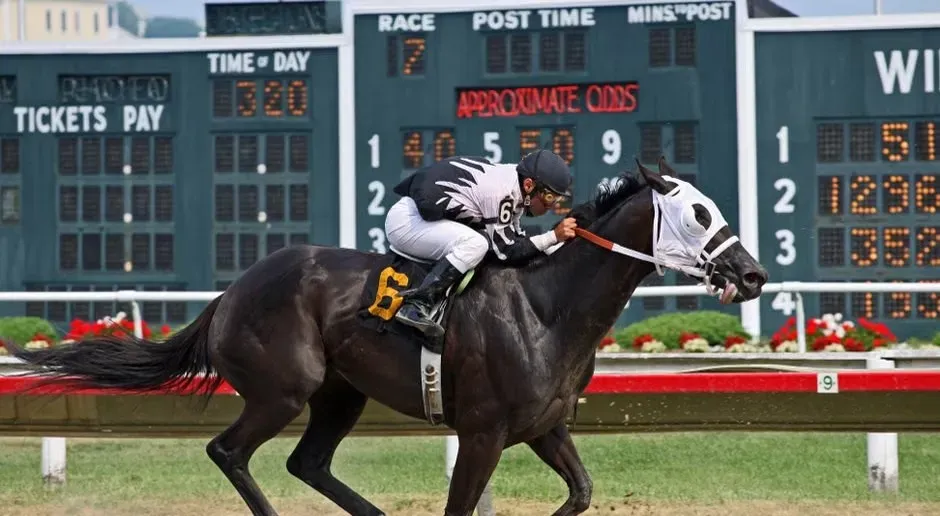
Seabiscuit tells of an undersized racehorse who became a national favorite during the Depression, alongside owner Charles Howard, trainer Tom Smith and jockey Red Pollard. The highlight is the 1938 match race against War Admiral at Pimlico, which Seabiscuit won. Pollard was indeed blind in one eye, and he was injured before that race, so jockey George Woolf rode in his place.
The film is generally regarded as faithful in spirit and in its main beats. It does compress years of races and personal histories into a clean narrative. Readers who want the full picture of the horse and the people around him will find more in the book it was adapted from.
Partner offer
Planning a trip to Vegas?
Compare hotel rates and show tickets on VEGAS.com.