Most films reach audiences looking polished and inevitable, as if every scene was always meant to be exactly where it ended up. The reality of production is often far messier. While audiences see the finished product, they seldom glimpse the chaos, creative pivots, and last-minute decisions that shape what appears on screen. Many beloved films bear little resemblance to what was initially envisioned when cameras first started rolling.
The five films below represent something beyond ordinary production turbulence. Each one changed direction so dramatically that the movie that reached theaters was fundamentally different from what had been planned. In several cases, those unplanned detours were precisely what made the films great.
Apocalypse Now (1979): When the Film Became the War
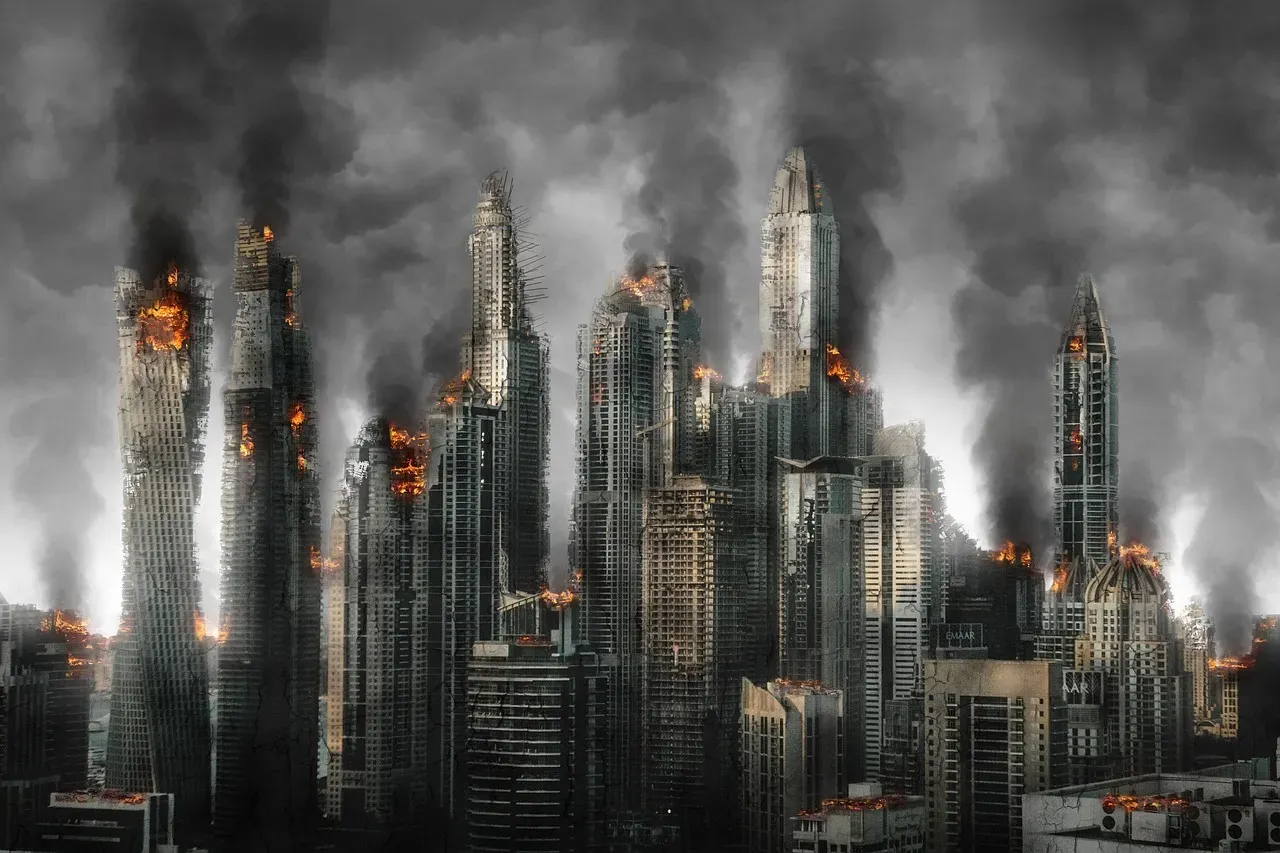
Written by screenwriter John Milius, Apocalypse Now was originally going to be directed by George Lucas, who chose Star Wars instead, leaving Coppola to take over. The film was originally supposed to be shot over five months in 1976, but the production became a disaster. The production famously took 238 days to shoot, coming in far over its initial $12 million budget, which Coppola chose to finance himself after being turned down by every major Hollywood studio.
Coppola recast the role of Willard, bringing in Martin Sheen to replace Harvey Keitel after two weeks of filming, and Brando arrived on set overweight and unprepared for his role as Kurtz. Brando showed up with a shaved head and weighing nearly 300 pounds, opposing Coppola’s vision of the character as a lean and hungry warrior. The legendary actor had not learned his lines or done any preparation for the role, despite demanding a $3 million paycheck, and Coppola had to shut down production for a week to work on the script with him. While the film did have a completed script, the original ending featured a final battle between Kurtz and the Viet Cong, which Coppola saw as nothing but action filler. Even after months of rewriting, he could never settle on one he liked. In part due to the myriad production issues, Coppola shot more than a million feet of film, about 90 times as much as that of a fully edited two-hour movie.
Jaws (1975): A Broken Shark Built the Modern Blockbuster
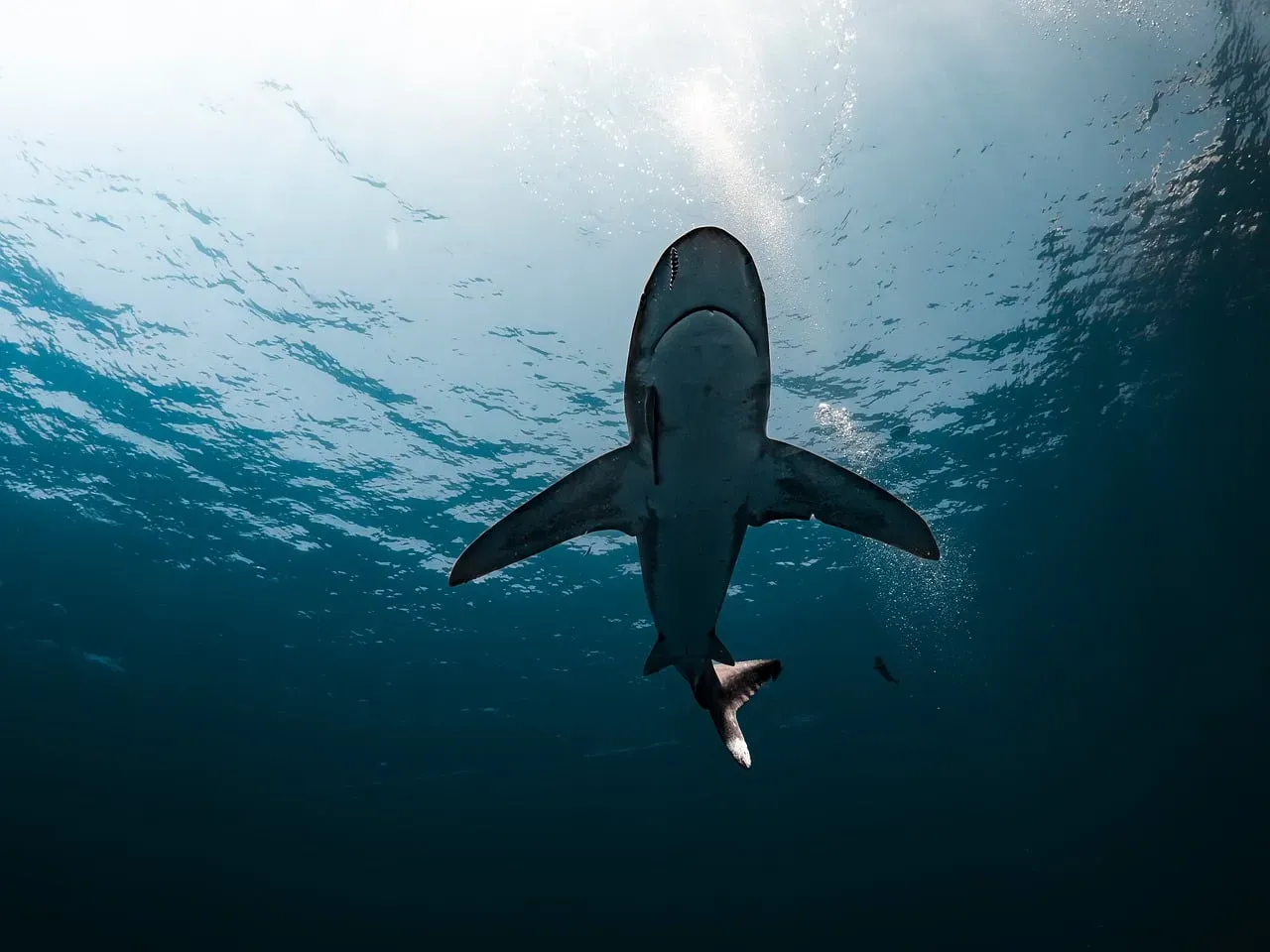
Shot mostly on location at Martha’s Vineyard in Massachusetts from May to October 1974, Jaws was the first major motion picture to be shot on the ocean, and consequently had a troubled production, going over budget and schedule. The production team nicknamed the mechanical shark “Bruce” after Spielberg’s lawyer, but the expensive prop turned into a nightmare. Saltwater corroded its pneumatic parts, causing constant malfunctions that forced Spielberg to reimagine how to create terror without showing the shark. This limitation accidentally created the film’s signature suspense technique of hiding the predator for most of the movie.
Producer David Brown said that the budget “was $4 million and the picture wound up costing $9 million,” with the effects outlays alone growing to $3 million due to the problems with the mechanical sharks. Spielberg was forced to reimagine the film, pivoting to a strategy of suggesting the shark’s presence rather than showing it, using music, floating barrels, and point-of-view shots. This constraint inadvertently created the suspenseful atmosphere that made the film a masterpiece. The film not only broke box office records after its release but also changed the way Hollywood marketed and distributed films, especially those released during the summer.
Back to the Future (1985): The Wrong Actor, the Right Movie
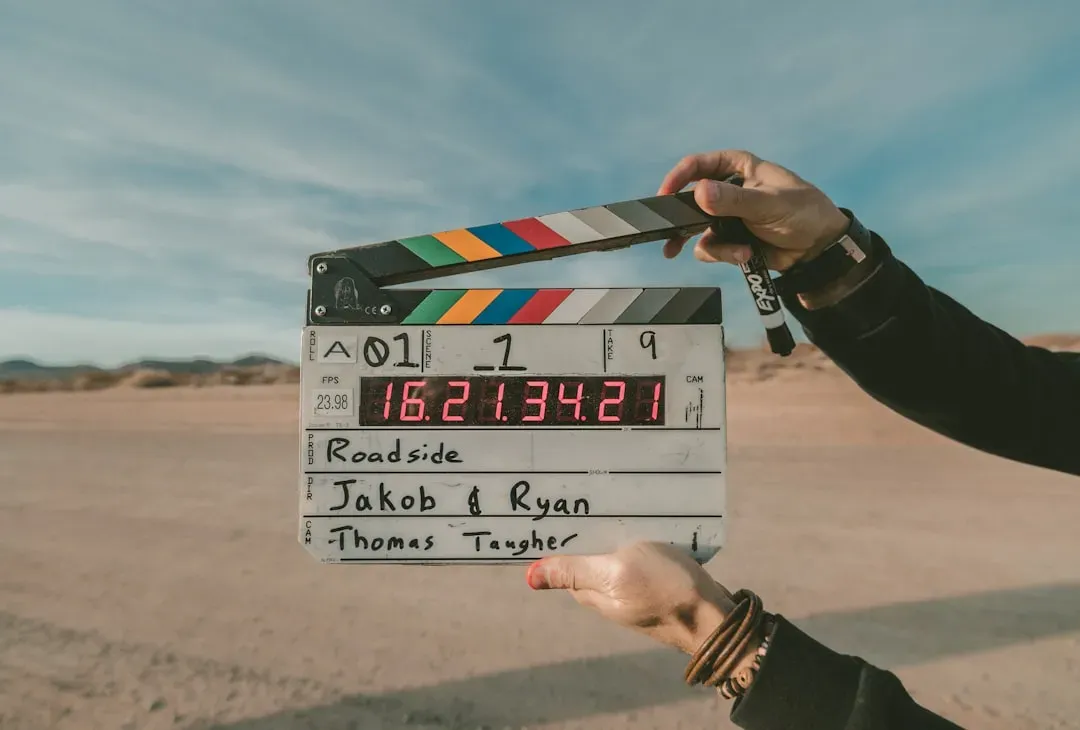
Michael J. Fox was the first option to play Marty McFly, but at the time he starred in the sitcom Family Ties. Steven Spielberg asked the show’s producer to have Fox read the script, but fearing that his absence would damage the show’s success, he didn’t give him the script. After many other actors were considered for the role, Eric Stoltz was ultimately cast. After cameras rolled, it quickly became clear that there was something off about Stoltz in the lead role. He was a committed method actor, which came with eccentricities like refusing to answer to anything but his character’s name. This approach was pretty intense, which didn’t suit the role of a slacker teenager who’s always late for school and loves playing rock guitar.
Partner offer
After a month of shooting, Robert Zemeckis, Bob Gale, and the other producers reviewed the footage and agreed that Eric Stoltz wasn’t right for the role, lacking the comedic energy they wanted. Sid Sheinberg agreed to let them pursue their original choice, Michael J. Fox, and they managed to come to an agreement with the producer of Family Ties, who would let his star sign on as long as the show remained his number one priority. The production eventually reached an agreement that allowed Fox to film the movie at night while working on his show during the day. Nearly all of the footage featuring Stoltz had to be discarded and reshot with Fox. This shift provided the kinetic energy that helped Back to the Future become a massive box-office success.
Rogue One: A Star Wars Story (2016): Rebuilding the Ending Five Months Out
In June of 2016, just a few months ahead of its December release, Rogue One earned reshoots that were largely helmed by Tony Gilroy, which were significant enough to score him a writing credit on the adventure. Lucasfilm brought in Gilroy to rewrite and direct substantial reshoots of Rogue One, a move that happened only five to six months before the movie was released. The first Star Wars standalone film underwent extensive reshoots that changed approximately 60% of the movie. The original cut reportedly featured a much different tone and ending where more characters potentially survived. Disney brought in Gilroy to rewrite and help direct new sequences, creating a darker, more sacrificial finale that better connected to the original Star Wars film.
Rogue One famously brought in Michael Clayton writer-director Tony Gilroy to oversee script rewrites and production reshoots when Lucasfilm became unhappy with director Gareth Edwards’ first cut. Rogue One was released in December 2016 and earned over $530 million in the U.S. and over $1 billion worldwide. The film’s grim, sacrifice-driven conclusion became one of the most talked-about endings in franchise cinema, a tone that almost certainly would not have existed in its original form. The chaos behind the scenes produced something that felt genuinely different from everything else in the Star Wars universe.
Solo: A Star Wars Story (2018): A Director Swap with 80% of the Film Already Shot
Phil Lord and Christopher Miller were let go by Lucasfilm from directing the Star Wars spinoff centered on Han Solo. Sources report that the style and vision of Lord and Miller clashed with that of Lawrence Kasdan, the legendary screenwriter behind The Empire Strikes Back, who also wrote the script for the Han Solo film. Lord and Miller had a comedic sensibility and improvisational style while Kasdan favored strict adherence to the written word. Up until June 2017, Lord and Miller were directors of the project. They were fired by Lucasfilm over 80% of the way through filming and replaced a month later by Ron Howard, who restarted production in July and continued through to October.
The story is more complicated with Solo thanks to Howard not only taking over when his predecessors were 80% of the way through and extending production, but with estimates of the amount of the finished film he shot going as high as 70%. This means that the lion’s share of Solo: A Star Wars Story was shot by Ron Howard, and he wasn’t changing story as much as tone. With the reshoots, the movie wound up costing more than $250 million. Solo remains a striking case study in how much a film’s identity can be reshaped even when most of the footage already exists. Tone, it turns out, can be rebuilt from scratch – it just costs a great deal of money and nerve to do it.
What these five productions share is a kind of creative stubbornness: the refusal to accept what was already filmed as the final answer. Sometimes that stubbornness came from a malfunctioning prop, sometimes from a miscast lead, sometimes from a studio unwilling to accept the footage delivered. Not all of these films suffered for their detours. A few are among the most famous and most respected works in the history of cinema. The disruption, it seems, was often the making of them.
Partner offer
Planning a trip to Vegas?
Compare hotel rates and show tickets on VEGAS.com.