Hollywood casting decisions often look inevitable in hindsight. Once a performance becomes iconic, it’s easy to forget how close things came to going a completely different direction. Behind some of cinema’s most memorable roles sit stories of nervous producers, skeptical executives, and actors who had to fight, negotiate, or simply wait out the doubt to keep the parts that would define their careers.
Al Pacino nearly lost Michael Corleone in The Godfather
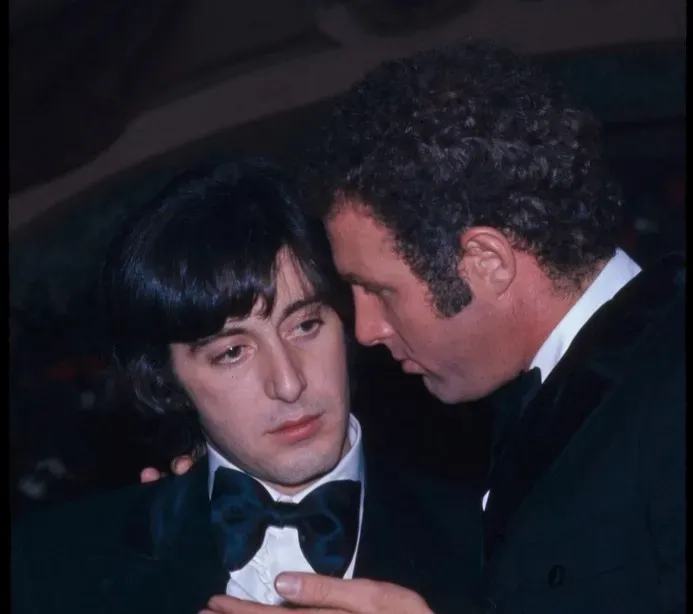
Few performances feel more inevitable today than Al Pacino’s quiet, coiled portrayal of Michael Corleone. Yet during the first weeks of shooting The Godfather in 1971, Paramount executives were seriously considering pulling him from the film. Al Pacino was almost fired from his iconic role as Michael Corleone in The Godfather, and he came close to losing that major gig in the 1972 movie.
The issue wasn’t a lack of talent, it was a mismatch between Pacino’s subdued early scenes and what studio executives expected from a leading man. According to Pacino, the studio wanted to fire him during the first couple of weeks of shooting because executives kept watching the dailies and questioning what he was doing with the role. Director Francis Ford Coppola stood firmly behind his casting choice, and that support turned out to be the difference. Pacino later credited Coppola’s support during that uncertain period, saying that without it he might have simply walked away from the production rather than stay somewhere he felt unwanted, though he ultimately chose to stick it out.
Sylvester Stallone fought to stay attached to Rocky
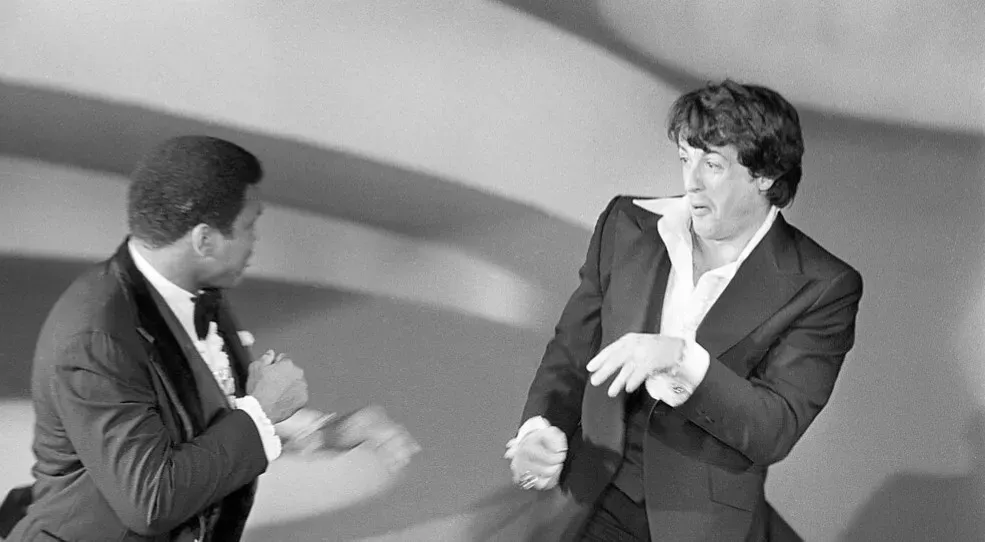
Stallone’s situation with Rocky was different from a mid-shoot crisis, but it was arguably even more precarious. Before a single frame was shot, United Artists wanted nothing to do with an unknown actor leading their boxing picture. The studio envisioned a two million dollar budget and desired renowned actors like Robert Redford, Ryan O’Neal, Burt Reynolds, Nick Nolte, and James Caan to be part of the project.
Stallone had written the script himself and refused to sell it unless he could star, even while facing genuine financial desperation. He was offered as much as two hundred sixty five thousand dollars for the script, but despite facing financial ruin, Stallone refused the offer because the studio wouldn’t agree to cast him in the lead role. The gamble paid off, though it took real conviction to see it through. As Stallone later put it on The Late Show, the studio essentially told him it would happen “over our dead body,” since executives at the time favored energetic young stars like James Caan, Burt Reynolds, and Ryan O’Neal.
Partner offer
Christian Bale almost handed Patrick Bateman to Leonardo DiCaprio
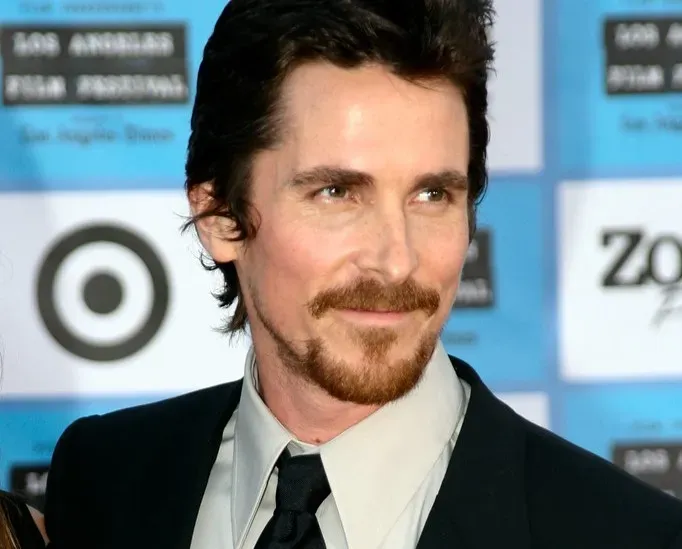
American Psycho is now inseparable from Christian Bale’s chillingly precise performance, but for a stretch of pre-production, the role legally belonged to someone else entirely. Lionsgate surprised director Mary Harron by announcing at the 1998 Cannes Film Festival that Leonardo DiCaprio, fresh off Titanic, would play the lead, and when Harron disagreed with the choice, she was let go, with Oliver Stone taking over. Bale was effectively pushed out of a project he had already committed himself to.
What saved his casting wasn’t a change of heart from the studio, it was a falling out between DiCaprio and his newly attached director. Bale suddenly found himself out of a job while the studio tried to take the film in a new direction, but then DiCaprio dropped out, reportedly over creative differences with Stone, and Stone left soon after. Bale had never stopped preparing for the role during the uncertainty, and once the project stalled, Lionsgate decided to bring Harron back, and with her, Christian Bale. Harron herself later confirmed the reasoning behind her original resistance to DiCaprio, noting that she felt casting someone with a fanbase of young Titanic viewers as Patrick Bateman would have been intolerable for those audiences.
Tobey Maguire risked his grip on Spider-Man 2
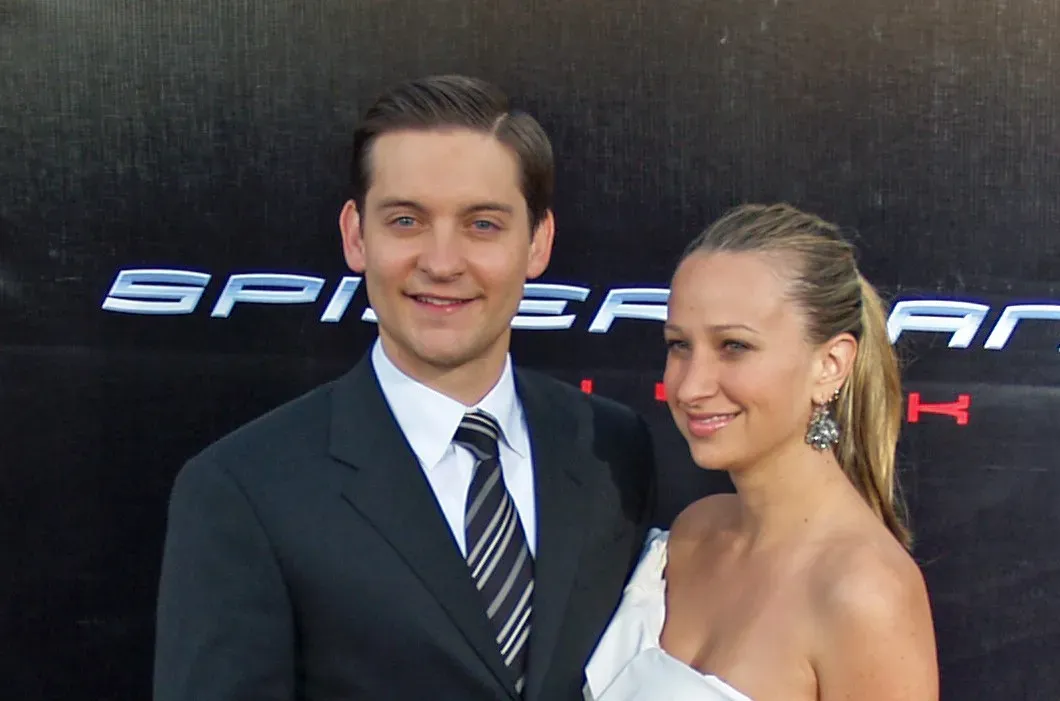
After the massive success of the first Spider-Man film, Tobey Maguire seemed like a lock to return. A back injury, combined with contract renegotiations, put that assumption in serious doubt. Maguire had signed a three picture deal to portray Peter Parker, but after suffering serious back injuries during the filming of Seabiscuit in 2002, there was genuine concern that he wouldn’t be physically capable of being strapped into a wire rig and thrown around the Spider-Man 2 set.
Sony did not wait quietly to see how things would resolve themselves. The studio began to panic and lined up Jake Gyllenhaal as a replacement, impressed by the rising star’s performances in films like Donnie Darko and Moonlight Mile. Some reports at the time suggested the injury concerns were tangled up with salary negotiations, adding another layer of tension to the standoff. Many insiders believed Maguire was playing hardball with the studio to secure a better contract. In the end, Maguire cleared medical concerns, kept the role, and went on to anchor the trilogy that helped define the modern superhero genre.
Partner offer
Planning a trip to Vegas?
Compare hotel rates and show tickets on VEGAS.com.