Music has always been a conversation between generations. Every era adds its own vocabulary, its own rituals, its own unspoken rules about how a serious artist behaves. Some of those rituals stick for decades. Others quietly become obsolete the moment technology or culture moves on.
What’s fascinating is that many veteran singers still carry habits shaped by a world without social media, streaming algorithms, or TikTok content cycles. These aren’t character flaws. They’re the fingerprints of a different era. Younger artists notice them, raise an eyebrow, and quietly move on to doing things their own way.
1. Treating the Album as a Sacred, Indivisible Object
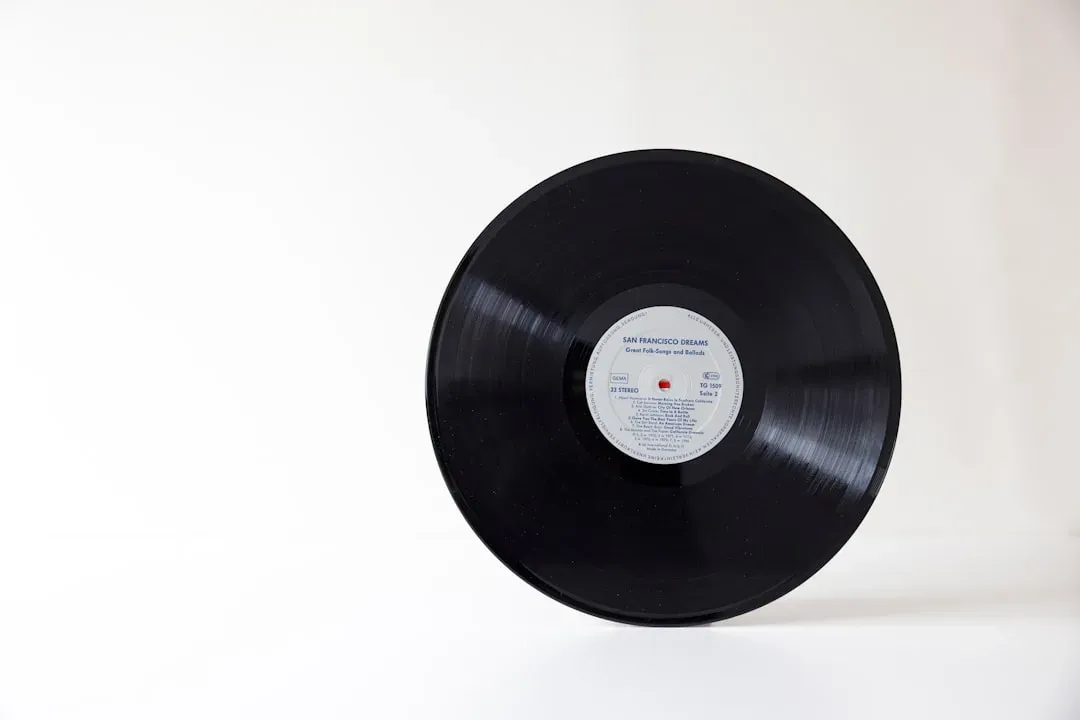
For older singers, the album has always been the unit. Not the single, not the EP, not the playlist placement. The album. Veterans from the classic rock and soul era learned their craft in a world where an LP was the definitive artistic statement, and many still plan, sequence, and present their work that way.
For artists today, the shift toward streaming and playlists has forced a reevaluation of release strategies. Singles and EPs have gained real prominence, allowing artists to maintain a consistent presence in playlists and keep listeners engaged in a way that a once-a-year album simply cannot. Younger artists treat the single as the fundamental building block. Older singers still treat it as a compromise.
2. Relying on a Record Label as a Long-Term Career Partner
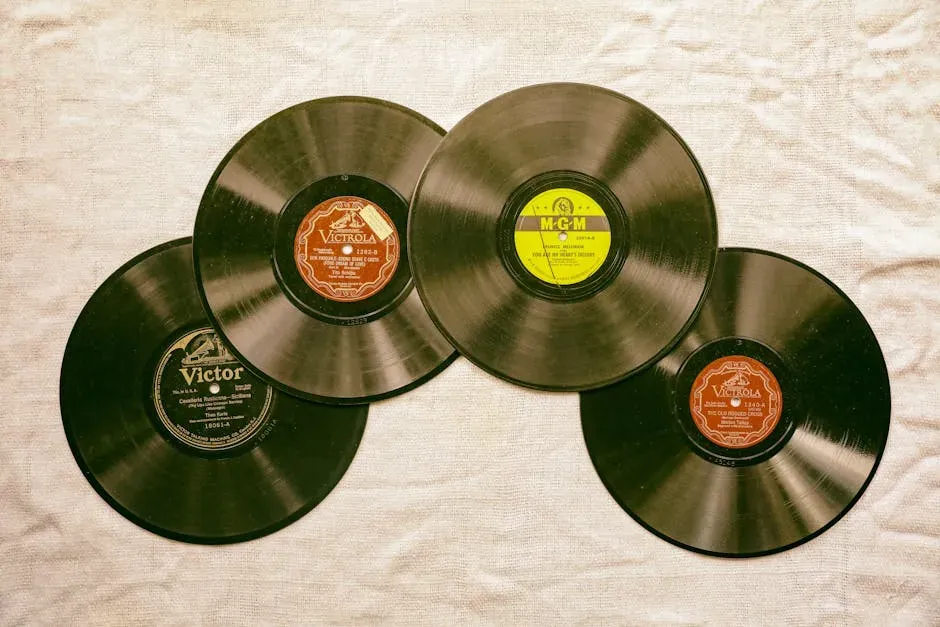
The veteran instinct is to find a label, build a relationship, and let the machine do the heavy lifting. For singers who came up in the 1970s and 1980s, a major label deal was the legitimate path. It offered marketing, distribution, tour support, and the sense of institutional backing that felt permanent.
Labels now work very differently. There’s no traditional artist development, and they’re not going to find someone at a small venue playing to twenty people and sign them. If they do discover an artist, it’ll likely be because that artist already has millions of views on a platform like TikTok. Younger artists have largely internalized this reality. Many older singers, even those who’ve been burned by label politics, still trust the system more than they probably should.
3. Avoiding Social Media or Treating It as Beneath Them

There’s a distinct generation of veteran singers who view social media with visible discomfort, if not outright contempt. The logic, when they articulate it, usually involves protecting mystery, preserving artistic distance, or simply not wanting to turn a career into a content factory.
Even in recent years, there are still musicians who won’t embrace social media. Understanding it matters, because it’s now the tool for reaching audiences. It functions simultaneously as radio, press, discovery, touring, branding, fan club, and industry networking, all at once. Younger artists grew up knowing this. For many older singers, accepting it still feels like surrendering something.
4. Digging Through Physical Media to Discover Music
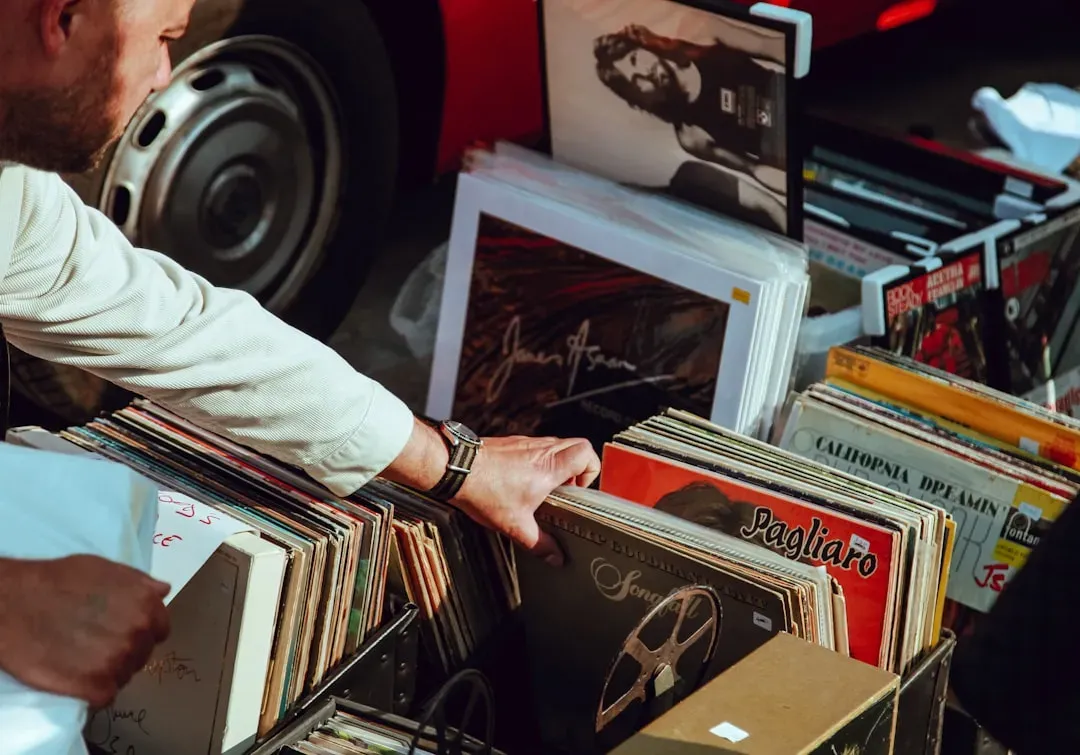
Ask a veteran singer how they first heard a song that changed their life, and there’s a good chance the story involves a record shop, a friend’s crate, or late-night radio. That hunt was part of the experience. Past generations might have scoured liner notes, tuned into radio countdowns, or dug through record store bins to find music they loved. That tactile process shaped how they think about curation and discovery.
Gen Z’s discovery process is more passive and algorithm-driven, signaling a real shift in how music reaches younger audiences. While past generations actively sought music out, Gen Z expects it to find them, via social feeds, gaming soundtracks, and AI-curated playlists. They’re simply accustomed to technology-assisted curation. The effort older singers once put into finding music, younger artists now put into being findable.
5. Insisting on Long, Dense Concert Setlists

Veteran performers tend to think of live shows as events with weight and duration. A two-hour set covering thirty songs across multiple decades of catalog is not unusual for a singer like Bruce Springsteen or Elton John. That tradition comes from a culture where concerts were rare, expensive experiences that needed to justify themselves thoroughly.
Live performances still reward deep-cut fans, but the streaming age has conditioned audiences to expect hit-heavy setlists. There’s still some appetite for full-album performances or thematic shows that showcase an artist’s catalog in a way playlists simply cannot. Younger artists, many of whom have built their following on a handful of viral songs, tend to play tighter, more focused shows. An older singer’s instinct to play everything sometimes reads, to a newer generation, as not knowing what to cut.
Partner offer
6. Obsessing Over Analog Sound Quality and Vinyl
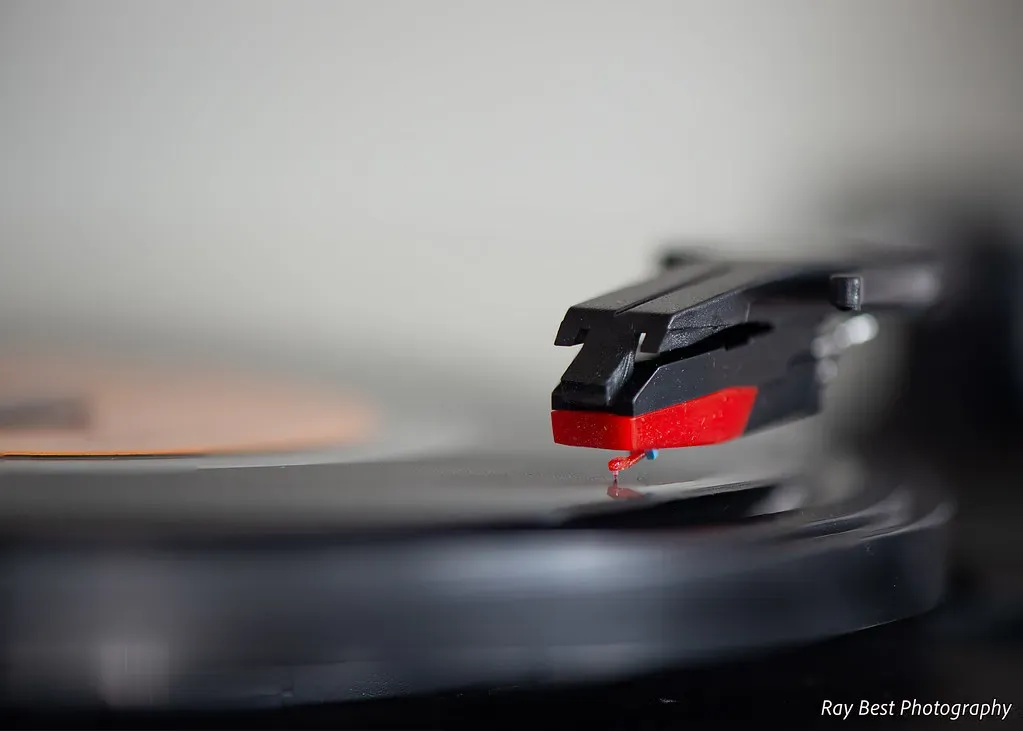
The commitment to analog warmth, tube amplifiers, tape recording, and vinyl pressing is one of the clearest generational markers in music. Older singers often have deeply held views about the superiority of analog signal chains, and they’ll make studio decisions based on those views even when the practical audience for the result is small.
Vinyl has become a symbol of musical nostalgia, attracting dedicated collectors and new listeners who appreciate the analog warmth and tactile experience. Sales have continued to climb despite predictions that digital formats would make physical media obsolete. For many, vinyl records represent a more intimate connection to music, something the intangible nature of streaming cannot provide. Still, younger artists who’ve grown up on compressed audio and laptop speakers often find the analog obsession a bit precious. They care about sound, just not necessarily in the same vocabulary.
7. Spending Weeks in a Traditional Recording Studio

The idea of booking a proper residential studio for three to six weeks, working with a full band and an experienced producer, is deeply ingrained in how veteran singers approach recording. That process produced landmark albums and many of them will defend it passionately. It’s also enormously expensive and, by the logic of the streaming economy, increasingly hard to justify financially.
Much top streaming content today is made using a method called “toplining,” where songs are written over pre-made beats purchased online. Modern technology has simply made songwriting and production faster and more accessible for artists than ever before. Younger artists routinely make professional-sounding releases from bedrooms and small home studios. The studio as sanctuary is still real for veteran singers. For many younger artists, it’s an option rather than the default.
8. Prioritizing Lyrical Complexity and Narrative Depth

Veteran singers who came of age with artists like Joni Mitchell, Bob Dylan, Leonard Cohen, or Stevie Wonder tend to have strong instincts about lyrical craft. Verses should develop. Imagery should carry weight. A song should mean something when you sit down and read the words without music underneath them. That’s not a modest standard.
According to reporting by Consequence of Sound, since 2005, the most popular artists in pop and hip-hop have dropped an entire grade level in terms of lyrical complexity based on reading comprehension measures. Younger artists often prioritize mood, texture, and sonic identity over traditional verse-structure lyricism. That’s a genuine aesthetic difference, not simply a decline in effort, though older singers frequently struggle to see it that way.
9. Expecting Music to Command Undivided Attention

There’s a quiet frustration many veteran singers share: the feeling that listeners no longer actually listen. The expectation that shaped their whole relationship with music was that you put on a record, you sat with it, and it had your full attention. The experience was deliberate. Music was a strong marker of identity, and how we engaged with it carried real personal meaning.
Younger listeners reflect a new era where music is simply one of many forms of content competing for their time. It plays during workouts, commutes, gaming sessions, and background cooking. Music has never been more accessible, but it’s also never been more disposable. Playlists introduce listeners to new artists faster than ever before, but they rarely encourage deep engagement beyond a single hit. That tension is real, and older singers feel it sharply.
10. Guarding Songwriting Credits and Publishing Fiercely
Veteran singers who watched colleagues lose publishing rights in the 1960s, 1970s, and 1980s developed an almost instinctive protectiveness around their catalog. Stories about artists signing away lifetime royalties for short-term advances are common in music history, and the lessons left a mark. Many older singers negotiate publishing with the kind of intensity that younger collaborators find exhausting.
Investment firms and music industry stakeholders are increasingly purchasing catalogs of old music, seeing them as stable investments. This trend can divert attention and resources away from nurturing new talent. Younger artists, who increasingly co-write with producers, split credits more loosely, and often see collaboration as fluid rather than territorial, sometimes find the old-school publishing vigilance hard to relate to. The instinct is understandable given history. The intensity can feel mismatched to the modern moment.
11. Measuring Success by Album Sales and Chart Positions
For singers who came up before streaming, chart positions and certified album sales were the scoreboard. Going gold, going platinum, debuting at number one on the Billboard 200: these were markers that the industry, the press, and the public all understood. They still mean something to veterans in a way that feels almost emotional.
In 2022, streaming accounted for roughly 84 percent of the U.S. music industry’s total revenue, while physical formats made up only about 11 percent. What’s clear is that music discovery in 2025 looks very different from any era before it. Younger artists think in streams, playlist adds, monthly listeners, and TikTok sounds. The metrics are different, and so is the emotional weight attached to them. A veteran singer hitting number one on a streaming chart often still glances, instinctively, to see what the physical sales figure looks like.
The gap between these generations isn’t really about talent or dedication. It’s about the world each group was trained by. Veteran singers internalized habits when those habits were genuinely the best available tools. Many still work remarkably well. Some have simply outlived the conditions that made them essential. What’s worth keeping in mind is that both sides of this divide are still making music, still finding audiences, and still surprising people.Partner offer
Planning a trip to Vegas?
Compare hotel rates and show tickets on VEGAS.com.