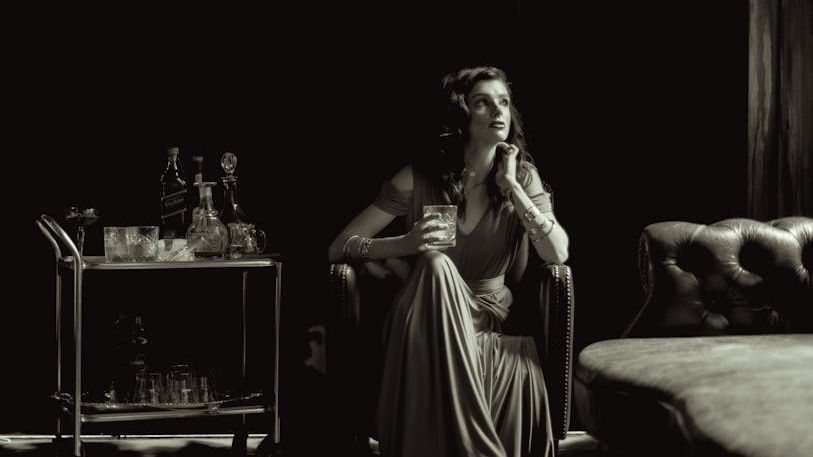
The Golden Age of Hollywood has a reputation for glamour, but peel back the velvet curtain and things get complicated fast. Between the carefully staged publicity shots and the gleaming premieres, life on a classic film set operated by a completely different set of rules – ones that most actors working today would find either jaw-dropping or genuinely troubling.
Some of these habits were cultural norms of the time. Others were symptoms of a power structure that treated performers more like property than people. Either way, looking back at how studios and their stars actually behaved makes modern Hollywood’s carefully managed sets look almost unrecognizable by comparison.
1. Drinking Heavily During Production – Often Right on Set
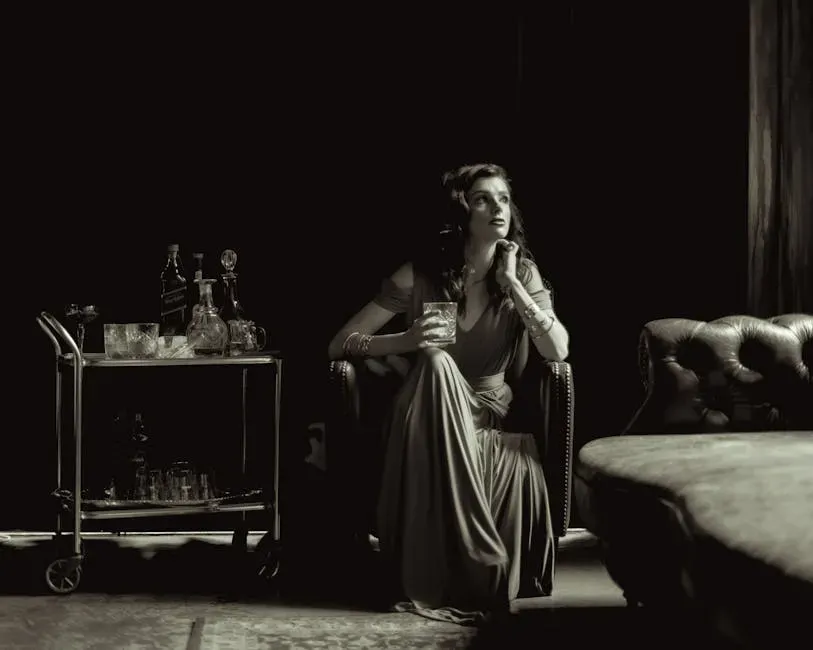
The taps flowed a bit more freely in the halcyon days of Hollywood – before all the drunken accidents, before Errol Flynn got the Warner Bros. studio lot bar shut down, and before people realized all the terrible things alcohol could do to their bodies and lives. Drinking wasn’t a scandal so much as a backdrop, woven into the culture of studio life the way craft services tables are today.
One of the most famous examples belongs to W.C. Fields. The classic W.C. Fields drinking story is that while on set he carried a vacuum flask filled with gin martinis that he would refer to as his “lemonade.” Spencer Tracy had a darker relationship with alcohol: the two-time Oscar-winner was known for being mean and violent when he was under the influence – and he was under the influence a lot. Tracy was frequently involved in bar fights, often ended up in police custody, and even once woke up in a padded cell in a Chicago asylum. A younger generation of actors today, governed by intimacy coordinators and on-set wellness guidelines, would have a hard time imagining any of this being tolerated, let alone overlooked.
2. Smoking Freely – Everywhere, All the Time

Back in the Golden Age of Hollywood, the elite were so often seen with cigarettes, cigars, and pipes that they almost seemed like extensions of their bodies – which was no accident. Back then smoking was viewed as a status symbol, and tobacco brands often sponsored film studios. Lighting up between takes, in trailers, in makeup chairs, and even during script readings was simply unremarkable.
Films of Hollywood’s Golden Age were monitored by a Production Code much more stringent than today’s MPAA Rating System, and yet almost any film from the so-called Classic Period will feature ubiquitous cigarette smoking and alcohol drinking. An evolution has taken place across the years: since 1970, there has been a significant decrease in films with smoking-related tags, with the percentage of movies depicting smoking declining sharply, plunging from about 28% to less than 10%. Today, actors now use herbal, smoke- and nicotine-free cigarettes in films, and even those actors who are smokers mostly don’t want to be puffing on real ones for 30 takes at a time.
3. Signing Away Their Identity Through Ironclad Studio Contracts

The polished veneer of Old Hollywood aesthetics was manufactured through the studio system, a rigid industrial structure that treated performers as tangible assets rather than independent artists. This era was defined by the “option contract,” a legal instrument that allowed studios to renew or drop an actor every six months while preventing the actor from seeking work elsewhere. Think about what that means in practical terms: a performer had almost no ability to say no, change direction, or simply walk away.
The star system in Hollywood meant the actors who signed these binding contracts were molded into an idealized personality that studios made for them. Changing their lives forever, they would be taken under the wing of the studio crew to be transformed into true celebrities. Studios believed that a catchy, memorable name could enhance a star’s marketability, and many actors had to relinquish their given names for ones that fit a more glamorous persona – a practice that sometimes led to a disconnect between the star’s public image and personal identity. Modern actors negotiate everything from script approval to social media terms. The idea of surrendering your own name would be unthinkable now.
4. Tolerating Grueling Schedules With No Legal Protections
Hollywood’s Golden Age was marked by long workdays, often stretching well beyond the standard eight hours. Contracts didn’t always specify limits on working hours, leading to grueling schedules for actors. This demanding workload was a testament to the fast-paced nature of the industry, with studios eager to maximize productivity. There was no union language strong enough to enforce rest, and complaining was rarely a viable option.
Partner offer
The glitz and glamour that popular magazines of the day depicted didn’t reflect the reality behind the scenes, as studio contracts heavily restricted their stars’ personal and professional lives. For example, Warner Bros. suspended “Gone With the Wind” star Olivia de Havilland several times and added an additional six months to her seven-year contract as a penalty for turning down roles that the actor said were “unsuited to her ability.” The relentless pace took a toll on the physical and mental health of many actors. Today’s productions operate under SAG-AFTRA guidelines specifying mandatory turnaround times, meal breaks, and rest periods – protections that Golden Age stars never had.
5. Having Their Bodies and Personal Lives Managed by the Studio
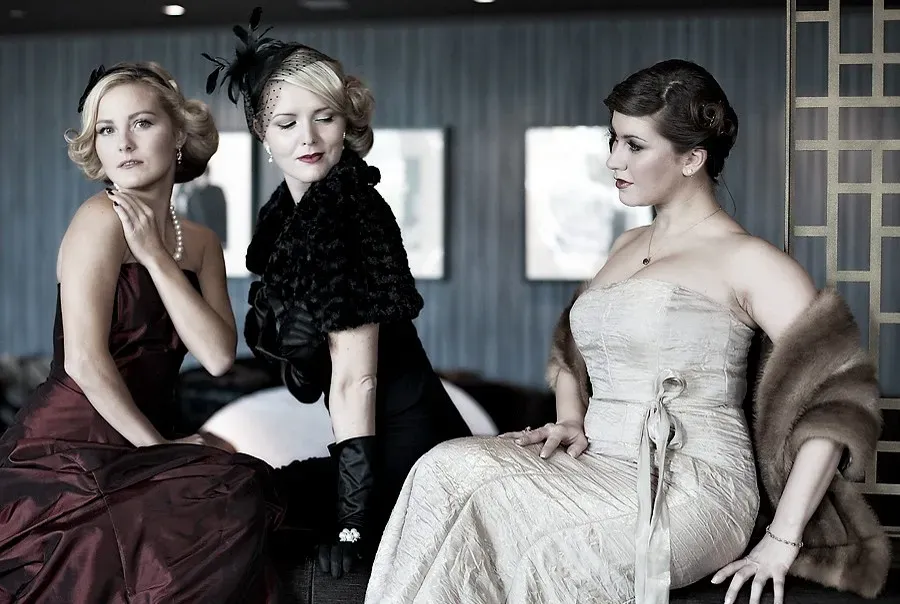
Studios frequently mandated cosmetic surgeries, dictated weight loss regimens, and even orchestrated personal relationships to ensure a star’s private life mirrored their manufactured on-screen persona. This wasn’t a fringe practice – it was industry standard. It was not uncommon for contracts for actresses to have mandatory weight limits written into them. Greta Garbo and Marlene Dietrich were both told to lose weight when they first arrived in Hollywood, and strict diets were often implemented to help stars shed weight, including broth, cottage cheese, and toast.
Contracts for studio stars aimed to control not only the actors’ careers but also their private lives away from the confines of the studio. Studio contracts included strict morality clauses as well, and MGM’s contract included language that a star could not “do or commit any act or thing that will degrade her in society.” The notion of a studio today dictating an actor’s diet, surgical choices, or romantic life would cause immediate legal action and very public outrage.
6. Accepting No Artistic Control Over Their Own Roles

During Hollywood’s Golden Age, movie stars had little to no say about which roles they accepted. They were essentially locked into movies produced by the studio. For example, under their contract with Paramount Pictures, which lasted from 1929 to 1933, the Marx Brothers only appeared in movies made by that studio. Turning down a project wasn’t a negotiation – it was a fight with serious professional consequences.
If stars reached the heights, the payoff was high and work was almost guaranteed, but artistic control was completely surrendered. The studio decided which roles had the most potential for profit and exposure, and typecasting was a frequent dispute. As punishment for too much contention, the studios would lend actors out to second-rate studios and lesser productions. Eventually, after Marilyn Monroe pushed back and demanded new contract terms including the freedom to choose filmmakers, more and more actors started negotiating their contracts to gain more creative control – eventually leading to the dissolution of the studio system.
7. Living Through the Studio “Fixer” System – Scandals Buried, Not Addressed

During that glamorous and often inebriated time, the studios’ contract players were given free rein to do basically whatever they wanted – as long as it could be quietly swept under the rug by a studio fixer. This was an organized, well-resourced system of concealment. Scandals that would end a career today – or land someone in a courtroom – were quietly managed by studio publicists and compliant press contacts.
Studios went as far as fabricating false backstories and romances between celebrities to cause public frenzy. Using the paparazzi to their advantage, the gossip became an instant source of free advertising for certain films. If violations of morality clauses occurred, studios infused hush money or doled out exclusives to the papers in question. In the era of social media, instant reporting, and industry accountability movements, the idea of a studio quietly paying off a scandal and rerouting press attention feels almost impossible to imagine – and rightly so.
The Golden Age of Hollywood produced some of the most enduring films ever made, and its stars remain genuine icons. Still, the conditions beneath that polished surface were often far from glamorous. What reads today as shocking behavior was frequently the product of a system that had normalized those conditions for decades. The gap between then and now isn’t just stylistic – it reflects a fundamental shift in how the industry thinks about the people who make it run.
Partner offer
Planning a trip to Vegas?
Compare hotel rates and show tickets on VEGAS.com.