Screenwriters plan for a lot of things, but audience affection is not always one of them. Sometimes a villain, a side character, or a morally shaky antihero gets written as a warning sign or a punchline, and instead becomes the person everyone quotes at parties. The gap between intention and reception says a lot about how unpredictable storytelling really is.
What follows are eleven characters who slipped past their intended roles and won over audiences anyway, sometimes to the visible discomfort of the people who created them.
1. Hans Gruber, Die Hard
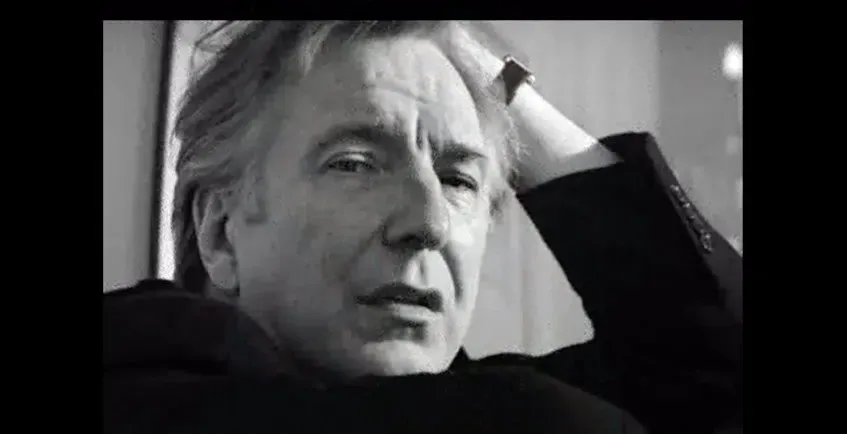
Alan Rickman’s Hans Gruber was written as a ruthless thief hiding behind a terrorist facade, a character meant to be coldly menacing and nothing more. Instead, his dry wit, tailored suits, and theatrical composure turned him into one of the most beloved villains in action cinema. Audiences found themselves rooting for his cleverness even while wanting John McClane to win.
Part of the appeal comes from Rickman’s refusal to play the role as a cartoon. He brought a strange elegance to a character who was supposed to be purely detestable, and that contradiction is exactly why fans still bring him up decades later.
2. Loki, Marvel Cinematic Universe
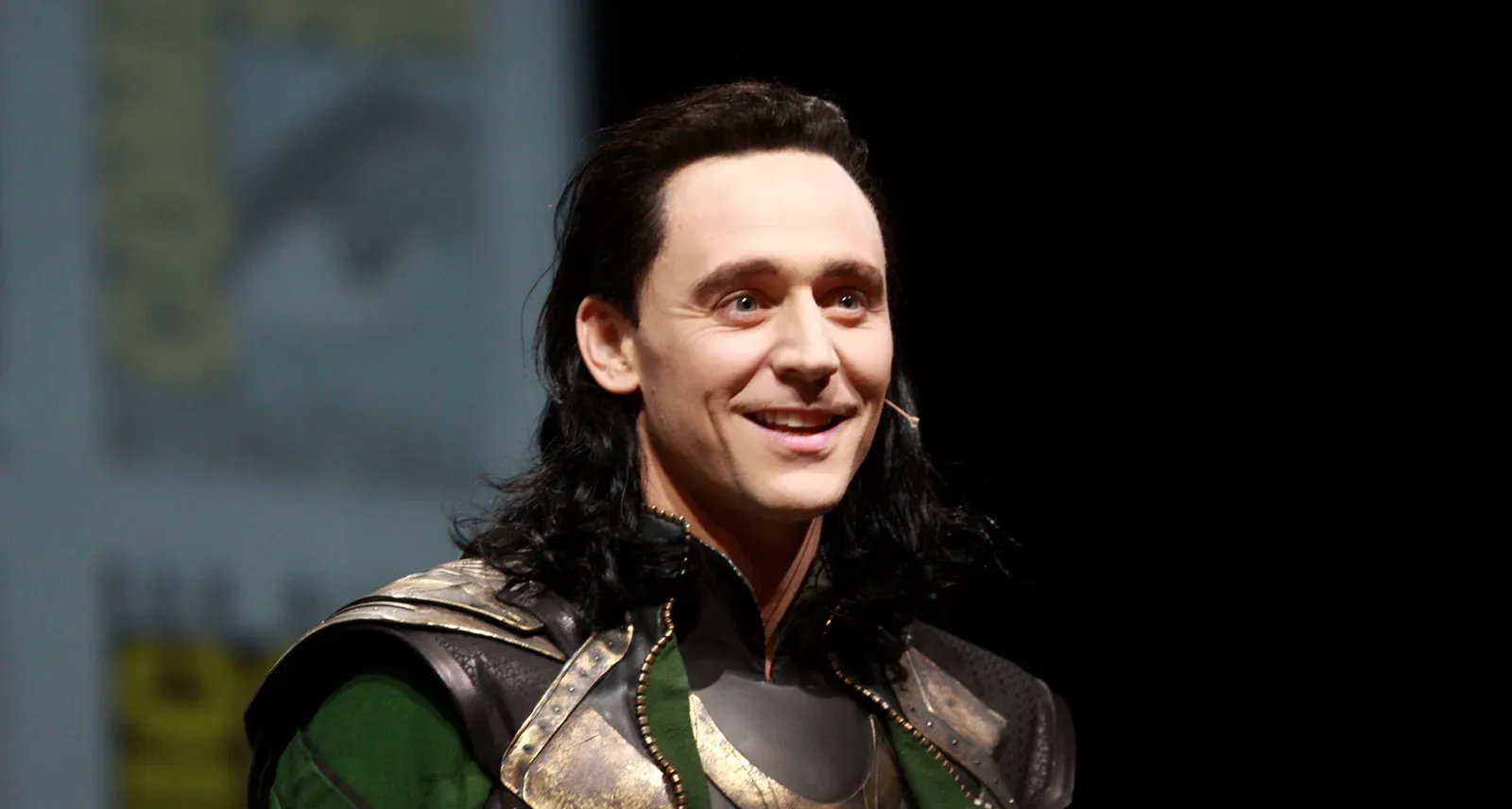
When Loki first appeared in Thor and The Avengers, he was designed as a jealous, power hungry antagonist meant to make Thor look heroic by comparison. Marvel did not initially plan for him to become a fan favorite worthy of his own streaming series. Yet Tom Hiddleston’s performance added layers of vulnerability and humor that softened the character’s edges without erasing his menace.
The shift was significant enough that Marvel restructured its long term plans around him, eventually giving Loki a multi season show exploring his psychology in depth. Few villains get that kind of narrative promotion, and it happened largely because audiences refused to see him as disposable.
3. Alex DeLarge, A Clockwork Orange
Stanley Kubrick’s 1971 adaptation of Anthony Burgess’s novel presents Alex as a violent, remorseless young man, and the film was constructed to unsettle rather than entertain in any conventional sense. Malcolm McDowell’s charismatic performance, paired with the film’s stylized violence, created an unintended side effect. Some viewers found themselves drawn to Alex’s confidence and wit despite the character’s brutality.
This reaction sparked lasting debate about whether the film glamorizes the very behavior it critiques. Kubrick himself acknowledged the tension between satire and spectacle, noting how easily audiences can misread intent when style overwhelms message.
4. Tony Montana, Scarface
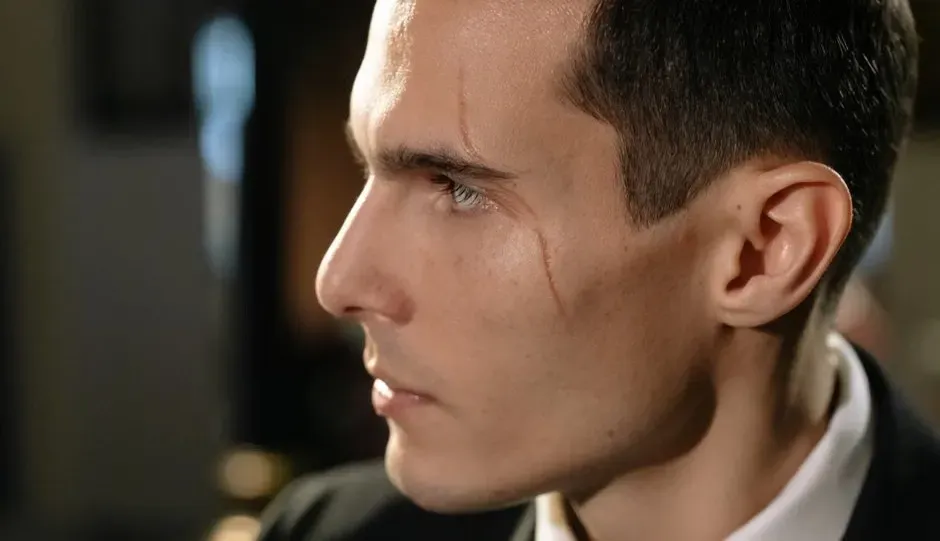
Brian De Palma’s Scarface was conceived as a cautionary tale about greed and excess, with Tony Montana’s rise and fall meant to serve as a warning. Al Pacino’s explosive performance instead turned Tony into an aspirational icon for a generation of viewers who focused on his ambition rather than his downfall. The film’s line “say hello to my little friend” became cultural shorthand for defiance rather than tragedy.
Hip hop culture in particular embraced Tony as a symbol of hustle and survival, a reading that runs counter to the film’s original moral framing. Decades later, his poster still hangs in dorm rooms far more often than his fate gets discussed.
5. Anton Chigurh, No Country for Old Men
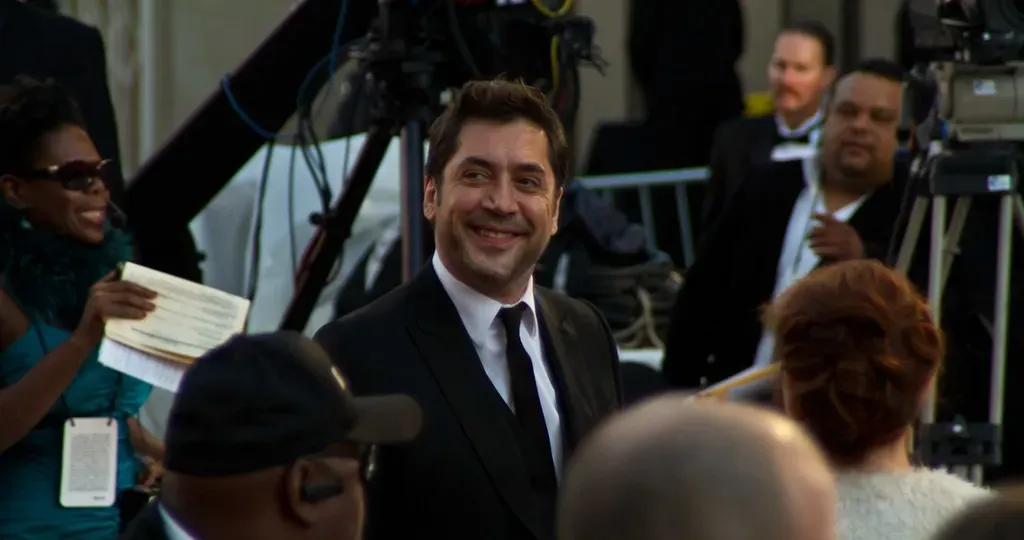
The Coen brothers built Anton Chigurh as an almost supernatural embodiment of chaos and inevitability, a character designed to be terrifying rather than admirable. Javier Bardem’s unnervingly calm performance, however, made him strangely magnetic to watch. His coin flip scenes became iconic not because audiences liked what he represented, but because his stillness created a different kind of pull.
Bardem won the Academy Award for Best Supporting Actor for the role, a recognition that reflects how compelling the character became despite, or because of, his moral emptiness. Filmmakers still cite him as a benchmark for how menace can be performed without theatrics.
6. Killmonger, Black Panther
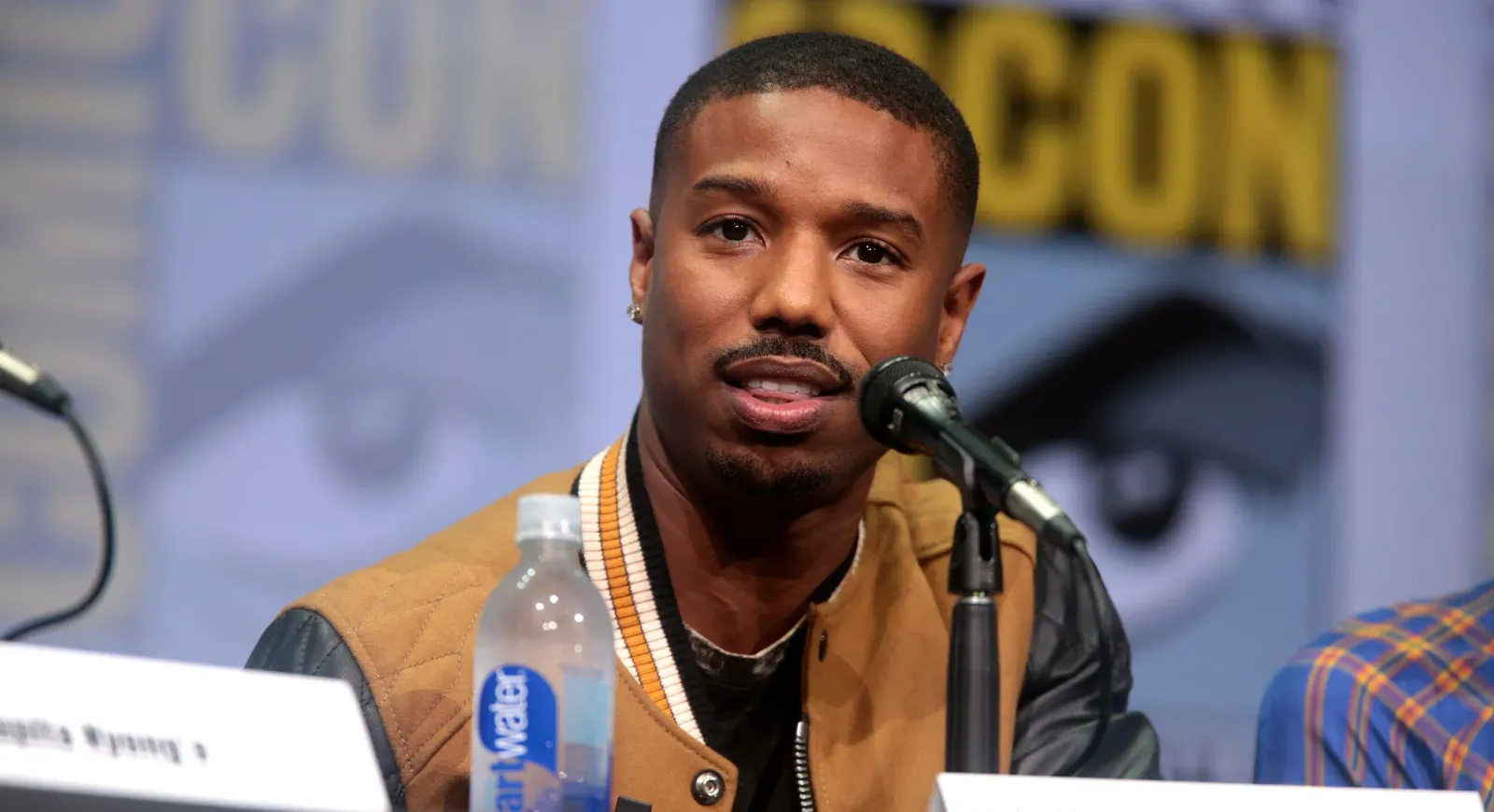
Michael B. Jordan’s Erik Killmonger was written as the antagonist standing in opposition to T’Challa’s more measured worldview, yet his backstory of abandonment and inherited injustice gave him a persuasiveness that many viewers found hard to dismiss. Ryan Coogler structured the film so that Killmonger’s grievances carried real weight, even as his methods were condemned. This complexity made him one of the most discussed Marvel villains since the studio’s early years.
Partner offer
Audiences and critics frequently noted that Killmonger’s arguments about global inequality landed with more resonance than typical superhero villain monologues. That resonance was intentional to a degree, but the sheer scale of sympathy he generated surprised even some involved in the production.
7. Patrick Bateman, American Psycho
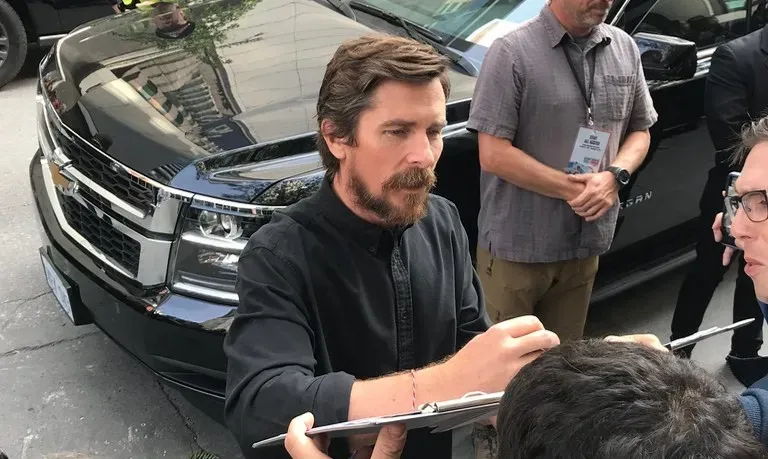
Christian Bale’s portrayal of Patrick Bateman was meant to satirize corporate vanity and hollow masculinity, with the character’s violence serving as a grotesque exaggeration of Wall Street excess. Instead, Bateman became something of an internet icon in recent years, referenced in memes about self improvement routines and detached ambition. This ironic embrace strips away much of the horror the film intended to convey.
The disconnect between satire and modern meme culture shows how easily a critique can be repackaged as aspiration when audiences engage with style over substance. Bateman’s rigid morning routine, originally a symbol of empty ritual, now circulates online as something closer to lifestyle content.
8. Joker, Joker (2019)
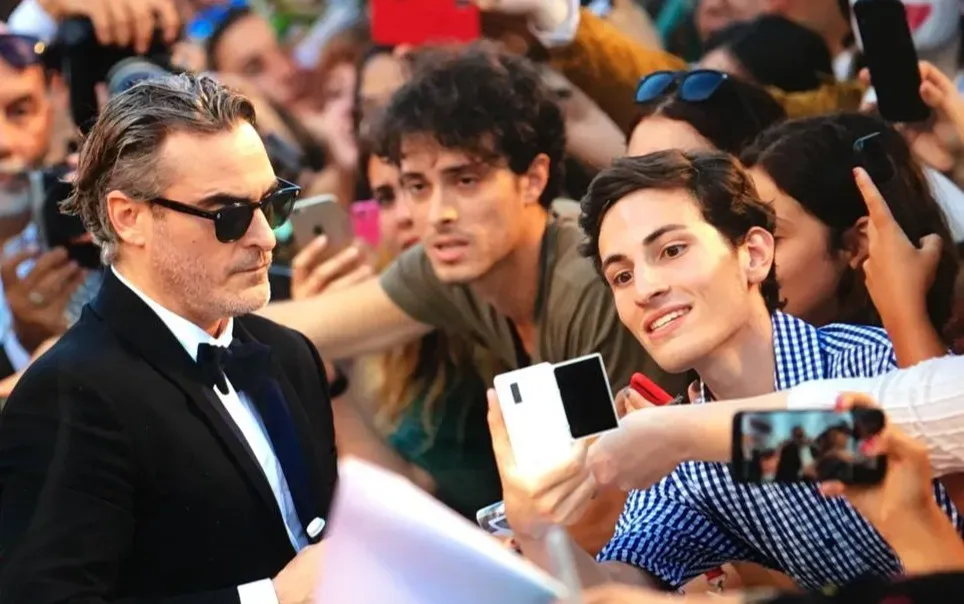
Todd Phillips’s Joker was built around Arthur Fleck’s descent into violence as a product of mental illness and societal neglect, a portrait intended to provoke discomfort rather than admiration. Joaquin Phoenix’s performance earned widespread critical praise, including an Academy Award for Best Actor, but it also inspired a segment of viewers to treat Arthur as a misunderstood hero rather than a cautionary figure. This reaction fueled public debate ahead of the film’s release, with some commentators expressing concern about how the character might be interpreted.
The controversy became part of the film’s cultural footprint, illustrating how a character designed to expose the dangers of isolation and untreated illness can still be read as vindication by some audiences. That tension has followed the character into its 2024 sequel Joker: Folie à Deux as well.
9. Mystique, X-Men Franchise
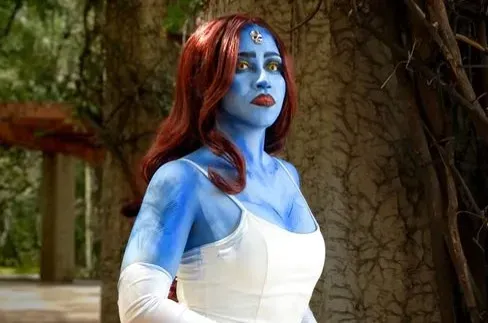
Mystique began as a morally ambiguous mercenary willing to work for whichever side suited her interests, a design meant to keep her motives murky and her loyalty uncertain. Over multiple films, particularly in the prequel trilogy, audiences grew attached to her independence and refusal to fit neatly into hero or villain categories. Jennifer Lawrence’s performance added emotional depth that made her choices feel earned rather than arbitrary.
This growing affection eventually pushed the character toward more heroic arcs in later films, a shift shaped in part by how positively audiences responded to her ambiguity. Few X-Men characters have undergone such a clear transformation driven by fan reception.
10. Bellatrix Lestrange, Harry Potter Franchise
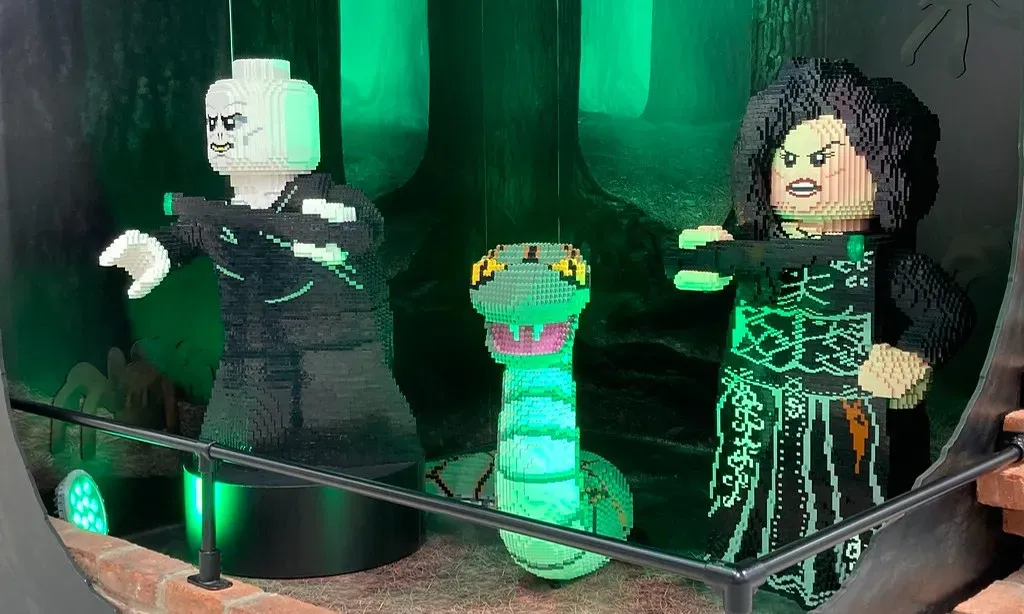
Bellatrix Lestrange was written as one of the most sadistic and loyal followers of Voldemort, a character meant to embody cruelty without redemption. Helena Bonham Carter’s unpredictable, theatrical performance turned her into a fan favorite despite the character’s clear villainy. Her chaotic energy and unsettling laughter became instantly recognizable, often cited by fans as one of the franchise’s most entertaining performances.
This affection exists almost entirely separate from any sympathy for her actions, rooted instead in the sheer commitment of the performance. It is a reminder that audiences can appreciate craft and charisma even when a character offers nothing redeeming.
11. Thanos, Avengers: Infinity War and Endgame
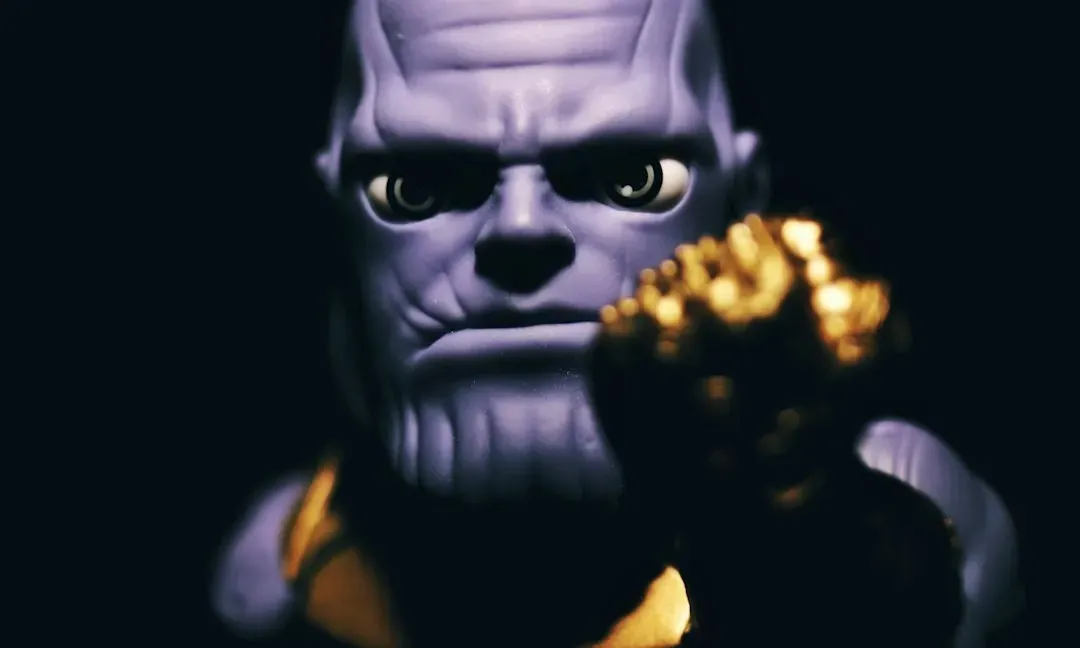
Thanos was designed as the ultimate cosmic threat, a villain whose plan to eliminate half of all life was meant to be horrifying in scale and philosophy. Josh Brolin’s nuanced performance, combined with the film’s decision to explore Thanos’s twisted logic and personal sacrifices, gave him an unexpected emotional dimension. Many viewers found themselves understanding, if not agreeing with, his worldview by the time Infinity War ended.
Marvel Studios later acknowledged that Thanos’s popularity exceeded expectations, with some audiences expressing genuine sadness at his eventual defeat in Endgame. That reaction, sympathy for a character responsible for mass destruction, remains one of the more striking examples of a villain outgrowing his intended purpose.
Taken together, these eleven cases show how little control filmmakers ultimately have over audience reaction once a performance leaves the script behind. Charisma, vulnerability, and craft can override even the clearest narrative intentions, turning warnings into icons and villains into favorites. It is a pattern that keeps repeating across decades and genres, proof that storytelling is always a collaboration between what is written and what audiences choose to feel.
Partner offer
Planning a trip to Vegas?
Compare hotel rates and show tickets on VEGAS.com.