There’s a strange kind of magic trick happening in a lot of Hollywood productions, one most viewers never notice. A film tells you, through dialogue, title cards, or a police badge, that you’re watching a story unfold in one specific city. Yet the streets, skylines, and buildings on screen belong to somewhere else entirely, sometimes thousands of miles away.
This isn’t laziness. It’s often a mix of budget constraints, tax incentives, and studio logistics that push productions toward cheaper or more accommodating locations. Below are nine well-documented cases where the gap between the setting and the shooting location is wide enough to notice, once you know where to look.
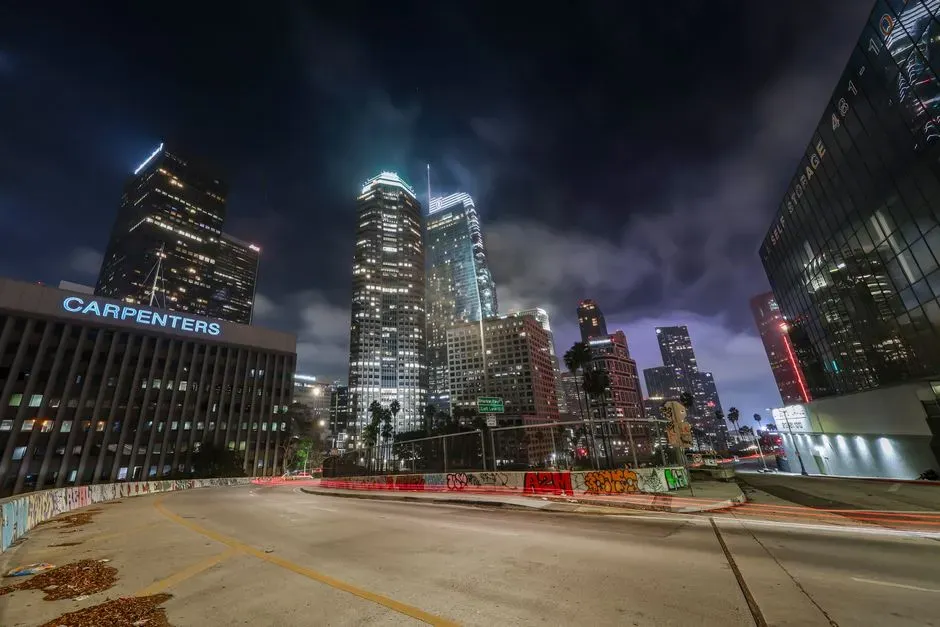
1. RoboCop (1987) – Set in Detroit, filmed in Dallas
1. RoboCop (1987) – Set in Detroit, filmed in Dallas (Image Credits: Pexels)
Paul Verhoeven’s satirical action classic is unmistakably a Detroit story, following a slain police officer resurrected as a corporate cyborg to clean up a crime-ravaged Motor City. It’s set in a futuristic Detroit, but the sharp-eyed will soon spot the landmark buildings of Eighties downtown Dallas, Texas, standing in for the dystopian Motor City. The production actually considered other cities first before landing on Texas.
Chicago was dismissed for aesthetic reasons, New York City for high costs, and California because Orion wanted to distance itself from the project. The film’s iconic OCP headquarters exterior is actually Dallas City Hall, 1500 Marilla Street, not a high-rise at all, but stretched up to an impressive 95 stories through pre-CGI optical effects. Real Detroit only appears briefly, in stock nighttime aerial footage tacked onto the opening.
Partner offer
2. Chicago (2002) – Set in Chicago, filmed in Toronto
2. Chicago (2002) – Set in Chicago, filmed in Toronto (Image Credits: Unsplash)
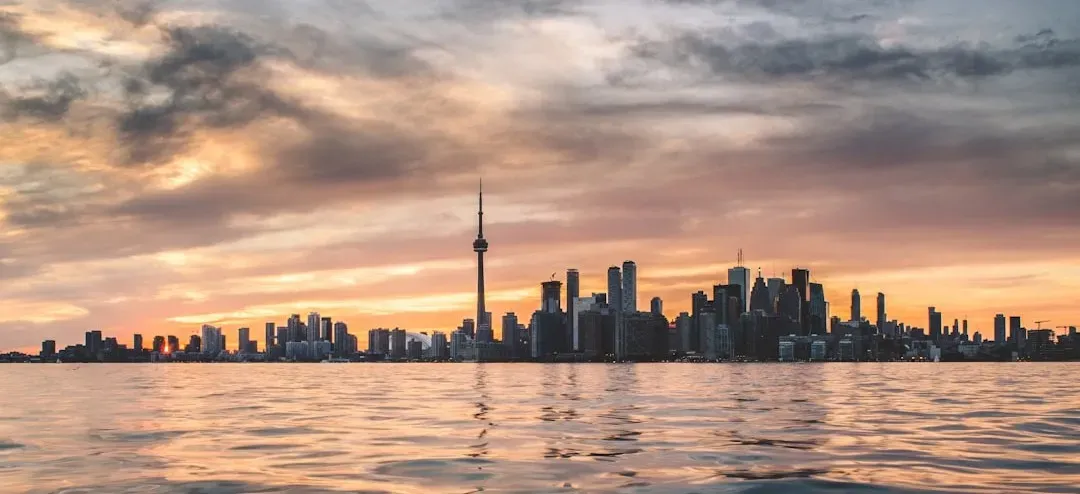
It seems almost cheeky that a musical named after a city would skip filming there entirely, but that’s exactly what happened. Set in the titular city, none of the film was shot in Chicago, the movie was filmed entirely in Canada, around Toronto. Rob Marshall’s Oscar-winning adaptation relied on Toronto landmarks dressed up to stand in for Jazz Age Chicago.
- Advertisement -
The famous Chicago Theatre scenes were actually shot at a different, similarly ornate venue. The grandeur of the setting, particularly the seven-storey theatre, has attracted movie producers, and it played the role of the Chicago Theater in the 2002 movie Chicago. Prison scenes, courthouse steps, and Billy Flynn’s office were all shot using Toronto’s Casa Loma, the Ontario Legislature Building, and the Distillery District rather than any actual Illinois location.
3. Batman (1989) – Set in Gotham City, filmed at Pinewood Studios
3. Batman (1989) – Set in Gotham City, filmed at Pinewood Studios (Image Credits: Unsplash)
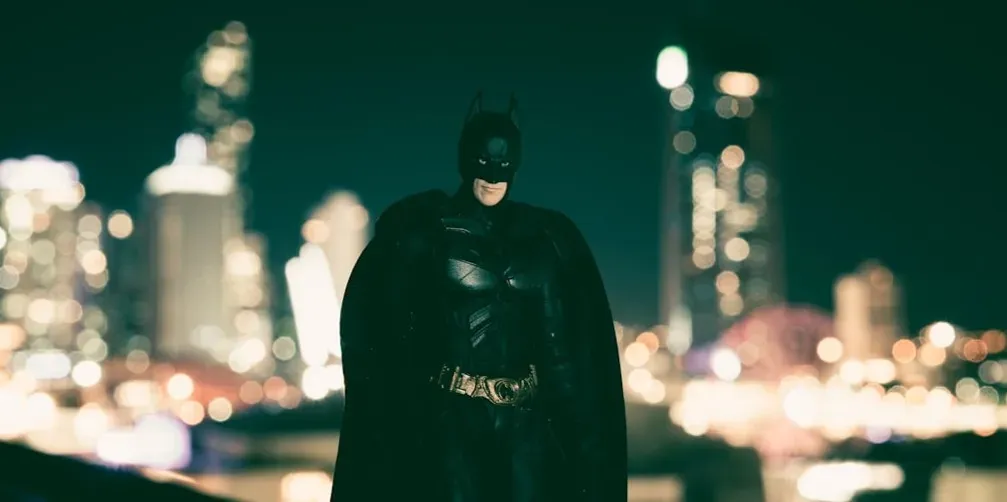
Tim Burton’s Gotham City is a gothic fantasy version of New York, but the movie never actually filmed a single frame in the Big Apple. Production designer Anton Furst built Gotham almost entirely from scratch on soundstages and backlots at Pinewood Studios outside London, England. The sprawling sets combined elements of German Expressionism with towering, exaggerated skyscrapers meant to feel oppressive rather than geographically accurate.
This approach became something of a template for later Batman films, which frequently used Chicago as a Gotham substitute rather than filming anywhere resembling the “real” New York inspiration. The 1989 original set the tone by making Gotham feel deliberately unmoored from any single, recognizable American skyline. Audiences got a mood and an atmosphere instead of a specific place, which arguably suited the character better anyway.
4. Escape from New York (1981) – Set in Manhattan, filmed in St. Louis
4. Escape from New York (1981) – Set in Manhattan, filmed in St. Louis (Image Credits: Unsplash)
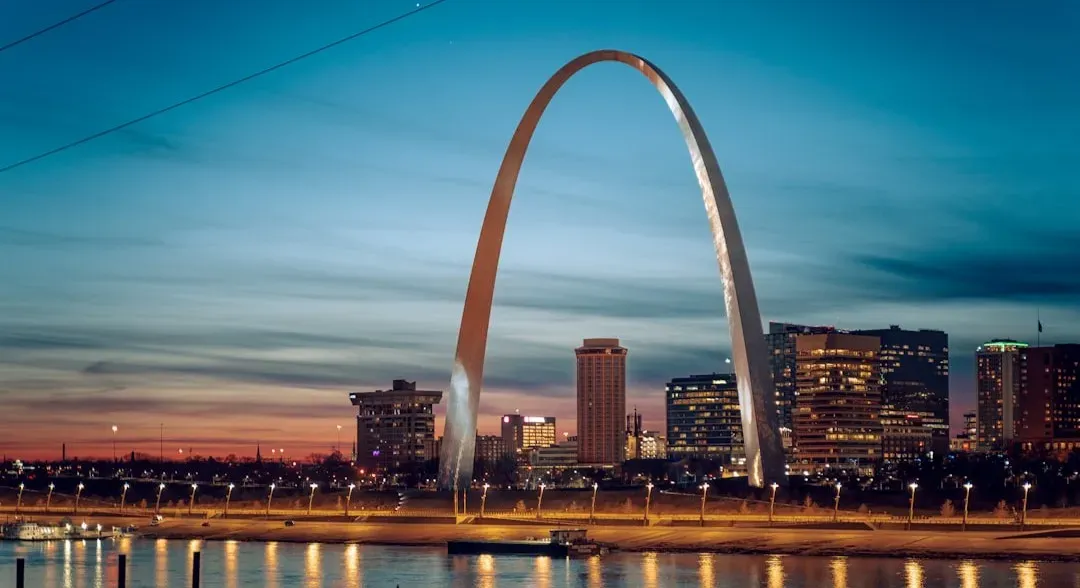
John Carpenter’s dystopian vision imagines the entire island of Manhattan turned into a walled maximum-security prison in a near-future America. Shooting in actual New York City proved impractical and expensive for the film’s modest budget, so the production found an unlikely substitute. A fire had recently gutted several blocks in East St. Louis, Illinois, leaving behind burned-out buildings that matched the post-apocalyptic look Carpenter wanted.
Additional scenes were shot in Los Angeles, including the Los Angeles Memorial Coliseum standing in for a demolition derby arena supposedly located in Manhattan. The result is a film whose New York exists almost entirely in the audience’s imagination, built from rubble in the Midwest and studio work on the West Coast. It’s a clever bit of misdirection that still holds up because the film never lingers long enough on any single shot to break the illusion.
5. Man of Steel (2013) – Set in Metropolis, filmed largely in Illinois and Vancouver
5. Man of Steel (2013) – Set in Metropolis, filmed largely in Illinois and Vancouver (Image Credits: Unsplash)
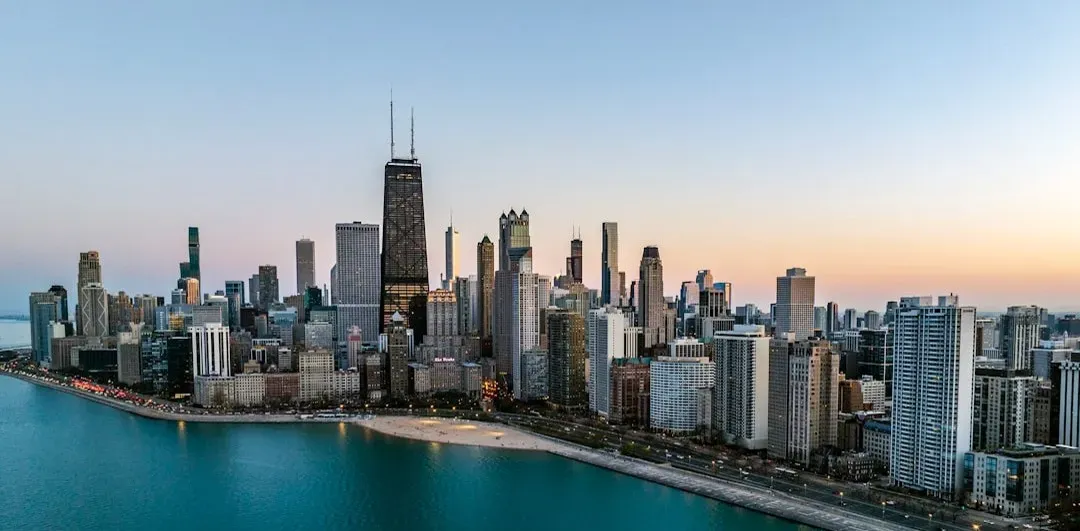
Metropolis has always been a stand-in for an idealized, brighter version of a big American city, and Zack Snyder’s Superman reboot leaned into that flexibility. Much of the Smallville and small-town Kansas material was shot around Plano, Illinois, while the larger urban Metropolis sequences relied heavily on Chicago and Vancouver locations. Chicago’s skyline and streets provided the bulk of the city’s visual identity, though the film never names it as Chicago on screen.
Vancouver, a frequent stand-in for American cities due to favorable production incentives in British Columbia, handled additional exterior and effects-heavy work. The blending of multiple real cities into one fictional metropolis is common in superhero films, but Man of Steel is a clear example of how thoroughly a invented city can be assembled from unrelated real locations. Nothing in the finished film points a viewer toward any single verifiable place.
6. Sin City (2005) – Set in Basin City, filmed entirely on a soundstage
6. Sin City (2005) – Set in Basin City, filmed entirely on a soundstage (Image Credits: Unsplash)
Robert Rodriguez’s adaptation of Frank Miller’s graphic novels takes the idea of an invented city to its logical extreme by not filming in any real location at all. Nearly the entire movie was shot against green screens inside a studio, with the stark black-and-white visuals and rain-soaked streets generated digitally in post-production. Basin City, often just called “Sin City” by its residents, was never meant to correspond to any actual American metropolis.
This approach mirrored the source material’s comic book aesthetic more closely than any location shoot could have managed. The absence of a real city grounding the story actually reinforces the film’s heightened, noir-inflected tone, where morality and geography both feel exaggerated and slightly unreal. It stands as one of the more extreme examples on this list, since there was never a real city to substitute in the first place, only a digital invention built entirely from imagination.
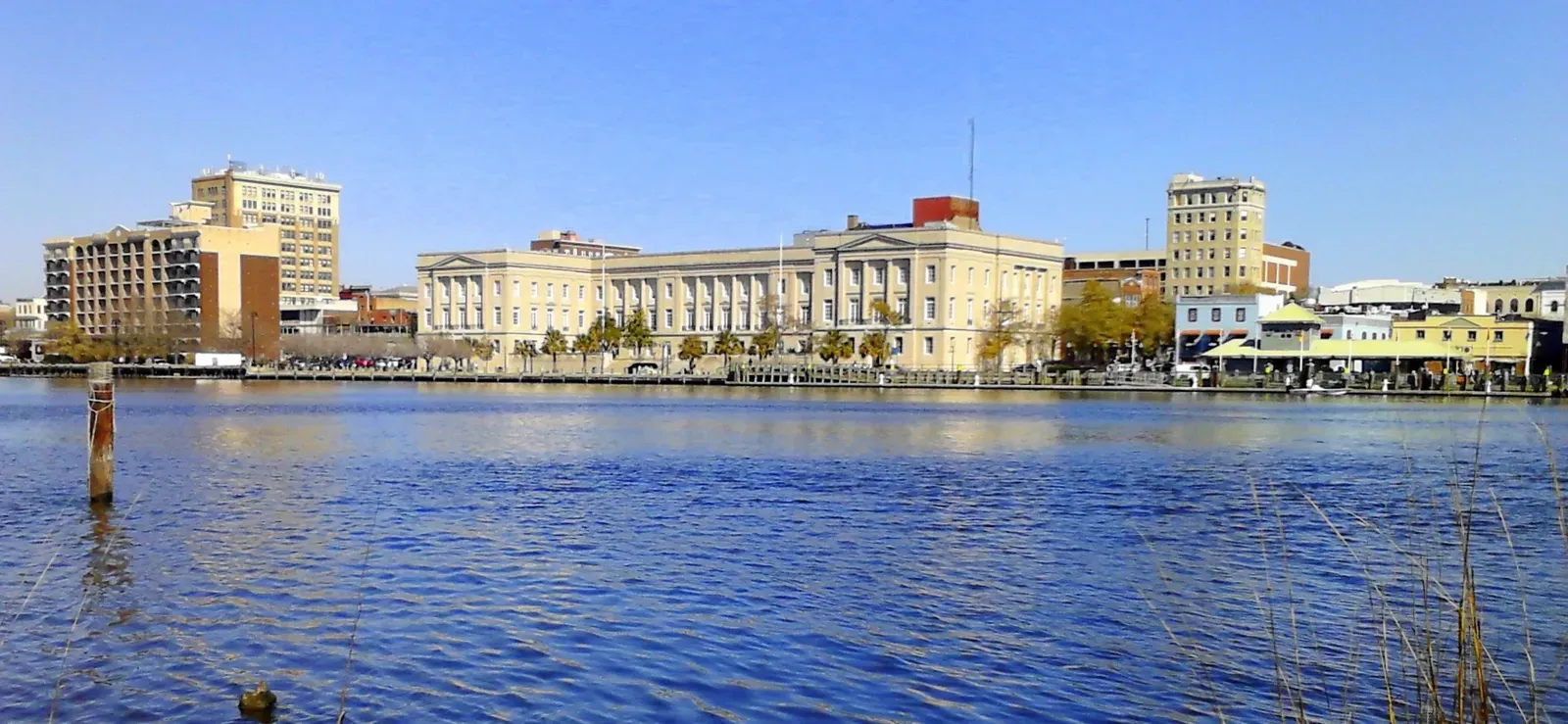
7. The Crow (1994) – Set in an unnamed decaying city, filmed in North Carolina
7. The Crow (1994) – Set in an unnamed decaying city, filmed in North Carolina (Image Credits: Wikimedia)
Alex Proyas’s gothic revenge film takes place in a nameless, perpetually rain-soaked American city that clearly draws visual inspiration from Detroit’s industrial decline. The production, however, built its elaborate urban sets on soundstages and backlots around Wilmington, North Carolina, a hub for film production throughout the 1990s. The city’s constant downpour and crumbling architecture were achieved through practical set construction rather than location shooting in any real Rust Belt city.
Production was also complicated by the on-set death of star Brandon Lee partway through filming, which forced extensive rewrites and additional shooting to complete the story. The deliberately vague setting worked in the film’s favor, letting the crumbling, soot-stained visuals feel like a composite of urban decay rather than a specific indictment of any one American city. It remains one of the more atmospheric examples of a movie inventing its own sense of place rather than borrowing one.
8. Argo (2012) – Set in Tehran, filmed in Istanbul and Los Angeles
8. Argo (2012) – Set in Tehran, filmed in Istanbul and Los Angeles (Image Credits: Unsplash)
Ben Affleck’s thriller dramatizes the real 1979 rescue of American diplomats hidden in Tehran during the Iran hostage crisis, but filming inside Iran itself was never a realistic option. The production instead used Istanbul, Turkey, to double for Tehran’s streets and markets, taking advantage of similar architecture and urban textures found in older neighborhoods of the Turkish city. Los Angeles handled additional scenes, including material tied to the fake film production used as cover for the rescue mission.
The choice of Istanbul over other potential substitutes came down to a combination of visual similarity and practical filming considerations available to Western productions at the time. Watching the film with this in mind reveals a interesting layering effect, since a fictional Hollywood production within the story is itself shot in yet another borrowed city standing in for Los Angeles. It’s a small irony that fits a film largely about elaborate, convincing fabrications.
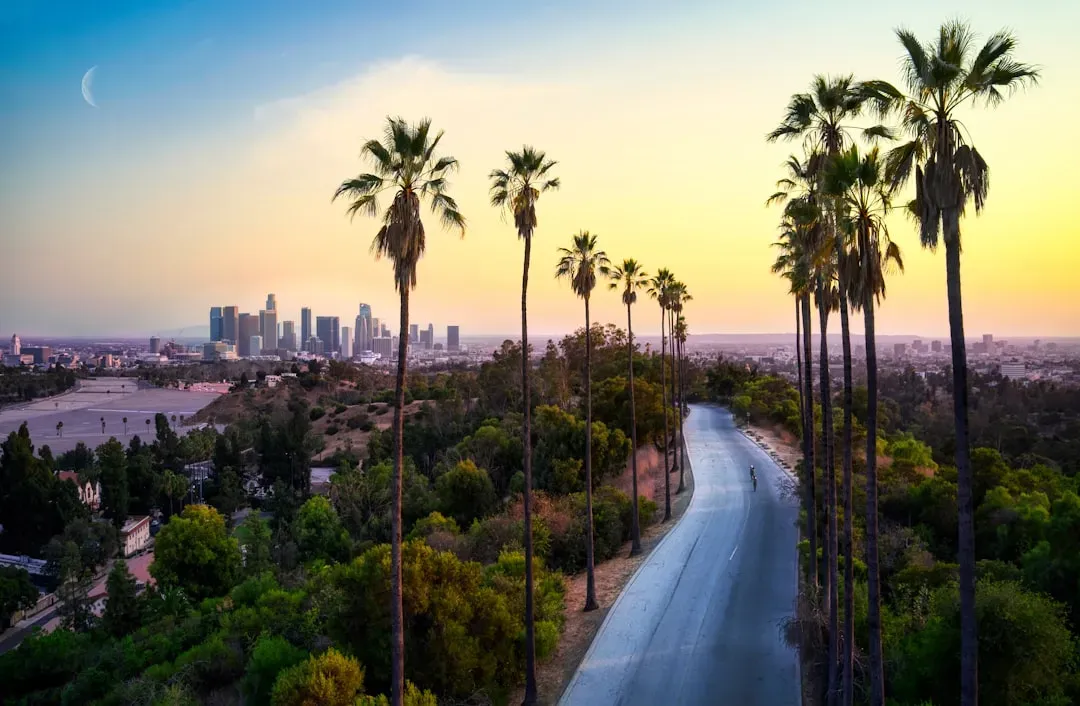
9. Se7en (1995) – Set in an intentionally unnamed city, filmed in Los Angeles
9. Se7en (1995) – Set in an intentionally unnamed city, filmed in Los Angeles (Image Credits: Pexels)
David Fincher’s grim serial killer thriller never actually names its setting, a choice that was entirely deliberate on the filmmakers’ part. The relentless rain, grimy interiors, and oppressive atmosphere were designed to evoke a generic, almost archetypal sense of urban decay rather than pin the story to any recognizable skyline or landmark. Production took place around Los Angeles, though the film’s muted, desaturated color grading and constant downpour work hard to disguise the city’s usual sunny identity.
Fincher reportedly wanted the setting to feel like it could be any decaying American city, which is why establishing shots and identifiable geography were deliberately avoided throughout. This makes Se7en a slightly different case than the others on this list, since the film isn’t hiding one city behind another so much as refusing to specify a city at all. The ambiguity ended up becoming part of the film’s lasting unease, since audiences fill in the blank with their own associations of urban dread.
Taken together, these nine films show how flexible the idea of “setting” really is in filmmaking. A city on screen is often less about geography and more about mood, texture, and whatever a production can practically access on a given budget. The next time a movie insists it’s happening in a specific place, it might be worth a second look at what’s actually in the frame.
Partner offer
Planning a trip to Vegas?
Compare hotel rates and show tickets on VEGAS.com.