The entertainment industry has never moved faster than it does right now. Streaming platforms, shifting audience tastes, and a genuine cultural reckoning about what performance should look like are all pushing actors and directors to rethink approaches that once seemed untouchable. Some styles that earned award nominations just a few years ago are already starting to feel like relics.
What’s driving this change isn’t just technology. It’s a broader fatigue with performance as spectacle, a growing demand for authenticity on screen, and an industry that is finally asking harder questions about the cost of certain techniques. Here are eleven acting styles and approaches that, by most signs, are heading toward the exit.
1. Extreme Method Acting
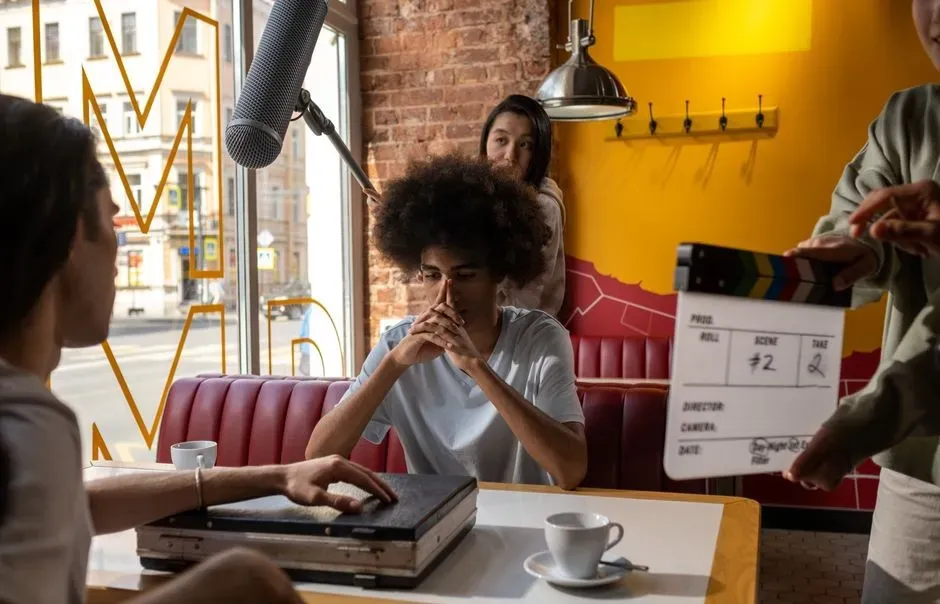
Method acting, the practice of experiencing a role as opposed to merely representing it, has been maligned and venerated in equal measure. For decades, actors who stayed in character for months, refused to break the illusion on set, and subjected themselves to genuine physical and psychological discomfort were celebrated as the most serious artists in the room. That reputation is now eroding quickly.
It seems as though method acting is merely a practice of egotistical navel-gazing with Hollywood perpetuating a lie that suffering equates to quality. The criticism has grown louder, and a younger generation of directors and co-stars has become openly reluctant to accommodate it. The wellbeing of cast and crew is increasingly being prioritized over any one actor’s immersive process.
2. Extreme Physical Transformation as the Main Selling Point
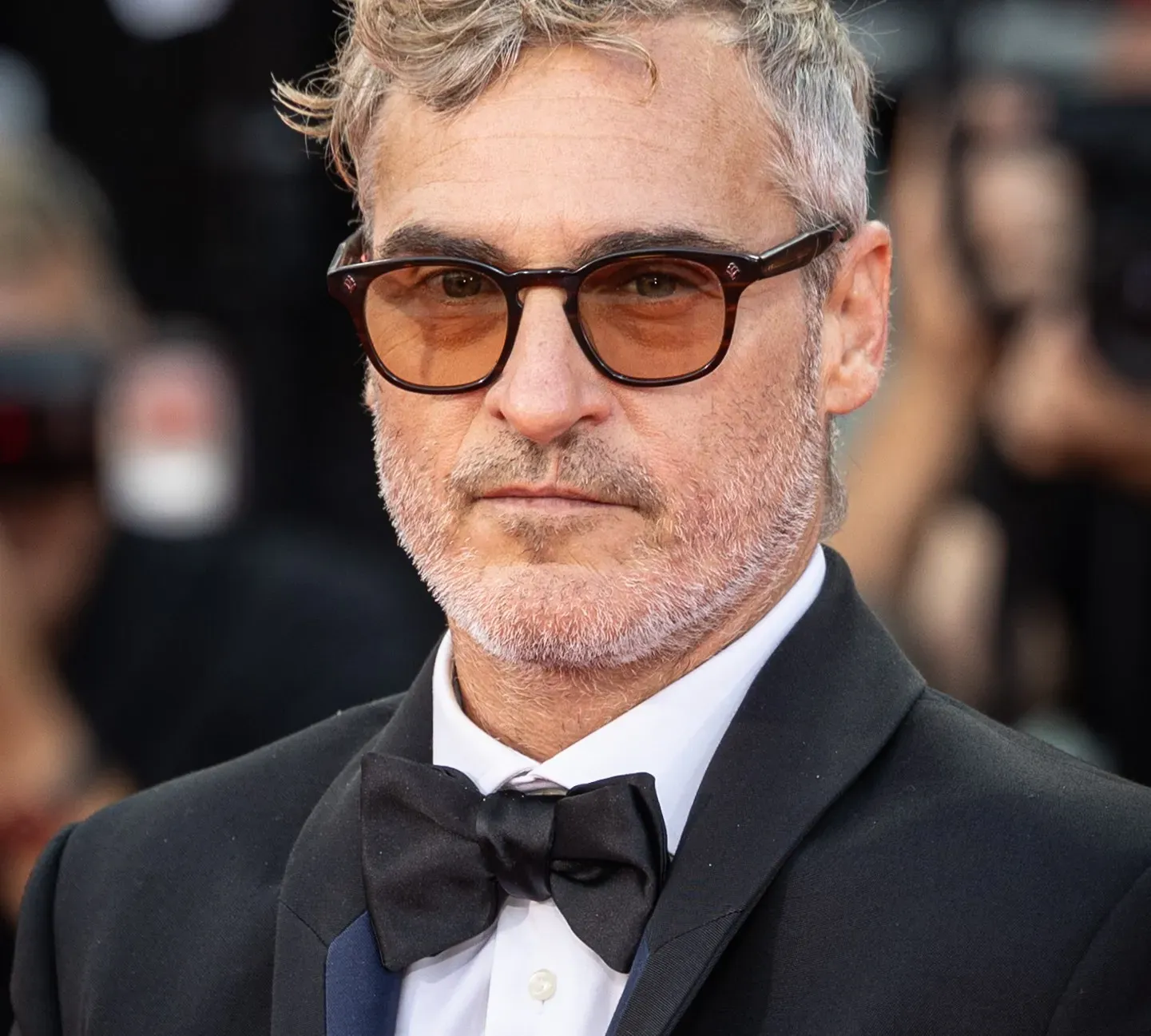
To play Arthur Fleck in Joker (2019), Joaquin Phoenix reportedly lost 52 pounds, under medical supervision, in order to achieve the character’s gaunt physique. This kind of radical body alteration became a defining feature of prestige cinema for years. The weight lost, the weight gained, the gaunt face or the artificially padded frame became its own marketing moment, sometimes overshadowing the performance entirely.
When the trailer for Bradley Cooper’s Leonard Bernstein biopic “Maestro” hit the internet, all most people wanted to talk about was the prosthetic nose. Cooper wears a large prosthetic nose in the role, in addition to extensive old age makeup, a look that inspired significant outcry and controversy. The backlash around that film signaled something real: audiences are increasingly skeptical when physical transformation overshadows the actual craft of storytelling.
3. Accent Work as a Prestige Signal
For a long time, pulling off a difficult foreign accent was considered one of the clearest demonstrations of an actor’s technical range. Casting directors and award voters rewarded it heavily. The logic was simple: if you sounded convincingly different, you had done the work. That logic is being challenged now from multiple directions.
Audiences and critics have grown more attuned to accents that feel performed rather than inhabited, and the conversation around authentic casting has made many in the industry question why an actor from one cultural background should adopt the vocal identity of another. The accent-as-trophy approach is giving way to a preference for performers who bring genuine cultural knowledge to a role rather than a technically rehearsed sound.
4. The Tortured Genius Persona Off-Screen

For much of Hollywood’s recent history, a certain kind of difficult, unpredictable off-screen behavior was quietly tolerated, sometimes even celebrated, as evidence of deep artistic commitment. The actor who was hard to work with, who sent disturbing gifts to co-stars in character, or who made everyone on set uncomfortable was often described, at least publicly, as simply being very dedicated. Jared Leto’s reputation as a method actor became so ubiquitous that he eventually mocked himself while presenting at the 2024 Golden Globes.
That self-parody moment was telling. The industry’s tolerance for off-set theatrics has dropped considerably. Productions are more accountable now, with clearer standards around cast and crew welfare. The romanticized idea of the tortured performer whose genius justifies bad behavior is losing its cultural footing fast, and few studios are willing to absorb that kind of reputational risk anymore.
5. Loud, Scenery-Chewing Emotional Performances
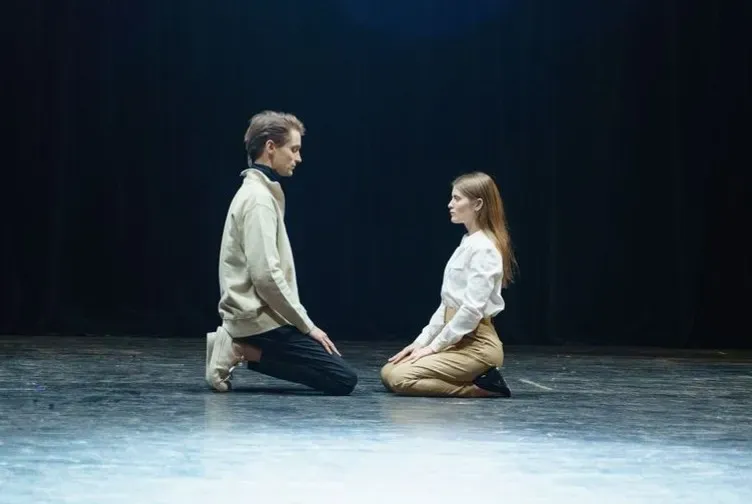
There was a period when a performance peaked with a memorable outburst, a screaming monologue, a moment of operatic grief that audiences would clip and share endlessly. This style thrived in the era of trailers built around emotional peaks, and it delivered. Certain performances from the 2010s feel almost designed to produce a single standout moment rather than a fully realized character.
The shift in viewing habits toward long-form serialized drama and intimate streaming content has quietly reset expectations. Audiences now spend far more time with characters across multiple episodes, and that context rewards restraint. An actor who can hold a scene with a single look is increasingly valued over one who delivers a set-piece breakdown. The emotional peak moment still has its place, but as a defining performance style it is clearly running out of runway.
6. Stiff, Classical Stage-Trained Delivery in Film
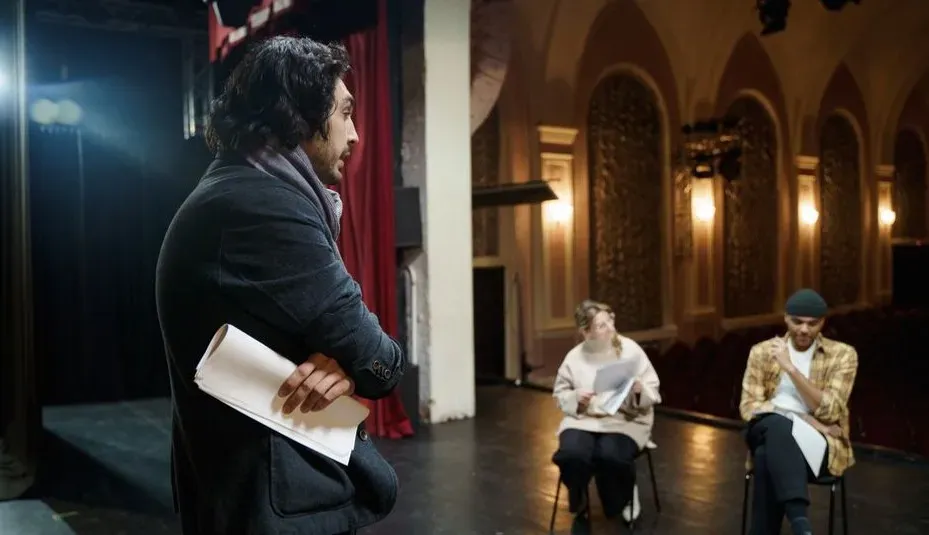
The formal enunciation and presentational quality that works beautifully in a large theater can feel oddly distant on a close-up camera. Film acting has always demanded a different calibration from stage work, but a certain prestige attached to classically trained theater actors sometimes led productions to let the theatrical style bleed through unchecked. The result could feel like a performance being given rather than a life being lived on screen.
Partner offer
From traditional acting styles that stressed the artificial and the mannered, Stanislavsky’s approach would instead encourage naturalistic techniques that stressed lived experience. That naturalistic impulse has now become the clear default. Modern audiences, who consume content across phones, tablets, and large screens in equal measure, respond to a kind of grounded presence that formal stage delivery rarely produces. The classical style still has admirers, but its dominance in prestige film acting is fading.
7. The Celebrity Cameo Used as Emotional Payoff
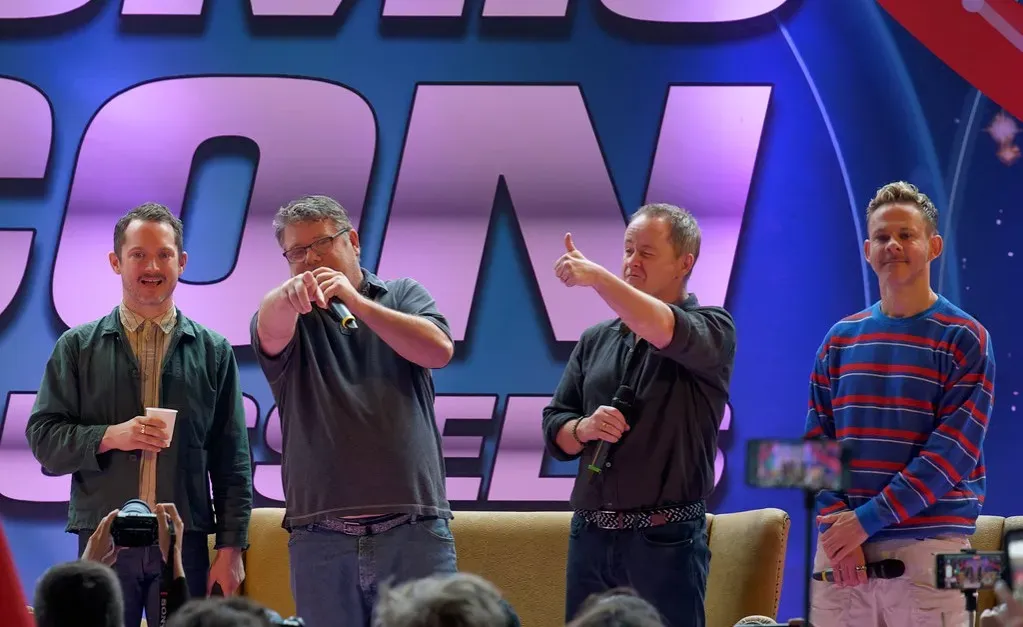
Through the late 2010s and into the early 2020s, the surprise celebrity appearance became a reliable structural device. A recognizable face would appear unexpectedly, the audience would react, and the moment was treated as a form of storytelling shorthand. It was particularly common in franchise films and prestige television, where the appearance of a well-known name was used to signal importance or emotional weight.
The problem is that the device was overused to the point of becoming formulaic. Audiences started to see it coming, which neutralized the effect entirely. More importantly, critics began pointing out that leaning on a famous face can actually undercut narrative momentum rather than add to it. The trend hasn’t disappeared, but productions are finding it harder to justify the cameo as a meaningful storytelling choice rather than a contractual favor or a marketing beat.
8. Performing Diversity Rather Than Casting It
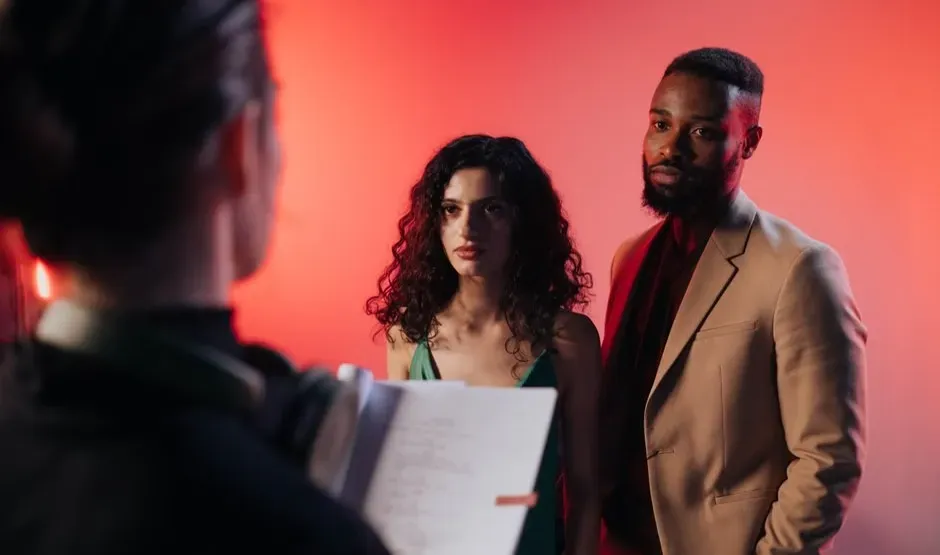
Data shows that actors of color secured only roughly a quarter of lead roles in top theatrical films of 2024, a decline from the year prior, despite clear audience demand for more inclusive storytelling. Films with diverse casts tend to perform better globally, yet Hollywood’s efforts to increase representation have stalled. The gap between performance and reality has sharpened the scrutiny on a particular acting style rooted in representing cultures an actor hasn’t actually lived.
The old approach of having an actor “research” a cultural identity through surface-level preparation, voice coaching, and costuming is being replaced by a stronger industry push for authentic casting. Brands and productions are seeking voices and performers that represent a wider range of cultures and dialects to better represent their target audience. Authenticity here means more than just language; it’s about conveying lived experience and cultural nuance. Playing a culture from the outside in is becoming harder to defend, both critically and commercially.
9. The Single-Note Villain

For a long stretch of Hollywood history, the villain role came with a fairly predictable performance template: menacing voice, controlled physicality, a tendency to explain the plan. The best practitioners of this style were genuinely entertaining, and the archetype produced some iconic film moments. However, audiences have grown considerably more sophisticated about what makes antagonists compelling, and flat menace no longer cuts through the way it once did.
Long-form television drama did a great deal to raise the bar here. Characters who operate in moral ambiguity, who have comprehensible motivations and genuine contradictions, have reset what audiences expect from any antagonist figure. The single-note villain, played purely for intimidation or spectacle, now reads as an artifact of an older storytelling grammar. Complexity has become the expectation, and performers who can navigate that complexity are the ones getting called back.
10. Self-Tape Auditions Relying on Static, Unedited Delivery
With streaming platforms, virtual production, and AI integration reshaping Hollywood and global content creation, today’s actors must adapt to stay relevant. Acting in 2025 increasingly blends live performance with digital innovation. The self-tape audition format expanded enormously during the pandemic years and never really contracted. For many productions, it became the primary way to evaluate talent. Early in that shift, a straightforward, cleanly lit performance was enough to get noticed.
Online and self-tape auditions are now evolving with AI-driven analysis of tone, pacing, and delivery. That means the technical baseline for what a self-tape needs to accomplish has risen considerably. Flat, static deliveries that might have passed two or three years ago are being filtered out earlier in the process. Actors who haven’t updated their approach to the format to reflect more dynamic, camera-aware performances are finding themselves at a real disadvantage.
11. Performing Trauma for Awards Validation

There is a well-documented pattern in awards-season filmmaking where performances built around visible suffering, breakdown, and psychological anguish become the default definition of serious acting. The logic has persisted for decades: playing someone in pain is harder, more courageous, and therefore more worthy of recognition. Certain roles become famous less for their narrative complexity than for how much visible distress the actor was willing to perform.
The historic 2023 strikes secured crucial AI protections and wage increases, establishing important precedents for human creativity in an increasingly digital landscape. That shift in how the industry values and protects performers has rippled into broader conversations about what acting is actually for. The critical conversation has moved meaningfully toward recognizing subtlety, presence, and stillness as equally demanding disciplines. Trauma performance as a prestige qualifier is not gone, but its grip on what the industry considers the highest form of screen acting is genuinely loosening as voters, critics, and audiences start rewarding a wider range of approaches.
The direction of travel is fairly clear. The next two years will likely accelerate a preference for performances that feel inhabited rather than demonstrated, authentic rather than technically impressive for its own sake. The styles that survive will be those that serve the story, not those that announce themselves.
Partner offer
Planning a trip to Vegas?
Compare hotel rates and show tickets on VEGAS.com.