There’s a quiet but unmistakable culture shift happening on film and television sets across Hollywood. The way actors show up, behave, and interact with their craft has changed dramatically across generations, and the contrast between baby boomer era performers and today’s Gen Z stars is particularly sharp. Some of it reflects broader social progress, some of it is just the natural evolution of professional norms, and some of it is genuinely fascinating.
The boomer generation of actors came up in an industry where the unwritten rules were iron-clad and image management meant everything. Gen Z stars, who grew up with smartphones and streaming platforms, operate by an entirely different set of values. Neither approach is simply right or wrong, but the differences are real, revealing, and worth examining.
1. Smoking Real Cigarettes on Set Between Takes
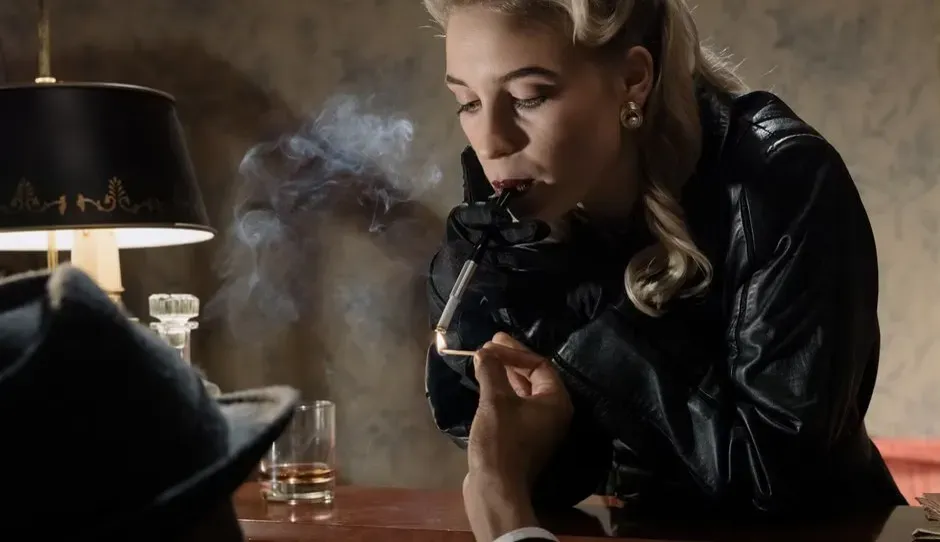
Throughout most of Hollywood cinematic history, actors smoked real tobacco products on set. Stars like Humphrey Bogart, John Travolta, Rita Hayworth, James Dean, and Marlene Dietrich are among those known to have performed with a real cigarette in hand. Lighting up between takes was practically a social ritual, a way to decompress, chat with the crew, and signal a certain nonchalant confidence.
Back in the Golden Age of Hollywood, major stars were so often seen with cigarettes, cigars, and pipes that they almost seemed like extensions of their bodies, which was no accident. Smoking was viewed as a status symbol, and tobacco brands frequently sponsored film studios. Some actors and actresses even had their own personal endorsements. Today’s Gen Z actors would find this almost unimaginable on a modern, health-conscious production.
2. Doing All Their Own Physical Stunts Without Much Hesitation
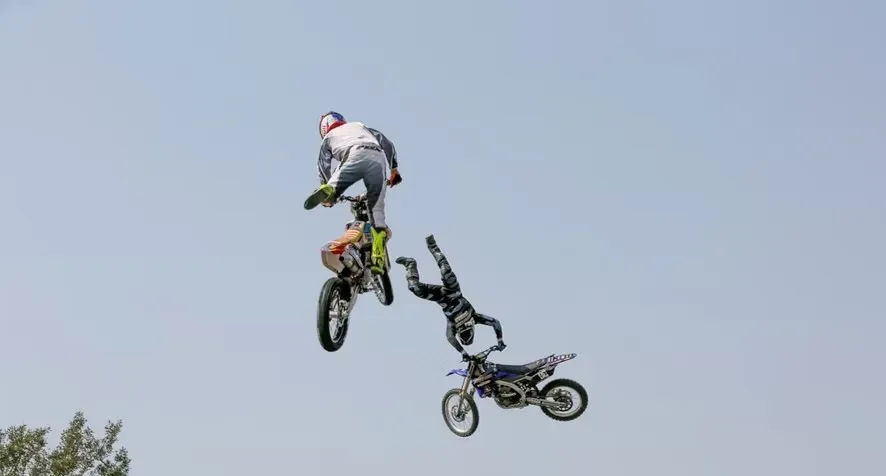
Boomer era actors, particularly those who came up through the 1960s and 1970s, were expected to take physical risks as part of the job. Stunt coordinators existed, but many performers considered it a point of pride to handle demanding physical sequences themselves. Asking for a body double on a relatively manageable action beat could invite quiet judgment from directors.
Actors in that earlier era often led grueling, physically demanding lives, and even the biggest, highest-paid, and most beloved stars were expected to fall in line with demanding industry expectations. Gen Z actors, by contrast, tend to approach safety protocols with far more structure. Dedicated stunt teams, intimacy coordinators, and detailed risk assessments are now standard practice, not optional extras.
3. Memorizing Enormous Amounts of Dialogue Without Script Support

Veteran boomer actors often prided themselves on arriving to set with every line of a script locked into memory long before the cameras rolled. This wasn’t just professionalism. It was a form of respect for the director and fellow cast members, and those who failed to show up prepared were viewed with genuine contempt by their peers.
Today’s younger actors can work with earpieces, teleprompters, or script revisions handed to them in the morning for an afternoon shoot, and productions increasingly accommodate this. Jodie Foster, speaking publicly about her experience working with younger actors, noted she found Gen Z frustrating in the workplace, describing situations where professionalism around preparation and communication differed significantly from her own trained instincts. The expectation of line-perfect readiness has clearly softened.
4. Accepting Rigid Call Times Without Question

For boomer actors, arriving on set before your call time was expected, and arriving exactly at your call time was already pushing it. Entire crews depended on this discipline, and anyone who casually rolled in late disrupted a carefully timed production schedule. The culture was hierarchical, but the punctuality ethic applied up and down the ladder.
Actress Jodie Foster, who is a vocal supporter of younger performers and does a lot of mentoring, has publicly said she still finds Gen Z frustrating to work with on matters including set schedules. The shift isn’t simply laziness, though. Younger actors often push back on unsustainable call times that run into the early hours, citing legitimate mental health and safety concerns that previous generations were not empowered to raise.
5. Staying Fully in Character Throughout the Entire Shoot Day
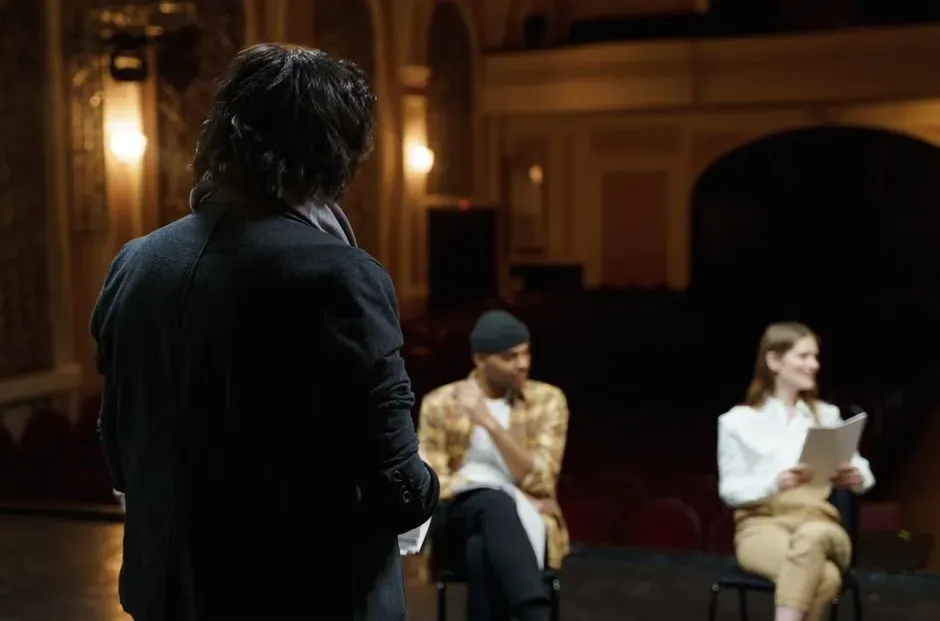
Method acting, which was popularized by actors like Marlon Brando and later embraced by a generation of boomer performers influenced by the Actors Studio, encouraged performers to blur the line between themselves and their roles for the full duration of a production. Some actors refused to break character even during lunch breaks or between setups. It was intense, sometimes eccentric, and widely admired.
Vanity Fair has declared the end of the idealized, old-school movie star model, arguing that today’s leading actors have ushered in a new era of vulnerability and accessibility that represents a cultural shift away from the industry’s golden age archetype. Gen Z actors tend to view total character immersion with skepticism, preferring to check in mentally and emotionally rather than maintain a performance offscreen for weeks at a time.
6. Tolerating Hostile or Abusive On-Set Behavior in Silence

Many boomer actors came up in an industry where a director screaming at talent or crew was considered a sign of passionate artistry rather than misconduct. Staying quiet, absorbing the pressure, and “not being difficult” was the understood path to staying employed. Speaking out against abusive behavior could end a career before it truly started.
Things happened on classic movie sets that would be considered highly illegal today, and Golden Age stars had a bunch of restrictive rules to follow. Behind the glitz and glamour, the industry had a darker, more eccentric side. Gen Z performers are far more likely to challenge toxic behavior directly, with formal HR processes, union protections, and a cultural expectation that the set must be a psychologically safe environment.
Partner offer
7. Avoiding Any Public Discussion of Personal Mental Health
The generation of actors who came through Hollywood in the 1960s, 1970s, and 1980s operated under a strict unwritten rule: you did not publicly discuss anxiety, depression, therapy, or psychological struggles. Vulnerability was a liability. The persona had to remain intact, and admitting to mental health challenges was seen as career-damaging weakness.
Today’s new generation of stars, often called the “internet boyfriends,” is intentionally designed to appear more relatable and emotionally available. The once-untouchable movie stars have been replaced by actors who openly share their feelings and intimate life details online. Gen Z performers treat mental health conversations as entirely normal, both on press tours and on social media, a shift that represents a complete generational reversal.
8. Building Relationships Exclusively Through In-Person Set Interaction
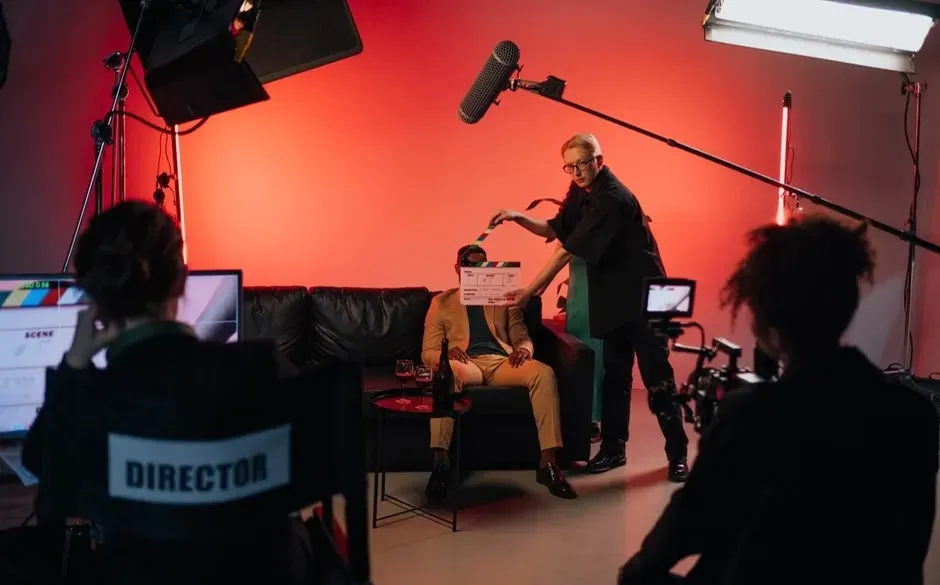
For boomer era actors, the film set was where professional relationships were built, maintained, and sometimes destroyed. You read the room, had long lunches with collaborators, and developed trust through physical presence. Friendships formed over months of shared work, and the rituals around that, sharing a meal, chatting in the makeup chair, lingering after wrap, were taken seriously.
Older generations treat direct personal communication as the gold standard of connection, believing that hearing a voice or being present builds a stronger professional bond. Gen Z actors, by contrast, might text the director between takes, build cast relationships via group chats, and sustain entire working friendships without much face-to-face time outside of official production hours. Neither approach is wrong, but they are genuinely different.
9. Agreeing to Ironclad Long-Term Studio Contracts

During Hollywood’s earlier era, those wishing to enter the business had to sign years-long contracts with single studios, under which their acting jobs were decided for them, lest they be punished. Boomer actors who came up just after the studio system’s collapse still carried that ingrained loyalty model, often spending long stretches of their career closely aligned with a single producer, director, or studio brand.
While actors nowadays can pick and choose which films they star in and for which movie studios they work with, that wasn’t always the case. Gen Z performers treat their careers with a portfolio mentality, moving fluidly between streaming projects, independent films, and brand partnerships. Locking yourself to a single studio for years would seem deeply counterintuitive to most emerging talent today.
10. Maintaining a Carefully Managed, Studio-Approved Public Image
Boomer actors understood that their public persona was a product the studio owned as much as they did. Press junkets were scripted, personal relationships were managed for optics, and any behavior that threatened the crafted image was kept tightly under wraps. Stars rarely spoke candidly in interviews, and controlled access was both a privilege and a protective mechanism.
As Vanity Fair put it, studios once turned regular men and women into secular gods by changing their names and hiding their flaws. That era of the remote, untouchable matinee idol is now firmly over, and the dawn of the authentically approachable modern actor is fully underway. Gen Z actors post unfiltered thoughts from hotel rooms the night before a premiere and consider that a form of honest connection with their audience.
11. Treating Crew Members According to a Strict Hierarchy

Film set culture during the boomer era ran on hierarchy, and most actors understood their position within it clearly. Leading talent often had little direct interaction with grips, gaffers, or production assistants. Not because of personal arrogance necessarily, but because the structure of the set enforced those divisions through protocol, separate catering tents, private trailers, and formal forms of address.
Gen Z actors are notably more likely to learn the names of every person on a crew, share the same food line, and resist the physical separations between talent and technical staff. This reflects a broader generational value around flat workplace hierarchies and mutual respect. The concept of professionalism on a set has always acknowledged that the work depends on each person treating fellow artists and craftspeople with simple courtesy and respect. Today, that idea extends visibly further down the call sheet than it once did.
12. Separating Their Craft Completely From Their Political or Social Identity

Boomer era actors were largely advised by agents, managers, and studios to stay publicly neutral on political and social issues. The logic was purely commercial: take a strong position and you immediately alienate roughly half your potential audience. Many of the most prominent stars of the 1970s and 1980s kept their public personas deliberately vague on anything outside their actual projects.
Today’s younger stars are redefining Hollywood with raw talent and relatability, with Gen Z demanding stories about climate anxiety, social justice, and authentic experiences rather than recycled plots. For Gen Z actors, their personal values and their professional identity are essentially inseparable. They see advocacy not as a risk to their career but as a fundamental part of who they are, both on set and off it.
The gap between how boomer actors operated and how Gen Z performers show up today isn’t just a matter of manners or work ethic. It reflects genuinely different ideas about what a career in acting is for, who the industry serves, and what it means to be a professional artist in public life. Some of what the older generation did deserves honest respect. Some of it deserved to be left behind. Most of it is simply the result of a world that keeps changing, whether the industry catches up or not.
Partner offer
Planning a trip to Vegas?
Compare hotel rates and show tickets on VEGAS.com.