Radio in the 1960s worked as a gatekeeper. Program directors, station managers and, in Britain, the BBC decided what reached the airwaves. They often judged records on lyrics, subject matter or just a hunch about what listeners would tolerate.
Some of those calls look strange now. Others reflect real tensions of the decade, including drugs, race, religion, sex and war. The ten songs below were all restricted, banned or dodged in some form, and several still became hits.
Tell Laura I Love Her by Ray Peterson (1960)

This teenage tragedy song tells of a young man who enters a stock car race to win money for a wedding ring and dies in a crash. Ray Peterson’s version reached the American top ten in 1960. Its death theme made some broadcasters uneasy.
In Britain the BBC declined to play it, reportedly because it found the subject morbid. A cover by Ricky Valance went on to reach number one on the UK chart that year anyway. It was an early sign that a ban could leave a record’s sales untouched.
Louie Louie by The Kingsmen (1963)

The Kingsmen’s recording was rough and muddy, and the vocals were hard to understand. Rumors spread that the words were obscene. Indiana’s governor, Matthew Welsh, asked broadcasters to pull it, and some stations did.
The FBI investigated for roughly two years. Agents concluded they couldn’t make out the lyrics well enough to call them obscene. The single still climbed to number two on the Billboard Hot 100.
Eve of Destruction by Barry McGuire (1965)

Written by P.F. Sloan, this protest song takes on war, nuclear fear and social hypocrisy in a gravelly, urgent delivery. Some American stations declined to play it because of its politics. It reached number one on the Billboard Hot 100 in the fall of 1965.
The song was an uncomfortable fit for a Top 40 format built around lighter fare. Its success showed that listeners wanted music that spoke to the news of the day, even when programmers didn’t.
Eight Miles High by The Byrds (1966)

The Byrds released this jangling, raga influenced single in 1966. Its title and imagery led some to read it as a drug song. The industry publication the Gavin Report urged stations to stop playing it, and a number of them did.
The band denied that drugs were the point and said the song was inspired by a flight to London. The record peaked at number fourteen on the Hot 100. Many observers think the airplay restrictions held it back.
Rainy Day Women #12 and 35 by Bob Dylan (1966)
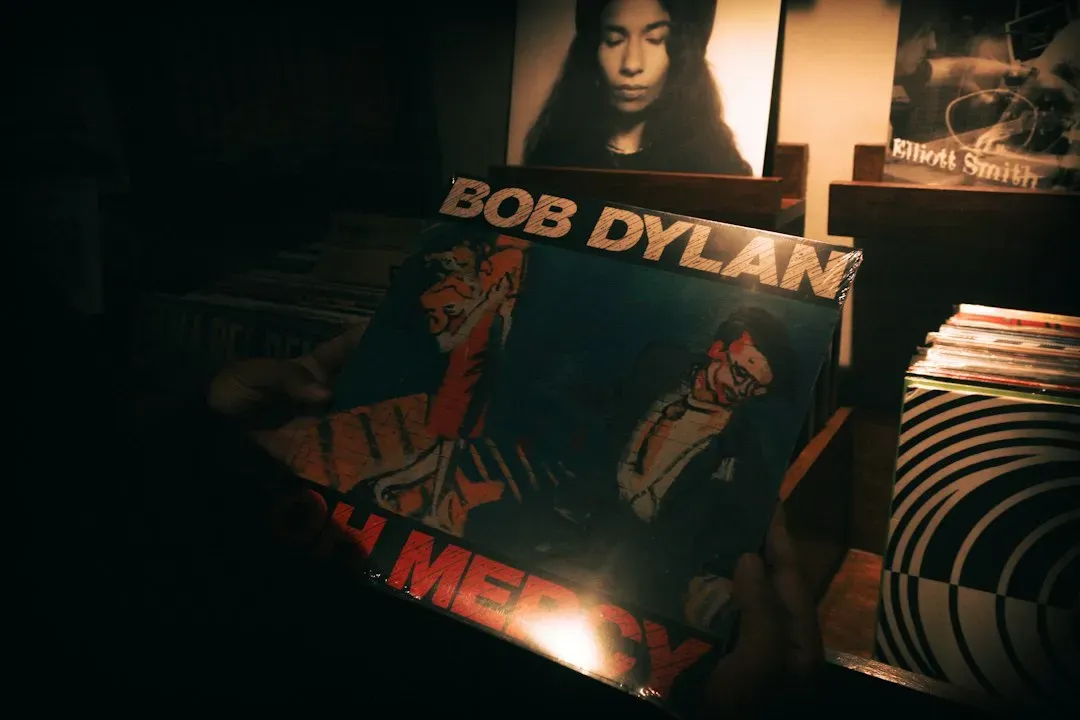
Dylan’s loose, brass heavy single repeats a line that many listeners took as a reference to getting high. Stations in several places, including some in the United States, restricted it for that reason. Dylan has long been coy about what he meant.
The record still did well, reaching number two on the Billboard Hot 100. It stands out as a case where a rumored meaning mattered more to gatekeepers than any stated one.
Society’s Child by Janis Ian (1967)
Janis Ian wrote this song as a teenager. It tells of an interracial romance ended by pressure from family, school and neighbors. Many stations were unwilling to play it, and the subject drew a hostile response from some listeners.
The record gained new life after conductor Leonard Bernstein featured Ian on a television special in 1967. It then made the American top twenty, peaking at number fourteen. The attention helped turn a quiet single into a landmark of the decade.
Let’s Spend the Night Together by The Rolling Stones (1967)

The title was suggestive for the time, and it ran into trouble with broadcasters. When the Stones appeared on The Ed Sullivan Show in January 1967, Mick Jagger changed the key line to something tamer. Some radio programmers were similarly wary of the song.
The flip side, Ruby Tuesday, became the bigger American hit and reached number one. The episode is a good example of how a single phrase could shape a record’s path.
A Day in the Life by The Beatles (1967)
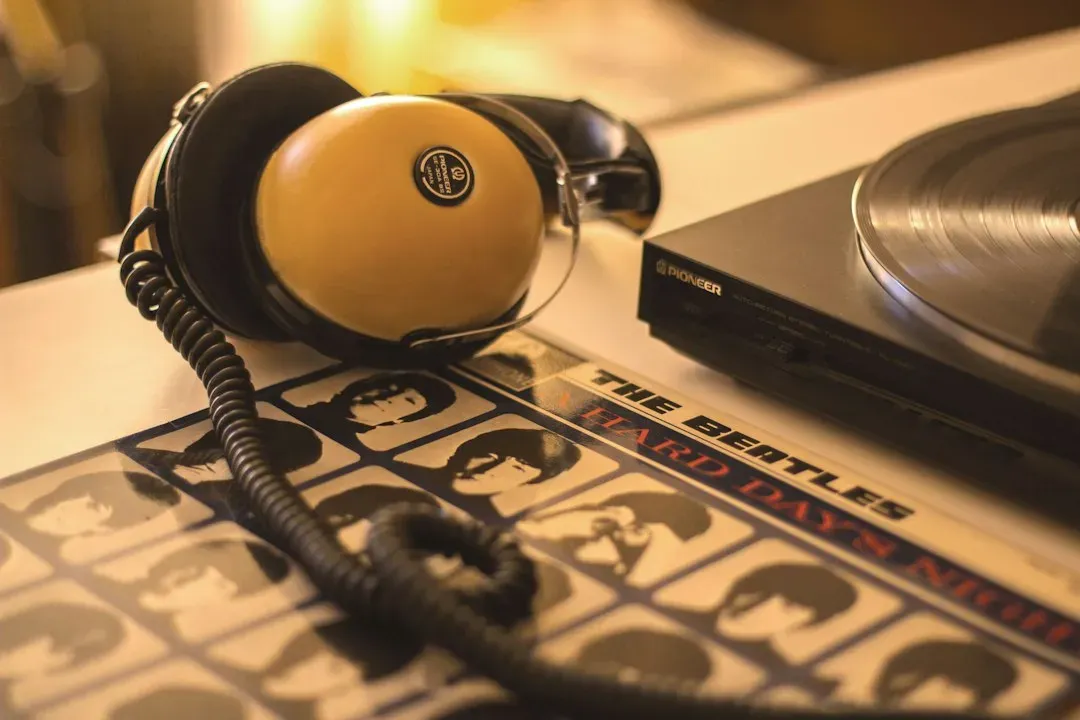
The closing track of Sgt. Pepper’s Lonely Hearts Club Band was kept off BBC airwaves in 1967. The corporation was concerned that one lyric could be heard as encouraging drug use. Its ban covered both radio and television.
The album itself was not blocked from sale, and it was a huge success. Today the song is widely treated as one of the finest Beatles recordings. The ban is now a footnote in its history.
Je t’aime… moi non plus by Serge Gainsbourg and Jane Birkin (1969)

This French duet is built around breathy vocals and sounds that left little doubt about its subject. The BBC refused to play it, and it was condemned in several countries, with the Vatican among its critics. Stations elsewhere in Europe also restricted it.
In Britain the record reached number one on the singles chart in late 1969. The controversy plainly helped, since many buyers were curious about what had been kept off the air.
The Ballad of John and Yoko by The Beatles (1969)
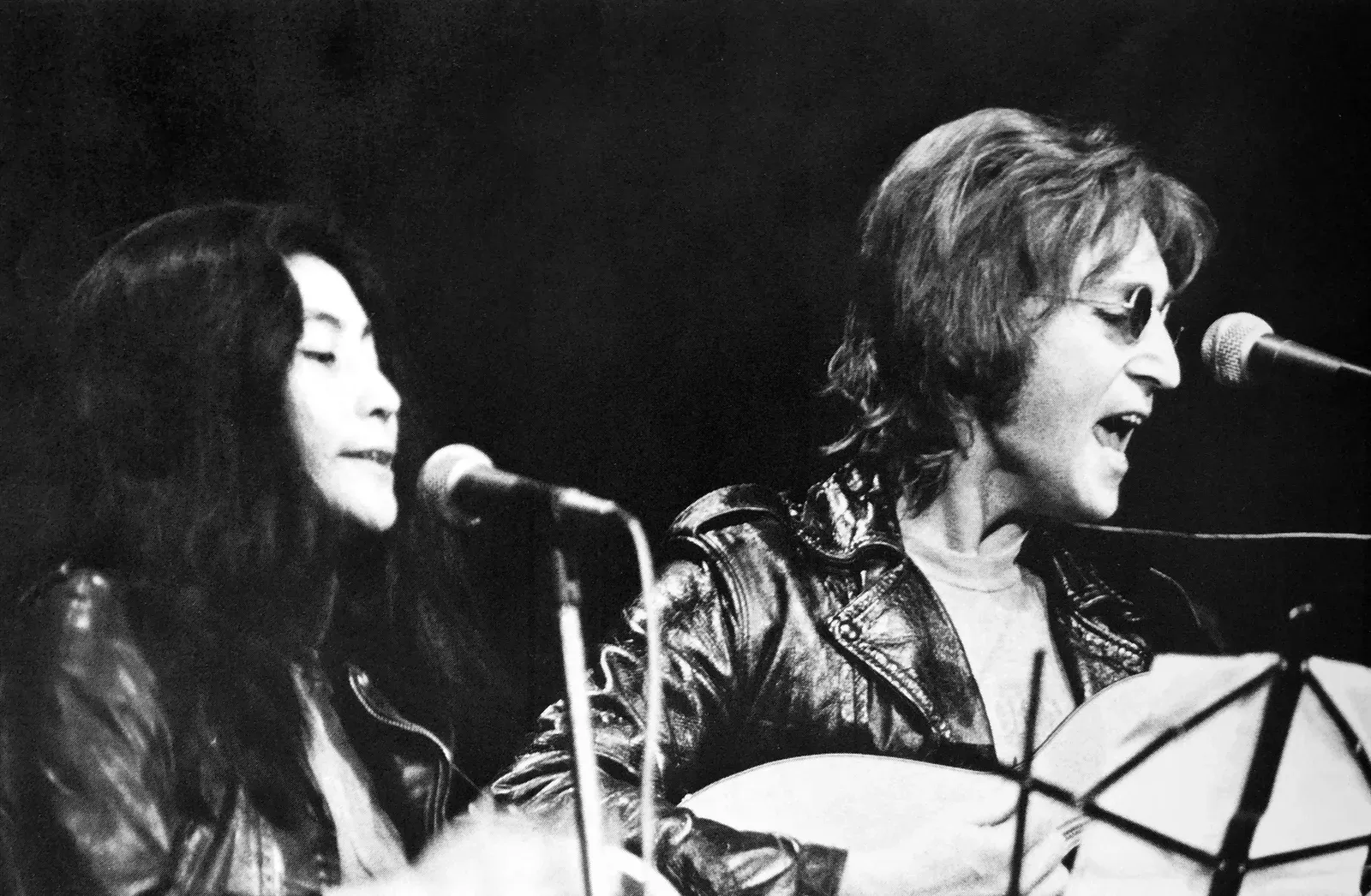
This single recounts the events surrounding John Lennon and Yoko Ono’s wedding and travels. Its chorus mentions Christ and crucifixion in a casual way. A number of American radio stations declined to play it for that reason.
It reached number one in the United Kingdom and made the top ten in the United States. The Beatles had not expected a hit to be held back by a religious reference, and the restriction didn’t stop it from climbing the charts.