Hollywood loves to remind us how much a movie costs and how long it took to make, but some of the most beloved films in cinema history were rushed together in a matter of weeks, sometimes days, with tiny crews, exhausted actors, and budgets that wouldn’t cover a modern blockbuster’s catering bill. These films prove that a tight schedule doesn’t have to mean a thin story or sloppy craft. In fact, the pressure often forced directors to make sharper choices, and audiences have been rewarded with movies that still hold up decades later.
Below are twelve films, spanning horror, comedy, drama, and everything in between, that were shot in under thirty days and went on to become certified classics. Each one is a reminder that time and money are useful, but they aren’t everything.
1. Psycho (1960)
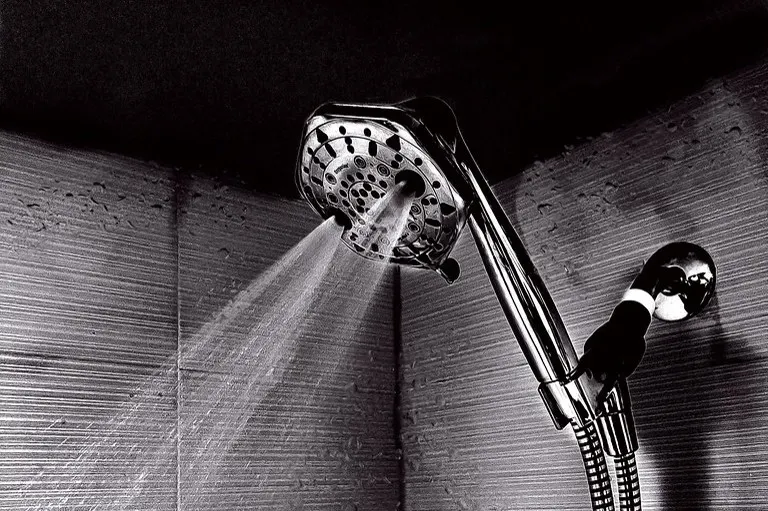
Alfred Hitchcock treated his horror masterpiece almost like a television production, using the crew from his own show Alfred Hitchcock Presents to keep costs down. The film was produced for a low budget of $800,000 and was filmed in six weeks, shooting in mostly interiors by using non-elaborate sets. That efficiency extended even to the film’s most famous sequence, where the shower scene alone was filmed in seven days, requiring seventy camera setups for forty-five seconds of footage.
Despite the modest budget and compressed schedule, Hitchcock delivered a film that redefined what horror could look like on screen. Initially the film divided critics due to its controversial subject matter, but audience interest and outstanding box-office returns prompted a major critical re-evaluation. More than sixty years later, Psycho remains one of the most studied and imitated films ever made.
2. Rocky (1976)
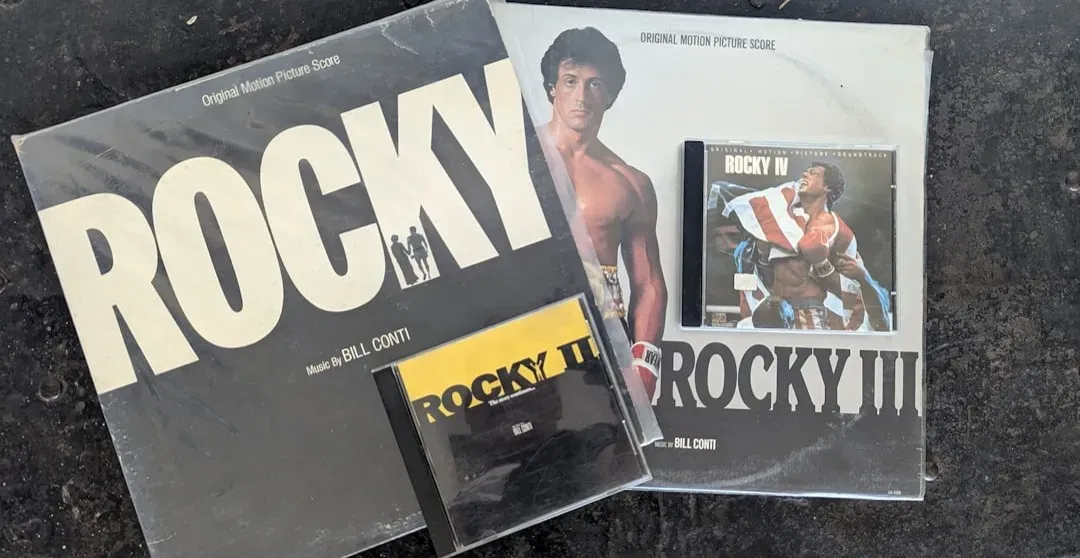
Sylvester Stallone wrote the script for Rocky in just a few days, and the production itself moved almost as fast. The film, made for only US$1.2 million, and shot relatively fast in 28 days, was a sleeper hit; it made over US$117.2 million, won three Oscars, including Best Picture, and garnered mostly positive reviews which helped to launch Stallone’s career. Studio executives had little faith in the project, which is part of why the shoot was squeezed so tightly.
The rushed conditions didn’t hold the film back creatively. Their finalized deal with Stallone gave them the right to fire him at any time within 14 days if he proved to be problematic on set, reduced the film’s budget to $900,000, and gave him less than a month to shoot it. Stallone pulled it off anyway, and Rocky went on to spawn one of the most enduring franchises in American film.
3. Halloween (1978)
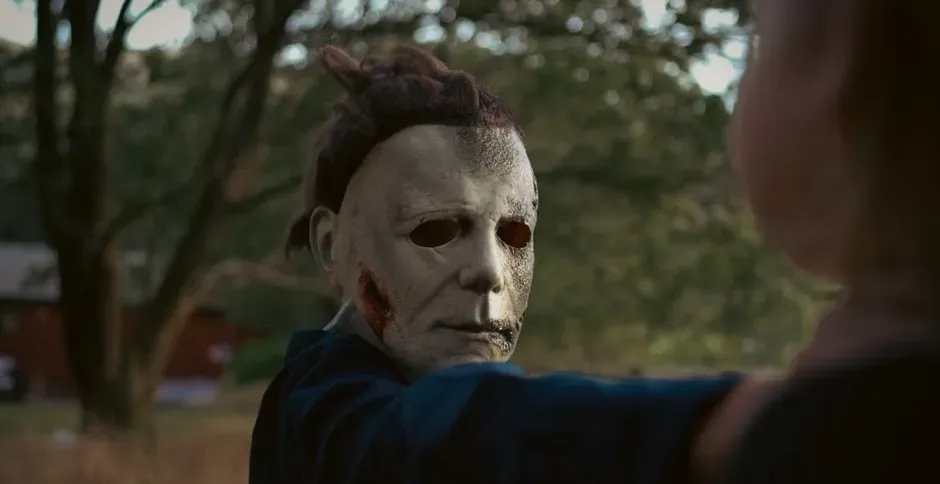
John Carpenter’s slasher classic was made on a shoestring, and the schedule matched the budget. Shot in just 20 days on a $325,000 budget in the suburbs outside of Los Angeles, the scare-fest set in Haddonfield, Ill., about a white mask-sporting psychopath who stalks and terrorizes three young babysitters on Halloween night, became a phenomenon. Carpenter and Debra Hill wrote the script almost as quickly as they shot it.
The financial returns were staggering relative to the investment. From a budget of $300,000, the film went on to gross $47 million at the US box office. Halloween essentially created the template for the slasher genre that dominated horror for the next decade and beyond.
4. Clerks (1994)
Kevin Smith financed his directorial debut by maxing out credit cards and selling his comic book collection, then shot the entire film at the convenience store where he actually worked. The film was initially shot for $27,575 before its film rights were purchased by Miramax Films, and $230,000 was spent on music licensing and editing. The shoot itself moved fast out of necessity, since Smith could only film when the store was closed.
The conditions were brutal but efficient. The film was shot in 21 straight days, with two “pick-up” days. Smith would work his day job, then film through the night, surviving on almost no sleep for the entire shoot. The result launched his career and helped kick off the 1990s independent film boom.
5. El Mariachi (1992)
Robert Rodriguez became something of a legend in film school circles for how he made his debut feature. Working with a budget that barely covered basic film stock, he shot the entire movie in the small Mexican town of Ciudad Acuña, using local nonprofessional actors and whatever equipment he could scrape together. The final cost came in at around seven thousand dollars, a figure that still gets cited as one of the lowest budgets ever to produce a theatrically released studio film.
Rodriguez completed principal photography in about two weeks, relying on borrowed gear and favors from friends and family. He later detailed the entire process in his book Rebel Without a Crew, which became required reading for aspiring independent filmmakers. The film’s scrappy energy and clever action sequences convinced Columbia Pictures to pick it up for wide distribution, turning a guerrilla shoot into a launching pad for one of Hollywood’s most commercially successful genre directors.
6. The Blair Witch Project (1999)
Before found footage horror became a crowded genre, two film school graduates changed the game with a movie shot in the woods over roughly a week and a half. The three lead actors were given rough outlines rather than a traditional script and were told to improvise their reactions to events staged by the crew, who left them supplies and clues in the forest each night. That improvisational, low-tech approach became the film’s signature style.
The final theatrical cut came together from hours of raw, shaky footage captured on a tiny budget, but the marketing campaign convinced audiences the footage might be real. That combination of an efficient shoot and a viral, internet-driven marketing push turned a film made for a few tens of thousands of dollars into a box office phenomenon that grossed well over one hundred million dollars worldwide.
7. Paranormal Activity (2007)
Oren Peli shot his haunted house thriller almost entirely inside his own home, using a cast of two lead actors and a script that leaned heavily on improvisation. The shoot wrapped in about a week, an astonishingly short window even by low-budget horror standards, and the entire production cost roughly fifteen thousand dollars. Peli served as writer, director, cinematographer, and editor essentially by himself.
The film sat unreleased for a couple of years before Paramount picked it up and gave it a platform release that relied on audience demand through online voting. That grassroots approach paid off enormously, and the film eventually grossed close to two hundred million dollars globally, becoming one of the most profitable films ever made relative to its budget and spawning a long-running franchise.
8. Get Out (2017)
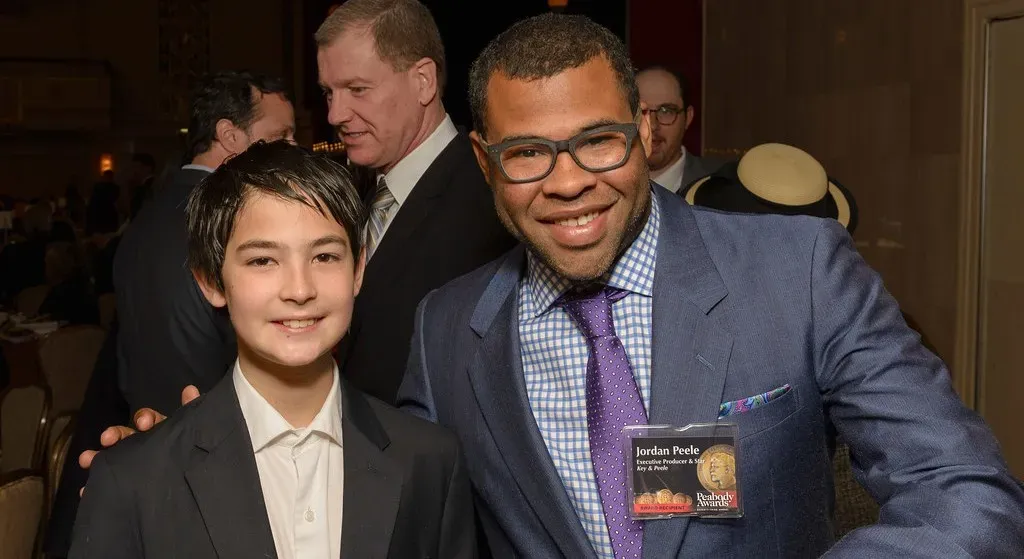
Jordan Peele’s directorial debut proved that a horror satire with sharp social commentary could be made efficiently without sacrificing polish. The film was shot in a little over three weeks, a schedule that reflected its relatively modest budget of around four and a half million dollars. Peele had spent years developing the script before cameras rolled, which allowed the compressed shoot to stay focused and controlled.
That preparation clearly paid off. Get Out went on to gross well over two hundred million dollars worldwide and earned Peele an Academy Award for Best Original Screenplay, an unusual honor for a horror film. It remains one of the most critically celebrated genre films of the past decade, praised for balancing genuine scares with pointed social critique.
9. Once (2007)
John Carney’s Dublin-set musical drama was made on such a limited budget that the crew often shot in public spaces without permits, capturing real reactions from passersby. The entire film came together in a little over two weeks, using a small handheld camera setup that gave it a documentary-like intimacy. Lead actors Glen Hansard and Markéta Irglová, both musicians rather than trained actors, wrote and performed the songs that became central to the story.
Despite its tiny scale, Once became an unexpected awards contender, with its signature song “Falling Slowly” winning the Academy Award for Best Original Song. The film’s success led to a Broadway musical adaptation that ran for years and won multiple Tony Awards, an unusual afterlife for a film that started as a scrappy, low-budget passion project.
10. Saw (2004)
James Wan’s grim, twisty horror thriller was shot on an extremely tight schedule in Los Angeles, largely confined to a single grim bathroom set that became iconic in horror circles. The production moved fast partly out of budgetary necessity, with the entire shoot completed in under three weeks. Wan and co-writer Leigh Whannell had shopped the concept around for a while before securing modest financing to make it happen.
The film’s tight, claustrophobic setting actually worked in its favor, turning budget limitations into a stylistic strength. Saw became a sleeper hit that grossed more than one hundred million dollars against a budget in the low millions, and it launched a franchise that would define mainstream horror for much of the 2000s and beyond.
11. Whiplash (2014)
Damien Chazelle’s intense drama about a driven music student and his brutal instructor was shot in a remarkably short window given how meticulously crafted the finished film feels. The production wrapped in under three weeks, which meant every scene, especially the elaborate drumming sequences, had to be planned with extreme precision beforehand. Chazelle had already tested the concept with a short film version, which helped streamline the feature shoot.
The efficiency behind the camera never shows on screen. Whiplash earned widespread critical acclaim and won three Academy Awards, including a Best Supporting Actor win for J.K. Simmons. It remains a frequently cited example of how meticulous pre-production can compensate for a punishingly short shoot.
12. Primer (2004)
Shane Carruth’s cerebral, low-budget science fiction film about two engineers who accidentally build a time machine was made on a budget so small it barely qualifies as a rounding error compared to typical genre filmmaking. Carruth wrote, directed, edited, scored, and starred in the film, shooting it in about four weeks using mostly non-professional equipment and a small cast of friends and local actors in Dallas.
The film’s confusing, layered plot became part of its appeal, sparking endless online discussions and diagrams attempting to map its timeline. Primer won the Grand Jury Prize at the Sundance Film Festival, an achievement that remains remarkable given its budget was reportedly around seven thousand dollars, putting it in the same rarefied territory as El Mariachi for sheer resourcefulness.
What ties these twelve films together isn’t genre or era, it’s a kind of resourcefulness that modern franchise filmmaking rarely demands anymore. Limited time forced these directors to trust their instincts, lean on strong scripts, and make bold choices instead of hedging with reshoots and endless coverage. The results suggest that constraints, when handled well, can sharpen a film rather than weaken it.
None of this means shorter shoots automatically produce better movies. For every Rocky or Get Out, there are countless rushed productions that never found an audience. Still, these twelve titles are proof that vision and discipline can outweigh time and money, and that some of the most lasting stories in film history came together faster than most people would ever guess.