Every decade seems to produce its own list of the “best” American films, yet a handful of titles keep resurfacing no matter who’s doing the ranking. Critics, historians, and casual moviegoers rarely agree on much, but certain films have earned a kind of permanent residency in the national imagination. Here’s a look at ten of them, the movies that shaped how America tells stories about itself.
Citizen Kane (1941)
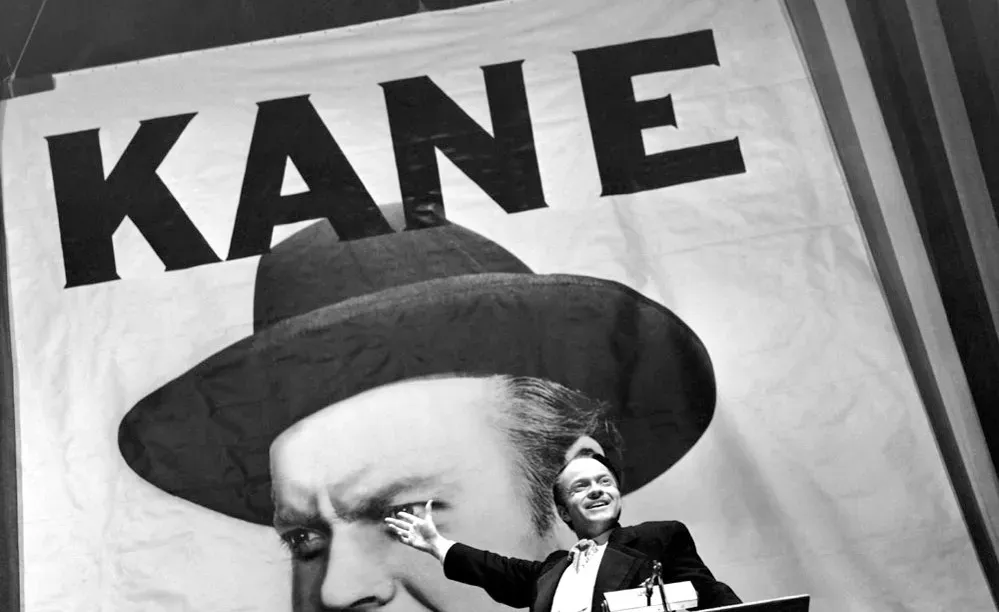
Orson Welles was only twenty five years old when he directed, co wrote, and starred in this film, and the confidence of it still feels startling. The story follows newspaper tycoon Charles Foster Kane through a fractured, non linear structure that was unusual for its era, using deep focus cinematography and inventive lighting to build a sense of psychological depth.
Critics have long pointed to its technical innovations, particularly cinematographer Gregg Toland’s work, as reshaping what was visually possible in studio filmmaking. The film’s final image, a burning sled labeled “Rosebud,” remains one of the most referenced symbols in cinema history, even for people who have never sat through the full picture.
The Godfather (1972)
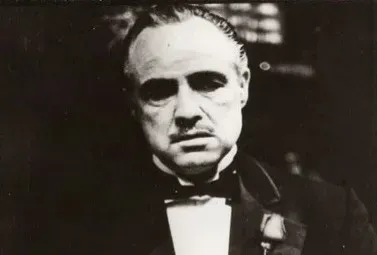
Francis Ford Coppola’s adaptation of Mario Puzo’s novel turned a mob story into something closer to a meditation on family, loyalty, and the corrosive nature of power. Marlon Brando’s performance as Vito Corleone, delivered in a raspy, deliberate cadence, became one of the most imitated in film history, while Al Pacino’s transformation from reluctant son to ruthless successor gives the film its emotional spine.
The movie swept the major categories at the Academy Awards and has been preserved in the National Film Registry for its cultural significance. Its influence extends well beyond gangster films, shaping how modern American cinema approaches slow burn character studies and multi generational storytelling.
Casablanca (1942)
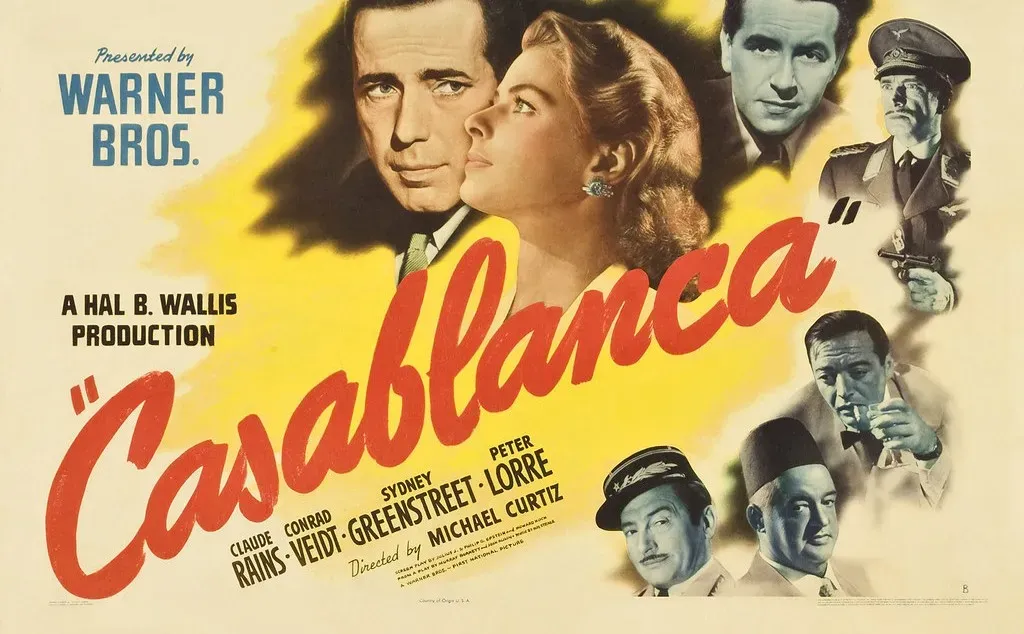
Set in Vichy controlled Morocco during World War II, this wartime romance follows a cynical expatriate who must choose between love and duty. Humphrey Bogart and Ingrid Bergman’s chemistry, combined with a script full of quotable lines, gave the film a staying power that outlasted its modest production circumstances.
Interestingly, the film was made quickly and without a completed script, with pages reportedly finished just before filming certain scenes. That improvisational pressure somehow produced a movie so tightly constructed that it remains a staple in film school curricula for screenwriting structure.
Vertigo (1958)
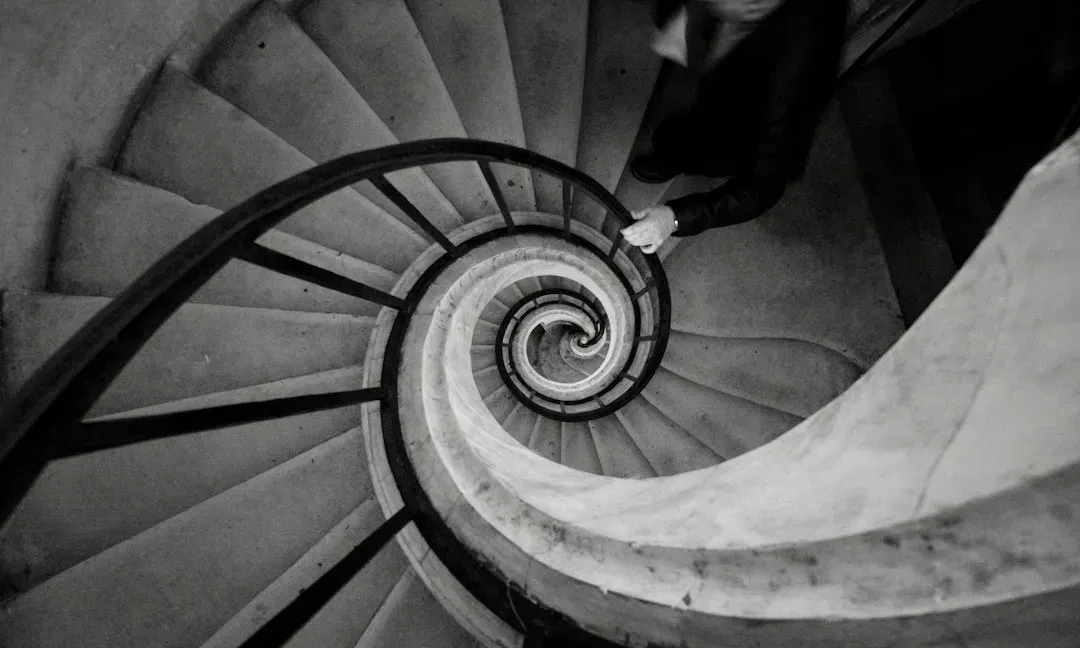
Alfred Hitchcock’s psychological thriller about obsession, identity, and manipulation initially received mixed reviews upon release but has since been reevaluated as one of the director’s most sophisticated works. James Stewart plays a former detective haunted by acrophobia and a growing infatuation with a woman he is hired to follow.
The British Film Institute’s Sight and Sound poll, which surveys hundreds of critics worldwide, ranked Vertigo as the greatest film ever made in its 2012 edition, a notable shift from Citizen Kane’s decades long hold on that top spot. Its innovative dolly zoom technique, now often called the “Vertigo effect,” continues to appear in films across genres.
Singin’ in the Rain (1952)
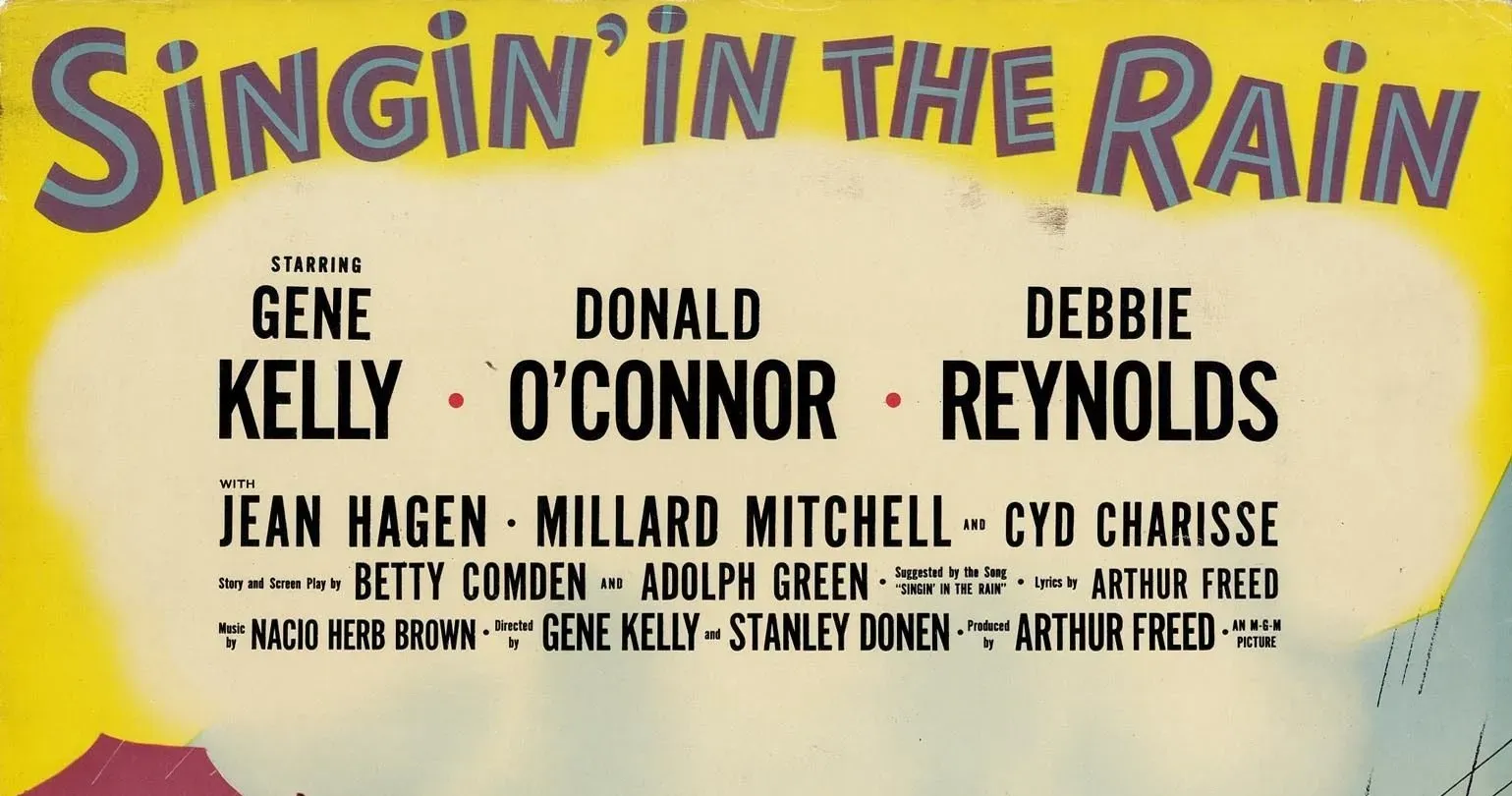
This musical comedy, directed by Gene Kelly and Stanley Donen, pokes affectionate fun at Hollywood’s chaotic transition from silent films to talkies. Kelly’s title number, performed in a genuine rainstorm on a studio backlot, has become shorthand for pure cinematic joy.
What makes the film endure isn’t just the choreography, though that remains extraordinary, but the sharp comedic writing that satirizes the industry without becoming cynical. The American Film Institute has repeatedly placed it among the greatest musicals ever produced in American cinema.
Schindler’s List (1993)
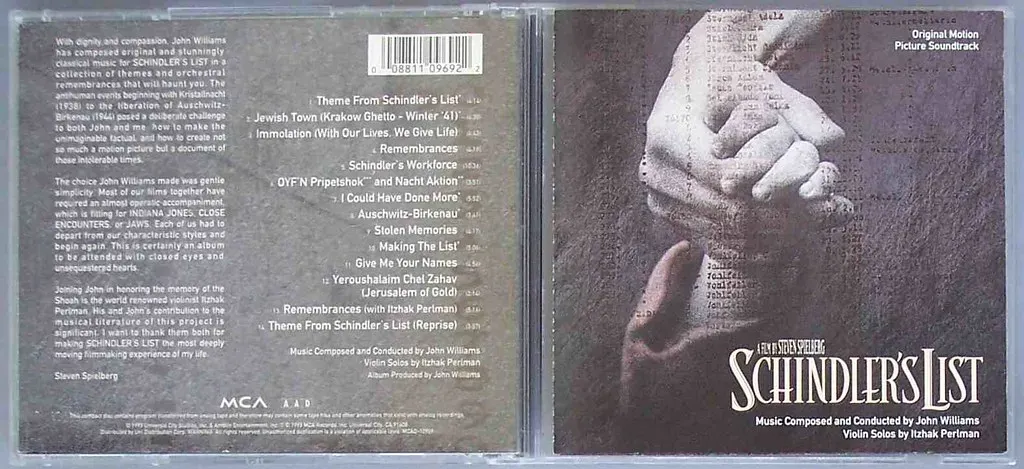
Steven Spielberg’s black and white drama about a German businessman who saved over a thousand Jewish refugees during the Holocaust marked a significant tonal shift for a director previously known for blockbuster entertainment. The decision to shoot largely without color gave the film a documentary like weight, occasionally interrupted by a single splash of red that has been widely discussed by film scholars.
Partner offer
The film won seven Academy Awards, including Best Picture and Best Director, and led Spielberg to establish the USC Shoah Foundation to preserve survivor testimonies. Decades later, it remains a fixture in classrooms teaching students about twentieth century history.
Goodfellas (1990)
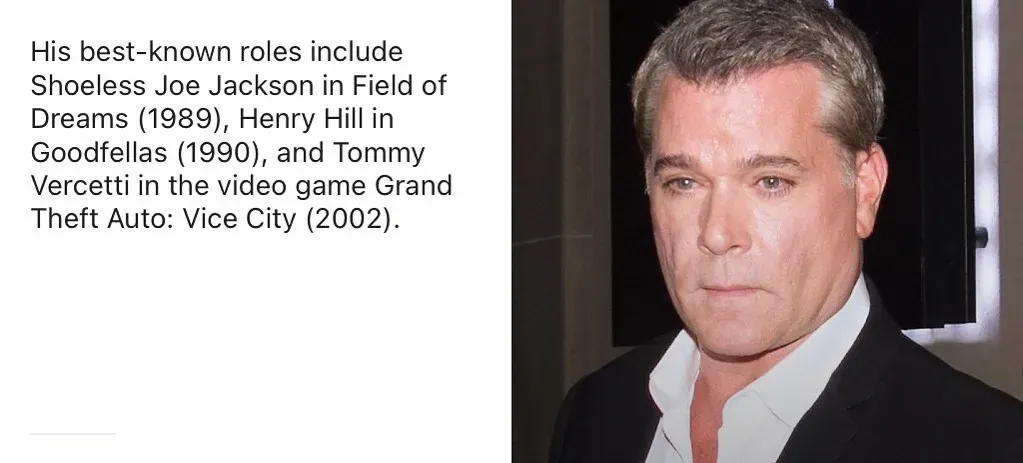
Martin Scorsese’s account of a mid level mobster’s rise and fall trades the operatic tone of The Godfather for something faster, meaner, and more grounded in everyday criminal life. The film’s kinetic editing, extended tracking shots, and jukebox soundtrack created a template that countless crime dramas have since borrowed.
Ray Liotta, Robert De Niro, and Joe Pesci deliver performances that feel almost documentary in their casualness, which paradoxically makes the violence more jarring when it arrives. Scorsese based much of the script on real events detailed in Nicholas Pileggi’s book “Wiseguy,” giving the story an unusual grounding in fact.
2001: A Space Odyssey (1968)
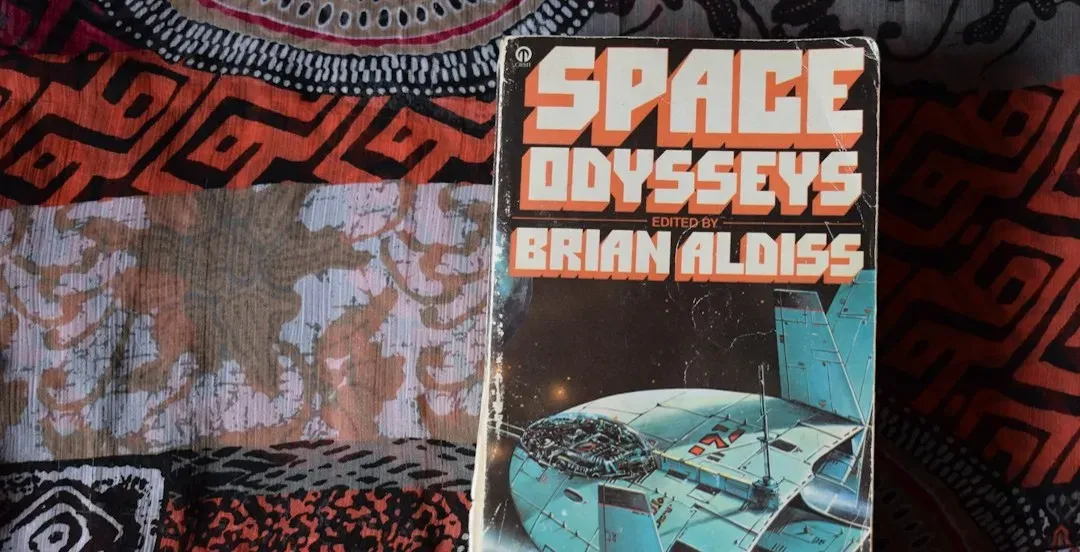
Stanley Kubrick’s ambitious science fiction epic uses minimal dialogue and long, deliberate visual sequences to explore human evolution, artificial intelligence, and the unknown. The film’s production design and special effects, created without computer generated imagery, still hold up remarkably well by modern standards.
Its influence on later filmmakers, including George Lucas and Ridley Scott, has been widely acknowledged in interviews and documentaries about science fiction cinema. The HAL 9000 computer, with its calm and unsettling voice, became a cultural reference point for discussions about artificial intelligence long before AI was a mainstream topic.
Pulp Fiction (1994)
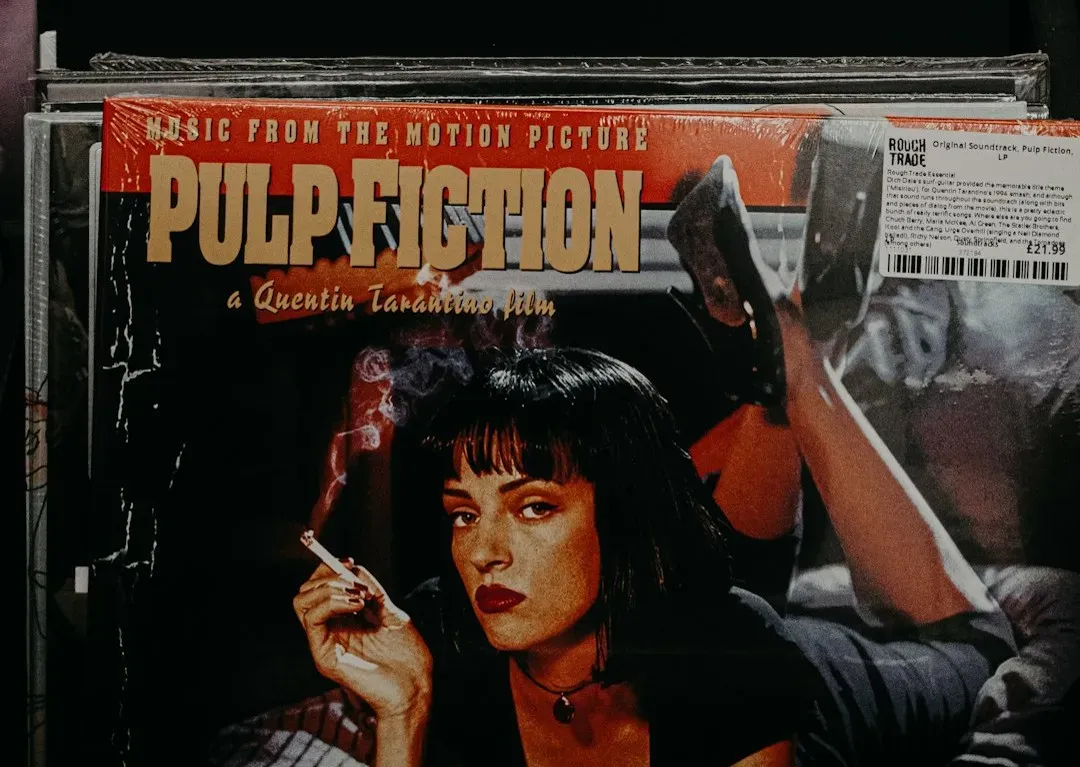
Quentin Tarantino’s nonlinear crime saga reinvigorated independent American filmmaking in the 1990s and helped revive John Travolta’s career. The film’s structure, which jumps around in time while weaving together several interconnected stories, was unconventional enough that some early audiences reportedly found it disorienting.
Its dialogue, filled with pop culture tangents and unexpected humor, became instantly quotable and widely parodied. The film won the Palme d’Or at Cannes and later the Academy Award for Best Original Screenplay, cementing Tarantino as a defining voice of his generation.
The Shawshank Redemption (1994)
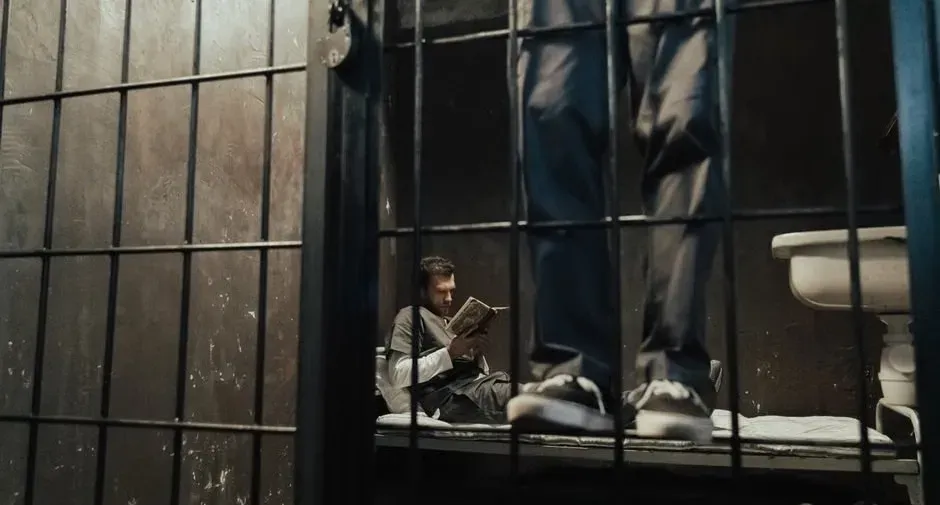
Based on a Stephen King novella, this prison drama about hope and endurance was a modest box office performer upon release but found a second life through home video and television syndication. Tim Robbins and Morgan Freeman’s performances, along with the film’s steady, patient pacing, gave it a quiet emotional power that built slowly over years rather than weeks.
The Shawshank Redemption has consistently ranked at or near the top of audience polls, including IMDb’s user rated list, despite receiving seven Oscar nominations and no wins. Its staying power says something about how word of mouth and repeated television airings can shape a film’s legacy just as much as its initial critical reception.
Some Like It Hot (1959)
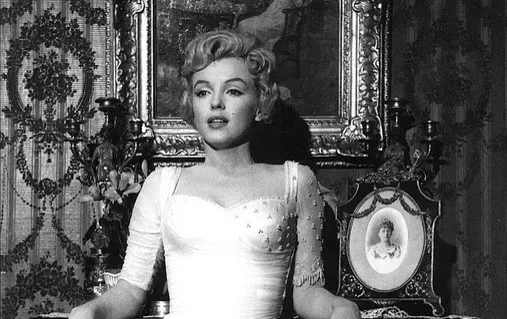
Billy Wilder’s comedy about two musicians who disguise themselves as women to escape gangsters after witnessing a murder remains one of the sharpest scripts in American comedy history. Marilyn Monroe, Tony Curtis, and Jack Lemmon anchor a film that balances slapstick with genuinely clever dialogue.
The American Film Institute named it the funniest American film ever made in its 2000 survey of industry professionals and critics. Its final line, delivered by Joe E. Brown, has become one of the most quoted closing moments in film history, still referenced decades after the movie’s release.
Partner offer
Planning a trip to Vegas?
Compare hotel rates and show tickets on VEGAS.com.