Plenty of musicians dabble in side projects, a clothing line here, a tequila endorsement there. But a select few have built something else entirely: real companies with real balance sheets, supply chains, and payrolls that dwarf anything a platinum record could generate on its own. Some of these ventures started as a hobby or a marketing gimmick and quietly turned into billion-dollar operations, often outpacing the music careers that made the artists famous in the first place.
Jay-Z: from Roc Nation to a billion-dollar spirits portfolio
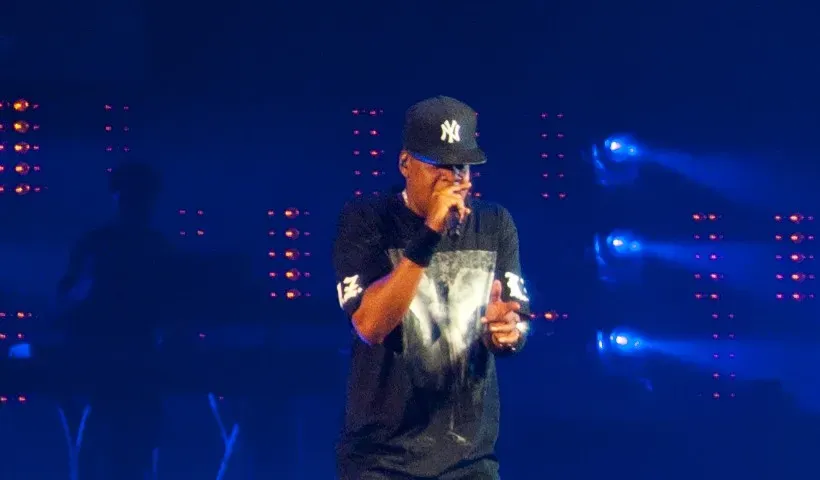
Jay-Z’s wealth today has almost nothing to do with album sales. His fortune stretches across Roc Nation, D’Ussé, Armand de Brignac, Tidal, Rocawear, music rights, art, property, and venture investments. The spirits side alone has produced staggering paydays: he sold half of Armand de Brignac champagne to LVMH’s Moët Hennessy and later cashed out a majority stake in D’Ussé cognac to Bacardi for around 750 million dollars.
Roc Nation, meanwhile, isn’t just an artist management shop anymore. Founded in 2008, it has grown into a multifaceted entertainment and lifestyle company that spans music, sports, and media, managing a roster of A-list artists while also overseeing top athletes through Roc Nation Sports. The company also produces the Super Bowl halftime show through its NFL partnership, which alone generates significant annual revenue outside the traditional music business.
Rihanna: a beauty empire that outgrew the music career
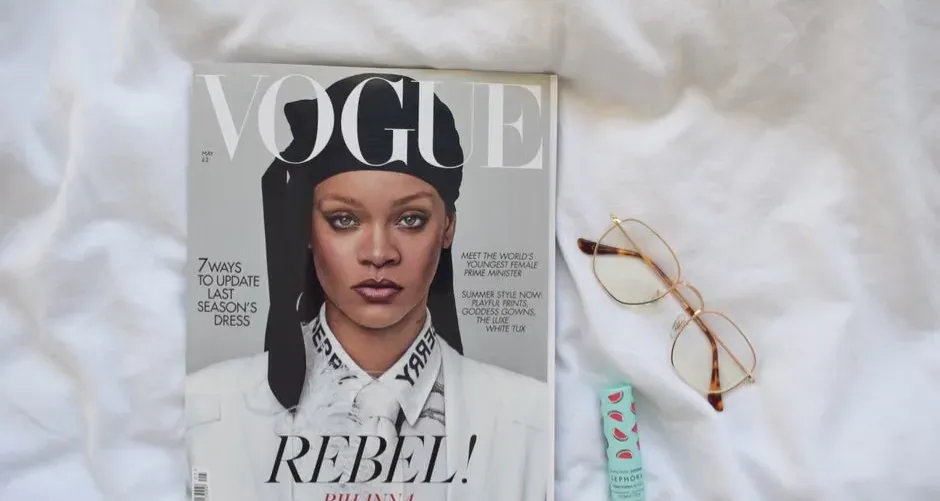
Rihanna hasn’t released a full studio album in years, yet she remains one of the wealthiest women in entertainment. Fenty Beauty launched on September 8, 2017, generated 570 million dollars in its first full year, and as of 2024 brings in over 600 million dollars annually while being valued between 2 and 3 billion dollars. She co-owns the brand in a 50/50 structure with LVMH, meaning her personal stake alone is worth well over a billion dollars at peak valuations.
Fenty Beauty was never just another celebrity makeup line. For decades, billion-dollar beauty companies offered only around 20 foundation shades for darker skin tones, treating that market as an afterthought, until Rihanna made 100 million dollars in 40 days proving that gap was worth closing. She later expanded the ecosystem with Savage X Fenty lingerie, which holds a valuation in the billion-dollar range, and added Fenty Skin and Fenty Hair to round out the portfolio.
Dr. Dre: the headphone company that made hip hop’s second billionaire
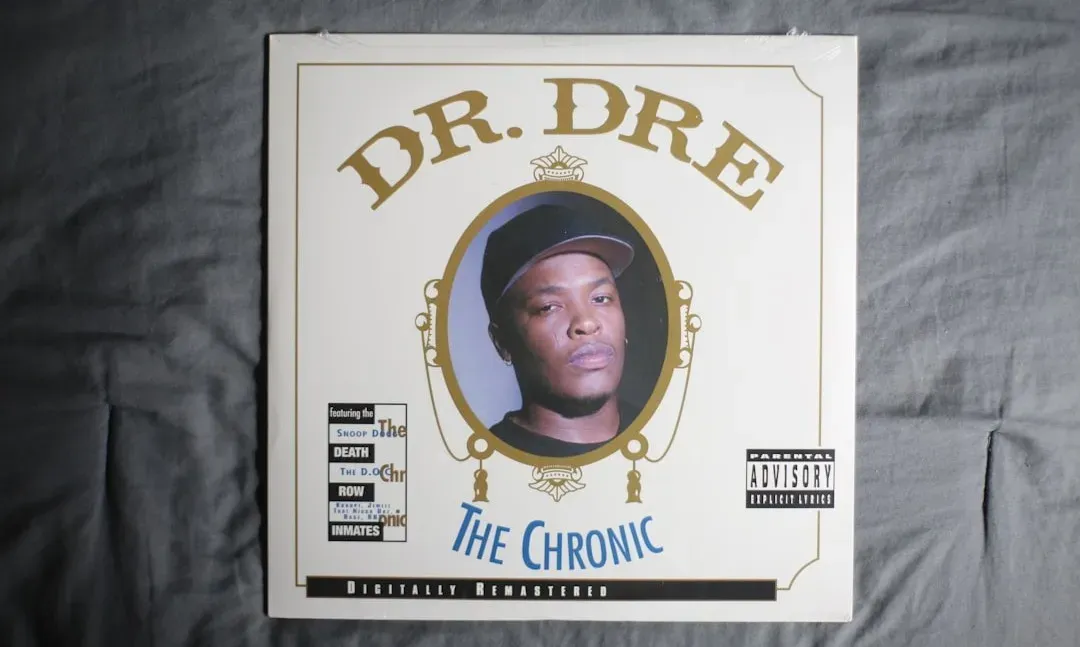
Dr. Dre’s Beats by Dre started as a headphone brand built with music executive Jimmy Iovine, and it ended up as one of the largest acquisitions in Apple’s history. Apple bought the company Dre cofounded, Beats Electronics, for 3.2 billion dollars. The deal briefly got trimmed after Dre celebrated too early on camera, but the numbers still made him one of the richest figures to ever come out of hip hop.
What’s easy to forget is that Beats wasn’t a passion project dreamed up overnight. Dre had been building toward it for years, moving from artist to label executive to entrepreneur, eventually parlaying a modest early stake sale in his Aftermath label into the connections and capital that made the Beats venture possible. The payout also cemented his status as a genuine business figure rather than just a producer with a famous name attached to a product.
50 Cent: the rapper who cashed in on flavored water
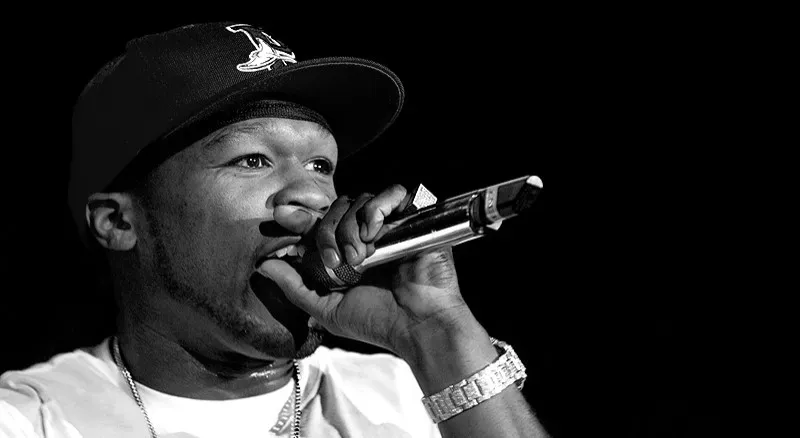
50 Cent’s Vitamin Water investment remains one of the most-cited examples of a musician turning an endorsement deal into serious equity. When Coca-Cola bought Glacéau, the company behind Vitaminwater, for 4.1 billion dollars in 2007, estimates placed 50 Cent’s personal profit from the sale at around 400 million dollars. It’s a deal often held up as proof that taking equity instead of a flat endorsement fee can pay off enormously.
The deal came together almost by accident. After Glacéau’s team saw 50 Cent in a sneaker commercial, they reached out about turning him into the brand’s ambassador, and he was happy to join a health beverage venture given his own workout habits. His manager at the time pushed for an equity stake rather than a simple paycheck, which turned out to be the more lucrative call by a wide margin.
Dolly Parton: the theme park queen of East Tennessee
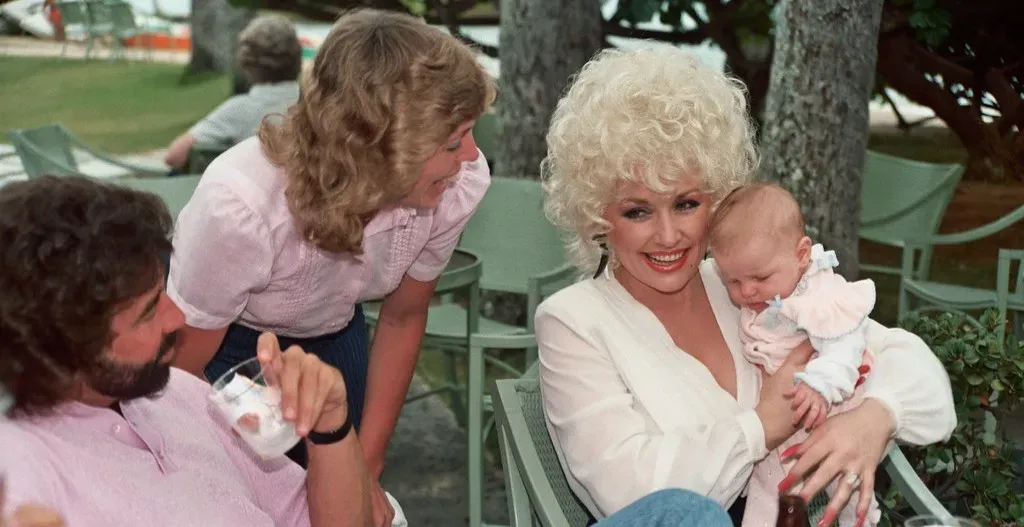
Dolly Parton’s business instincts go well beyond songwriting royalties. She and Herschend Family Entertainment remain co-owners of Dollywood, with Parton holding 50 percent and her stake in the park alone worth around 165 million dollars, not counting the water park and resorts tied to it. The park has become one of the most consistently praised attractions in the country.
Dollywood’s footprint extends far past ticket sales. It generates 1.8 billion dollars for Tennessee’s economy according to a state transportation study, and it’s credited with creating more than 23,000 jobs while standing as Sevier County’s largest employer. The brand has since grown to include a water park, dinner theaters, and multiple resort properties, turning a single attraction into a genuine hospitality group.
Jimmy Buffett: a song that turned into a hospitality giant
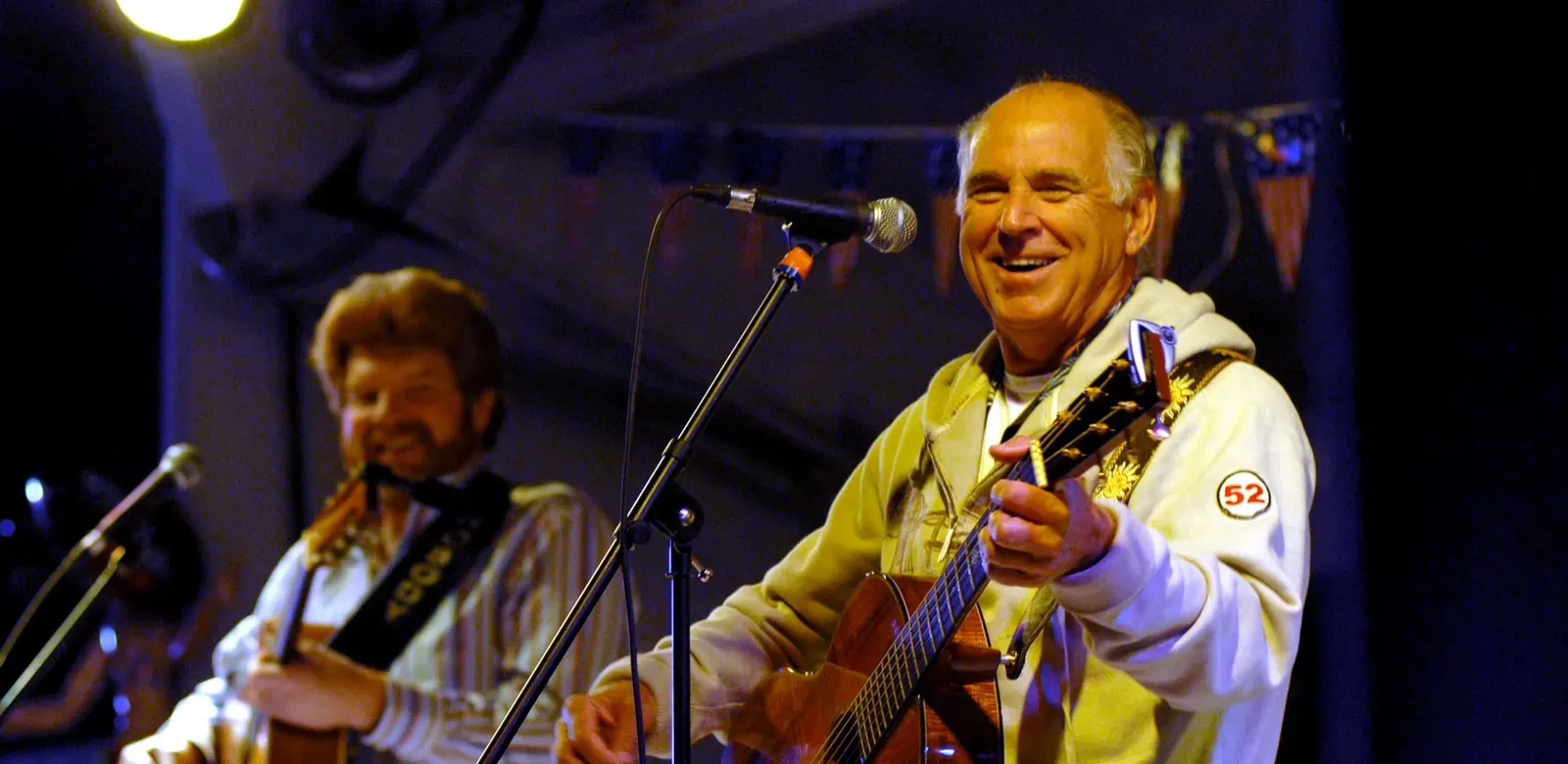
Few musicians have ever converted a single hit into an empire quite like Jimmy Buffett did with Margaritaville. Buffett owned dozens of businesses including restaurants, hotels, and casinos, with the brand eventually including 31 hotels and resorts across the United States. What began as a themed gift shop in Key West in the mid-1980s grew into retirement communities, cruise docks, casinos, and a beer line.
The scale of the operation is what makes it remarkable. Margaritaville Holdings was raking in 1.5 billion dollars a year at its peak, driven partly by Landshark Lager and Margaritaville Spirits gaining market share alongside the hospitality side. Even after Buffett’s passing in 2023, the brand’s licensed hotels, retirement communities, and restaurants have continued operating and expanding under the company he built with longtime business partner John Cohlan.
Partner offer
Snoop Dogg: cannabis, media, and a portfolio built on branding
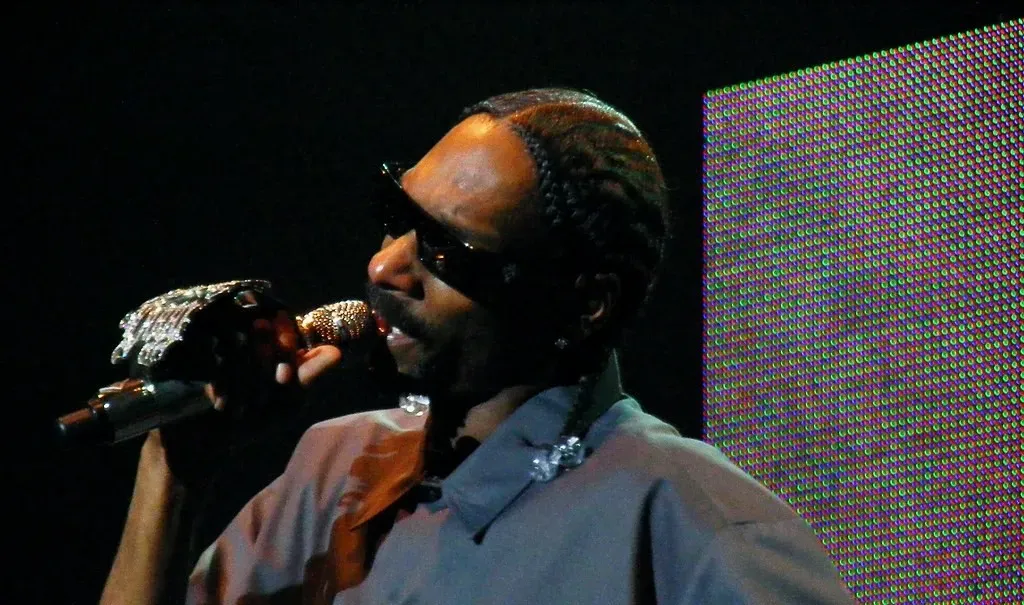
Snoop Dogg turned his long-standing public association with cannabis into an actual company rather than just a punchline. Through ventures like Leafs by Snoop, he became one of the first major recording artists to put his name directly on a licensed cannabis brand, moving into an industry that was still working out its legal footing in most states. That early positioning gave him a head start most other celebrity-branded products in the space never had.
Beyond cannabis, Snoop has built a broader media and consumer presence, including production deals, merchandise lines, and a stake acquisition of Death Row Records, the label that once signed him as an artist. Buying back a piece of the label that launched his career added a layer of symbolism to what was otherwise a straightforward business move. It’s a reminder that his commercial instincts extend well past any single product category.
Willie Nelson: the outlaw country legend turned cannabis entrepreneur
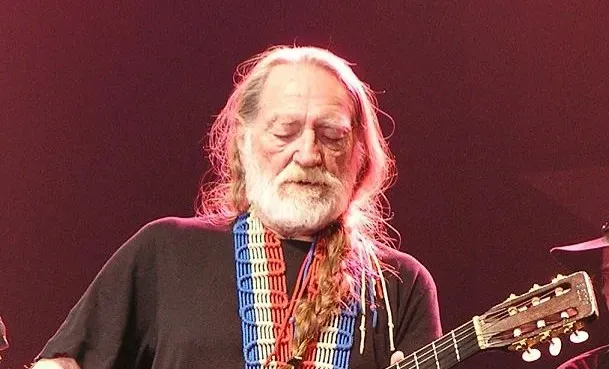
Willie Nelson’s decades of public advocacy for marijuana made his eventual entry into the legal cannabis business feel almost inevitable. His company, Willie’s Reserve, launched as one of the earlier celebrity cannabis brands and expanded across multiple states as legalization spread. The brand leaned heavily on Nelson’s decades-long reputation as a genuine, longtime supporter of the plant rather than a late arrival chasing a trend.
Nelson’s business interests aren’t limited to cannabis, either. He has maintained ownership stakes in golf courses, recording studios, and various Texas hospitality ventures over the years, treating his business dealings much like his music catalog: something built slowly, over decades, rather than chased for a quick payout. That patience has arguably made his ventures more durable than flashier celebrity brand launches.
Pharrell Williams: from Billionaire Boys Club to Louis Vuitton’s creative helm
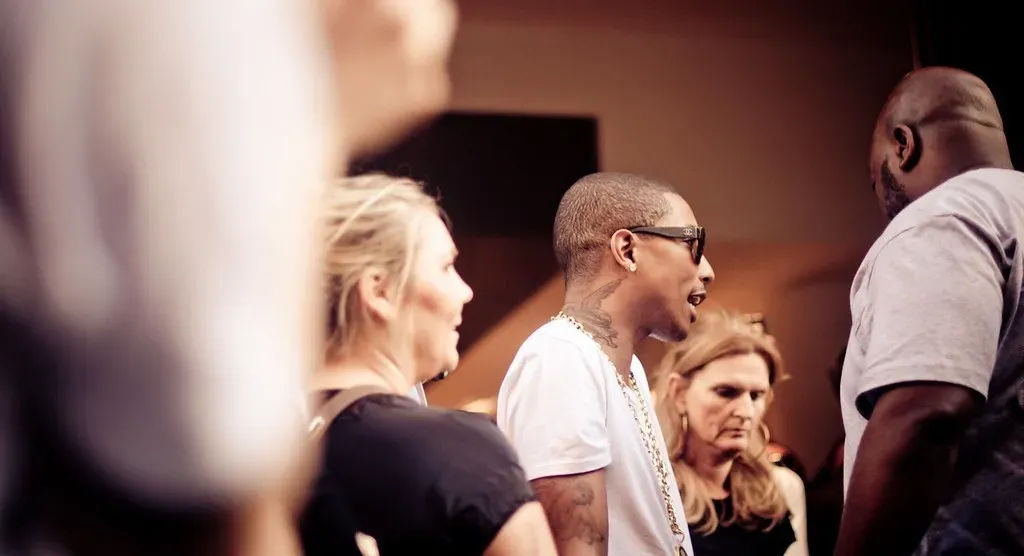
Pharrell Williams has spent years building a fashion and lifestyle portfolio that runs parallel to his production career. Billionaire Boys Club, the streetwear label he co-founded years earlier, gave him an early foothold in fashion retail well before most musicians treated apparel as anything more than tour merchandise. That early move positioned him as a genuine industry insider rather than a celebrity endorser when bigger opportunities eventually arrived.
His skincare line, Humanrace, extended that same instinct into a category most musicians never touch, built around a minimalist, wellness-focused approach rather than flashy branding. Pharrell also took on the role of menswear creative director at Louis Vuitton, an appointment that blurred the line between musician, designer, and executive in a way few artists have managed. Taken together, his business interests function less like side hustles and more like a second, fully developed career.
Gene Simmons: turning a rock persona into a licensing machine
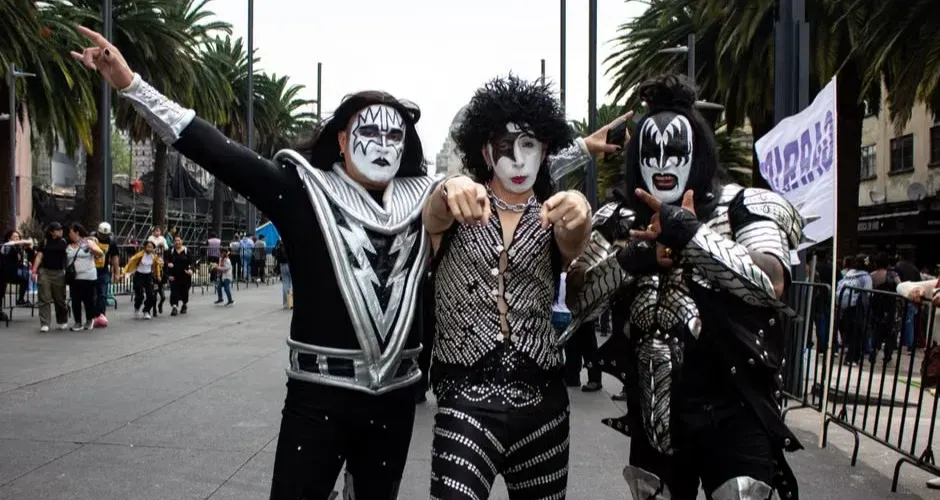
Gene Simmons of KISS has long been open about treating the band’s image as a product line rather than just a stage act. Over the decades, KISS merchandise has appeared on everything from lunchboxes to caskets, an approach Simmons has openly credited as one of the most aggressive licensing strategies in rock history. Few bands have matched that breadth of branded goods sitting on store shelves.
Simmons also co-founded Rock & Brews, a restaurant chain built around a rock and roll theme with locations across the United States and abroad. The chain expanded steadily through franchising, giving Simmons a genuine hospitality business rather than just a novelty tied to his fame. It’s a fitting extension of a career built on turning attention into revenue at nearly every opportunity.
Ludacris: restaurants, tech bets, and a diversified portfolio
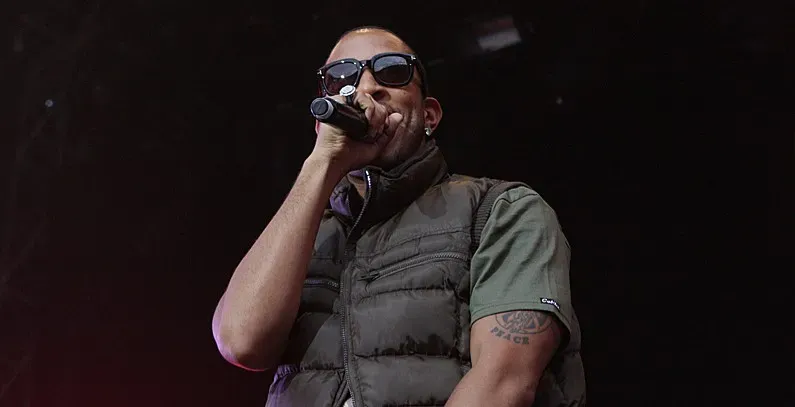
Ludacris opened Chicken + Beer, an Atlanta restaurant that became a hometown staple well beyond what most artist-branded eateries manage. Rather than treating it as a vanity project tied to a single album title, he kept the restaurant running for years as a legitimate local business with steady foot traffic. That longevity sets it apart from the many celebrity restaurants that quietly close within a couple of years.
He has also made a habit of putting money into technology and consumer startups, positioning himself as an active investor rather than just a spokesperson for other people’s products. Ludacris has talked publicly about wanting his business interests to outlast his music career, treating investing as a long-term project rather than a quick cash grab. That mindset has kept him relevant in business circles well outside of hip hop.
Toby Keith: a restaurant chain built on Oklahoma pride
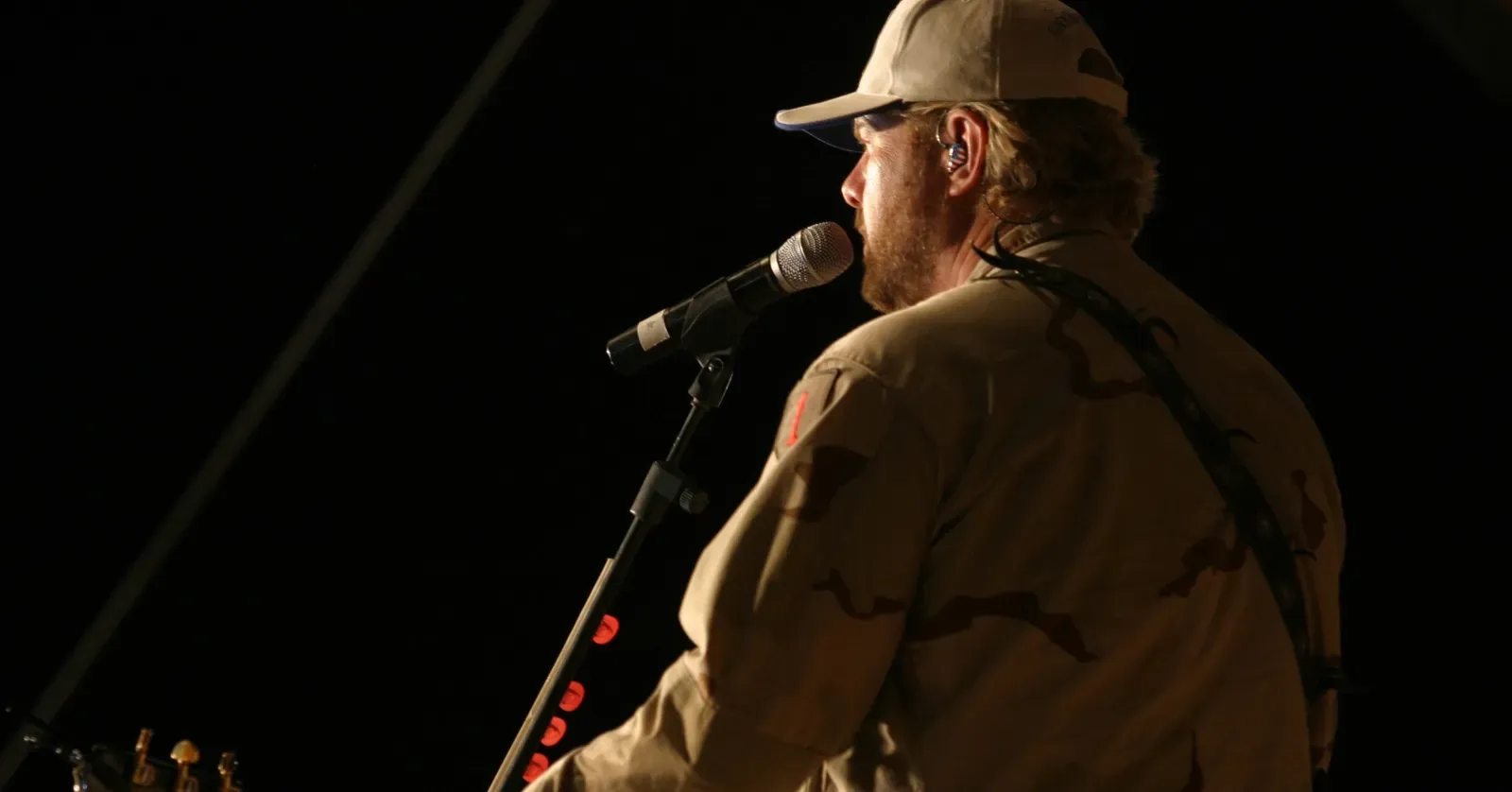
Toby Keith turned his country music brand into I Love This Bar & Grill, a restaurant chain named after one of his own hits and built around the same rowdy, good-time persona that defined his songs. The chain expanded to multiple locations across several states, blending live music, casual dining, and merchandise under one roof. It gave fans a physical space to experience his brand beyond concert dates.
Keith also launched Wild Shot Mezcal, a spirits brand that tapped into the same premium liquor trend that helped other musicians turn celebrity into equity. Following his death in February 2024 after a battle with stomach cancer, both ventures have continued operating under the businesses and partners he built them with. It’s a legacy that extends well past his catalog of chart-topping singles.
Taken together, these twelve stories point to a pattern more than a coincidence. The musicians who built the biggest businesses tended to treat fame as a starting point rather than the finished product, using their platforms to move into industries as different as cognac, cosmetics, headphones, and theme parks. Whether the venture began as genuine passion or savvy timing, the common thread is ownership: these artists didn’t just lend their names to someone else’s company, they built or bought pieces of the businesses themselves.Partner offer
Planning a trip to Vegas?
Compare hotel rates and show tickets on VEGAS.com.