Every so often, a single performance rewires how Hollywood sees an actor. Sometimes it’s a long shot casting choice that pays off in ways nobody quite predicted, and sometimes it’s a comeback nobody thought was still possible. Looking back at the past few years, three roles stand out as genuine turning points, the kind that shifted an actor from familiar face to industry conversation almost overnight.
1. Austin Butler as Elvis Presley in “Elvis” (2022)

Before Baz Luhrmann cast him as Elvis Presley, Austin Butler was mostly known for teen television work. He began his career appearing in TV shows for children and teens, such as Zoey 101 and The Carrie Diaries, a prequel spinoff of Sex and the City. He had a small but notable turn in Quentin Tarantino’s Once Upon a Time in Hollywood, but nothing that suggested he was about to headline a major biopic of one of music’s most scrutinized icons.
The transformation required for Elvis went beyond makeup and costuming. For the role, Butler embodied the “Jailhouse Rock” and “Suspicious Minds” musician for two whole years, changing his voice and regularly performing as the singer. The commitment was so total that his performance left him with an apparent “permanent” accent and has been widely praised, with many calling it a career-defining moment. The film itself became a genuine hit, going on to be a box office sensation, earning more than $287 million worldwide. Awards recognition followed quickly, with Butler winning a Golden Globe and picking up his first Oscar nomination, and the role opened doors to prestige projects like Dune: Part Two and Masters of the Air.
2. Brendan Fraser as Charlie in “The Whale” (2022)
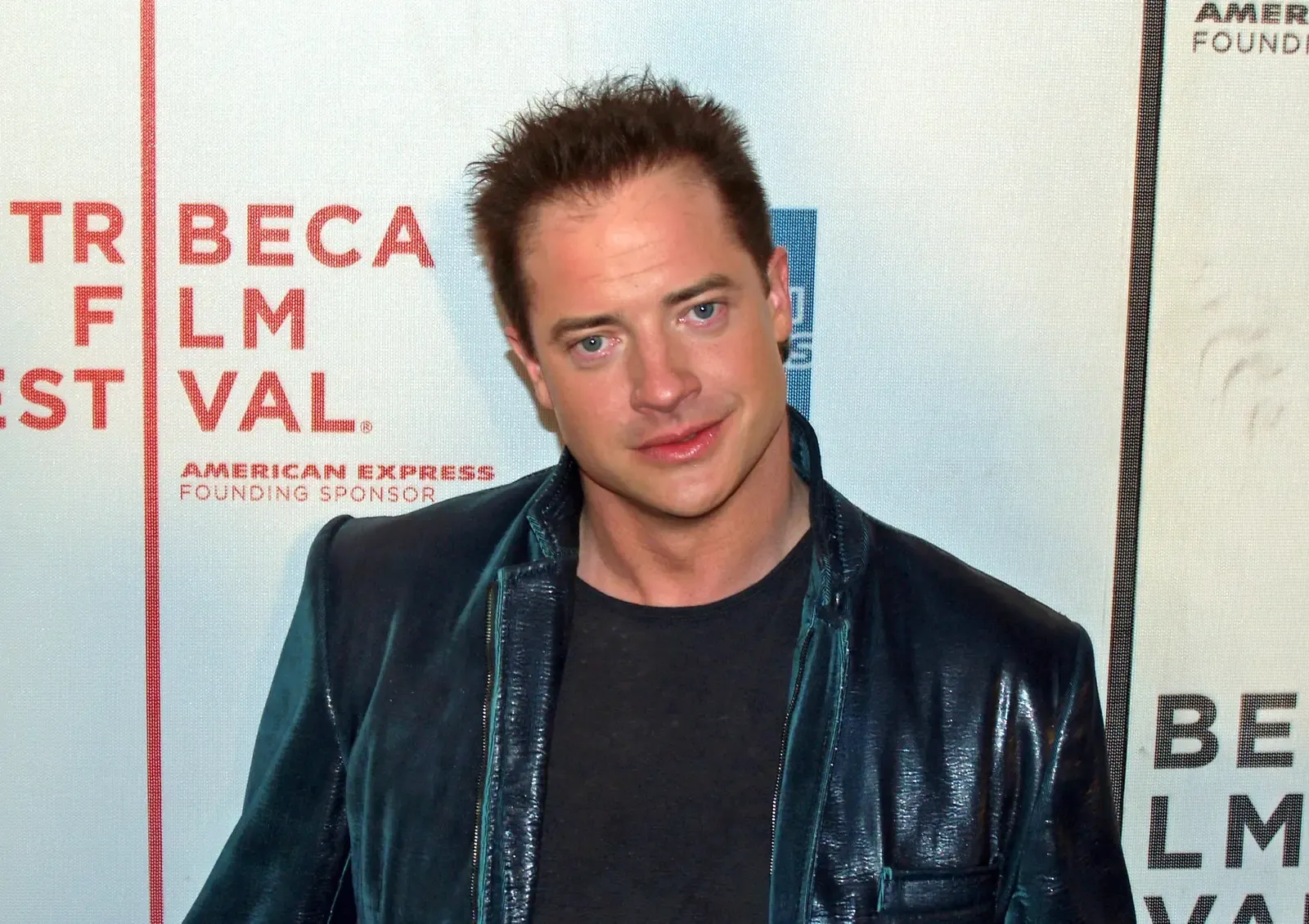
Brendan Fraser’s story is less about a sudden discovery and more about a return from the wilderness. In the 1990s and 2000s he was a genuine leading man, known for George of the Jungle and the Mummy trilogy, but his best actor victory capped a comeback for one of Hollywood’s former leading men who had admitted he was left “in the wilderness” for a decade. He had not carried a major theatrical release in over a decade before The Whale came along.
Partner offer
Darren Aronofsky’s film asked Fraser to play Charlie, a reclusive English teacher with morbid obesity who tries to salvage a relationship with his teenage daughter. The physical and emotional demands of the role, combined with the industry’s willingness to reconsider an actor it had largely written off, produced one of the more emotional awards seasons in recent memory. He swept the major precursor prizes, and Fraser had won more than 20 lead actor prizes from critics’ groups including the Critics’ Choice Assn., and collected the most reliable Oscar precursor, the Screen Actors Guild Award. When his name was called at the Oscars, Brendan Fraser completed the comeback of his career by winning his first Academy Award, for his harrowing, critically lauded performance.
3. Cillian Murphy as J. Robert Oppenheimer in “Oppenheimer” (2023)
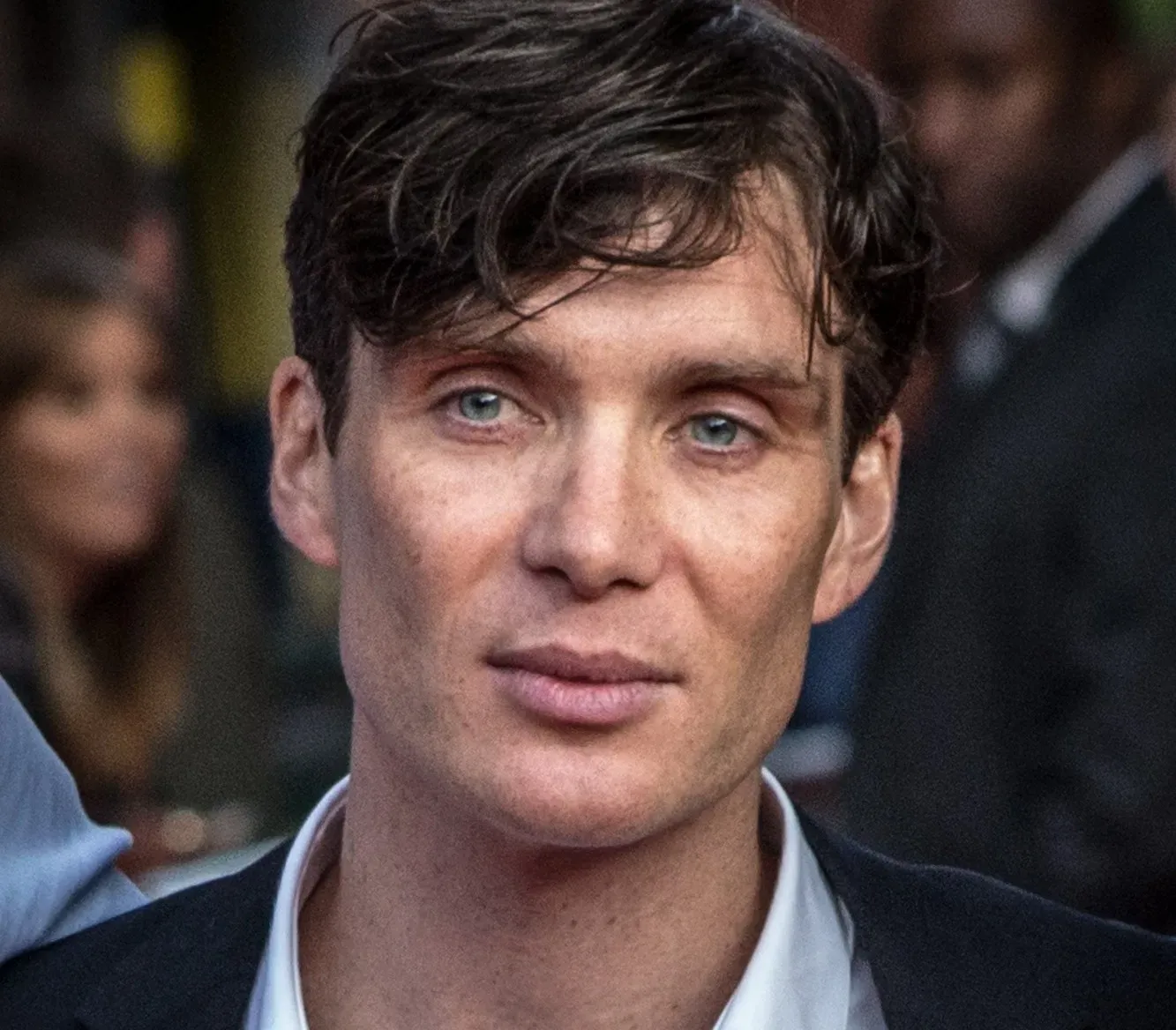
Cillian Murphy had spent nearly two decades working with Christopher Nolan, but always in a supporting capacity. As one report put it plainly, Murphy, though a regular presence in Nolan films going back almost two decades, had always been a supporting player, and this time Nolan wanted him to lead. That shift from Nolan’s reliable character actor to his leading man became the defining moment of Murphy’s career.
Oppenheimer was not a small bet either. The film received universal critical acclaim and grossed nearly a billion dollars at the worldwide box office, and was nominated for a total of 13 Academy Awards, the most of any movie released in 2023. Murphy’s performance carried that weight, and the recognition matched it. He picked up a Golden Globe, a BAFTA, a Screen Actors Guild Award, and finally the Oscar for Best Actor, marking his first Oscar nomination and win in one sweep. For an actor previously best known to mainstream audiences for Peaky Blinders and smaller Nolan roles, it was the clearest possible signal that he had moved into a different tier of leading actor entirely. These three performances share a common thread beyond the trophies. Each one asked the actor to disappear so completely into a role that audiences and industry insiders had to reconsider what that actor was capable of. Butler proved a teen television alum could carry a music biopic, Fraser proved a forgotten leading man still had range nobody had tapped, and Murphy proved that two decades of quiet supporting work can eventually earn a shot at the lead. None of it happened by accident, and none of it happened overnight, but in each case, one role was enough to change everything that came after.
Partner offer
Planning a trip to Vegas?
Compare hotel rates and show tickets on VEGAS.com.