Hollywood loves a good origin story, and some of the best ones start not with a dramatic monologue but with someone standing quietly in a crowd scene, hoping nobody notices they don’t quite belong there yet. Before the awards, the box office records, and the household name status, a surprising number of screen legends spent months or years just filling space in the background of other people’s movies. Their early credits, often uncredited entirely, read like a strange trivia game once you know what to look for.
1. Clint Eastwood
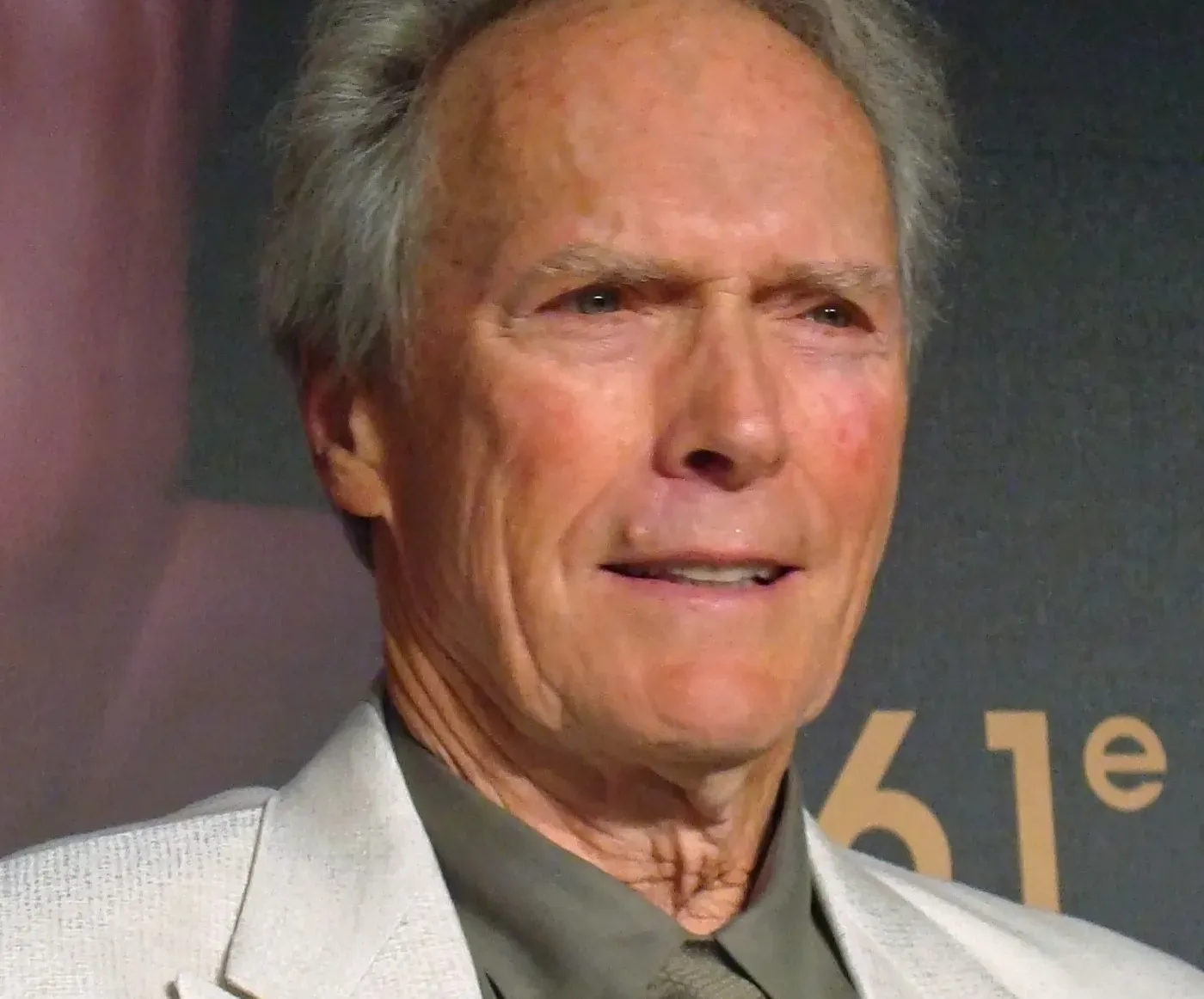
Long before he became synonymous with steely gazes and Westerns, Clint Eastwood worked steadily as a background actor through Central Casting in the 1950s, and his uncredited roles eventually led him to starring parts in Westerns and classic films like Dirty Harry. His run of anonymous appearances included titles most casual fans have never heard of, like “Revenge of the Creature,” “Francis in the Navy,” “Lady Godiva of Coventry,” and “Tarantula.”
It took several years of that grind before things clicked. It wasn’t until 1959 that his career took off a bit when he landed the role of Rowdy Yates on the TV show Rawhide. From there, the path to Dirty Harry and later to directing Oscar winners feels almost inevitable in hindsight, though at the time it was anything but guaranteed.
2. Sylvester Stallone
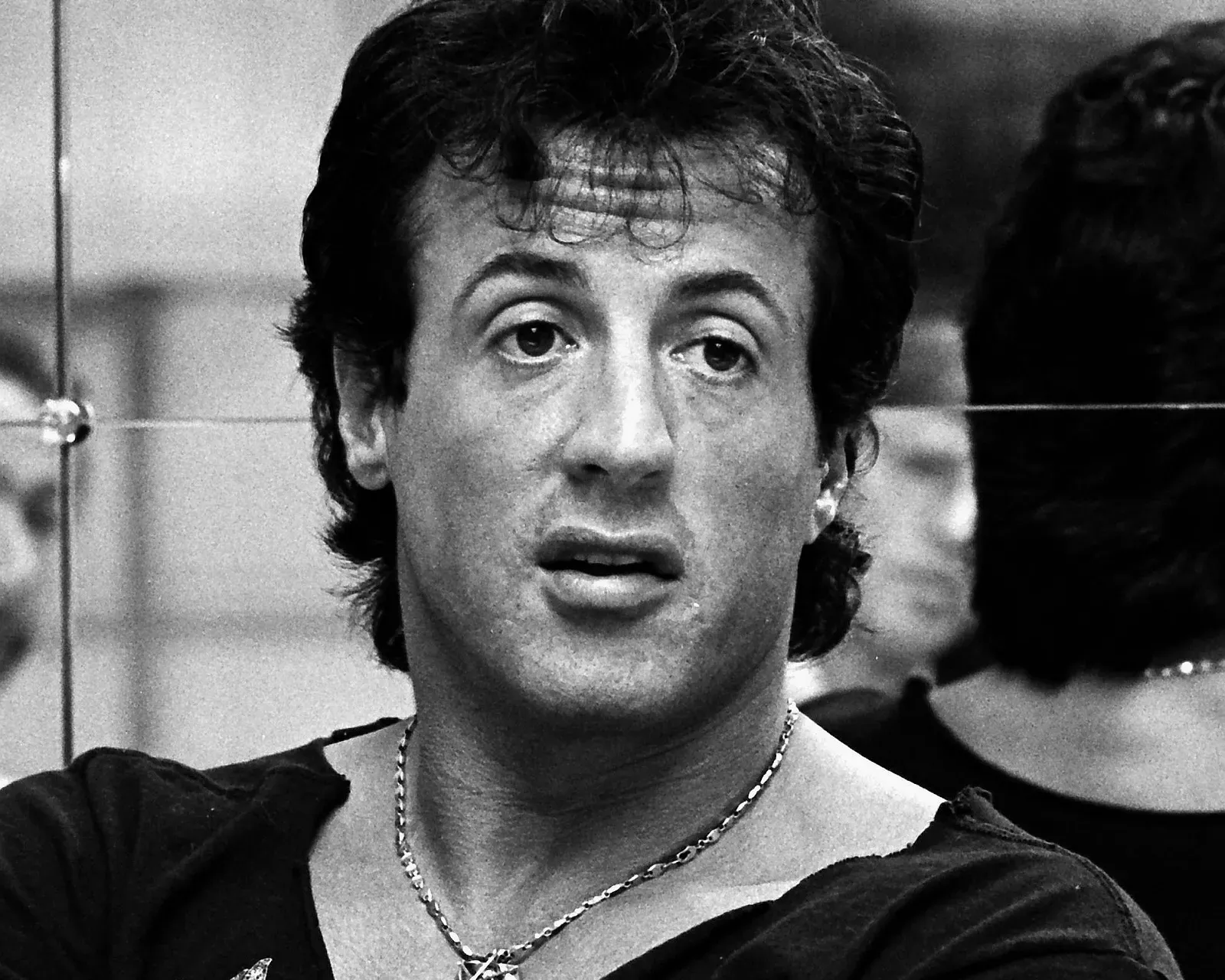
The man who would write and star in Rocky spent his early twenties picking up whatever work he could find, and some of it was decidedly unglamorous. Before writing and starring in Rocky, Sylvester Stallone appeared as an extra in Woody Allen’s Bananas in 1971, playing a subway mugger. That same year, he also appears uncredited in Klute as a disco club patron.
Even earlier, Stallone had taken on a role in a project that few would ever bring up on a red carpet. He appeared in The Party at Kitty and Stud’s, a low-budget adult film from 1970, where he played a bit part. It’s a strange footnote for an actor who would go on to define an entire genre of underdog sports dramas, and it says something about how unpredictable a young actor’s early career choices can look next to the finished product.
3. Brad Pitt
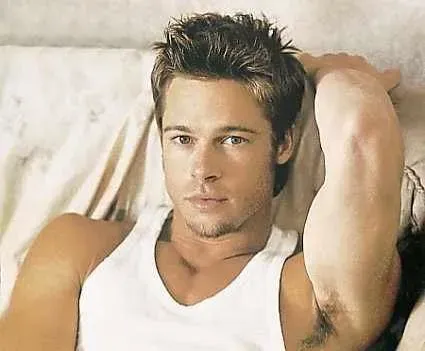
Pitt’s path to superstardom involved a fair amount of standing around in the background before anyone knew his name. He earned just 38 dollars for his background role as “Partygoer / Preppie Guy at Fight” in Less Than Zero in 1987, a tiny appearance that came years before his breakthrough in Thelma & Louise. That same year turned out to be a busy one for uncredited work, since when he first began acting, Pitt performed uncredited background roles in films like Hunk, No Way Out, No Man’s Land, and Less than Zero, all from 1987.
The real turning point came four years later. His scant, fourteen-minute on-screen appearance in the 1991 film Thelma and Louise attracted the attention of important filmmakers. Pitt himself has looked back on that stretch with some humor, noting simply that the role was his entry into bigger things after years of smaller, quieter parts.
4. Renée Zellweger
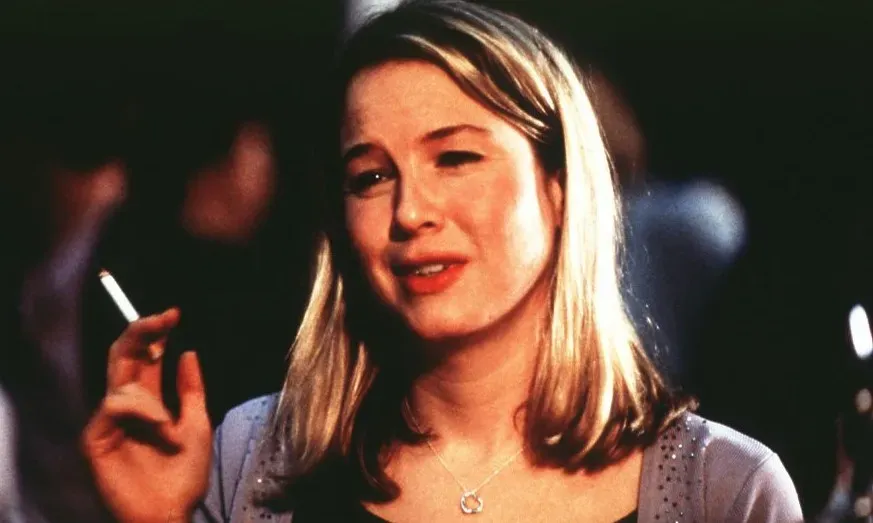
Zellweger’s earliest screen moment is one that most viewers walk right past without realizing who they’re looking at. Renée Zellweger appears as an extra being hazed in the cult classic Dazed and Confused in 1993. More specifically, in that same cult classic, she features briefly as a girl in a blue pickup truck, holding a funnel and laughing with the rest of the teenage cast.
The gap between that small moment and full stardom was surprisingly short. Just a few years later, she became a household name with Jerry Maguire. Watching that early scene now, knowing where her career went, adds a layer of charm to what was otherwise just a forgettable extra role at the time.
Partner offer
5. John Wayne
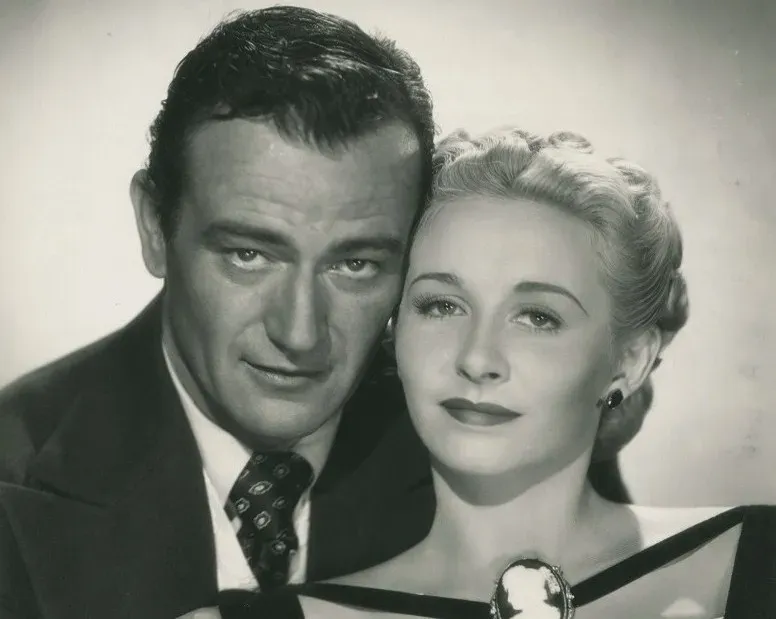
Wayne’s beginnings trace back to the silent era, a period so far removed from his later Western icon status that it’s easy to forget he had to start somewhere too. As a young actor in the 1920s, John Wayne appeared in several silent films as an extra. It was unglamorous, uncredited work, the kind that leaves barely a trace in the historical record beyond a name in a studio ledger.
Persistence eventually paid dividends. His perseverance paid off, leading to his breakout role in The Big Trail in 1930 and an iconic career. That film didn’t launch him to instant stardom, since real fame took several more years to arrive, but it marked the moment the industry started to notice him as more than just another face filling out a scene.
6. Megan Fox

Fox’s early break came in a movie she wasn’t even meant to be remembered for. Long before Transformers, Megan Fox danced as an extra in a club scene in Bad Boys II in 2003. Her specific credit for that scene has become something of a running joke among trivia fans, listed as “stars-and-stripes bikini kid dancing under waterfall.”
It turned out to be a fortunate bit of exposure. Director Michael Bay later cast her in the blockbuster franchise that launched her career. That connection between a background dance scene and a franchise-defining lead role is one of the more direct lines from extra work to stardom on this list.
7. Bruce Willis
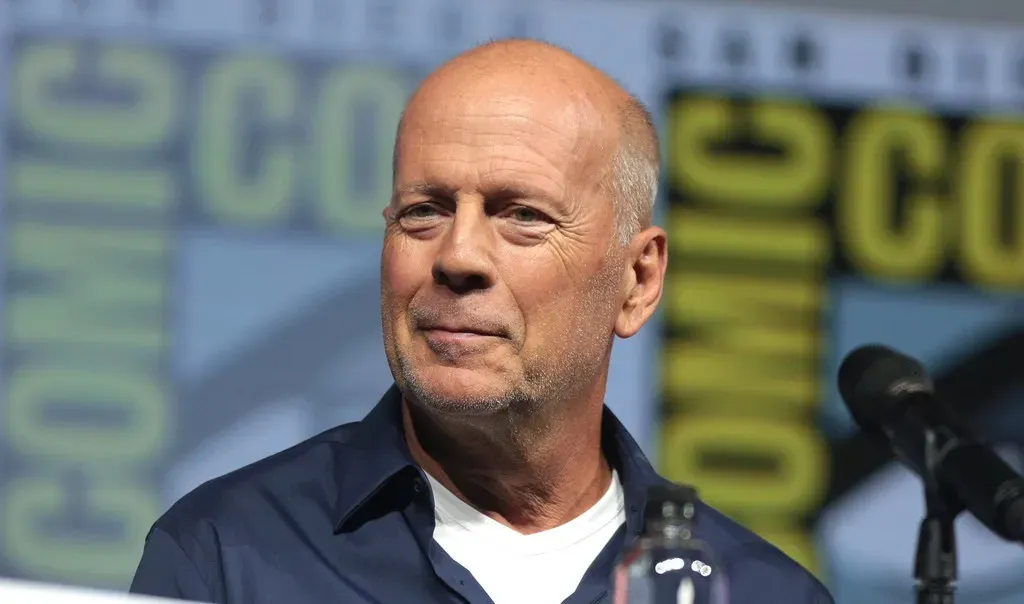
Willis has a courtroom cameo that fans still enjoy pointing out decades later. The 1981 Paul Newman film The Verdict has a scene in which you can spot a young Bruce Willis as an extra in a courtroom, and the best part is that he actually has a full head of hair in it. It’s a blink-and-you-miss-it appearance, the kind of thing that only became notable retroactively once he became one of the biggest action stars of his era.
Interestingly, Willis and Newman crossed paths again years later under very different circumstances. In 1994, Willis co-starred with Newman as his boss in the film Nobody’s Fool. Going from unnamed courtroom spectator to co-star opposite the same actor is a fairly rare kind of full circle moment in Hollywood.
8. Harrison Ford
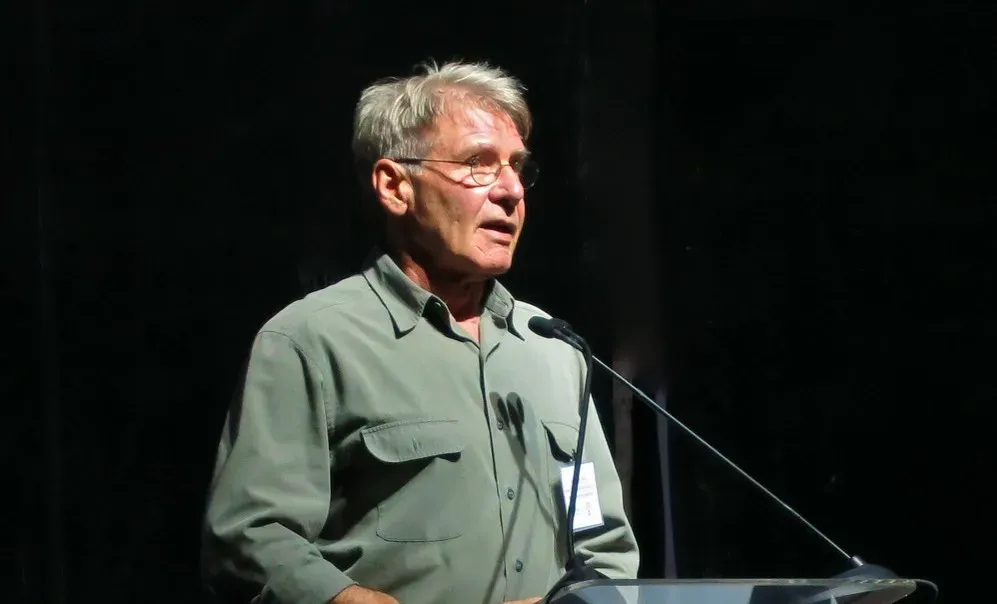
Few actors on this list spent as long paying their dues as Ford did before his big break arrived. Before he was a leading man in Hollywood, Harrison Ford spent nearly 20 years as a struggling film and TV extra acquiring a slew of credited and uncredited roles. That’s a remarkably long apprenticeship by any Hollywood standard, especially for someone who would later anchor two of the most successful franchises in film history.
The turning point, when it finally came, was almost accidental. The self-ascribed “late bloomer” finally got his big break when he scored an audition with George Lucas for a part in what would become Star Wars, a role that changed the trajectory of his entire career. Two decades of small, largely forgotten work suddenly gave way to Han Solo, and not long after, Indiana Jones. These eight stories share a common thread even though the actors themselves come from wildly different eras and genres. None of them knew, while standing quietly in the background of someone else’s scene, that they would eventually be the reason audiences bought tickets. It’s a reminder that even the most recognizable faces in film history once had to start as nobody in particular, just another extra waiting for their moment.
Partner offer
Planning a trip to Vegas?
Compare hotel rates and show tickets on VEGAS.com.