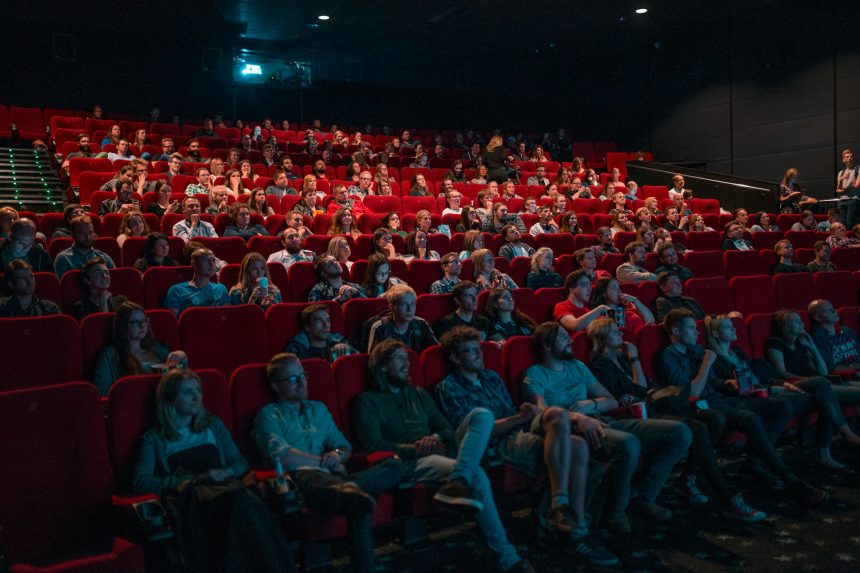
A night at the movies in the 1950s looked quite different from today. Television was spreading into American living rooms, and theaters worked hard to keep crowds coming through the door. The rules were looser, and habits that would get you a stern look now were simply part of the evening.
Some of those habits faded because of new laws, some because of safety concerns, and others because audiences changed. Here are twelve things that were once routine at the cinema and are now banned or strongly discouraged.
Smoking in the Auditorium

Lighting a cigarette during a film was ordinary in the 1950s. Many theaters had smoking sections, often in the balcony, and the projector beam looked hazy because of all the smoke drifting through it.
Today, smoking indoors is prohibited in theaters across the United States, under state and local clean air laws and company policy. Fire risk and health concerns about secondhand smoke drove the change.
Walking In Halfway Through the Film

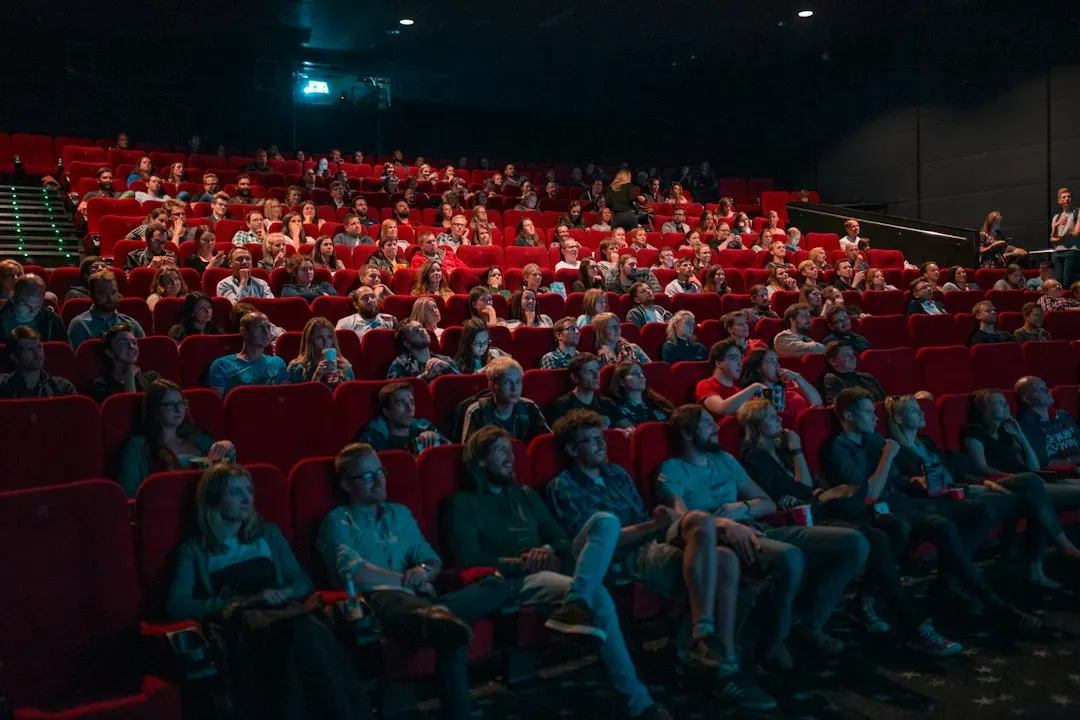
Continuous programming meant films ran on a loop, so you could arrive at any point. People often picked up the story in the middle, watched to the end, and stayed for the start to see what they had missed.
Alfred Hitchcock’s Psycho, released in 1960, is widely remembered for pushing theaters to enforce a no late admission policy. Modern theaters sell tickets for set showtimes and clear the auditorium between screenings.
Sitting in Segregated Sections

In much of the American South, Black patrons were often directed to separate entrances and seating, frequently the balcony. This was legal and common in the 1950s, and many towns had separate theaters entirely.
The Civil Rights Act of 1964 banned racial discrimination in public accommodations, including movie theaters. Seating by race is now unlawful.
Dropping Kids Off for the Whole Afternoon

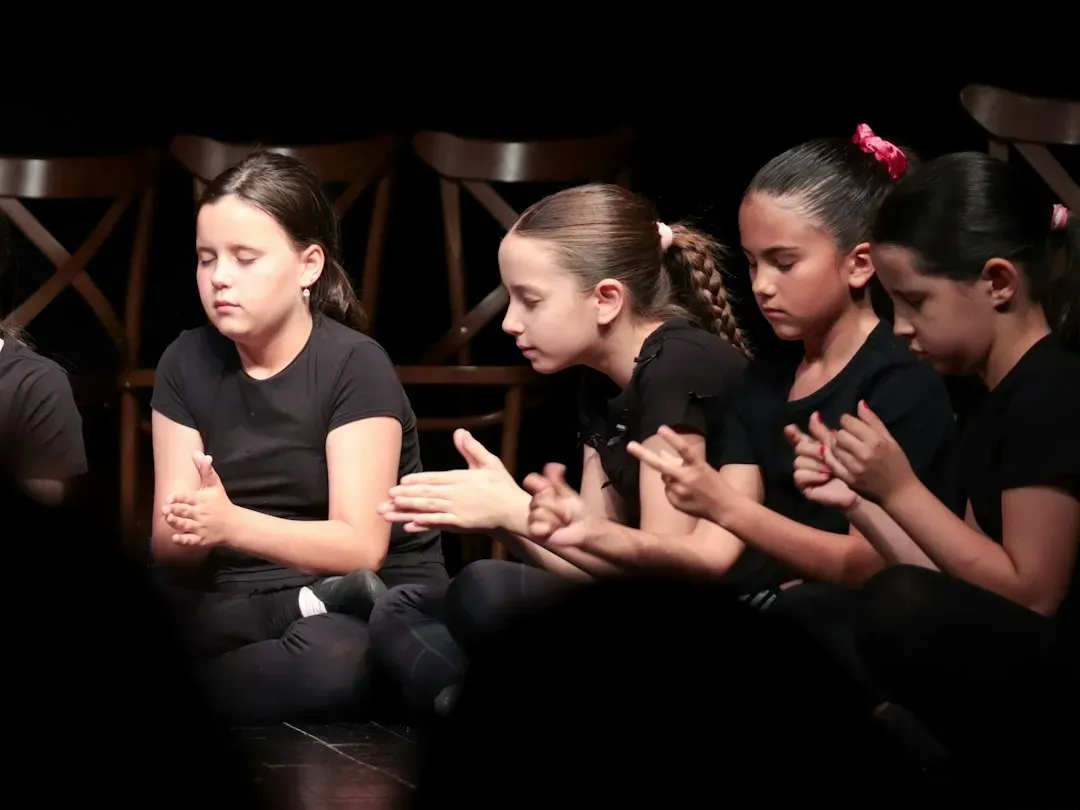
Saturday matinees were a weekly ritual for children. Parents commonly paid the small admission and left kids with a cartoon, a serial, and a feature, sometimes for hours.
Many theaters today have age restrictions and policies about unaccompanied minors, particularly for later or restricted showings. Theaters also tend to prefer that younger children come with an adult.
Shouting at the Screen

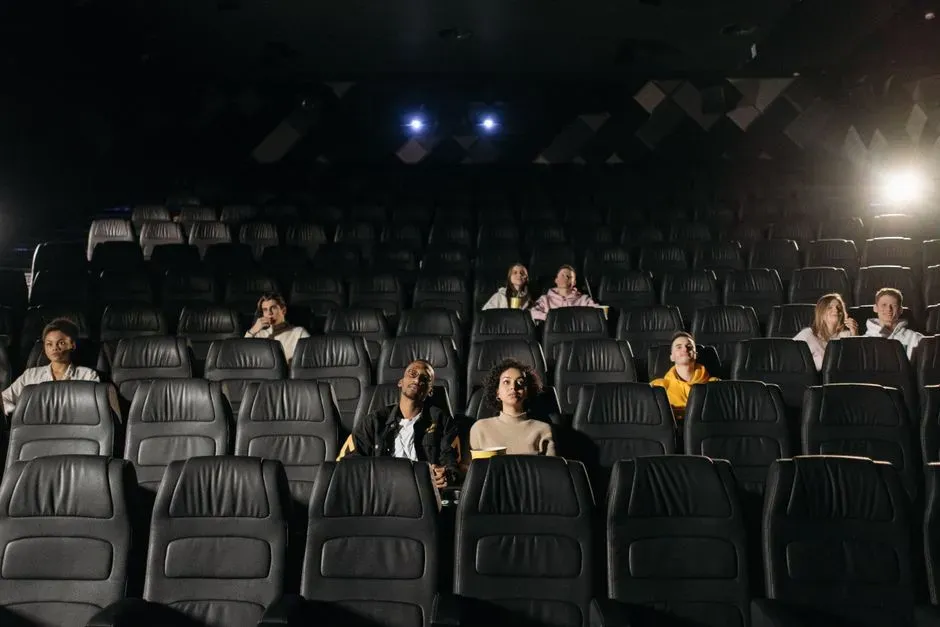
Matinee crowds could be loud. Kids cheered heroes, booed villains, and sometimes hollered through whole scenes, while ushers walked the aisles with flashlights to keep order.
Modern theaters ask audiences to stay quiet and put phones away, and staff can remove people who disrupt a show. Alamo Drafthouse, for example, is well known for enforcing strict talking and texting rules.
Taking the Drive In Speaker Home

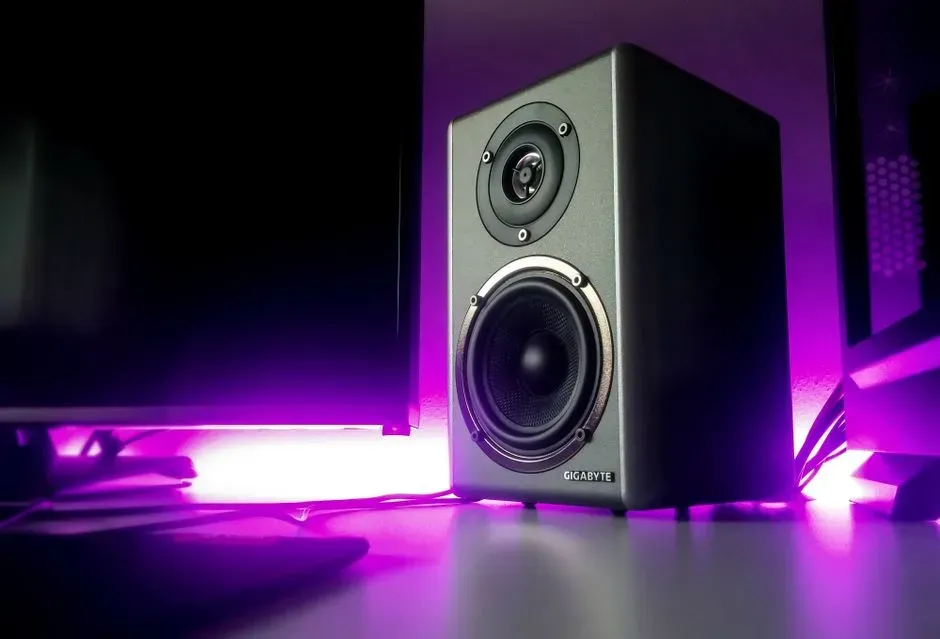
Early drive ins used metal speakers that hung on the car window. Occasionally a driver forgot to hang the speaker back on its post and rolled off with it, damaging the equipment or the car window.
Partner offer

Most drive ins now broadcast audio through an FM radio signal that you tune in on your car stereo. That change removed both the theft problem and the cost of maintaining all those individual speakers.
Honking and Flashing Headlights

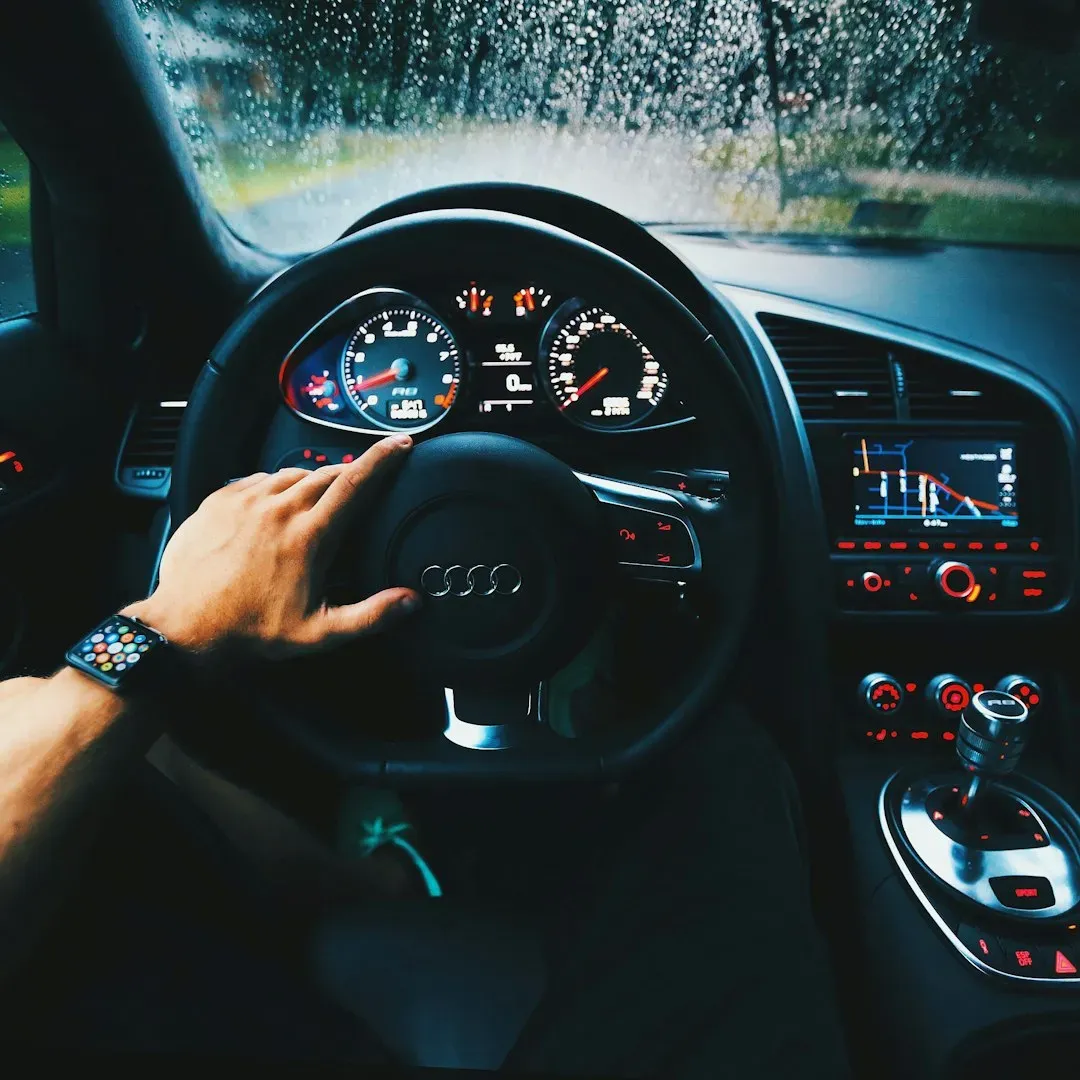
At a drive in, impatient patrons sometimes honked or flashed their lights to urge the staff to start the film or to show frustration. In a lot full of cars, the noise was hard to ignore.
Current drive ins typically ask guests to turn off headlights and keep horns quiet during the show. Cars are also parked so that brake lights and interior lights don’t spoil the picture for everyone else.
Smuggling People in the Trunk

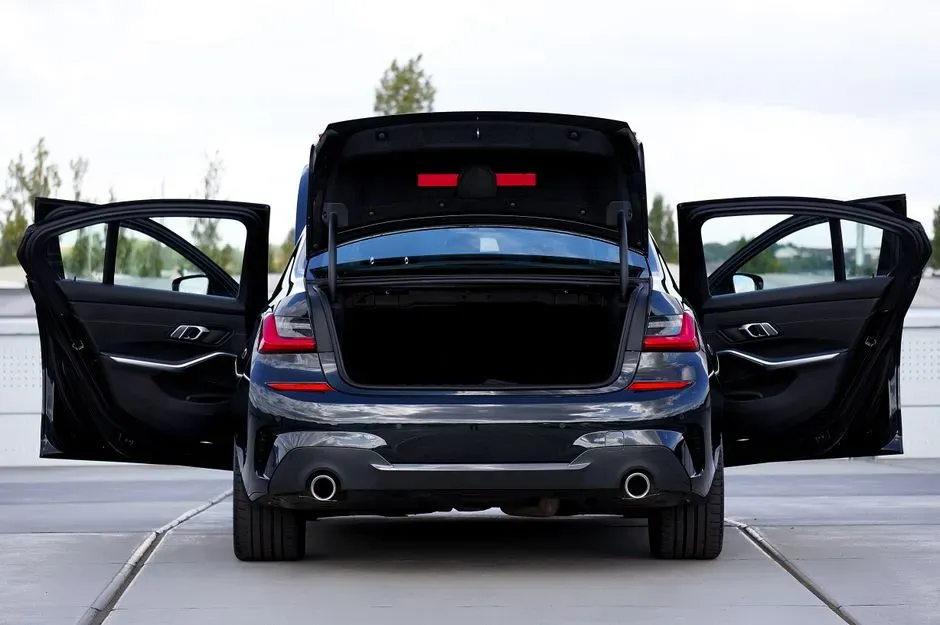
Many drive ins charged by the carload or offered cheap rates per vehicle. Teenagers and friends sometimes hid in the trunk to avoid paying, a trick that became part of drive in folklore.
Today most drive ins charge per person, and staff may check vehicles at the entrance. Hiding passengers to dodge admission is treated as theft of services.
Bringing a Full Picnic


Families at drive ins often packed dinner, thermoses, and snacks from home. For many households, it was a cheap evening out, and the car worked as a private dining room.
Policies vary now, but most theaters, including many drive ins, rely on concession sales and restrict outside food and drinks. Some also have rules about outside alcohol, which is commonly prohibited.
Letting Kids Roam Under the Screen

Many drive ins had playgrounds near the screen, and children ran around before dark. Parents let them play while the cars filled up, and some kids drifted through the lot unsupervised.
Modern safety standards and liability concerns have made that kind of freedom rare. Operators now usually ask families to keep children close to their vehicles once the lot is busy and moving.
Making Out in the Back Row of Cars
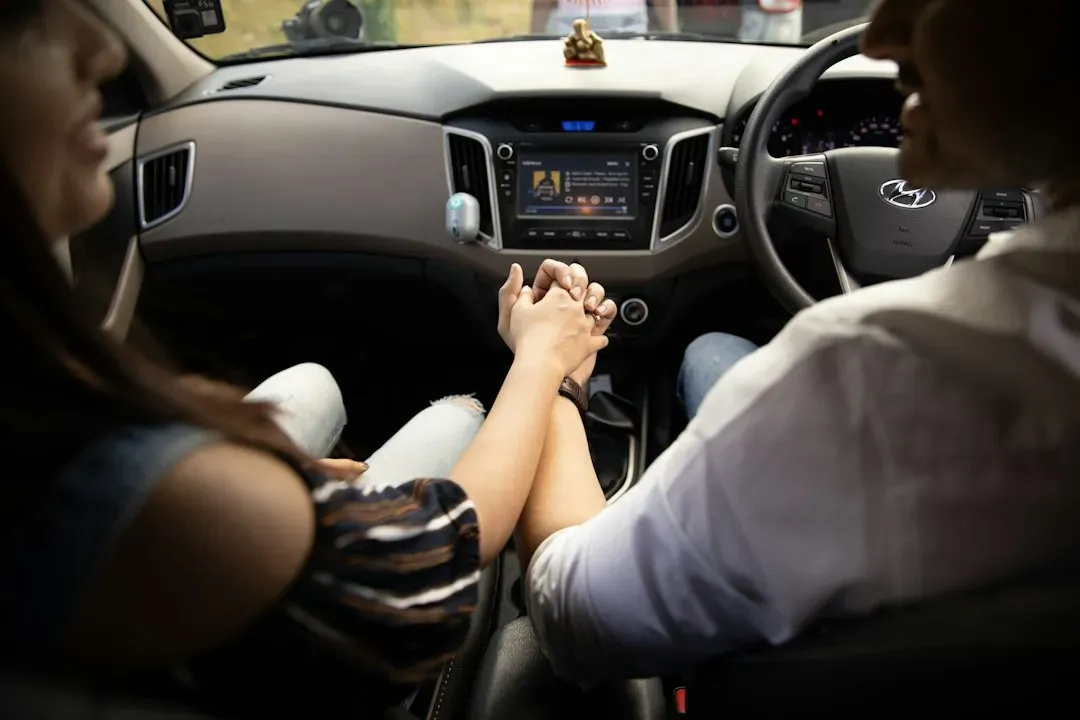
Drive ins earned a reputation as places for couples to go on dates and get some privacy. Some were nicknamed passion pits, and operators worried about the reputation that came with it.
Today, public decency rules and staff patrols discourage the behavior, and theaters can ask guests to leave. Families remain the core audience for many modern drive ins.
Leaving Trash Under the Seat
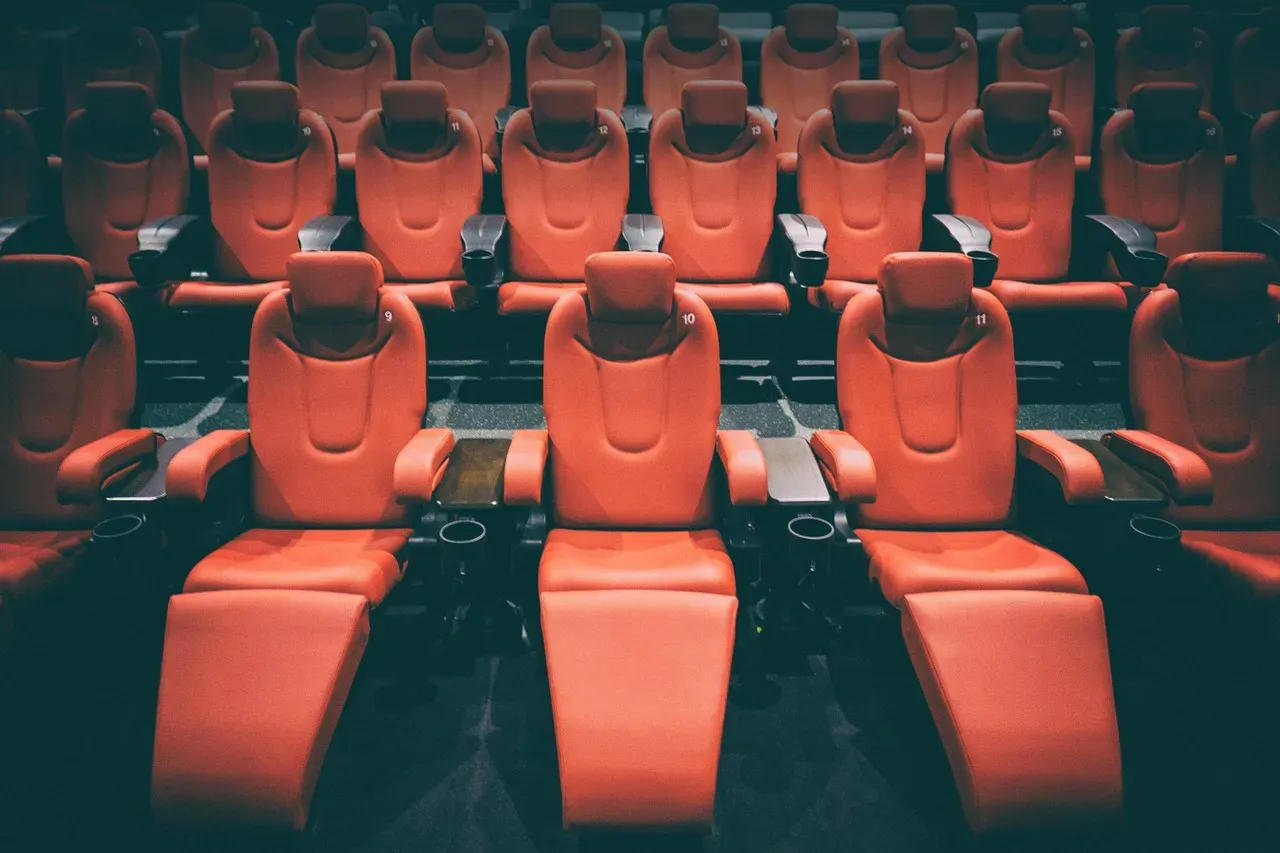
Popcorn boxes, candy wrappers, and cups were often dropped on the floor, and cleaning crews swept up between shows. Ushers tolerated it as part of the job.
Modern theaters have bins, signs, and policies asking guests to take their trash out. Some also charge cleaning fees or remove guests for deliberately making a mess.
Partner offer
Planning a trip to Vegas?
Compare hotel rates and show tickets on VEGAS.com.