Walk into any casting office in Los Angeles, New York, or Atlanta these days and you’ll hear the same quiet complaints from casting directors: talented people sabotaging themselves in the first ninety seconds. It’s rarely about acting ability. It’s about the small, avoidable habits that make a casting team lose confidence before the scene even starts. What separates working actors from the ones who never seem to book anything often has nothing to do with talent. It comes down to professionalism, self-awareness, and knowing what not to do the moment you step into that room.
1. They never apologize before they begin
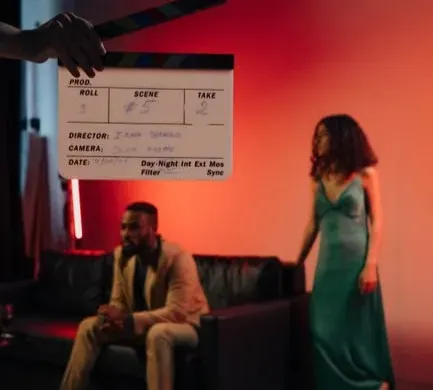
Opening with “sorry, I’m a little sick” or “I didn’t have much time to prepare” sets a negative tone before a single line is spoken. Casting directors say this kind of pre-emptive apology signals doubt, and doubt is contagious in a small room. It also wastes precious time, since most auditions run on tight schedules with only a few minutes allotted per actor.
Experienced actors walk in, greet the room warmly, and let their work speak first. If something genuinely affects the read, like a cold or a scheduling issue, professionals mention it briefly and move on rather than dwelling on it. The goal is to project readiness, not to manage expectations downward before anyone has seen anything.
2. They never ask to restart more than once
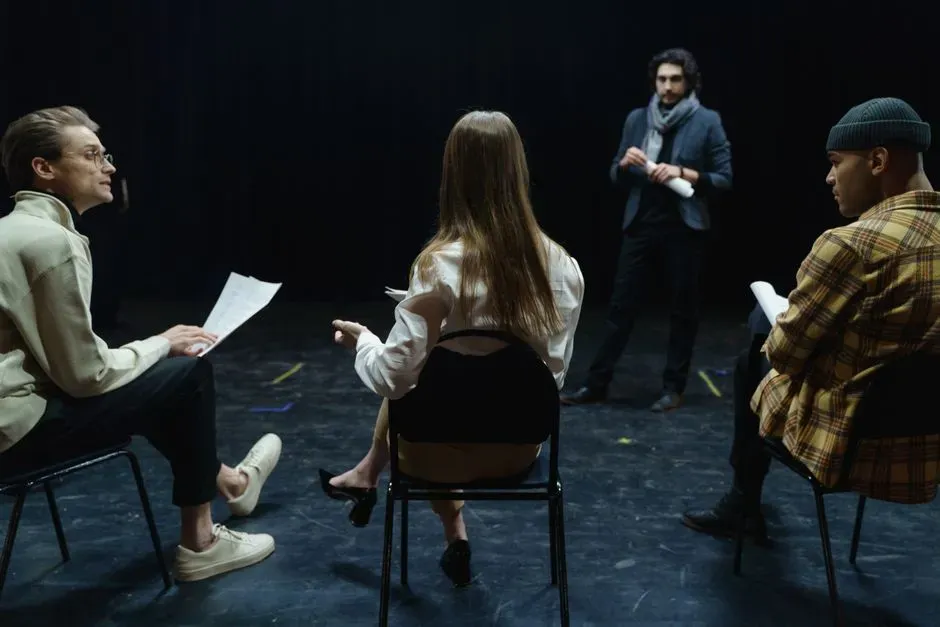
Everyone flubs a line occasionally, and most casting directors are fine with one clean restart. What frustrates them is the actor who asks to begin again two, three, or four times, treating the audition room like a private rehearsal space. It shifts the energy from a performance to a negotiation, and it eats into time meant for other actors waiting outside.
Seasoned performers know that a single flub inside an otherwise strong take is often more compelling than a technically perfect but overly cautious read. They trust the take, finish it, and let the casting team decide what they saw rather than trying to control every variable.
3. They never speak negatively about other actors or projects

Bad-mouthing a previous director, a scene partner, or a production during small talk is a fast way to get quietly crossed off a list. The entertainment industry is smaller than it looks, and casting directors often know the people being criticized personally. Complaints about past jobs also raise a red flag about how the actor might behave on a future set.
Actors who keep working tend to stay neutral or positive when discussing past experiences, even difficult ones. If asked directly about a rough project, they focus on what they learned rather than who was to blame, keeping the conversation professional rather than gossipy.
4. They never ignore the direction given in the room

Casting directors frequently give an adjustment after the first take, something as simple as “try it faster” or “make it more playful.” Actors who nod, say thank you, and then repeat the exact same performance are effectively telling the room they can’t take direction. That’s one of the most common reasons a strong first read still doesn’t lead to a booking.
The actors who get called back are the ones who visibly shift with the note, even if the change is subtle. Casting directors aren’t necessarily looking for a perfect adjustment; they’re checking whether the person is flexible and coachable enough to work with a director for weeks on a set.
5. They never show up without knowing the material
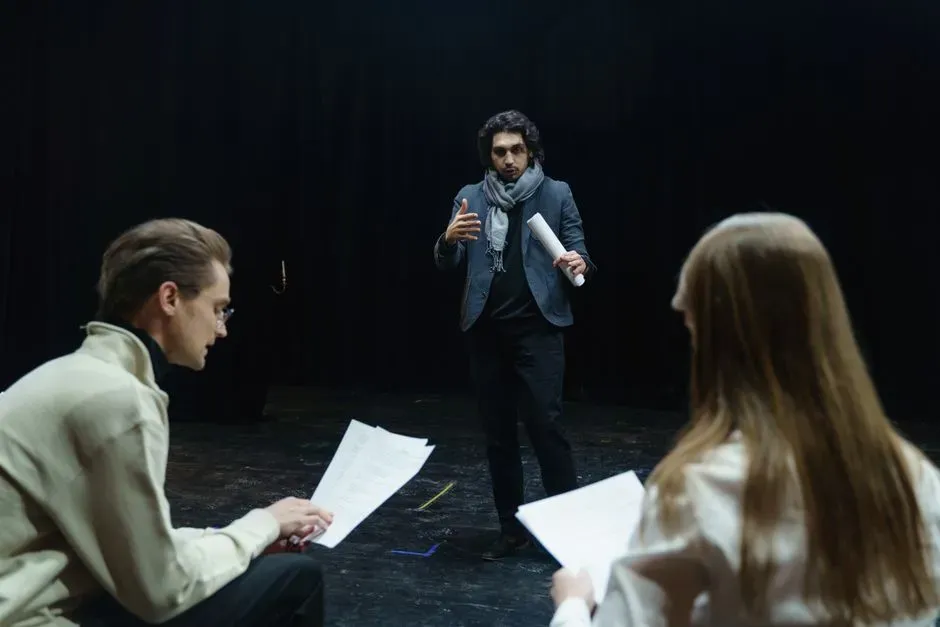
Being “off book,” or fully memorized, isn’t always required, especially for last-minute auditions or heavily worded corporate and commercial copy. What is required is a clear understanding of the scene, the character’s objective, and the basic story context. Actors who clearly haven’t read past their own lines tend to give flat, disconnected performances that casting directors notice immediately.
Preparation doesn’t mean perfection. It means knowing enough about the world of the script that choices feel intentional rather than accidental. Casting directors can usually tell within seconds whether an actor understands what the scene is actually about.
6. They never bring unrequested props or costumes

Showing up in a full police uniform for a two-line cop role, or carrying an elaborate prop that wasn’t mentioned in the audition notice, tends to distract more than it helps. Casting directors are trying to picture the actor as a specific character, not evaluate a costume design. Overdone wardrobe choices can also unintentionally suggest the actor doesn’t trust their acting alone to carry the moment.
Working actors typically dress to “suggest” a character rather than fully commit to a costume. A hint of color, a simple accessory, or a suggestion of the role’s world is usually enough, leaving the performance itself as the main focus of the room.
Partner offer
7. They never bring up pay or scheduling conflicts unprompted

Asking about rate, screen credit, or whether dates can be moved around before anyone has even offered the role puts the cart well before the horse. Casting directors say this instantly shifts the tone of the room from creative to transactional. These conversations exist and matter, but they belong with an agent, manager, or the actual booking call, not inside the audition itself.
Professionals treat the audition purely as a creative moment and let representation handle logistics afterward. This separation keeps the room focused on performance and avoids putting the casting director in an uncomfortable position they aren’t there to resolve.
8. They never overstay after the read is finished
Lingering to chat, share a longer story, or push for extra feedback after the scene wraps can quietly work against an actor, no matter how likable they are. Casting sessions are usually scheduled back-to-back, sometimes with only a few minutes between actors. Overstaying, even with good intentions, cuts into someone else’s opportunity and can leave a mixed final impression.
Actors who consistently get called back tend to read the room well. They thank everyone, exit cleanly, and let the work stand on its own rather than trying to extend the moment through extra conversation.
9. They never blame the reader or the setup

Auditions often involve a casting assistant reading opposite lines in a flat, unemotional tone, which can throw off less experienced actors. Complaining about the reader, the room’s acoustics, or the lighting mid-audition signals an inability to adapt. Casting directors deal with imperfect conditions constantly and are specifically looking for actors who can perform well despite them.
Skilled actors adjust their energy to compensate for a flat reader rather than expecting the reader to match their intensity. This adaptability matters because film and television sets are full of unpredictable variables, and casting teams want proof an actor can handle that in advance.
10. They never check their phone or seem distracted before their turn

Waiting rooms have become notorious for actors scrolling through phones right up until their name is called, then trying to instantly shift into character. Casting directors notice this transition, and it rarely looks seamless. A distracted energy carried into the room can undercut even well-rehearsed material.
Actors who consistently book work tend to use waiting time differently, quietly running lines, doing breathing exercises, or simply sitting with the material instead of their screen. That few minutes of mental preparation often shows up as a calmer, more grounded presence once the camera starts rolling.
11. They never argue with adjustments or feedback

Pushing back on a director’s note with “but that’s not how I see the character” is one of the fastest ways to end an audition early in a casting director’s mind. Even when an actor disagrees creatively, verbally arguing about it in the room reads as inflexibility rather than confidence. Productions need actors who can take notes quickly and often under real time pressure.
Experienced performers absorb feedback, try it as instructed, and save any genuine creative concerns for a private conversation with a director much later in the process, if it’s even still relevant. This willingness to adapt in the moment is frequently cited as more important to casting decisions than raw talent alone.
12. They never leave without a genuine, low-key thank you

Rushing out the door the second a scene ends, without acknowledging the casting team, comes across as either nerves or indifference, and casting directors can’t always tell which. A short, sincere thank you takes seconds but leaves a noticeably different final impression than an abrupt exit. It’s often the last thing the room remembers before moving on to the next actor.
This isn’t about lingering or over-explaining, points already covered earlier. It’s simply about closing the interaction the same way it opened: with warmth, professionalism, and respect for everyone’s time in the room.
Across all twelve habits, a pattern emerges that has little to do with raw talent and everything to do with self-awareness. Casting directors consistently point to composure, adaptability, and respect for the room as the traits that separate actors who book work from those who don’t. None of these behaviors require extraordinary skill to fix, just attention and practice before the next audition begins.Partner offer
Planning a trip to Vegas?
Compare hotel rates and show tickets on VEGAS.com.