There’s a particular kind of parenting fatigue that comes from watching the same animated movie for the fortieth time. Somewhere around viewing fifteen, though, something strange happens. A joke that sailed right past you as background noise suddenly lands, and you’re the only one in the room laughing. That layered writing isn’t an accident. Studios like Pixar, DreamWorks, and Disney have long built scripts with two audiences in mind, and the results hold up remarkably well on rewatch. Here are seven films where the humor rewards patience, and adulthood.
1. Shrek (2001)

DreamWorks built an entire brand around fairy tale subversion, but Shrek’s script is dense with jokes aimed squarely over kids’ heads. The gingerbread man torture scene plays as slapstick to a five year old and as a fairly dark parody of interrogation films to everyone else. Lord Farquaad’s tiny castle and his general demeanor read as a not so subtle joke about compensating for insecurity, something most children simply don’t clock.
The film also leans on pop culture references that have aged into their own kind of nostalgia, since the Matrix inspired fight sequence and the Robin Hood dance number both assume familiarity with adult media. Even the Duloc theme park song, with its cheerful menace, works as satire of forced corporate fun. Twenty five years on, those choices still feel sharp rather than dated.
2. Shrek 2 (2004)
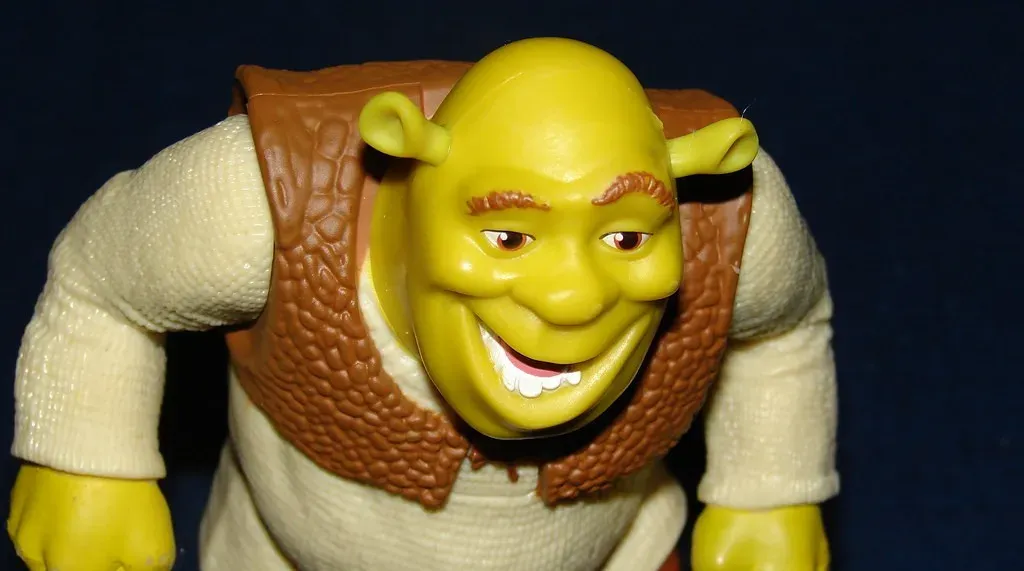
The sequel doubles down on innuendo and industry satire in ways that mostly slide past younger viewers. The Fairy Godmother’s factory, complete with a jingle and assembly line potions, functions as a pointed jab at pharmaceutical advertising and consumerism. Puss in Boots’ introduction, played almost entirely for adult comic timing, relies on genre tropes from westerns and spy films that kids haven’t necessarily encountered yet.
There’s also a running thread of marital and in law humor, particularly around King Harold and his fraught relationship with Shrek, that lands differently once you’ve navigated your own family dynamics. The Far Far Away sequence, styled after Beverly Hills, packs in celebrity culture jokes that only make sense with some pop culture literacy. It’s a film that rewards a second viewing years later almost more than the first one did as a kid.
3. Toy Story 3 (2010)
Pixar’s third Toy Story entry is often remembered for its emotional gut punch, but it’s also loaded with quieter, wiser humor. Ken’s fastidious wardrobe obsession and his relationship dynamics with Barbie are written with a knowingness about adult relationship clichés that children simply don’t have the reference points for. The daycare setting itself, run by Lotso with an authoritarian edge, plays as a fairly clear allegory for institutional control and even prison narratives.
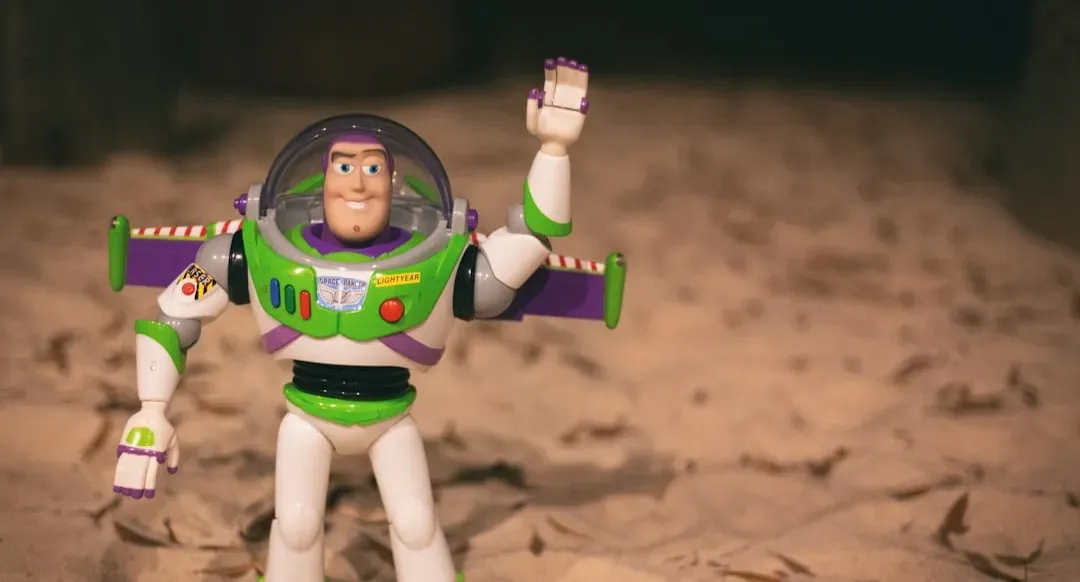
Buzz Lightyear’s accidental switch to Spanish mode introduces a telenovela style flair to his flirtation with Jessie, a joke that lands more fully if you’ve ever seen a soap opera. The incinerator scene, meanwhile, has been discussed for years as one of the more existentially heavy moments in a children’s film, precisely because Pixar trusted older viewers to sit with that weight. It’s a good example of how Pixar’s writing team, including Michael Arndt, aimed for scripts that functioned on multiple emotional levels at once.
4. The Incredibles (2004)
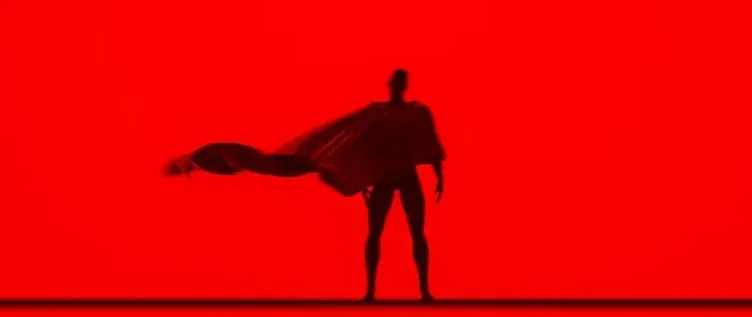
Brad Bird’s superhero family film is stuffed with workplace satire that goes right past most kids. Mr. Incredible’s cubicle job at Insuricare, complete with a toxic boss and soul crushing bureaucracy, is a fairly direct commentary on corporate insurance culture and denied claims. It’s the kind of joke that lands with a groan of recognition from anyone who has ever fought with an insurance company.
Partner offer
Edna Mode’s design monologues and her dismissiveness toward capes reference real fashion industry personalities and attitudes, something children have zero context for. The marital tension between Bob and Helen Parr, handled with a subtlety unusual for the genre, mirrors real conversations about balancing careers, parenting, and personal identity. Even the film’s midlife crisis framing for Mr. Incredible works as a broader statement about suburban dissatisfaction that resonates far more once you’ve lived a few adult years yourself.
5. Aladdin (1992)

Robin Williams’ improvisational work as the Genie packed the film with references that were already dated for kids in 1992 and have only grown more obscure since. Impressions of celebrities like Arsenio Hall, Jack Nicholson, and William F. Buckley meant nothing to young viewers then and require a bit of film history knowledge now. The rapid fire delivery style itself, borrowed heavily from stand up comedy conventions, is built for an adult sense of comedic pacing.
There’s also a persistent thread of jokes about show business and Hollywood culture, including a bit where the Genie transforms into a game show host, that assumes familiarity with television formats children rarely watch. Even some of the innuendo around Jasmine’s suitors carries a wink that adults catch far more readily. Disney’s animation team reportedly built entire sequences around accommodating Williams’ improvisation, which is part of why the humor feels so specifically adult in places.
6. Shrek Forever After (2010)
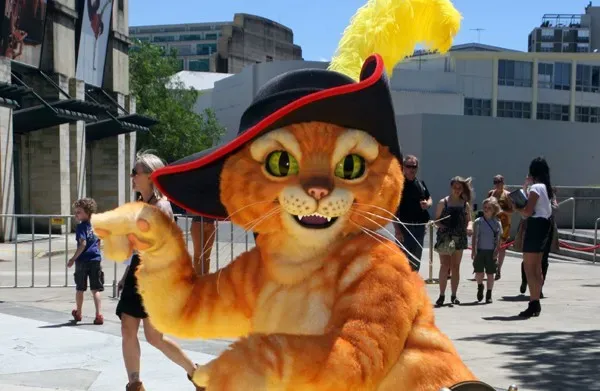
The fourth and final entry in the original Shrek series leans into a midlife crisis narrative that is almost entirely lost on children. Shrek’s dissatisfaction with domestic routine, and his wish to return to a life without responsibility, mirrors a very specific kind of adult restlessness that requires years of lived experience to recognize. Rumpelstiltskin’s deal making and his portrayal as a shady, self serving businessman reads as satire of predatory contracts and fine print manipulation.
The alternate reality version of Far Far Away, where witches run the kingdom under an oppressive regime, plays with dystopian tropes that are more Orwellian than fairy tale. Even Puss in Boots’ transformation into an overweight, lazy house cat carries a joke about domestication and lost purpose that lands harder once you’ve experienced your own routines settling into something less exciting. It’s a fittingly reflective note to end the franchise’s original run on.
7. Zootopia (2016)
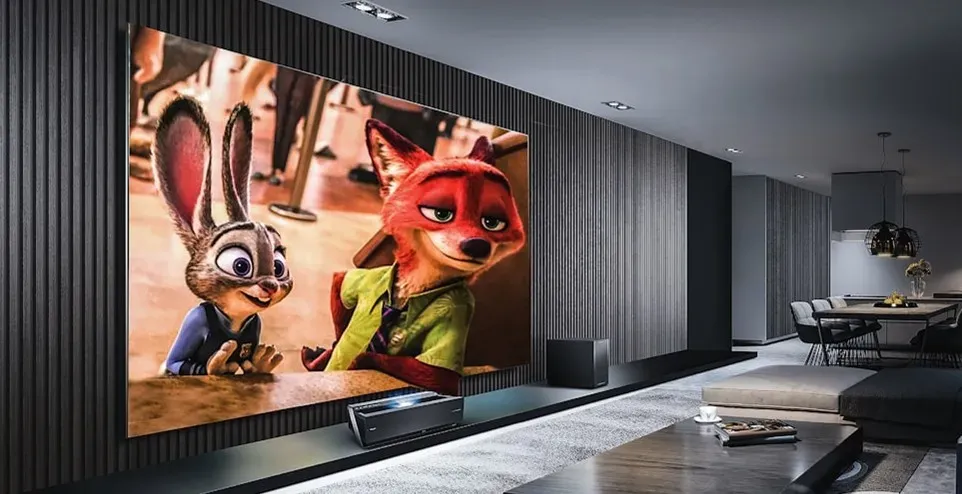
Disney’s Zootopia wrapped a genuinely sharp commentary on prejudice and systemic bias inside a buddy cop comedy, and much of that commentary depends on adult context to fully register. The DMV scene, staffed entirely by sloths, is a broadly loved joke, but its satire about bureaucratic inefficiency lands more precisely for anyone who has spent an afternoon renewing a license. The film’s central mystery, involving a conspiracy and institutional cover up, borrows structurally from noir detective films that most children haven’t seen.
There’s also a recurring visual gag referencing The Godfather, with a crime boss shrew modeled closely on Marlon Brando’s performance, that simply doesn’t register without that cinematic reference point. Beyond the jokes, critics and researchers have pointed to the film’s handling of implicit bias as unusually sophisticated for family entertainment, a layer that adults are far better equipped to unpack than young viewers. It’s a film that has aged into something closer to a conversation starter about bias than a straightforward comedy, which says a lot about how carefully it was written.
Partner offer
Planning a trip to Vegas?
Compare hotel rates and show tickets on VEGAS.com.