There’s a particular kind of travel daydream that starts with a movie scene. Maybe it’s a stone staircase in an old European city, or a jagged island rising out of grey Atlantic water. Long after the credits roll, these places keep pulling people across oceans just to stand where the camera once stood.
Europe has quietly become one of the biggest open-air film sets on the planet, offering directors landscapes that no studio backlot could ever replicate. What follows is a ranked look at nine locations where the scenery did as much work as the script, counting down to the one spot that arguably outshines every other filming backdrop on the continent.
9. Highclere Castle, England
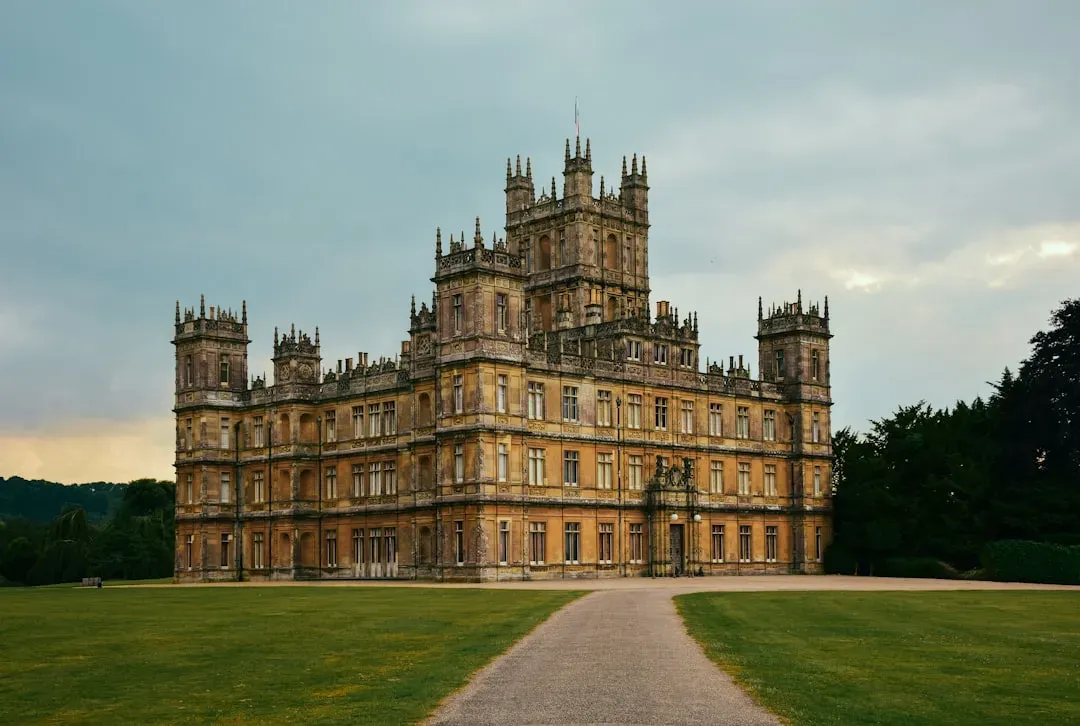
Highclere Castle in Hampshire has become instantly recognizable thanks to its role as the Crawley family home. Fans can relive the elegance of the Crawley family at Highclere Castle and the nearby village of Bampton, which stood in for Downton village. The building itself, a sprawling Jacobethan pile with towers and manicured lawns, was already a working estate long before cameras arrived, and it still is today.
What makes Highclere land on this list isn’t just the drama filmed there, it’s how ordinary English countryside can look extraordinary under the right light. Visitors who tour the castle now often say the rooms feel smaller and warmer in person than they appear on screen, which is its own kind of charm. It’s a location that rewards patience, since public opening days are limited and often booked out months ahead.
8. Prague, Czech Republic
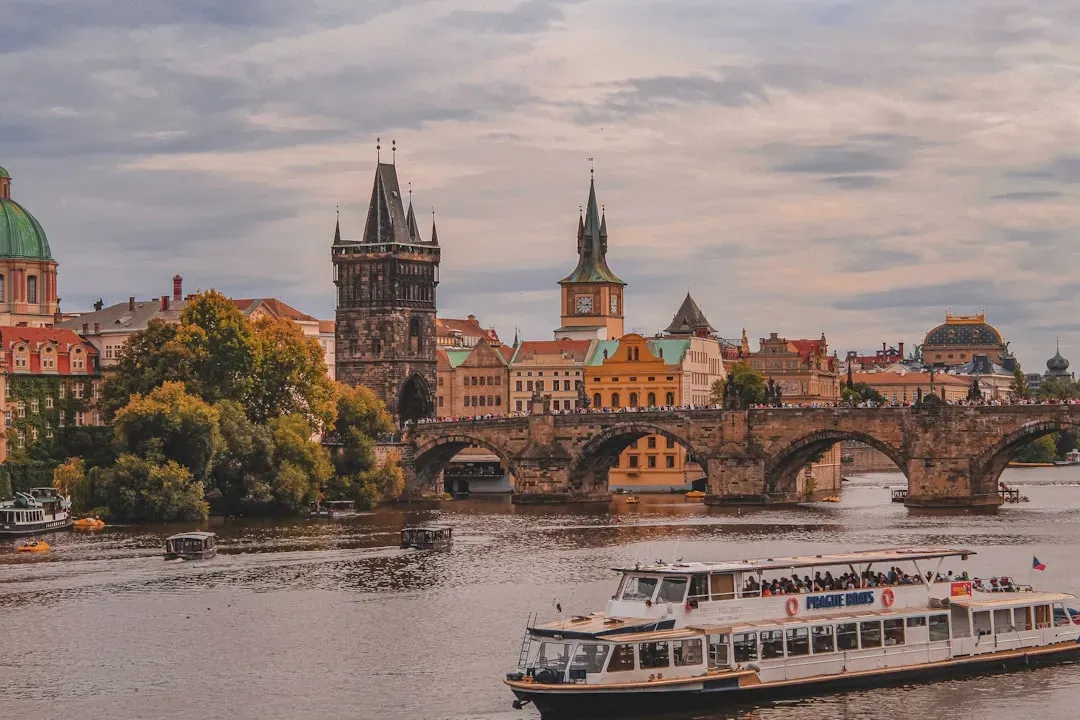
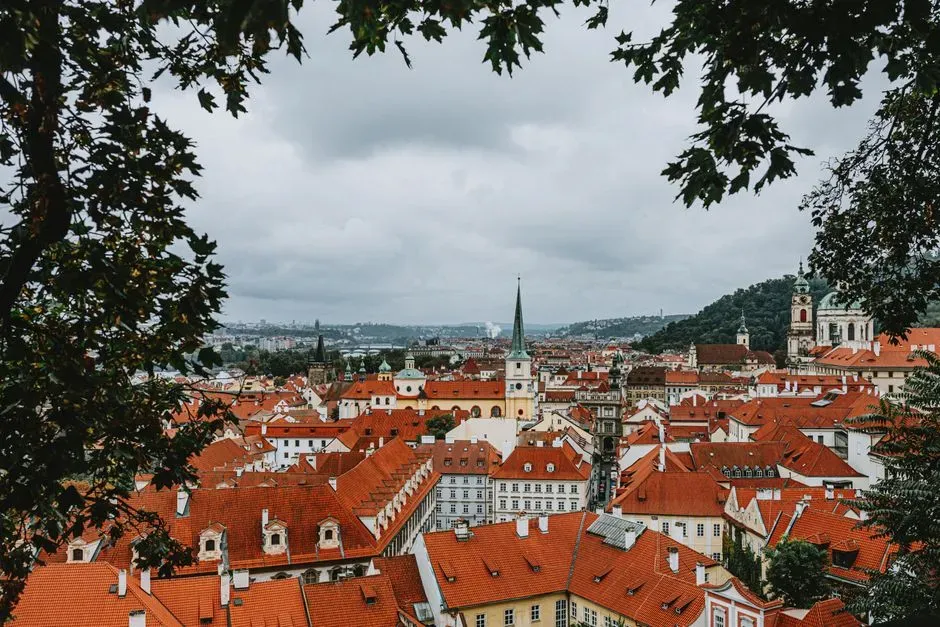
Prague’s mix of Gothic spires, Baroque facades, and cobbled squares has made it one of the most filmed cities in Europe. Prague’s stunning architecture and rich history make it a popular filming location for many movies, including Mission: Impossible and Indiana Jones and the Last Crusade, with the picturesque Charles Bridge and vibrant Old Town Square among the iconic spots featured. The city also stood in for Vienna in Amadeus and for a dozen other European capitals across various productions, largely because so much of its historic center survived the twentieth century intact.
Walking across Charles Bridge at dawn, before the crowds arrive, gives a decent sense of why filmmakers keep coming back. The statues lining the bridge, the mist off the Vltava River, the astronomical clock ticking away in Old Town Square, none of it needs set dressing. Prague simply looks like a period film already, which is precisely why it keeps getting cast as one.
7. Paris, France
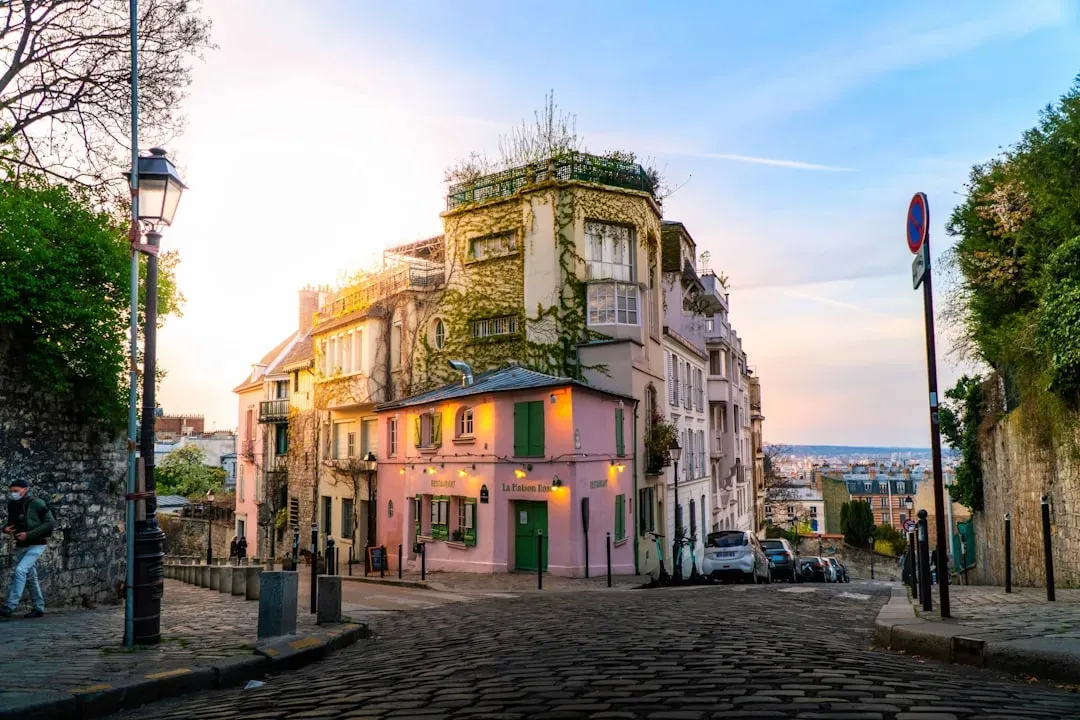
No European city has been filmed more often than Paris, and Montmartre in particular carries a cinematic weight of its own. “Amélie” showcases the Montmartre district, capturing the whimsical charm of Paris through the eyes of its titular character, a young woman who decides to change the lives of those around her. That same neighborhood, with its narrow staircased streets and view over the rooftops from Sacré-Cœur, has appeared in countless other films since.
Woody Allen’s romantic comedy “Midnight in Paris” also showcases the enchanting beauty of the city, with key locations including the picturesque streets of Montmartre. The Seine, the bridges, the wrought-iron balconies, all of it photographs beautifully almost by accident, which is part of why Paris remains a default choice whenever a director needs romance on screen. It’s a city that has been filmed so often it risks feeling like a cliché, yet somehow it never quite loses its shine.
6. Alnwick Castle, England
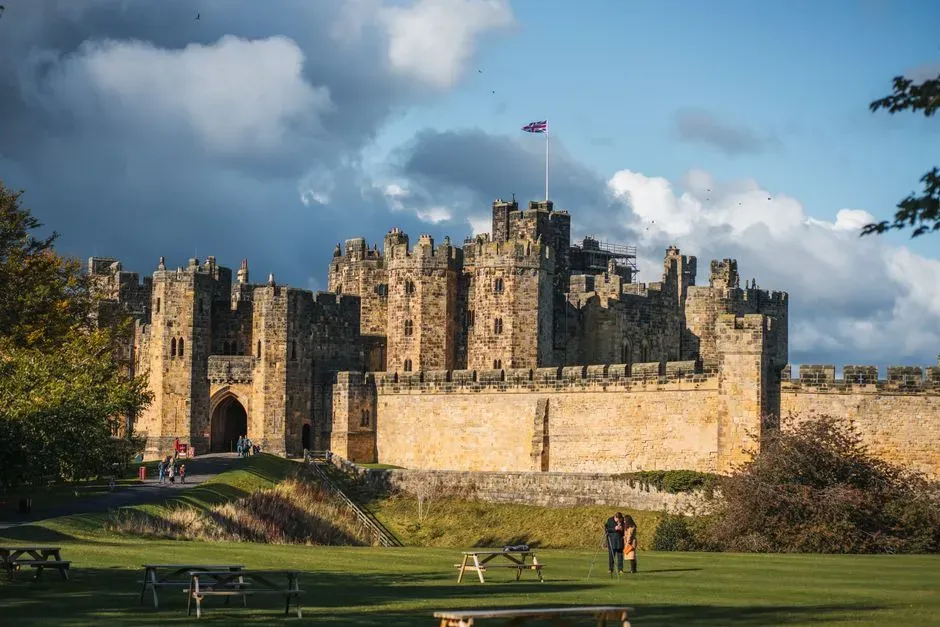
Long before Harry Potter, Alnwick Castle in Northumberland was already one of England’s grandest fortresses, and film crews noticed. Alnwick Castle is famous for film lovers, with many films shot in this castle including Robin Hood, The War of the Roses, and the very famous Harry Potter. Its courtyard doubled as the flying lesson grounds at Hogwarts, and the sight of broomsticks wobbling across the grass has stuck in the memory of an entire generation of moviegoers.
The Duke of Percy still lives with his family in part of the castle, while another section stays open to the public throughout the summer. That lived-in quality gives Alnwick a different feel from purely tourist-driven film sites. It’s a working home with a Hollywood side hustle, and the combination gives the visit a sense of authenticity that fully staged locations rarely manage.
5. Amalfi Coast, Italy
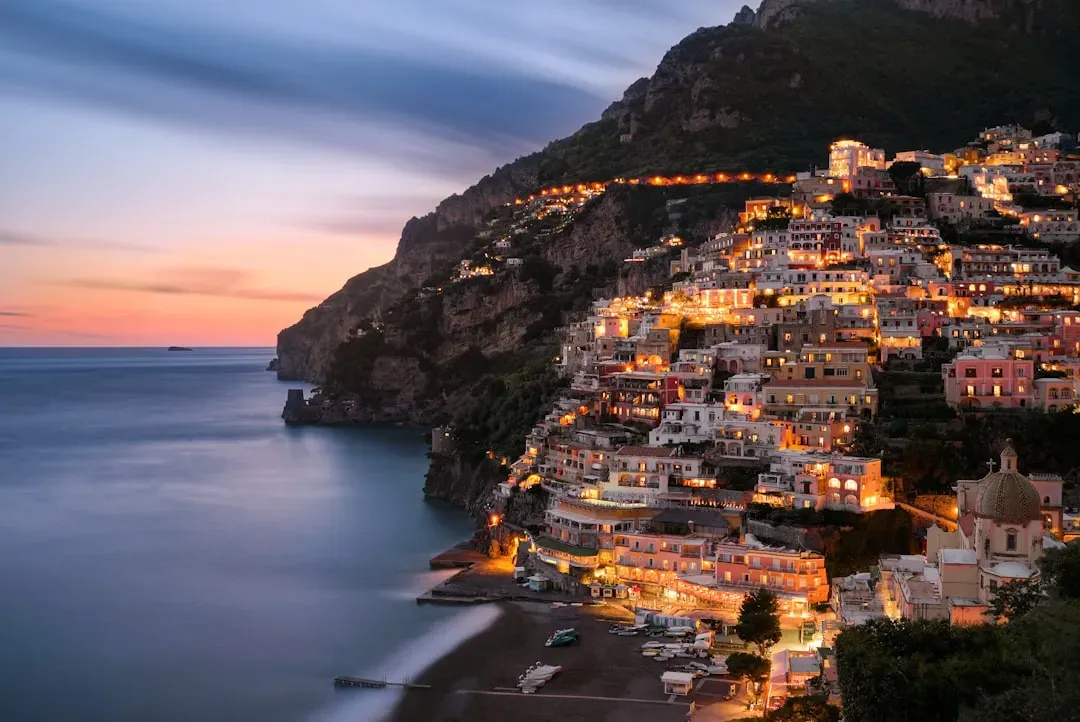
Few coastlines anywhere manage the dramatic drop from cliffside town to turquoise sea quite like the Amalfi Coast, and filmmakers have leaned into that drama for decades. Italy’s rich history and stunning landscapes have made it a favorite for filmmakers, and in The Talented Mr. Ripley audiences get to enjoy the Amalfi Coast in full. The pastel-colored villages of Positano and Amalfi itself barely needed staging, since the natural setting already carries the tension and glamour the story required.
Partner offer
What separates this stretch of coastline from other scenic backdrops is scale. Boats bobbing far below, terraced lemon groves clinging to near-vertical hillsides, whitewashed churches perched on outcrops, the whole area feels engineered for widescreen even though none of it was built for that purpose. It remains one of the most photographed coastlines in Europe, film crews included.
4. Plaza de España, Seville, Spain
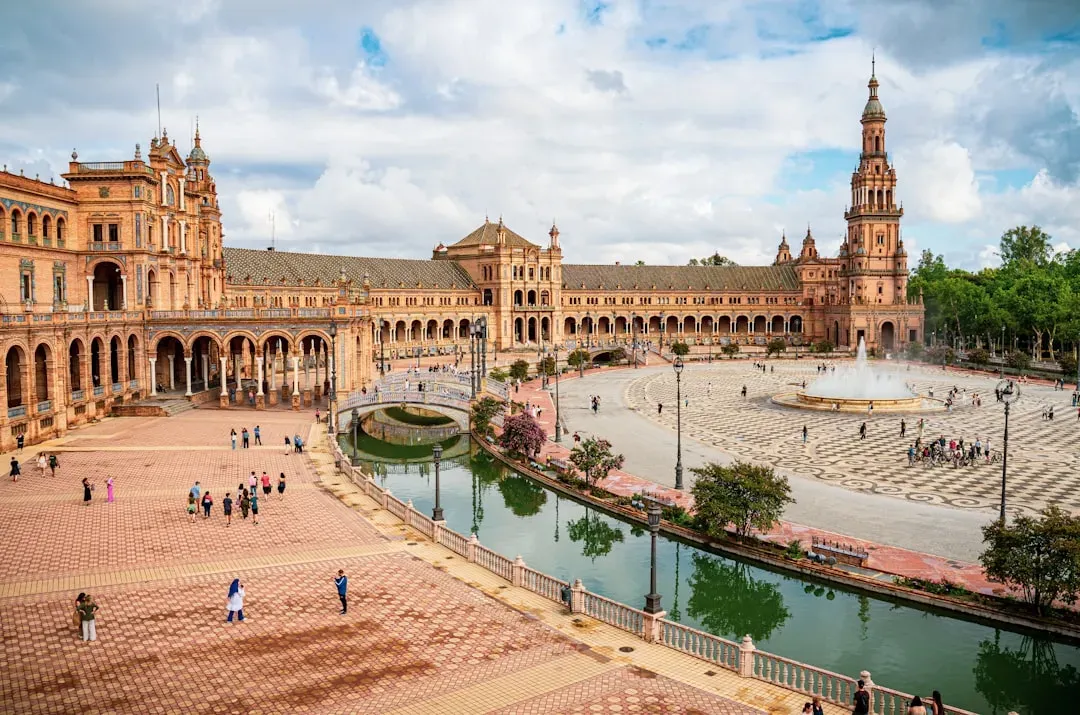
Seville’s Plaza de España has one of the more surprising film credits on this list. One of the most recognizable scenes from the 2002 movie Star Wars: Episode II, Attack of the Clones, was filmed here, with the plaza serving as the city of Theed on the planet Naboo, visible when Anakin Skywalker and Padmé Amidala walk together around the semi-circular plaza. The setting doubled convincingly for an alien capital, which says a great deal about how ornate the real place actually is.
The plaza’s Renaissance and Neo-Moorish architecture gave the scenes a visually striking quality, despite the building itself having only been constructed in the early twentieth century. That relatively recent construction date often surprises visitors, since the tilework, canals, and curved colonnade look centuries older. It’s proof that a filming location doesn’t need ancient origins to feel timeless on screen.
3. Meteora, Greece
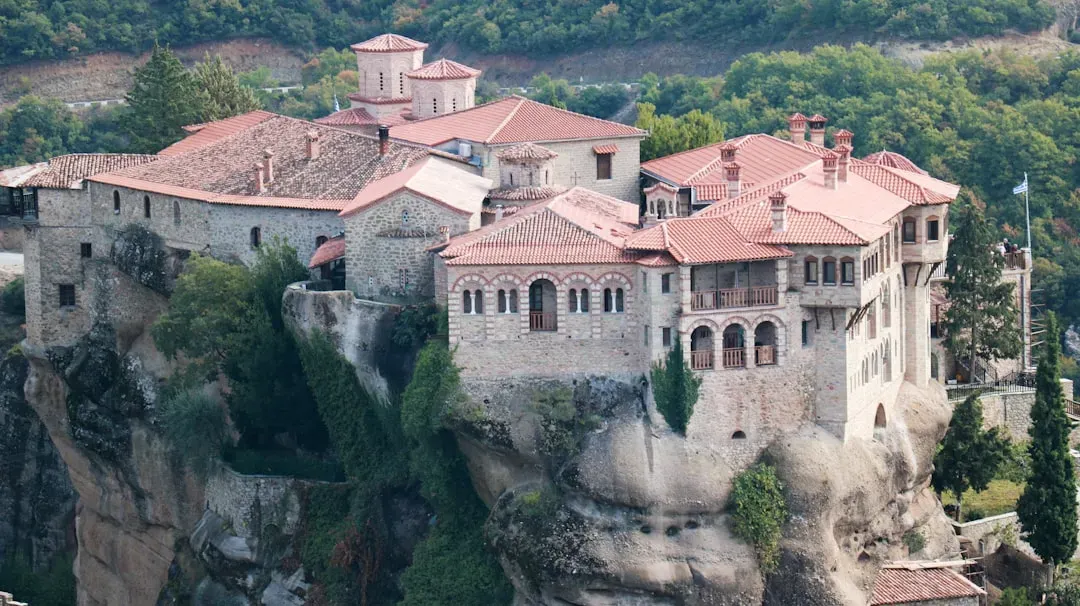
Meteora’s rock pillars, topped with centuries-old monasteries, are the kind of landscape that looks almost too dramatic to be real. In the 1981 James Bond film For Your Eyes Only, one of the most iconic sequences shows Agent 007 scaling the towering cliffs of the Holy Trinity Monastery, one of six active monasteries perched atop the formations. That climb has become one of the more talked-about action sequences from the Roger Moore era, largely because the setting itself did most of the heavy lifting.
Meteora also stood in for the Vale of Arryn in Game of Thrones, including the scene where Sansa Stark builds a snow castle, which was filmed at the Holy Monastery of Roussanou. The site’s UNESCO status has done little to slow the flow of film crews chasing that same otherworldly silhouette. Standing beneath the rocks in person, it’s easy to understand why so many productions have returned to this one corner of Thessaly.
2. Skellig Michael, Ireland
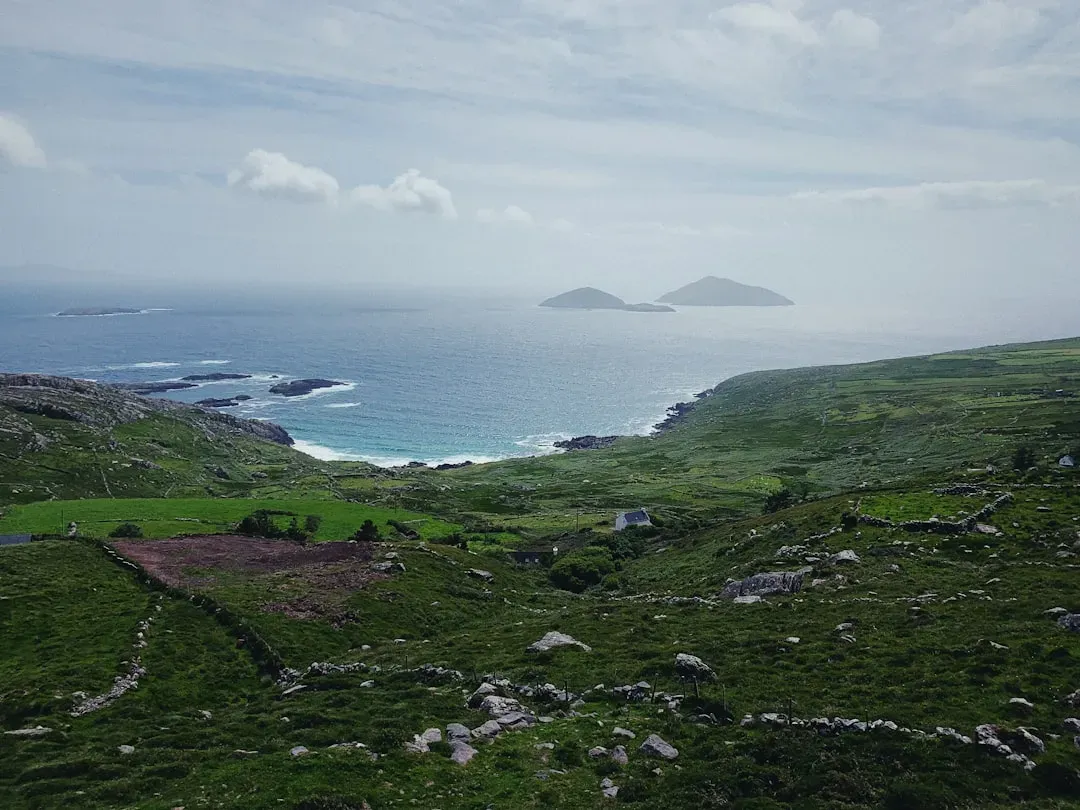
Off the southwest coast of Ireland, Skellig Michael is about as remote and dramatic as European scenery gets. Skellig Michael is the Star Wars filming location in Ireland that introduced County Kerry to a global cinema audience, used as the setting for Ahch-To, the remote planet where Luke Skywalker lives in exile. The island’s steep stone stairways and beehive huts, built by monks more than a thousand years ago, gave the production a texture no set could have faked.
Skellig Michael appeared in both Star Wars: The Force Awakens in 2015 and Star Wars: The Last Jedi in 2017, becoming the most recognisable location in the sequel trilogy. Access has always been tightly controlled, both because of the island’s fragile monastic ruins and because reaching it requires a small boat crossing over open Atlantic swells. That difficulty is part of the appeal. Few filming locations in the world demand this much effort to visit, and few reward the effort as completely.
1. Dubrovnik, Croatia
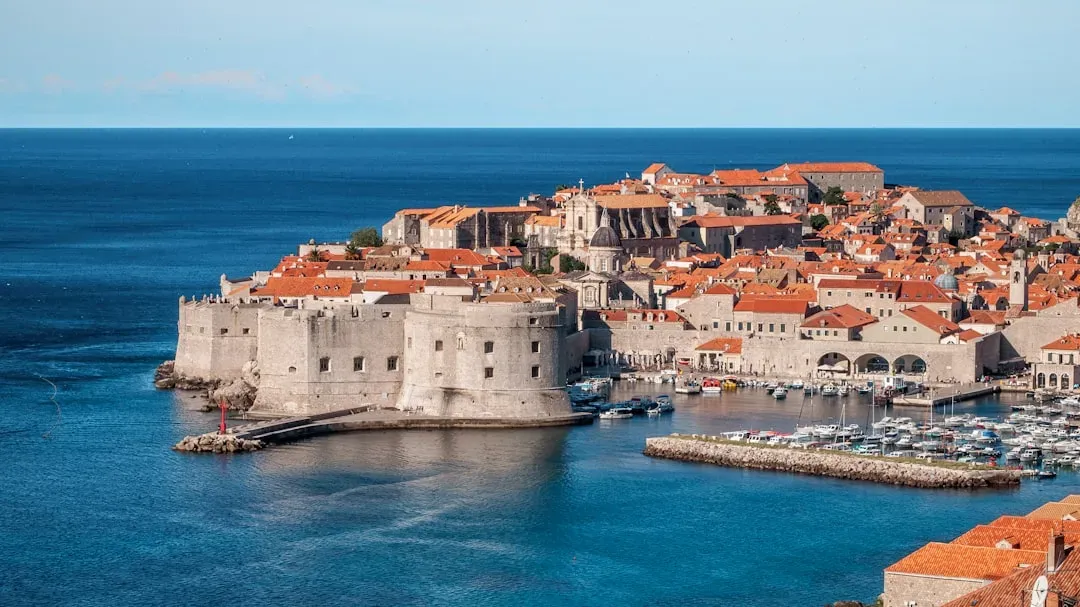
At the top of this list sits Dubrovnik, a walled Adriatic city that spent eight seasons doubling as the most dangerous capital in fantasy television. Dubrovnik is the real-world setting for most of the Game of Thrones exterior scenes in King’s Landing, with the Old Town delivering iconic shots including Pile Gate for Blackwater Bay, the City Walls with Minčeta Tower, and Fort Lovrijenac standing in for the Red Keep. The Jesuit Staircase near Gundulić Square, meanwhile, became instantly famous as the setting for one of the show’s most talked-about scenes.
This thirteenth-century city on the southern Dalmatian coast is known for its iconic walls, striking architecture, and crystal-clear waters, earning it the nickname the Pearl of the Adriatic thanks to seven centuries as an independent merchant republic, and the Old Town is now an officially recognized UNESCO World Heritage Site. None of that history was invented for television, which is exactly why the city photographs so convincingly as a medieval capital. Beyond the walls, a short boat ride reaches Lokrum Island, which doubled for parts of Qarth and now draws its own steady stream of visitors. Between the fortifications, the terracotta rooftops, and the open sea beyond, Dubrovnik earns its place at the top of this list on scenery alone, television credits aside.
Final Thoughts
What ties these nine places together isn’t just their film credits, it’s the fact that each one would be worth visiting even if a camera had never shown up. Productions gravitate toward landscapes and buildings that already carry drama in their bones, whether that’s a walled Adriatic port, a monastery balanced on a rock spire, or a plaza built to look older than it actually is.
Visiting any of these spots today means walking through both real history and borrowed fiction at the same time, which is a strange but memorable way to experience a place. That overlap, more than any single scene, is probably what keeps travelers chasing these locations long after the films themselves have faded from conversation.
Partner offer
Planning a trip to Vegas?
Compare hotel rates and show tickets on VEGAS.com.