
Movies, theater productions, and live television all look effortless when they work well, which is exactly the point. Every polished performance rests on a mountain of unseen labor, split second timing, and small fixes that never make it into the final cut or the curtain call. Here’s a closer look at the quiet mechanics that keep the show running while the audience stays none the wiser.
1. Continuity errors get caught and hidden in real time
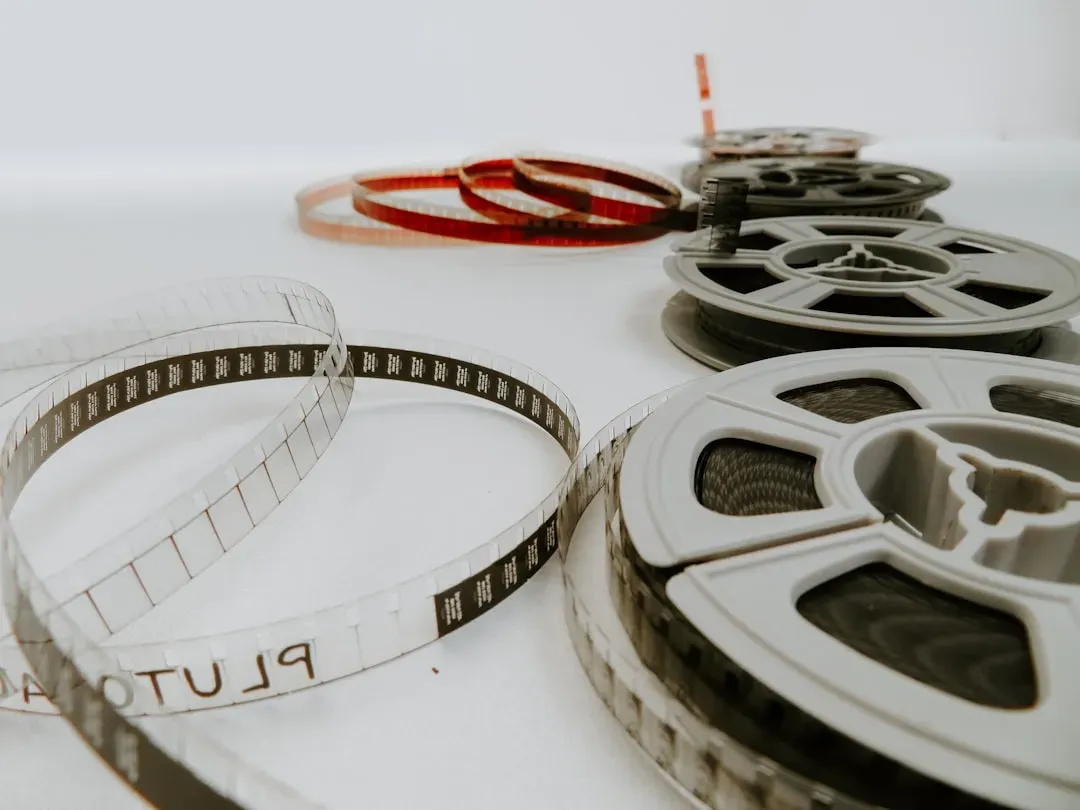
Continuity supervisors track thousands of tiny details across a production, from which hand an actor holds a coffee cup in to how much liquid is left in a glass between takes. Their job is to prevent the jarring mismatches that would otherwise pull viewers out of a scene when shots are stitched together weeks or months apart. On a feature film, a single scene might be shot over several days, so someone has to remember exactly how a jacket was buttoned or how messy a desk looked in the previous setup.
When mistakes slip through anyway, editors sometimes patch them with clever cutting, digital touch ups, or simply hoping the audience is focused elsewhere. Fan communities online have built entire hobbies out of spotting these slips, yet for every error that makes it to a blooper compilation, dozens more are caught and corrected before release. It’s a largely thankless role, but without it, films would feel noticeably rougher.
2. Sound is rebuilt almost entirely after filming
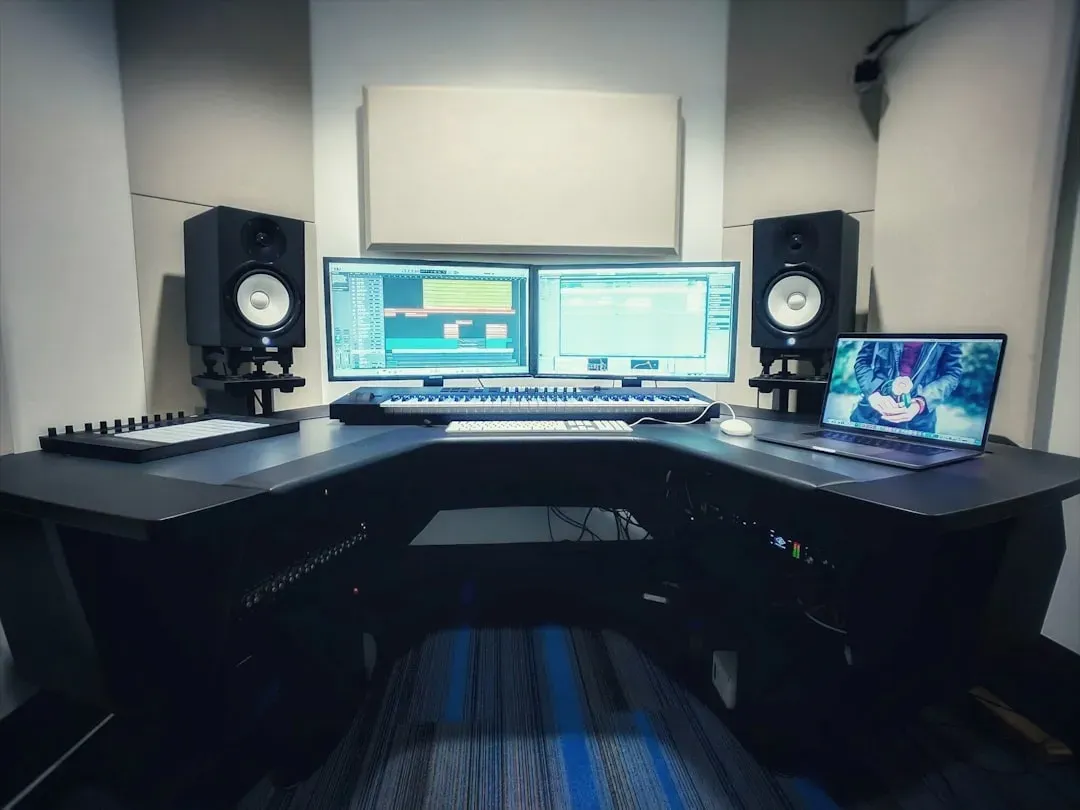
Most dialogue captured on a film set is unusable in its raw form because of wind, traffic, or equipment noise, so a large portion of what audiences hear in theaters was recorded later in a studio through a process called ADR, or automated dialogue replacement. Actors watch their own performance and re-speak lines while trying to match their original lip movements and emotional tone. Foley artists then add footsteps, clothing rustles, and object sounds by hand, often using unexpected props like gloves or gravel trays to mimic real world textures.
Even ambient sounds like birds, wind, or distant crowds are frequently layered in during post production rather than captured live. A scene that feels completely natural on screen might actually be a patchwork of dozens of separately recorded audio elements. This invisible labor is one reason sound design teams are considered essential rather than optional on any serious production.
3. Stunt doubles are digitally erased from view
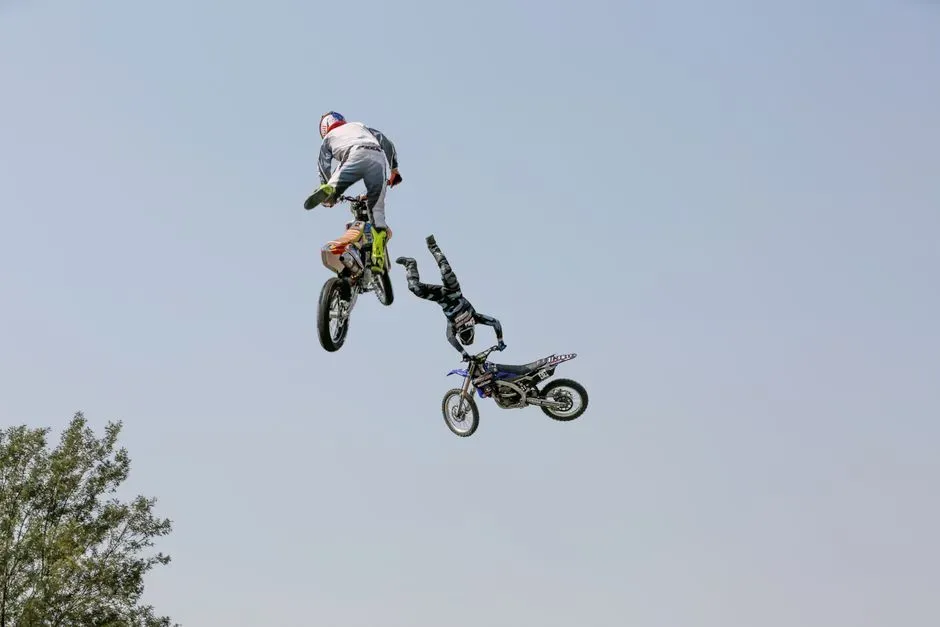
Stunt performers train for years to make dangerous sequences look believable, but their contribution is deliberately designed to be unnoticeable. Careful camera angles, wardrobe matching, and wig work help doubles blend seamlessly with the lead actor they’re standing in for. In modern productions, visual effects teams sometimes go a step further, digitally replacing a stunt double’s face with the actor’s face in post production for close up shots during dangerous action.
This technique became more common through the 2020s as facial mapping and de-aging technology matured, allowing filmmakers to keep dangerous stunts fully practical while still showing the star’s face in tight shots. The goal is always invisibility: if audiences notice the swap, the illusion has failed. Stunt coordinators often describe their ideal outcome as nobody realizing a double was there at all.
4. Lighting is adjusted constantly between takes
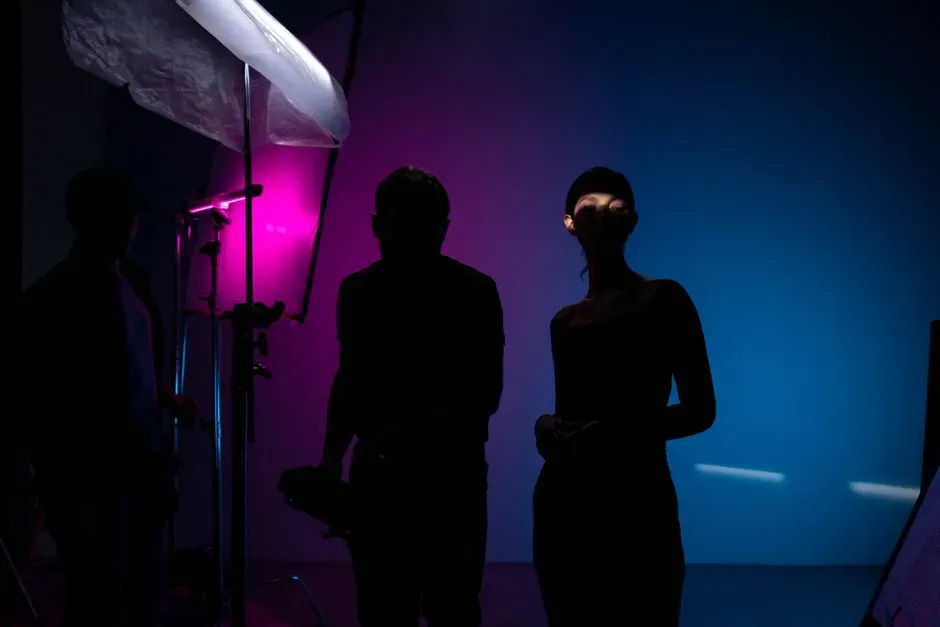
A gaffer and their crew reposition lights throughout a shoot day, often making dozens of small adjustments that never get discussed on screen but shape how every frame feels emotionally. Natural light changes by the minute outdoors, so crews frequently pause filming or use large diffusion panels and reflectors to keep skin tones and shadows consistent across a scene. Indoors, lighting setups can take hours to build for a single sequence, especially when a director wants a very specific mood like harsh interrogation lighting or soft romantic glow.
Colorists later fine tune these choices even further during a process called color grading, adjusting warmth, contrast, and saturation frame by frame. This is why a flashback scene might look subtly cooler in tone than a present day scene, even though audiences rarely register the shift consciously. The emotional pull many viewers feel from a film’s visual style often comes from this invisible layer of technical decision making.
5. Actors rehearse blocking with tape marks on the floor

Before cameras roll, actors and crew map out exact movement paths using small pieces of tape placed on the studio floor, a process called blocking. These marks tell performers precisely where to stand so the lighting, focus, and camera framing all line up correctly for each shot. Missing a mark by even a few inches can throw an actor out of focus or out of the light entirely, which is why experienced performers develop an almost automatic sense of hitting these spots without looking down.
Directors and cinematographers rehearse this choreography repeatedly, sometimes for scenes that last only a few seconds on screen. It looks completely natural in the final product, yet every step, turn, and pause was often planned down to the footstep. This technical precision is part of what separates trained film actors from newcomers who haven’t yet learned to work within such tight physical constraints.
6. Live audiences and reactions are sometimes shaped in advance
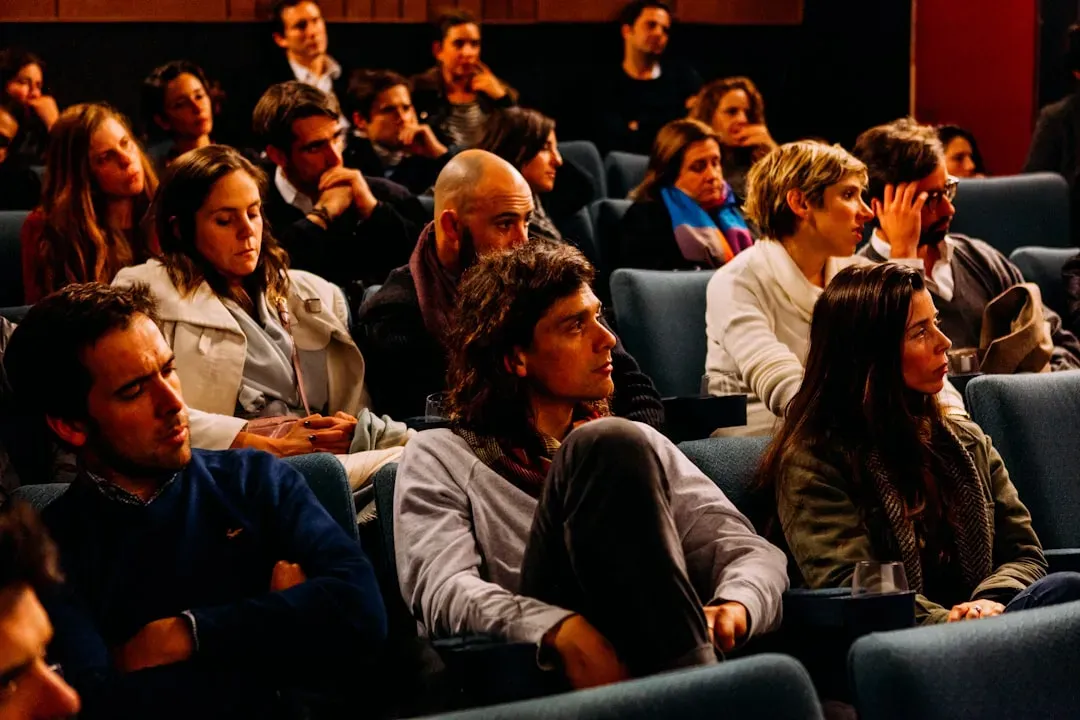
Talk shows, award ceremonies, and sitcoms recorded in front of a studio audience often use warm up comedians or producers before taping begins to build energy and explain when to clap or laugh. This isn’t necessarily dishonest, but it does mean audience reactions are partly cultivated rather than entirely spontaneous. Seat fillers are also commonly used at major award shows to prevent empty chairs from appearing on camera whenever nominees or presenters step away.
Applause signs, though less common than in earlier decades of television, still appear on some productions to cue timing for editors. Producers also frequently ask audiences to react a second time if the first take wasn’t clean enough for broadcast. None of this is widely advertised, yet it shapes the sense of spontaneity that broadcast television relies on.
Partner offer
7. Props are duplicated dozens of times per production
Any object an actor might break, drop, or damage during a scene typically exists in multiple identical copies on set, sometimes numbering in the dozens for a single prop. This is especially true for breakaway items like glass bottles, made from sugar based materials designed to shatter safely, or food props that need to be replaced after every take because of spoilage or messiness under hot lights. Property masters, the crew members responsible for managing these items, keep detailed inventories to ensure continuity across every duplicate.
Weapons used in productions, even fake ones, are handled under strict safety protocols following a string of high profile industry incidents in recent years that pushed studios toward tighter prop weapon regulations. Many productions have shifted toward rubber or fully inert replicas combined with visual effects gunfire rather than functional prop firearms. Audiences rarely think about how many identical coffee cups or newspapers were used to nail a single scene, but production budgets absolutely account for it.
8. Editors cut hours of footage down to fit a runtime
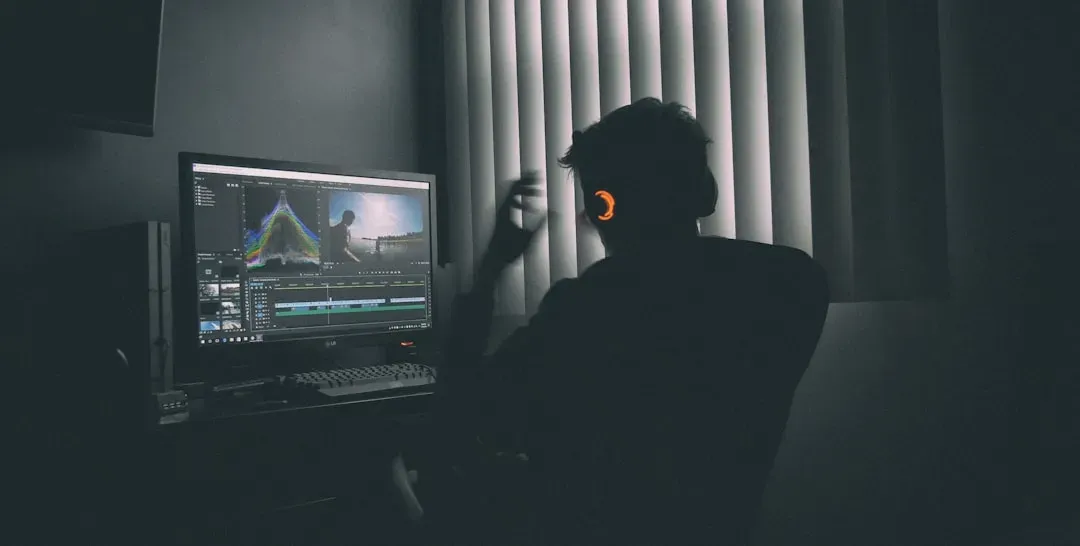
Film editors typically work with a ratio far higher than what ends up in the final cut, sometimes reviewing dozens of hours of raw footage to assemble a two hour feature. Entire subplots, performances, and even supporting characters can be filmed and later removed entirely if they don’t serve the pacing of the finished story. This invisible shaping process is often described within the industry as writing the film a second time, except with a camera’s footage instead of a script.
Test screenings frequently influence these decisions, with studios adjusting endings or trimming scenes based on audience feedback cards or focus group reactions gathered months before wide release. A film’s theatrical cut can look quite different from its earliest assembled version, sometimes losing thirty minutes or more in the editing room. Viewers experience only the final, tightened version, unaware of how much material was quietly left on the cutting room floor.
9. Green screens require actors to imagine entire worlds
Performing against a blank green or blue backdrop remains one of the more demanding tasks actors face, since it requires reacting convincingly to creatures, explosions, or landscapes that don’t yet exist. Directors often use printed concept art, verbal descriptions, or simple markers on set to help actors gauge where their eyeline should land. Visual effects supervisors are typically present during these shoots to ensure camera movement and lighting will match the digital environment added later.
This technique has expanded significantly with the rise of LED volume stages, first popularized industry wide through productions like The Mandalorian, which project real time digital backgrounds onto massive curved screens instead of a flat green wall. This approach lets actors see and react to an actual environment rather than imagining one, and by the mid 2020s more productions across streaming and film adopted volume stages for exactly that reason. Either way, audiences watching the finished, effects laden scene rarely consider how much imaginative work went into filming it against an empty space.
10. Costumes are built with hidden practical modifications
Costume departments often construct multiple versions of the same outfit, including stunt friendly duplicates reinforced for movement, quick change versions with hidden zippers or velcro for fast transitions backstage, and pristine versions reserved purely for close up shots. Fabric choices are also influenced by how materials appear under specific lighting or camera sensors, since some colors and patterns that look fine to the naked eye can create distracting visual artifacts on camera. Wardrobe teams frequently age or distress costumes intentionally to match a character’s storyline, sometimes replicating identical damage across several duplicate garments.
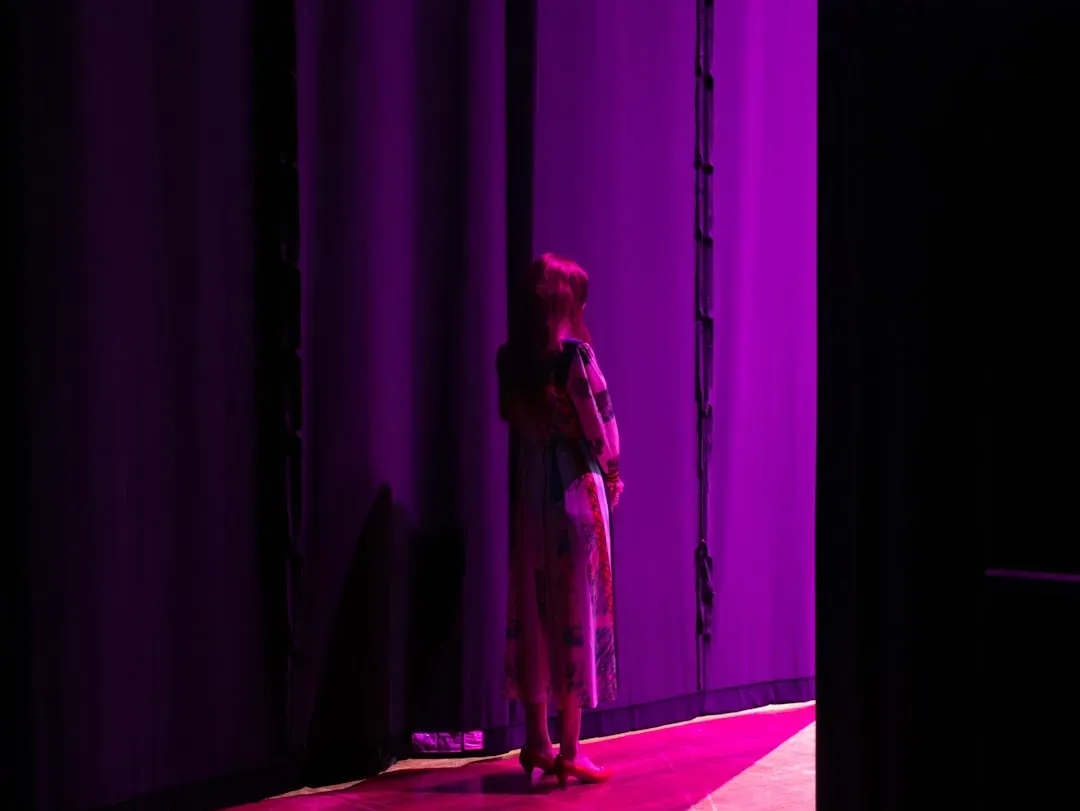
In live theater, quick change costumes are engineered almost like small machines, allowing actors to swap entire outfits in under a minute with help from dressers waiting in the wings. Broadway productions in particular have become known for elaborate backstage choreography built entirely around these rapid transitions. None of this mechanical complexity is meant to be visible, since the entire point is a seamless transformation happening in full view of the audience without them noticing the seams.
11. Sets are built only where the camera will actually look

Production designers frequently construct only the portions of a set that will appear on camera, leaving walls unfinished, rooms without ceilings, or entire building facades that are nothing more than a single flat surface propped up from behind. This approach saves substantial time and budget, since building a fully functional three dimensional space would be wasteful when only one angle will ever be filmed. Wild walls, sections of a set built to be removable, allow camera crews to shoot from angles that would otherwise be physically impossible inside a real room.
Forced perspective techniques also play a role, where smaller background elements are placed further from camera to create an illusion of greater depth or scale than the actual set possesses. This trick has been used since the earliest days of filmmaking and remains common even in modern digitally enhanced productions. Audiences experience these spaces as fully real environments, never suspecting that just out of frame sits scaffolding, lighting rigs, or an entirely bare wall.
12. Directors and script supervisors track thousands of small details across months of filming
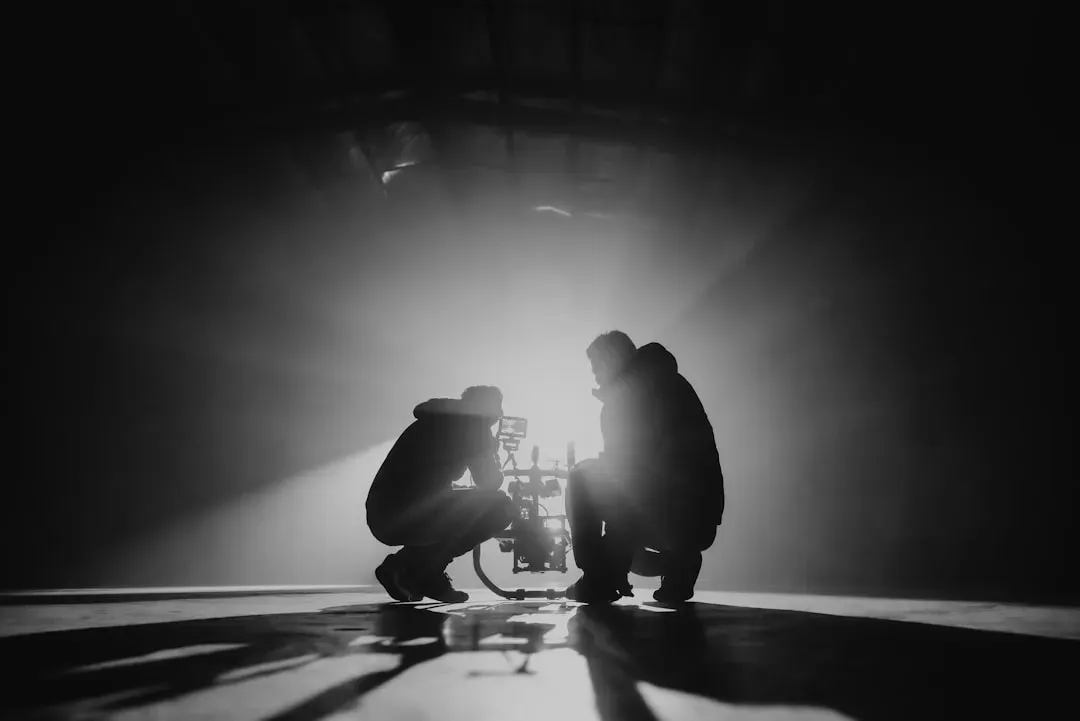
Script supervisors maintain detailed notes on every single shot, including camera lens choices, actor movements, and dialogue variations, since scenes are rarely filmed in the order they appear in the finished story. A film shot over several months might capture its ending scene during the first week of production and its opening scene during the final week, requiring meticulous tracking to keep everything consistent. These notes become essential reference material for editors piecing together footage recorded entirely out of sequence.
Directors also rely on shot lists and storyboards prepared well before filming begins, mapping out camera angles and blocking decisions in advance to keep a massive crew moving efficiently each day. Without this planning, productions would lose enormous amounts of time and money reshooting or reblocking scenes on the fly. This behind the scenes organizational effort is arguably the least glamorous part of filmmaking, yet it’s the invisible structure holding every other department together.
Every one of these unseen efforts shares a common goal: keeping the audience fully immersed in the story rather than distracted by the machinery that built it. The next time a scene feels effortless, there’s a good chance an entire team spent hours making sure it looked that way.Partner offer
Planning a trip to Vegas?
Compare hotel rates and show tickets on VEGAS.com.