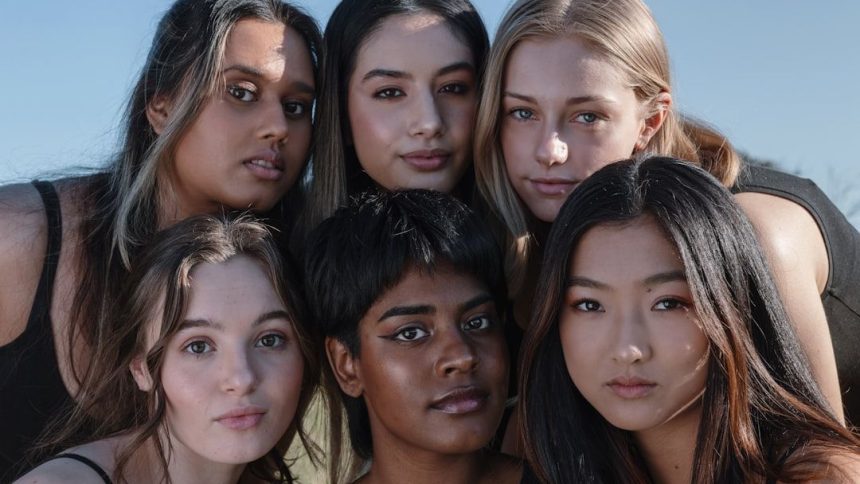
There’s a quiet frustration that builds every time a woman sits down to watch a major Hollywood release and finds herself watching a world that only partially resembles her own. The stories are often there. The budgets are there. What’s frequently missing is the specific texture of female experience, told with genuine honesty rather than as a narrative device built around someone else’s arc.
The conversation about women in film has never been louder, and the data behind it is both encouraging and sobering at the same time. Of the 100 top-grossing films in 2024, 54 featured a girl or woman in a lead or co-lead role, a significant increase from 2023, when only 30 movies featured a female-identified protagonist. Yet the number of girls and women leading the top movies of 2025 has hit a seven-year low, with only 39 of the 100 top-grossing films featuring a woman in a lead or co-lead role. Progress, it turns out, is not a straight line. What follows are twelve things women have made abundantly clear they want to see far more of on screen.
1. Female Friendships That Don’t Revolve Around a Man
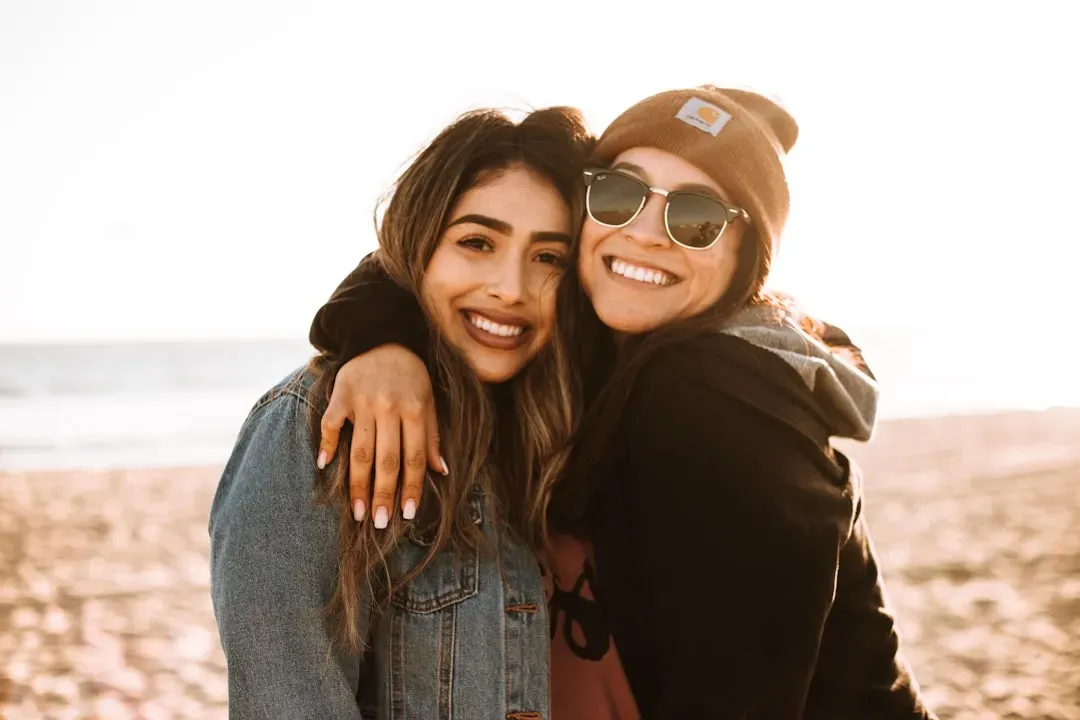
One of the most consistent blind spots in mainstream cinema is the way female friendships get reduced to rivalry or serve purely as background noise to a romantic plot. Women watching films notice this almost immediately. When two women share screen time, the story so often makes a love interest the invisible third party in the room.
Films like “Wicked,” which brought two women’s friendship to the center of a massive big-budget release, showed just how hungry audiences are for this dynamic done properly. Films like Jon M. Chu’s Oscar-nominated “Wicked” demonstrated once again how movies can be popular through diversity and female-centered storytelling on screen. Women want friendships that are complicated, loyal, funny, and occasionally painful, built around the women themselves rather than the men orbiting them.
2. Older Women With Desire, Agency, and Relevance
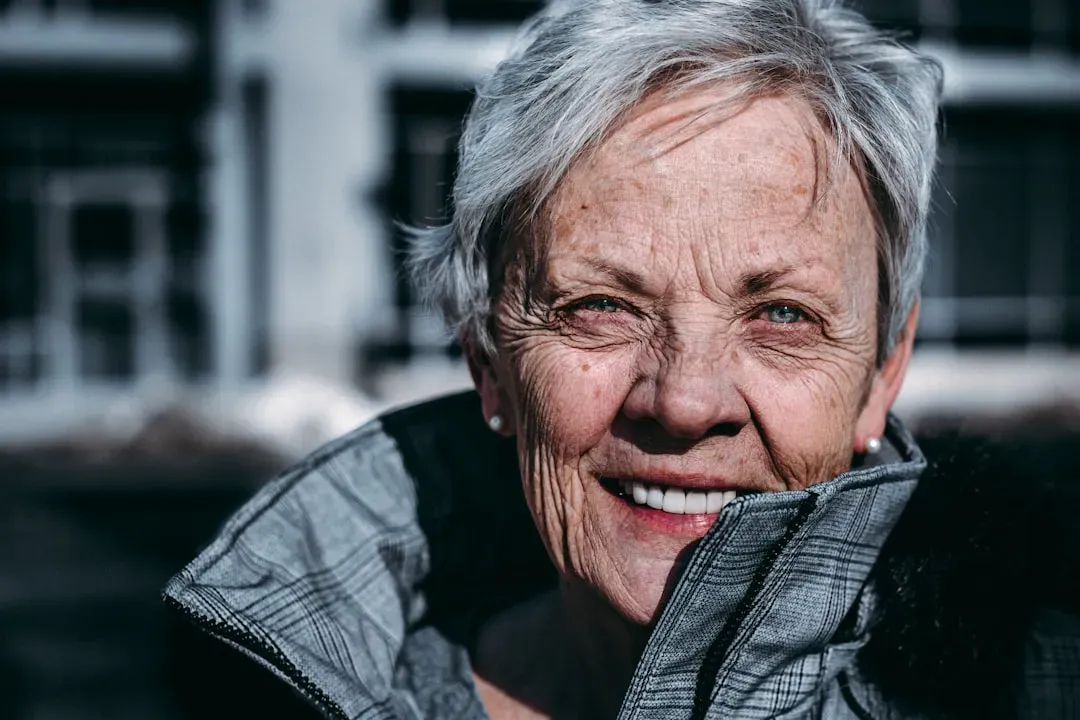
Hollywood’s relationship with women over 45 has been uncomfortable at best. The majority of female characters in top-grossing films are in their 20s and 30s, while women aged 60 and older are dramatically underrepresented, accounting for just about two percent of all major female characters. Meanwhile, older white men appeared in sixteen films in 2024, working sixteen times more frequently across the top 100 films than older women of color.
What makes this particularly striking is the audience demand pulling in the opposite direction. What films featuring older women in romantic storylines have in common is a fun and flirty focus on women of a certain age. Films like “Lonely Planet,” “A Family Affair,” and “Babygirl” proved there is a clear appetite for stories where older women are desirable, fully dimensional, and driving the narrative on their own terms.
3. Women Behind the Camera Telling Women’s Stories
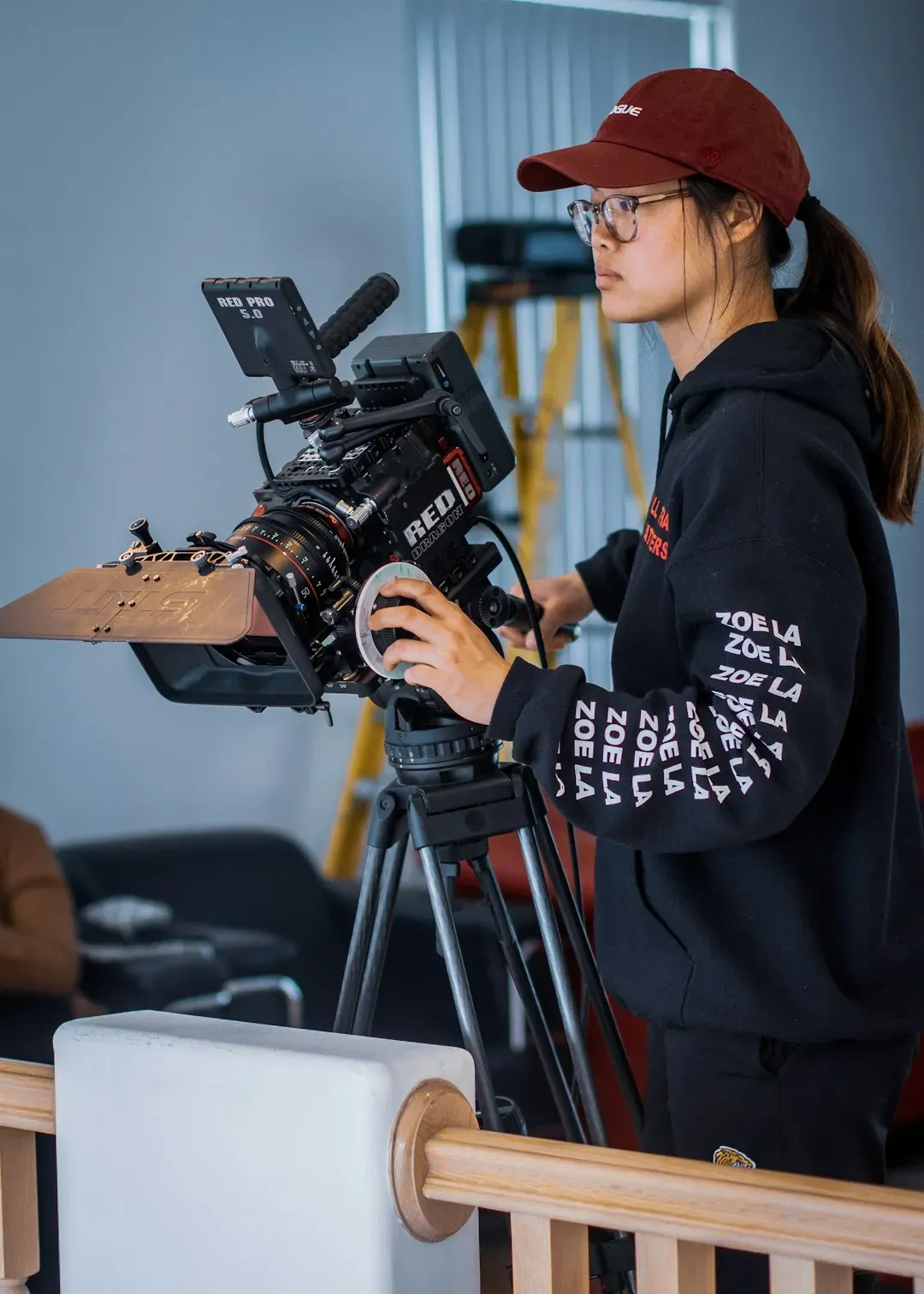
There is a reason this appears on this list. The connection between who directs a film and what ends up on screen is not subtle. In films with at least one woman director and/or writer, females comprised roughly four in five protagonists, while in films with exclusively male directors and/or writers, females accounted for only about one in three protagonists. That gap is enormous and it shapes everything about how a story gets told.
Yet the data on women directors remains discouraging. Only about one in ten films in 2025 was directed by a woman, down from around fifteen percent the previous year and the lowest share since 2018. The stunning successes of high-profile women directors have not translated into opportunities for greater numbers of women, and visibility for a few has not generated employment for many. When women direct, the entire crew shifts: on films with at least one woman director, women accounted for over half of writers, more than a quarter of editors, and a third of cinematographers, compared to far smaller proportions on male-directed films.
4. Authentic Romance That Isn’t Built on a Fantasy Template

Women have long been the core audience for romantic films, yet the genre often serves them the most formulaic version of love imaginable. The meet-cute, the miscommunication, the grand gesture, the airport run. There is a growing hunger for romance that actually reflects how relationships develop in real life, with all the awkwardness and ambiguity that entails.
Online conversation around film and TV consumption by women indicates that romantic disillusionment and a desire to witness real love is contributing to increased demand for romantic comedies and older content with prominent, believable romances. Films like Celine Song’s “Materialists” in 2025 resonated precisely because it followed a character who helps others find love but struggles herself, torn between an ex-boyfriend and a new wealthy man in her life, in a way that felt steamy, real, and consistently engaging.
5. Women of Color as Full Leading Characters
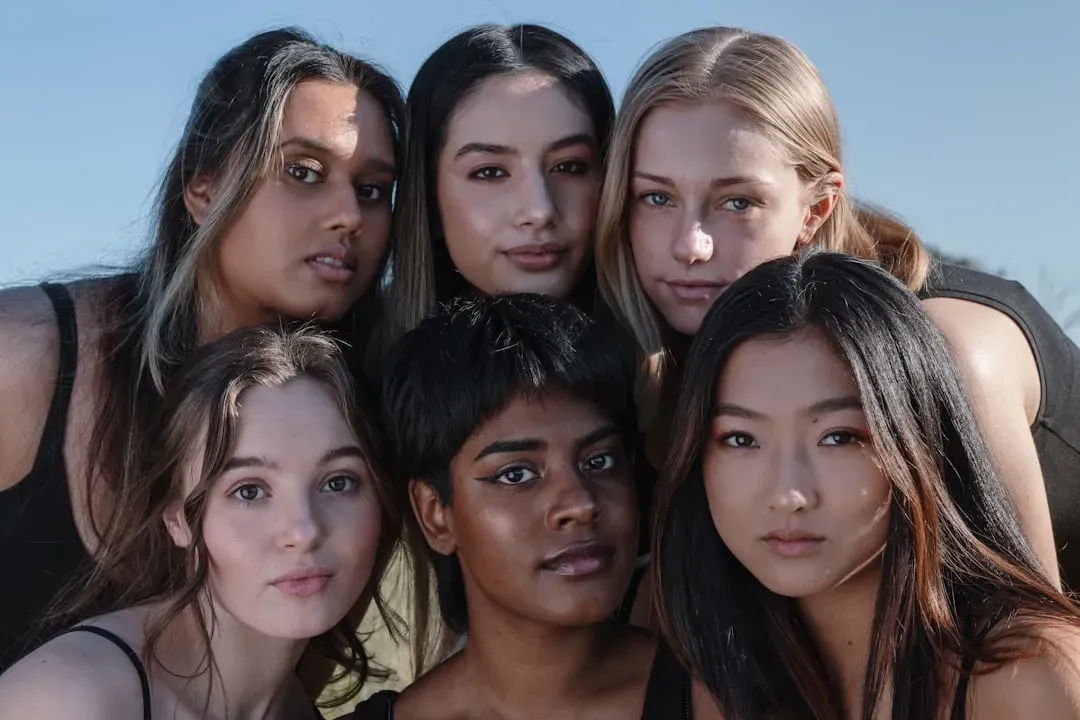
The representation gains women have seen on screen have not been shared equally. In 2024, only one film among the top-grossing releases was led or co-led by a woman of color. That number is not a rounding error. It’s a systemic failure, and women in the audience, particularly women of color, feel it every time they sit in a darkened theater.
Not one of the distributors examined in the USC Annenberg study released films with an underrepresented lead or co-lead in proportion to the U.S. population. In 2025, not a single film in the top 100 featured a woman of color 45 years of age or older in a leading or co-leading role. The demand from audiences is clearly there. UCLA researchers found that in 2024, women and people of color continued to drive opening weekend domestic sales at theaters.
6. Stories About Women’s Bodies That Aren’t Horror or Punishment
Films about women’s bodies tend to fall into a narrow set of categories. They’re either hypersexualized, surgically idealized, or treated as sites of horror and transformation, often all three at once. “The Substance” (2024) made waves by turning that convention inside out, using body horror to critique the industry that produces these images in the first place.
Films featuring female protagonists in 2024 showed women railing against unsatisfying personal relationships and discriminatory work environments, with films such as “The Substance” pushing back hard against a culture that considers women disposable. Women want to see their bodies treated as something other than a problem to be solved or a spectacle to be consumed. The appetite is there for films that grapple with this honestly, with complexity rather than exploitation.
Partner offer
7. More Ensemble Films With Multiple Strong Women
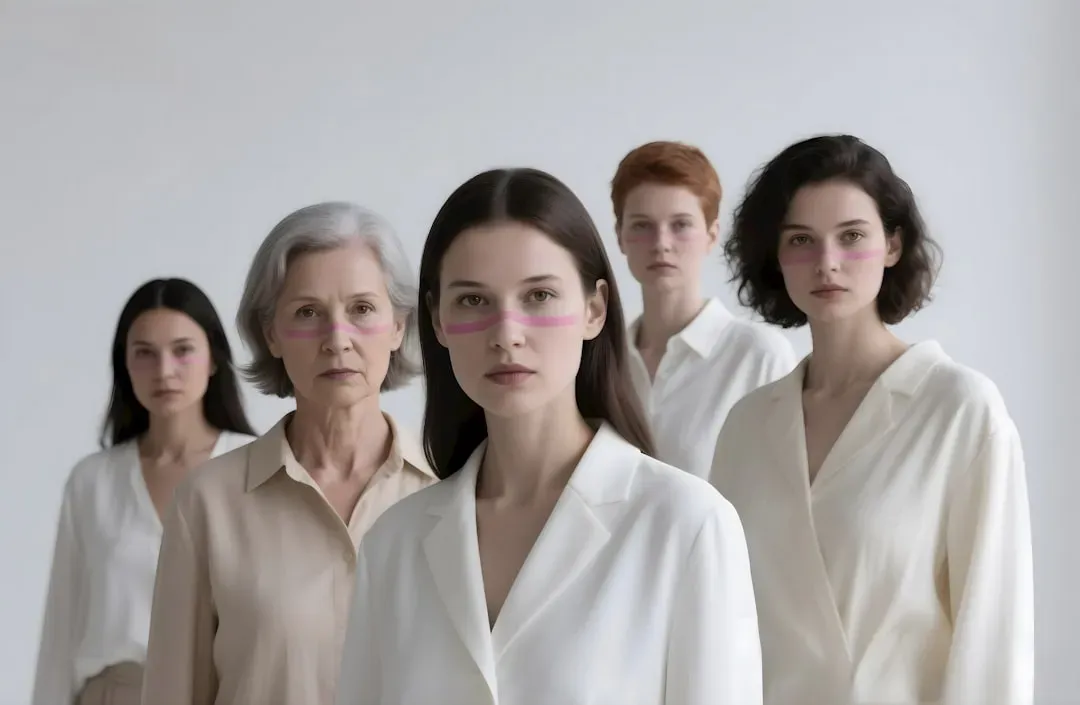
Single strong female leads are progress, but they can also create a kind of tokenism where one woman represents all women. What audiences respond to is ensemble storytelling where several women coexist on screen with their own distinct arcs, allegiances, and contradictions. Audience data reflects a notable desire for bingeable content with ensemble casts, including strong female-led ensembles.
When films build worlds populated with multiple women who are all fully realized, something different happens: the individual characters stop having to be everything to every viewer. They can just be specific people. That specificity is what makes a story feel real rather than representative, and it’s what women in the audience have been pointing toward for years.
8. Women Writers Given the Budgets Their Stories Deserve
One of the quieter injustices in the film industry is the consistent connection between women filmmakers and smaller budgets. White women directors are still most likely to be attached to the films with the lowest budgets. This isn’t just a career problem. It’s a storytelling problem, because limited budgets constrain the scope, reach, and cultural impact of the stories women are able to tell.
Women writers, whose films had the highest share of gender-balanced casts, saw a continuing decline in representation, with the number of films penned by a woman falling to around a fifth of all productions, down almost five percentage points since their high in 2022. The stories are being written. The question is whether the industry is willing to invest in them at the same level it invests in male-authored projects.
9. Middle-Aged Women Navigating Career and Identity
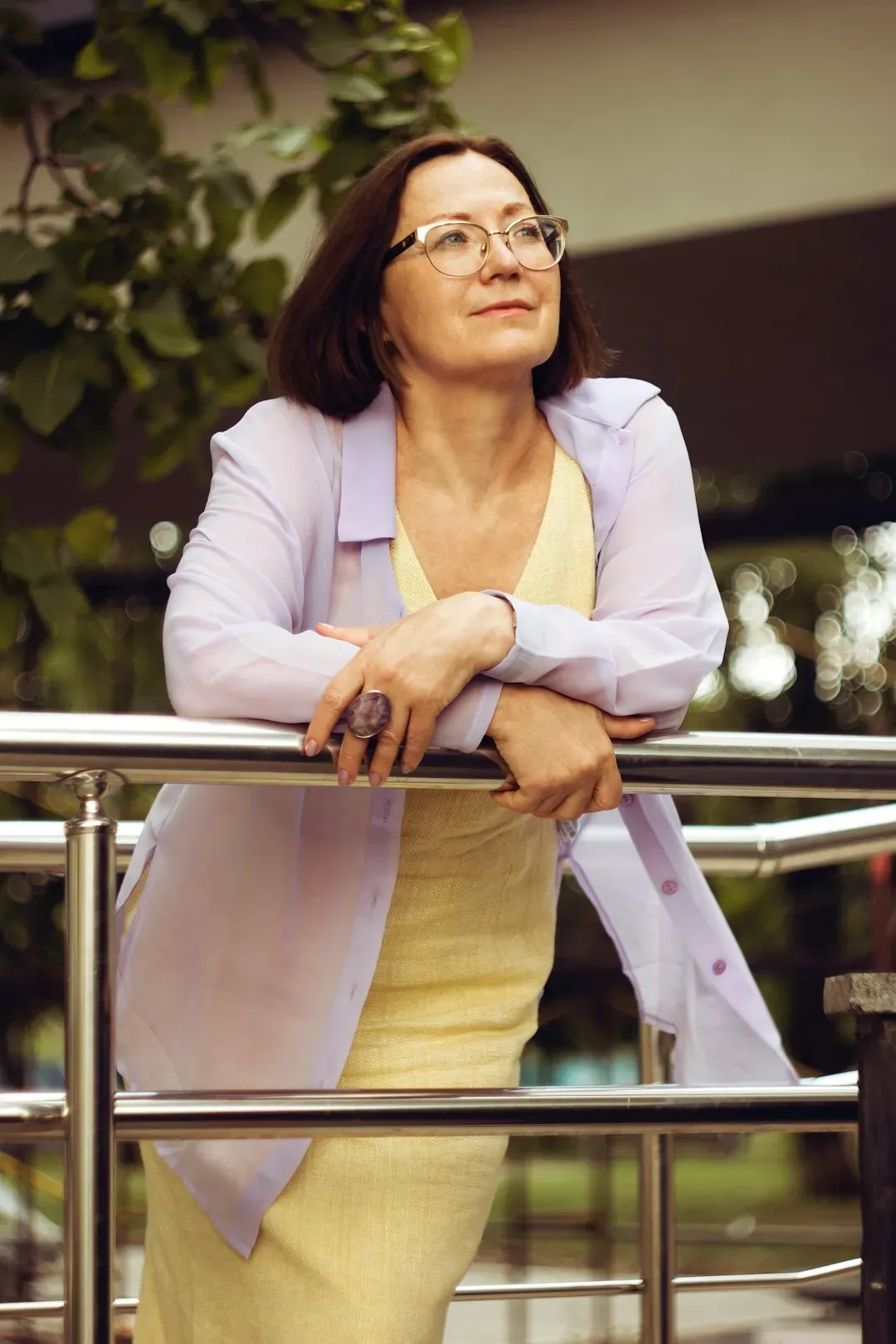
There is an entire category of female experience that mainstream cinema almost entirely ignores: the mid-career, mid-life reckoning that millions of women go through and that is almost never treated as compelling dramatic material. The assumption seems to be that this story lacks spectacle. In reality, it’s one of the richest territories in human experience.
Films that do venture into this space tend to attract devoted audiences. Emma Thompson’s “Good Luck to You, Leo Grande” is a notable example. Thompson received a Golden Globe nomination for the film about a retired school teacher who resolves to change her life, hiring a young man who gradually gets her to open up not just to pleasure but also to the possibility of intimacy and living a full, rounded life at any age. That premise, quietly radical for a mainstream film, resonated precisely because it took a middle-aged woman’s inner life completely seriously.
10. Realistic Depictions of Female Ambition Without Punishment

On screen, female ambition is very often followed by some form of consequence. The successful woman who sacrifices love. The driven professional who turns cold. The career woman who must learn that what she really wanted was simpler all along. This narrative loop is so well-worn it has become almost invisible, but audiences notice it.
Women want films where a character can simply be good at something and pursue it without the story deciding she needs to be taught a lesson about priorities. 2024 offered one of the richest slates of films featuring female protagonists in recent memory, with fictional women railing against unsatisfying personal relationships and discriminatory work environments. That framing is telling: the films that connected were the ones that actually showed the friction women face rather than resolving it through romantic rescue or professional retreat.
11. Women’s Health and Bodies Treated With Seriousness
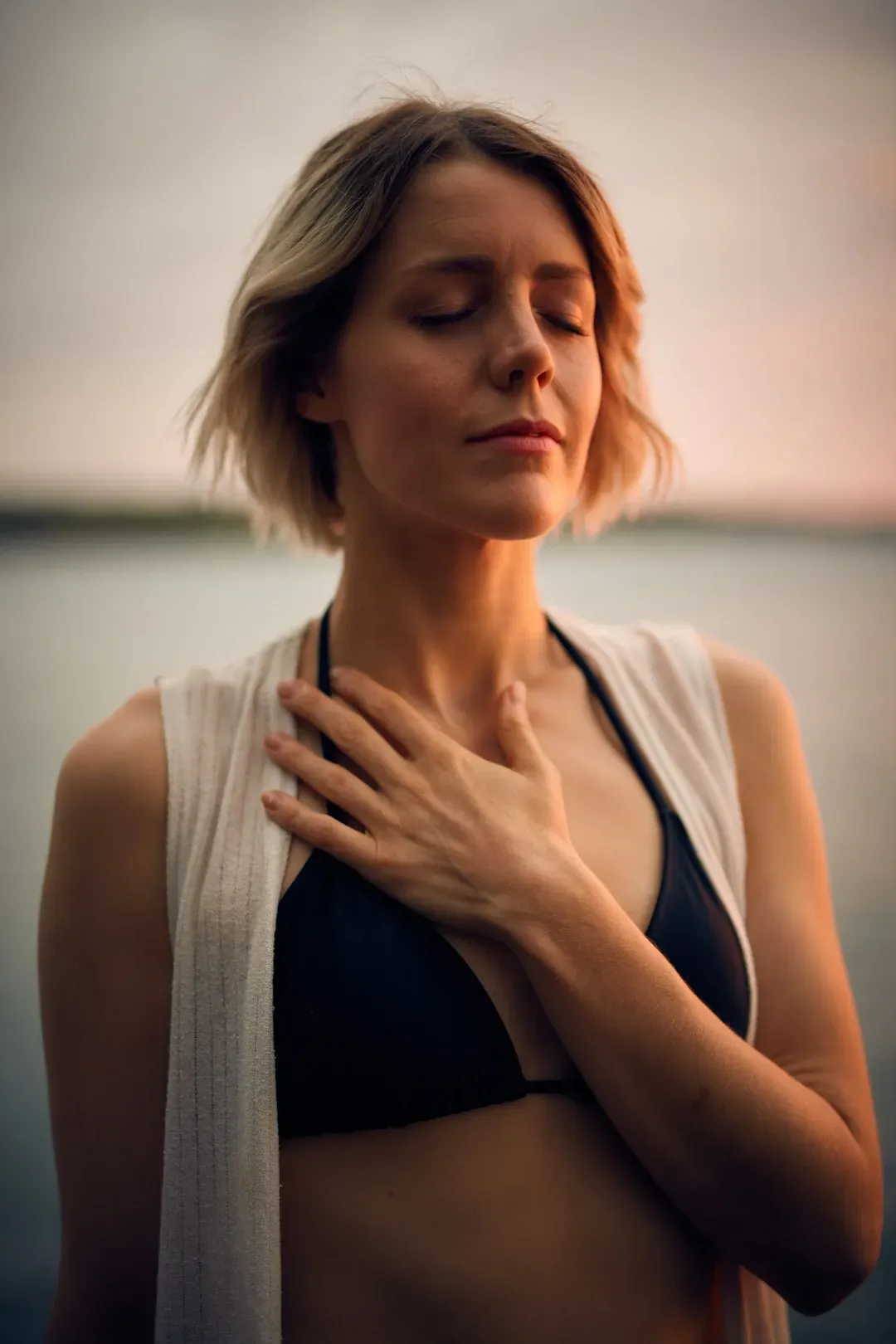
Stories about physical health, mental health, reproductive experience, and aging as they affect women are almost entirely absent from mainstream cinema. When they do appear, they tend to function as melodrama rather than genuine exploration. Yet these are experiences shared by enormous numbers of people in the audience, people who rarely see their reality acknowledged on screen.
The absence matters in a concrete way. For those who don’t work within the film industry, the lack of women’s labor behind the scenes is directly tied to the type of stories that end up on screen. Women writers and directors bring these subjects into scripts naturally, which is precisely why the persistent gap in female creative leadership behind the camera translates so directly into a gap in meaningful on-screen storytelling about women’s physical and emotional lives.
12. Female-Led Films With Genuine Studio Investment
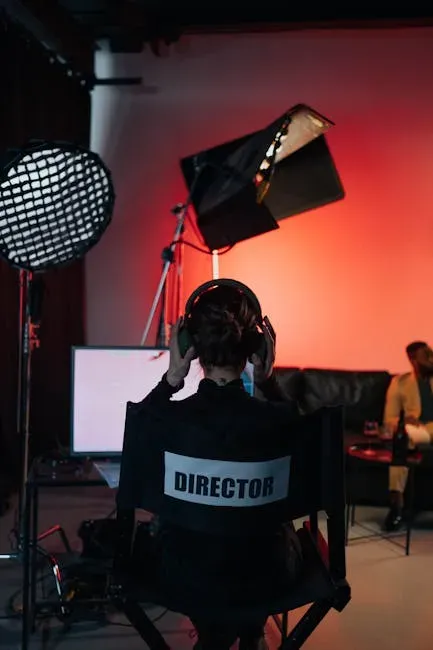
The most fundamental change women are looking for is perhaps the simplest to describe and the hardest to deliver: studios willing to back female-led films with the same resources, marketing budgets, and distribution muscle they apply to male-led blockbusters. The box office evidence for doing so is consistently strong. Films with diverse casts surged to the top of median global box-office receipts, outperforming offerings that were less diverse in terms of race and ethnicity.
Yet the industry keeps retreating. The percentage of top-grossing films with female protagonists plummeted from around two in five in 2024 to fewer than three in ten in 2025. The 2026 Women in Film ReFrame Report found the fewest gender-balanced projects in six years. Studios have the audience. They have the data. What women in cinemas across the world are waiting for is the decision to finally act on it, not as a social gesture, but as the straightforward business proposition the evidence keeps showing it to be.
The twelve points above aren’t a wishlist built from sentiment. They’re built from research, box office patterns, and years of audience behavior pointing in the same direction. The stories women want to see are not niche. They’re not difficult or uncommercial. They’re just, more often than they should be, unmade.
Partner offer
Planning a trip to Vegas?
Compare hotel rates and show tickets on VEGAS.com.