Some records don’t arrive so much as they accumulate. They sit quietly on shelves, or in small print runs, or in the memories of a handful of devoted listeners who couldn’t explain why the music mattered so much, only that it did. Then, years later, the world catches up.
The story of the “late-blooming” album is one of music’s most humbling recurring themes. Many of the most influential albums ever recorded were met with total silence, poor distribution, or critical confusion upon their debut, and it was only through the passage of decades, crate-digging obsession, and word-of-mouth legends that these recordings finally found their rightful audience. What follows is a gallery of those records – the ones that prove time, more than taste, is sometimes the final judge.
The Velvet Underground and Nico (1967) – The Album That Started a Thousand Bands

Due to its abrasive, unconventional sound and controversial lyrical content, the album underperformed commercially and polarized critics upon release. Various record stores banned it, many radio stations refused to play it, and magazines refused to carry advertisements for it. Its lack of success can also be attributed to Verve, who failed to promote or distribute the album with anything but modest attention.
In 1982, Brian Eno said that while the first Velvet Underground album sold only 30,000 copies in its early years, “everyone who bought one of those 30,000 copies started a band.” In the following decades, the record received widespread critical acclaim, being regarded as ahead of its time, and has been characterized as the original art-rock record, influencing many subgenres including punk, garage rock, post-punk, shoegaze, gothic rock, and indie rock.
Nick Drake – Pink Moon (1972) – Discovered by a Car Commercial

Nick Drake died in 1974 having never seen a glimmer of commercial success. Pink Moon, his final and most stark work, features only his voice and an acoustic guitar. It is an intimate, desolate portrait of a man retreating from the world. In the heyday of singer-songwriters, Drake put out three albums that cumulatively sold just 5,000 copies.
In one of the strangest and bravest moves in advertising history, Volkswagen decided to use Nick Drake’s song “Pink Moon” in one of its commercials. Sparse, wistful, and melancholic, it was a solo acoustic performance that ranked as one of the unlikeliest mechanisms for selling German cars ever conceived. Sales of Drake’s album increased nearly 500 percent during the first ten weeks of 2000, and annual sales jumped from about 6,000 copies a year to over 74,000.
Big Star – #1 Record (1972) – A Title That Stung for Decades

Both the band name Big Star and the album title #1 Record have taken on an ironic, self-deprecating air over the years. Given Alex Chilton’s teenage fame, there was good reason to believe that his new band had a bright future. Yet while #1 Record’s homespun sound and insistent hooks gained positive reviews from the press, Big Star struggled to tour or land radio airplay, and few copies were stocked on record store shelves.
Despite receiving critical praise, Big Star’s #1 Record was a commercial failure upon its release. The album’s blend of jangly guitars and heartfelt lyrics didn’t resonate with the mainstream audience of the time. However, as the power pop genre gained popularity, #1 Record was rediscovered and embraced for its catchy melodies and emotional depth. Today, it is regarded as a cult classic and a blueprint for power pop music.
Shuggie Otis – Inspiration Information (1974) – Soul Visionary Ahead of His Moment

Shuggie Otis’s Inspiration Information is a visionary blend of psychedelic soul, funk, jazz, and early electronic textures that was years ahead of its time. Released in 1974 to little fanfare, it later became a cult classic, admired for its dreamy atmospheres, sophisticated grooves, and Otis’s one-man-band production.
Its seamless fusion of genres prefigured neo-soul and lo-fi pop, influencing artists from Prince to D’Angelo. What’s remarkable about Otis is how fully formed the vision was. There was no awkward searching or half-realized concept here, just a young musician who had arrived somewhere the world wasn’t ready to go. It took decades for listeners to realize they’d been waiting for exactly this kind of music.
Weezer – Pinkerton (1996) – Rejected, Then Revered
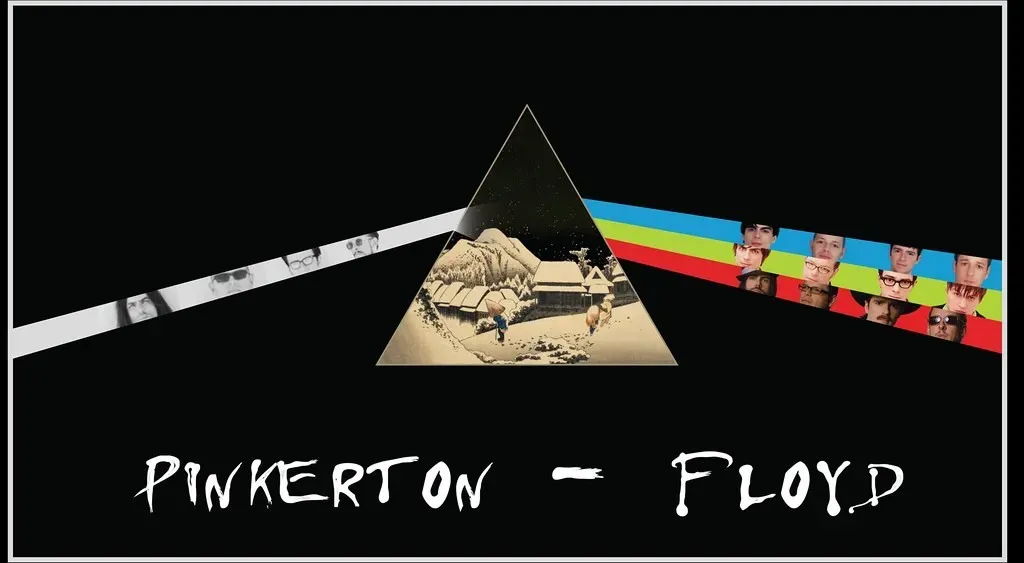
When Pinkerton arrived, it caught both critics and fans off guard. The album’s confessional lyrics and gritty production were a stark contrast to Weezer’s polished debut. Initially, the raw emotion and vulnerability led to harsh reviews and disappointing sales. After the massive success of their self-titled record, Weezer re-emerged with Pinkerton, a more introspective and layered album that initially turned fans off and even caused singer Rivers Cuomo to retreat from the spotlight.
Over time, however, listeners grew to appreciate its honesty and intensity, hailing it as a foundational emo and alternative rock album. Today, Pinkerton is seen as a cult classic, influencing countless bands and earning its place in music history. The irony is considerable: an album built on exposed nerves and artistic vulnerability became beloved precisely for the qualities that made it so uncomfortable at first.
Partner offer
Neutral Milk Hotel – In the Aeroplane Over the Sea (1998) – A Mystery That Became a Movement

In the Aeroplane Over the Sea was released in the United States on February 10, 1998, by Merge Records. Merge pressed 5,500 CD and 1,600 vinyl copies, and expected sales to be similar to On Avery Island, which had sold around 5,000 copies. These initial projections were correct, as the album sold moderately well for the first few months.
The album’s critical standing rose tremendously in the years after its release. Domino Recording Company released a reissue in 2005, which was awarded a perfect score by Pitchfork. Much of Neutral Milk Hotel’s legacy is derived from In the Aeroplane Over the Sea, which reached sales of roughly 400,000 by 2013, with music outlets such as Pitchfork and Blender ranking it as one of the greatest indie rock albums of all time. The release of the album inadvertently coincided with the rise of the Internet, and in the late 1990s, music journalism websites like Pitchfork became more prevalent while online message boards increased in popularity.
Beastie Boys – Paul’s Boutique (1989) – Too Ahead of Its Time to Chart

Licensed to Ill had made the Beastie Boys a massive phenomenon, selling ten million copies. By the time the trio reappeared with visionary, sample-driven production, it appeared that the zeitgeist had moved on. The album initially moved only a few hundred thousand copies, peaking at Number 14, still the lowest charting proper album of the band’s career.
The Dust Brothers’ dense production style, too ahead of its time in 1989, was vindicated by the acclaim for Beck’s Odelay in 1996. Just before the album’s tenth birthday in 1999, Paul’s Boutique was certified double platinum. Over time, Paul’s Boutique became a cult classic, celebrated for its innovative production and witty lyrics, and is now regarded as a groundbreaking work in hip-hop.
Death – For the Whole World to See (Recorded 1970s, Released 2009) – Punk Before Punk Had a Name

Some time before the term “punk” was solidified, three brothers from Detroit were playing high-velocity, aggressive rock that was years ahead of its time. Record labels were terrified of both Death’s name and their apparently unmarketable sound, leaving the master tapes to gather dust for over thirty years.
When the album was finally released in 2009, it sent shockwaves through the music world, rewriting the history of punk and establishing Death as true pioneers. The band had essentially invented a genre and then watched from the margins as that genre went global without them. Their belated recognition is one of the most striking examples in recorded music of what happens when art is simply too far ahead of its commercial moment.
The Zombies – Odessey and Oracle (1968) – Released Into Silence

Released after The Zombies had already disbanded, Odessey and Oracle was nearly lost to time. Its lush harmonies and inventive songwriting went largely unnoticed at first, overshadowed by bigger names of the psychedelic era. The cruelest part of its story is the timing: the band no longer existed by the time their most ambitious record reached stores.
Years later, the album’s vibrant melodies and intricate arrangements earned it cult status, with fans and musicians alike praising its beauty. Today, it’s widely recognized as a classic of psychedelic pop. It took the record a long time to find listeners willing to sit inside its particular world. Once they did, most of them didn’t leave.
Can – Tago Mago (1971) – Krautrock’s Masterpiece That Nobody Asked For
When Tago Mago emerged, most listeners outside Germany struggled to grasp its experimental spirit. Can’s daring mix of hypnotic rhythms, improvisation, and electronic textures was considered too radical for mainstream audiences. Over time, however, the album’s boundary-pushing approach became celebrated as a defining moment in krautrock.
Today, Tago Mago is recognized for its profound influence on electronic, indie, and experimental music scenes worldwide. The minimalist approach of the German experimental scene, often built around repetition and subtle variation, influenced everything from post-punk to ambient techno. At the time, this music was too abstract for mainstream audiences. Today, it is recognized as a cornerstone of modern experimental and electronic music, proving that simplicity can be just as revolutionary as complexity.
There’s a quiet lesson running through all of these stories. The records that take a decade or more to find their people are rarely the ones that played it safe. They were too strange, too personal, too committed to some interior logic that the moment couldn’t accommodate. The world, it turns out, sometimes just needs a little time to grow into great music.
Partner offer
Planning a trip to Vegas?
Compare hotel rates and show tickets on VEGAS.com.