Ever picked up a novel from decades ago and felt a strange chill down your spine? That moment when you realize the author somehow saw what was coming, long before anyone else did? It’s eerie, honestly. Some writers just have this uncanny ability to look at their present moment and extrapolate what’s lurking around the corner.
We’re not talking about vague predictions here. These are books that nailed specific technologies, social shifts, and cultural phenomena with startling accuracy. From surveillance states to smartphones, from reality TV to genetic engineering, these authors called it. Let’s dive into thirteen books that saw tomorrow before it arrived.
1. “1984” by George Orwell (1949)
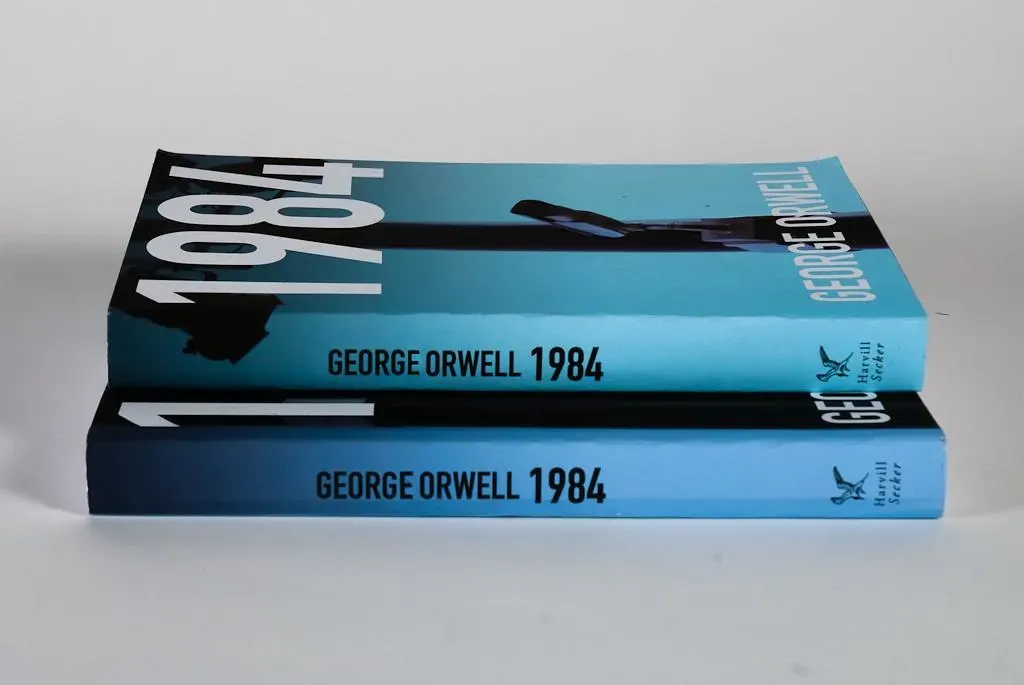
George Orwell’s dystopian masterpiece gave us terms like “Big Brother” and “thoughtcrime” that remain disturbingly relevant today. The book predicted mass surveillance through telescreens, which eerily mirror our modern security cameras, smart TVs, and smartphones that can monitor our activities. Orwell envisioned a world where governments could watch citizens constantly, manipulate historical records digitally, and use language itself as a tool of control.
What’s really unsettling is how accurately Orwell predicted the erosion of privacy in the name of security. Today’s facial recognition technology, data mining, and government surveillance programs would feel right at home in Oceania. The concept of “doublethink” parallels how we’ve become comfortable with contradictory realities in our information age.
The perpetual war Orwell described as a tool for social control? Look at how conflicts are now used to justify expanded government powers. He got the mechanism of modern authoritarianism down to a science, seventy years before Edward Snowden’s revelations.
2. “Brave New World” by Aldous Huxley (1932)
Huxley’s vision was different from Orwell’s, but arguably more accurate in predicting how control would actually work in developed nations. He foresaw a society pacified not by force, but by pleasure and distraction. The “feelies” in his book are essentially virtual reality entertainment, and the soma drug mirrors our dependence on antidepressants and mood-altering substances.
The book predicted genetic engineering and designer babies before DNA was even understood. Huxley imagined humans being created in laboratories with predetermined characteristics, which sounds a lot like CRISPR technology and the current debates around gene editing. His World State practiced what we’d now call consumerism as religion, where people are conditioned to constantly buy new things.
Perhaps most chilling is how Huxley predicted a society that would willingly give up freedom for comfort and entertainment. No totalitarian force required. Just keep people comfortable, distracted, and medicated, and they’ll police themselves. Sound familiar?
3. “Fahrenheit 451” by Ray Bradbury (1953)

Ray Bradbury wasn’t just predicting book burning. He saw something deeper, a society that would voluntarily abandon reading and critical thinking for shallow entertainment. The “parlor walls” in his novel are basically flat-screen TVs that dominate people’s living spaces and attention. Bradbury described interactive television programs where viewers could participate, which is essentially reality TV and social media.
He predicted earbuds too, those “seashell” devices people wear constantly to pipe entertainment directly into their ears. Walk through any city today and count how many people have wireless earbuds in. Bradbury also foresaw how shortened attention spans and bite-sized entertainment would replace complex narratives and deep thinking.
The most accurate prediction might be how information overload would make people indifferent to truth. In Bradbury’s world, books weren’t banned because governments feared them, but because people stopped caring about them. They chose entertainment over enlightenment. That hits different in the age of TikTok and Instagram reels.
4. “Neuromancer” by William Gibson (1984)
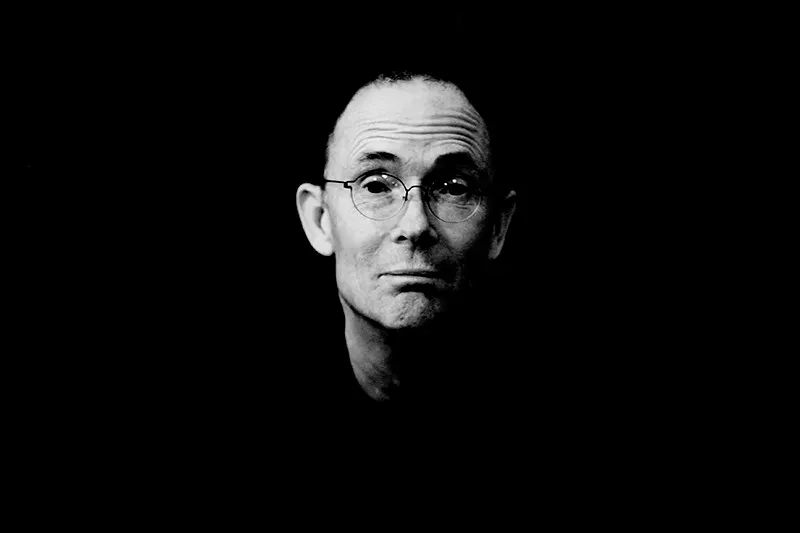
William Gibson literally invented the term “cyberspace” in this novel, published when the internet was still a military and academic tool. He envisioned a global computer network that people could jack into mentally, experiencing digital environments as if they were real. His “matrix” predated the World Wide Web by several years and anticipated virtual reality, online communities, and digital consciousness.
Gibson predicted corporate power exceeding government authority, with mega-corporations essentially running the world. He saw hackers as the new outlaws, data as the most valuable commodity, and artificial intelligence as both tool and potential threat. The novel’s depiction of Japan as a technological superpower was spot-on for the late eighties and nineties.
He also imagined body modification and human enhancement through technology, what we’d now call transhumanism. The characters in Neuromancer have neural implants, artificial organs, and enhanced senses. Today’s brain-computer interfaces and biohacking movement are walking right down the path Gibson mapped out.
5. “Stand on Zanzibar” by John Brunner (1968)
This one’s a deep cut, but incredibly prescient. John Brunner predicted a 2010 world with overpopulation, terrorism as a global threat, genetic engineering, and widespread social unrest. He described something called the “Hipcrime Vocab,” which sounds exactly like modern internet slang and text speak evolving too fast for older generations to follow.
Brunner predicted video calls, satellite television, laser printing, and electric cars decades before they became common. He imagined a president named “Obomi” leading an African nation, written decades before Barack Obama. The book depicts random mass shootings and terrorism becoming routine, which unfortunately mirrors our current reality.
He even predicted the legalization of same-sex marriage and marijuana, plus the rise of designer drugs and corporate dominance of media. The novel’s depiction of information overload and “future shock” describes our current state of constant technological disruption perfectly.
6. “The Machine Stops” by E.M. Forster (1909)
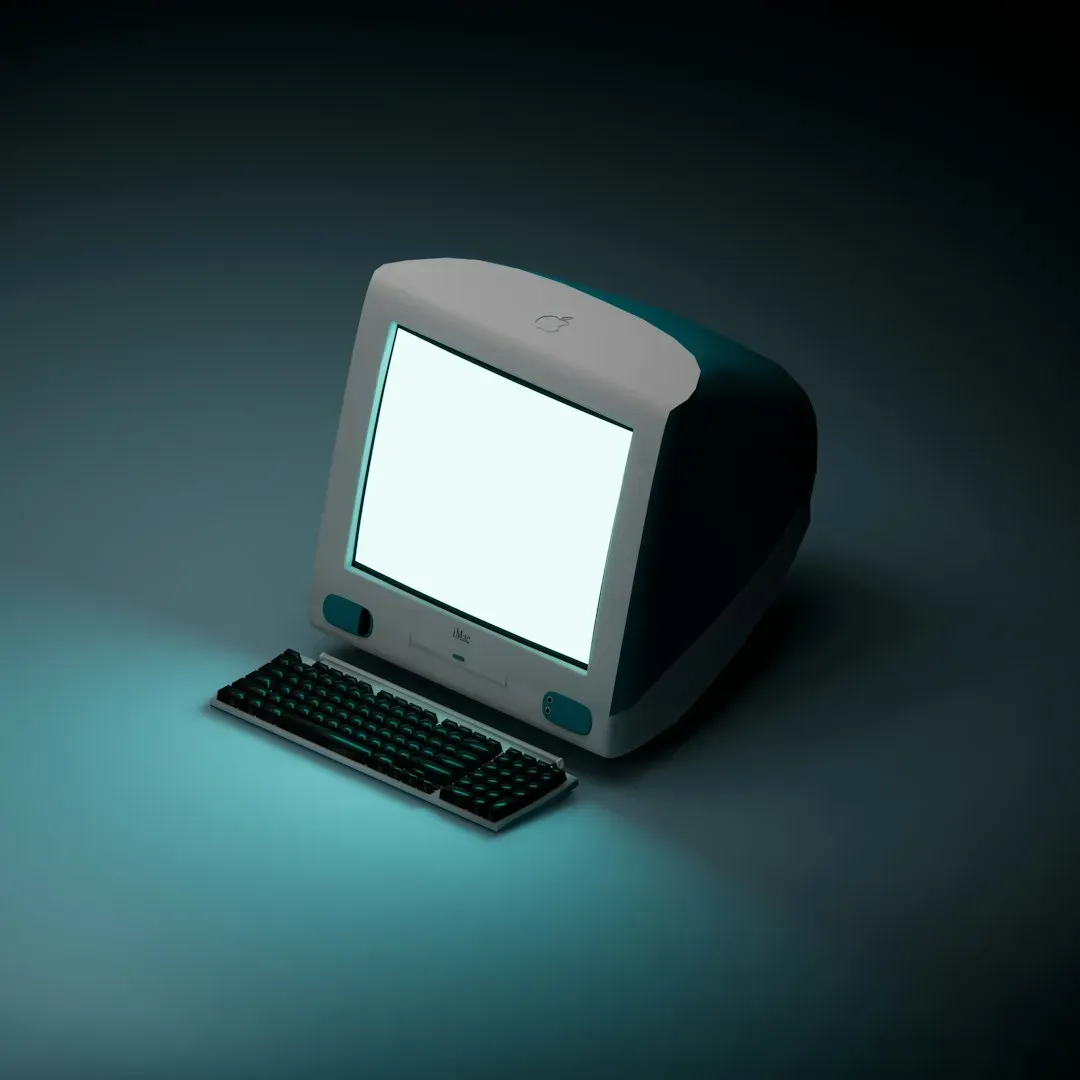
Written in 1909, this short story imagined humanity living in isolation, each person in their own cell, communicating only through a global machine that provides all their needs. Sound like anything from 2020? Forster predicted video conferencing, instant messaging, and the internet over a century ago. His characters live underground, rarely meeting face-to-face, conducting their lives entirely through screens.
The story describes how people became completely dependent on technology for survival, losing the ability to function without it. When the machine eventually starts failing, society collapses because nobody remembers how to do anything manually. It’s a warning about over-reliance on technology that feels more relevant every year.
Forster predicted telemedicine, online education, and remote work. He envisioned a world where physical touch and direct human contact became rare and even undesirable. Reading this in our post-pandemic era of Zoom meetings and social distancing hits uncommonly hard.
7. “The World Set Free” by H.G. Wells (1914)

H.G. Wells predicted atomic bombs three decades before Hiroshima. His novel described “atomic bombs” that would continue exploding for days, releasing radioactive energy, written just ten years after radioactivity was discovered. He foresaw nuclear war destroying major cities and changing warfare forever. The book even predicted that atomic energy would revolutionize power generation.
Wells imagined a future world government formed in response to the destructive power of atomic weapons, similar to how the United Nations was created after World War II. He predicted that this devastating technology would force humanity to either cooperate globally or face extinction. The Cold War and nuclear deterrence theory followed this exact logic.
What’s remarkable is Wells wrote this before World War I even started, before anyone thought splitting atoms could release enough energy to power cities or level them. Leo Szilard, one of the scientists who worked on the Manhattan Project, credited this book with inspiring his work on nuclear chain reactions.
8. “The Handmaid’s Tale” by Margaret Atwood (1985)
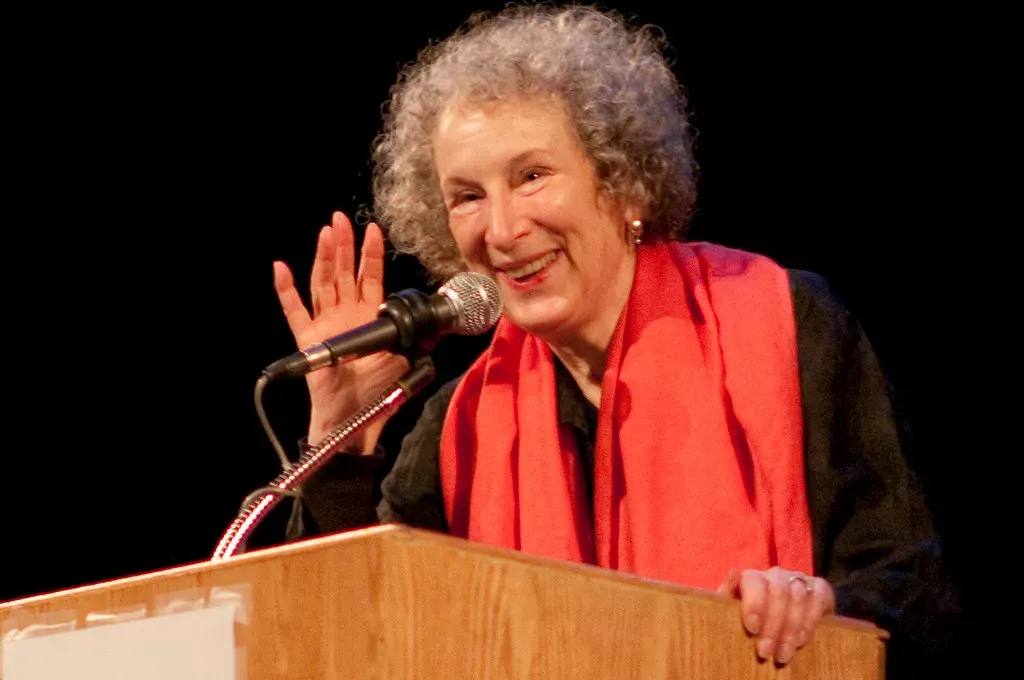
Margaret Atwood has always maintained she didn’t invent anything in this novel, only borrowed from actual historical events and current trends. Still, her depiction of reproductive rights being stripped away, environmental collapse, and theocratic authoritarianism feels disturbingly prophetic. The book predicted declining fertility rates, which many developed nations now face.
Atwood imagined a society where women’s bank accounts could be frozen and transferred to male relatives overnight, where their reproductive capacity made them valuable commodities. The novel predicted how quickly rights could be rolled back using crisis as justification. The environmental disasters and pollution causing sterility in the book mirror growing concerns about chemicals affecting human fertility.
She also predicted the rise of religious extremism influencing government policy and the use of technology to control populations. The public executions broadcast as entertainment foreshadowed our current obsession with viral outrage and public shaming on social media. Atwood saw how fear and crisis could be weaponized to dismantle democracy.
9. “Snow Crash” by Neal Stephenson (1992)
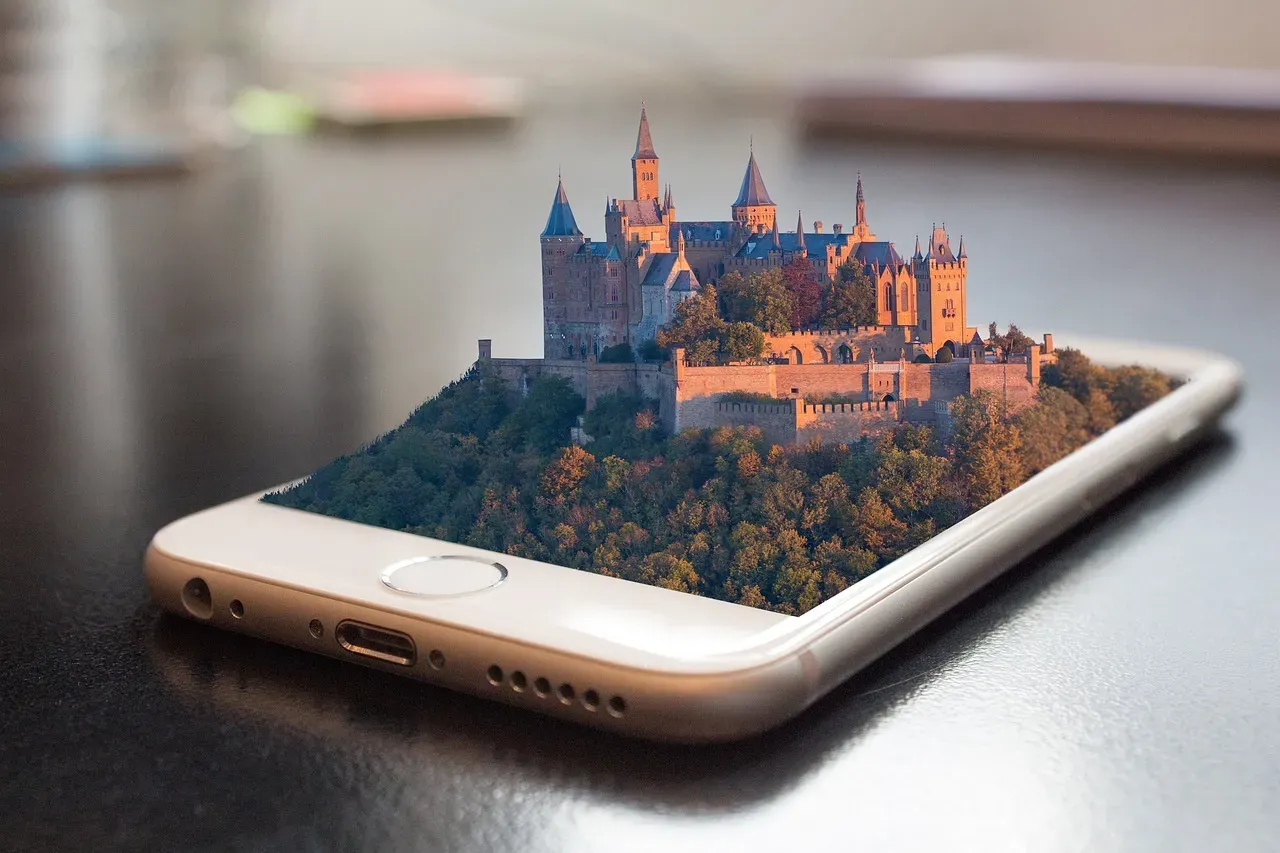
Neal Stephenson predicted the Metaverse decades before Mark Zuckerberg renamed his company after it. His “Metaverse” was a virtual reality internet where people interacted through avatars, conducting business and socializing in digital spaces. He described virtual real estate, digital fashion, and online economies years before Second Life or Fortnite.
The novel predicted pizza delivery tracking systems and the gig economy through its protagonist who’s a pizza delivery driver for the Mafia. Stephenson imagined a future where corporations had more power than governments, where franchises became independent nations, and where private security forces replaced police. His vision of suburban sprawl being repurposed into defended enclaves predicted gated communities.
He also envisioned memetic warfare, the idea that information could spread like viruses and affect human consciousness. The “Snow Crash” drug in the book is simultaneously a computer virus and a biological agent, predicting how closely intertwined human and digital existence would become. His hackers and developers as the new elite? That’s basically Silicon Valley.
10. “Looking Backward” by Edward Bellamy (1888)

This Victorian-era novel predicted credit cards, describing a system where citizens would have cards representing their share of national wealth. Edward Bellamy imagined large department stores with goods from around the world available under one roof, predicting modern shopping malls and big-box retailers. He described something remarkably similar to online shopping, where people could order goods to be delivered to their homes.
Bellamy predicted the radio before it was invented, describing “music rooms” where people could listen to live performances being broadcast from distant locations. He foresaw the concept of retirement at age 45 and universal basic income, ideas we’re still debating today. His vision of industrial consolidation and mega-corporations controlling production accurately predicted twentieth-century business evolution.
The book influenced numerous social movements and was one of the best-selling American novels of the nineteenth century. Bellamy saw automation reducing the need for human labor, a concern that’s only grown as AI and robotics advance. His optimistic vision of cooperation over competition might not have materialized, but his technological predictions were remarkably accurate.
11. “The Veldt” by Ray Bradbury (1950)

In this short story, Bradbury predicted smart homes decades before they existed. The Hadley family lives in a “Happylife Home” that does everything for them, from tying shoes to cooking meals. The children’s nursery is a virtual reality room that responds to their thoughts, creating immersive environments, basically predicting VR gaming and responsive AI.
More disturbingly, Bradbury predicted how technology could interfere with family relationships and child development. The kids in the story become so attached to their virtual reality room that they prefer it to their parents. Today’s concerns about screen addiction and children’s relationships with devices echo this exact scenario. Bradbury saw how convenience could come at the cost of human connection.
The story predicted voice-activated homes and AI assistants managing daily life. Alexa, Google Home, and Siri are basically less murderous versions of the Hadley house. Bradbury warned that technology designed to make life easier could make us dependent, isolated, and ultimately worse off. He understood that just because we can automate everything doesn’t mean we should.
12. “The Diamond Age” by Neal Stephenson (1995)

Stephenson strikes again with predictions about nanotechnology, interactive books, and personalized education technology. His “Young Lady’s Illustrated Primer” is essentially an AI-powered tablet that adapts to the learner, predicting educational apps and adaptive learning software. The book described 3D printing before it was commercially available, imagining “matter compilers” that could manufacture objects from programmed designs.
He predicted a society divided not by nations but by cultural affiliations and subcultures, people forming tribes based on shared values rather than geography. That’s basically how social media has reorganized society into digital tribes and echo chambers. Stephenson imagined a world where information wants to be free but physical goods are protected by nanotech security, similar to how digital piracy coexists with physical property protection.
The novel predicted the rise of private security firms, wearable computing, augmented reality, and synthetic biology. His vision of education being personalized through AI tutors is something companies like Khan Academy and Duolingo are working toward. Stephenson saw how technology would blur the lines between physical and digital, between human and machine.
13. “The Space Merchants” by Frederik Pohl and C.M. Kornbluth (1952)

This satirical novel predicted a future dominated by advertising agencies and marketing firms having more power than governments. The authors envisioned a world where consumer culture had become so extreme that people were essentially owned by corporations through debt. They predicted subliminal advertising, product placement, and psychological manipulation techniques that marketing actually developed.
The book described a future of overpopulation, pollution, and environmental degradation caused by unchecked capitalism. They predicted the rise of synthetic foods and meat alternatives decades before Impossible Burger. Their vision of space colonization being driven by commercial interests rather than exploration mirrors how SpaceX and Blue Origin are privatizing space travel.
Pohl and Kornbluth predicted how brands would become lifestyle identities and how advertising would pervade every aspect of life. They saw that in a world of abundance, manipulation would shift from controlling resources to controlling desires. The novel’s depiction of a society addicted to consumption, where your worth is measured by what you buy, is uncomfortably close to our reality. They understood that the real power in the future wouldn’t be controlling production but controlling minds.
Conclusion
These thirteen books prove that great science fiction isn’t about predicting flying cars or jetpacks. It’s about understanding human nature and extrapolating where our current choices might lead. The authors on this list looked at their present moment, identified the threads that would shape tomorrow, and pulled them forward into compelling stories. Some got lucky, sure, but most were just paying closer attention than everyone else.
What’s fascinating is that many of these predictions weren’t about technology at all, but about how humans would use and be changed by technology. They predicted our relationships with screens, our willingness to trade freedom for convenience, and how power would evolve in the information age. That’s the real genius, seeing not just what gadgets we’d have, but what they’d do to us.
So here’s something to think about: which current science fiction novels will we be adding to this list in fifty years? What are today’s authors seeing that we’re too close to notice? Sometimes the future’s already written, we just haven’t gotten to that chapter yet. What patterns do you see emerging that might be tomorrow’s reality?