
There’s a strange intimacy in hearing a song for the first time and feeling like the artist somehow had access to your private thoughts. The chord progression hits, a specific line lands, and suddenly you’re not just listening anymore – you’re remembering, grieving, or exhaling something you didn’t know had been sitting inside you. Sometimes a song can translate exactly how we feel, as if the artist had read our mind, capturing emotions and making personal situations feel more universal.
The songs on this list span decades and genres. Some are loud and anthemic. Others are barely a whisper. What they share is the quality that the best music always carries: that intangible connection between the music and the listener, a feeling of deep resonance, understanding, or even catharsis – a powerful song can make you feel seen, heard, and understood in ways words sometimes can’t. These are twenty of those songs.
1. “Someone Like You” – Adele (2011)

Few songs have arrived at heartbreak so directly and so honestly. Adele’s “Someone Like You” is a masterclass in heartbreak, showcasing her powerful vocal delivery and emotional range. The piano is sparse. The production is almost bare. That restraint is precisely what makes it impossible to ignore.
The song captures the very specific, very uncomfortable feeling of discovering you’re not over someone you thought you’d moved past. It doesn’t dramatize the grief – it just sits in it quietly, which is why listeners across every background tend to find themselves nodding along with something like recognition and relief.
2. “Fix You” – Coldplay (2005)
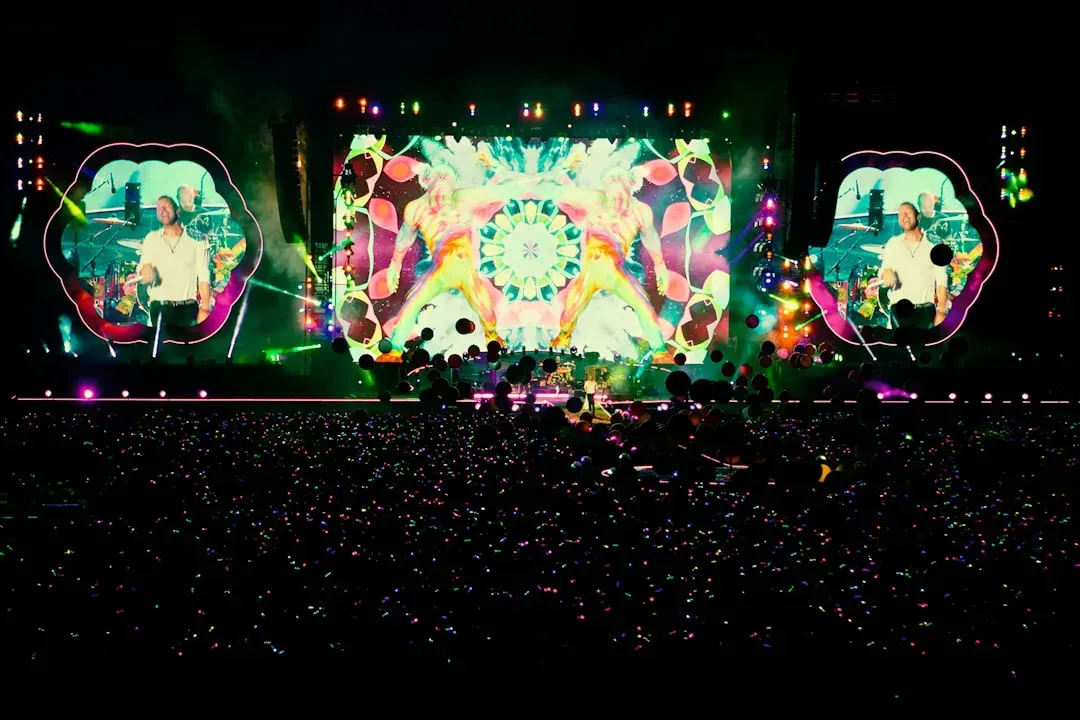
Coldplay’s “Fix You” embodies comfort and catharsis, making it a favorite for those seeking solace in difficult times. Released in 2005, the song features a gradual build-up that culminates in an emotionally charged chorus, and its lyrics offer a message of hope and support, encouraging listeners to persevere through their struggles.
Chris Martin’s heartfelt vocals resonate with anyone who has experienced pain or loss, making “Fix You” a universal anthem of healing. The song has been used in various media, including films and television shows, further solidifying its emotional impact. That gradual build from organ-quiet to full-band surge mirrors the shape of grief itself, and that mirroring is what makes it feel personal.
3. “Landslide” – Fleetwood Mac (1975)
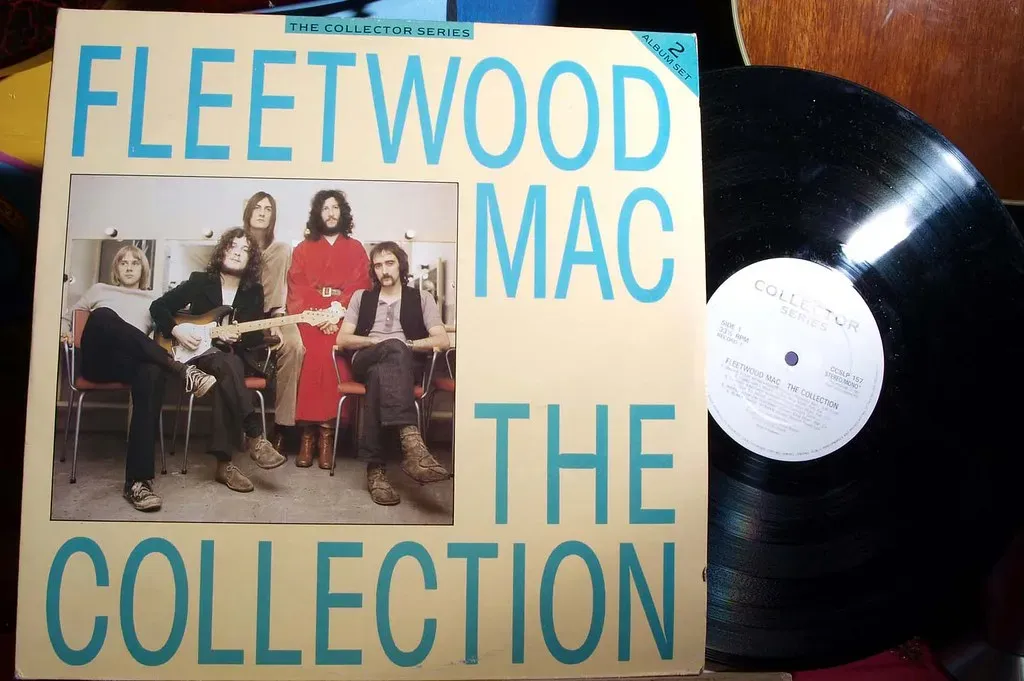
Fleetwood Mac’s “Landslide” just might be one of the most universally relatable songs of all time, and the central theme of time’s passing is seemingly what gets to listeners of every generation to this day. Written by Stevie Nicks when she was around twenty-seven, the song wrestles with the fear of change and the strange vertigo of growing up.
This classic song relates to so many listeners with the realization that we all grow up and change – that’s something we can’t control, though we as humans continue to try changing that factor. There’s something humbling about a song written half a century ago that still makes people feel, on first listen, like it was written for them specifically.
4. “The Night We Met” – Lord Huron (2015)

The Night We Met is about longing for the past and the desire to undo mistakes in a relationship. The nostalgic sadness of wanting to return to a time when everything was right makes this song heart-wrenching. Vocalist Ben Schneider’s voice carries a peculiar quality – almost ghostly, suspended in time – that makes the emotional weight land harder than most louder ballads ever could.
The song found a new generation of listeners through its use in the series “13 Reasons Why” in 2017, and it hasn’t stopped circulating in playlists and breakup montages since. It’s the kind of track that doesn’t so much describe a feeling as recreate it – you don’t just remember a regret, you’re briefly back inside it.
5. “drivers license” – Olivia Rodrigo (2021)

In 2021, break-up anthem “drivers license” fast became inescapable, shooting then-17-year-old Olivia Rodrigo into the heights of superstardom. The detail-specific storytelling – suburban streets, a blond girl, the passenger seat – created something oddly personal for listeners who’d never shared a single biographical detail with Rodrigo’s story.
The pensive pop track has wide appeal, relatable to anyone who’s been left high and dry, and it soothed angsty souls as listeners found themselves in the midst of lockdown. Olivia Rodrigo makes her listeners feel like they’re living through her experiences with her, with songs filled with raw emotions that make it easy for fans to relate. That combination proved almost impossible to shake.
6. “Let Her Go” – Passenger (2012)

“Let Her Go” operates on one of the oldest emotional truths there is: you rarely understand what you have until it’s gone. The song became a slow-burning global phenomenon, reaching number one in more than a dozen countries and accumulating billions of streams over the years that followed its release. Its staying power is rooted entirely in how plainly it names something most people have felt but struggled to say.
The best relatable songs don’t focus on a certain situation – they talk about general emotions, making the stories on the songs feel personal. Passenger understood this instinctively. The song is specific enough to feel true and broad enough that almost anyone can project their own version of loss onto it, which is a rare and quietly skillful thing to pull off.
7. “Yesterday” – The Beatles (1965)

The classic “Yesterday” captures the sorrow of looking back on better times, wishing things hadn’t changed. The yearning for the past, coupled with the feeling of helplessness, makes it one of the saddest songs ever written. Paul McCartney reportedly woke up with the melody already formed in his head and spent weeks convinced it must have been someone else’s song.
It turned out to be entirely original – and it became one of the most covered songs in recorded history. Something about its simplicity gives it an almost journalistic quality: it doesn’t editorialize the grief, just observes it. That plainness is what lets each listener fill it with their own version of before and after.
8. “Comfortably Numb” – Pink Floyd (1979)
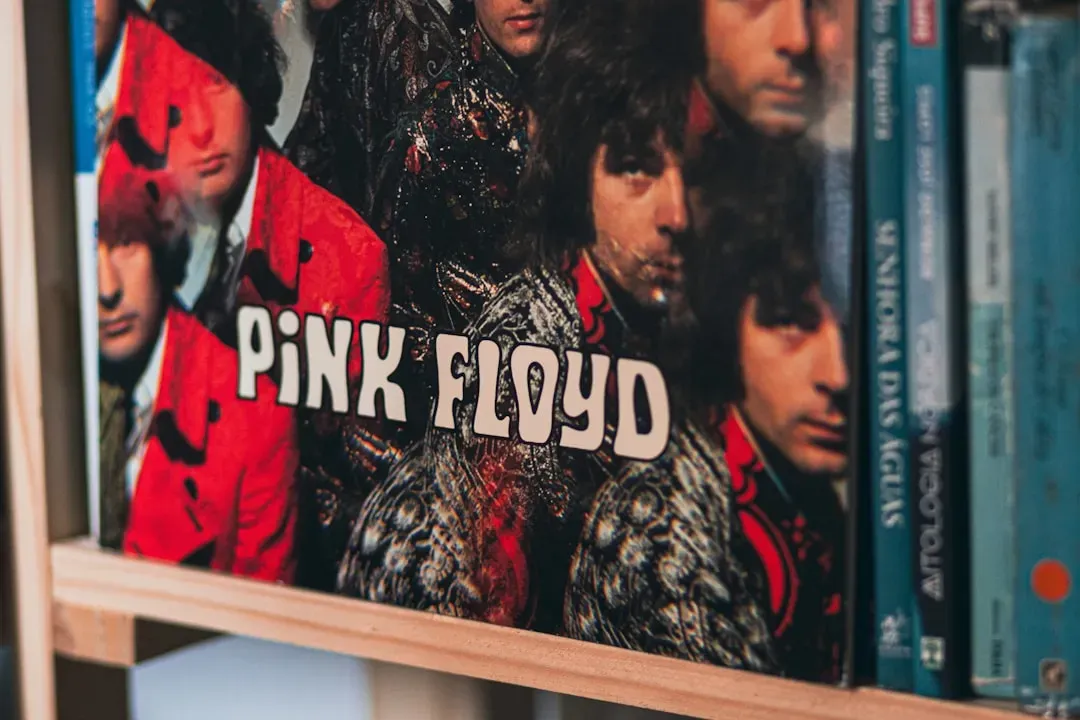
Pink Floyd’s “Comfortably Numb” describes a state that most people recognize almost too quickly – the emotional distance that sets in when you’ve been hurt enough times that feeling anything seems riskier than feeling nothing. The song was written for the album “The Wall” and is structured as a conversation between a doctor and a patient, though its emotional reach extends far beyond that literal frame.
Lyrics resonate because they capture universal truths about love, loss, hope, or despair, and other times it’s the specificity of the language that draws us in – a single phrase that perfectly encapsulates a feeling we’ve been trying to articulate ourselves. David Gilmour’s guitar solo on this track is widely considered one of the most emotionally expressive in rock history, doing in notes what the lyrics do in words.
9. “Hallelujah” – Jeff Buckley (1994)

Jeff Buckley’s rendition of “Hallelujah” is a haunting masterpiece that transcends time. Released in 1994, this cover of Leonard Cohen’s original song is renowned for its ethereal beauty and emotional depth. Buckley’s voice conveys a vulnerability that resonates with listeners, creating an atmosphere of profound longing and reflection, and the minimalist guitar arrangement further amplifies the song’s emotional impact, allowing the lyrics to shine.
Themes of love, loss, and redemption are woven throughout, making it a poignant choice for anyone seeking solace in music. According to Rolling Stone, Buckley’s version is frequently listed among the greatest songs of all time, highlighting its enduring influence on music and culture. Cohen reportedly wrote dozens of verses for the song over many years, as if even he couldn’t quite close the wound it described.
10. “Skinny Love” – Bon Iver (2008)

Justin Vernon reportedly recorded the debut Bon Iver album alone in a remote Wisconsin cabin during a particularly difficult winter, and that isolation saturates every second of “Skinny Love.” The song describes a relationship strained to the breaking point – two people who love each other but can no longer hold it together – and the frayed, layered vocals carry that tension physically.
It’s the specificity of language that draws us in – a single phrase that perfectly encapsulates a feeling we’ve been trying to articulate ourselves, and the power of lyrics lies in their ability to connect with our own lived experiences and create a sense of shared humanity. “Skinny Love” does this in nearly every line, which is why listeners tend to describe it with the same word: honest.
Partner offer
11. “Hurt” – Johnny Cash (2002)
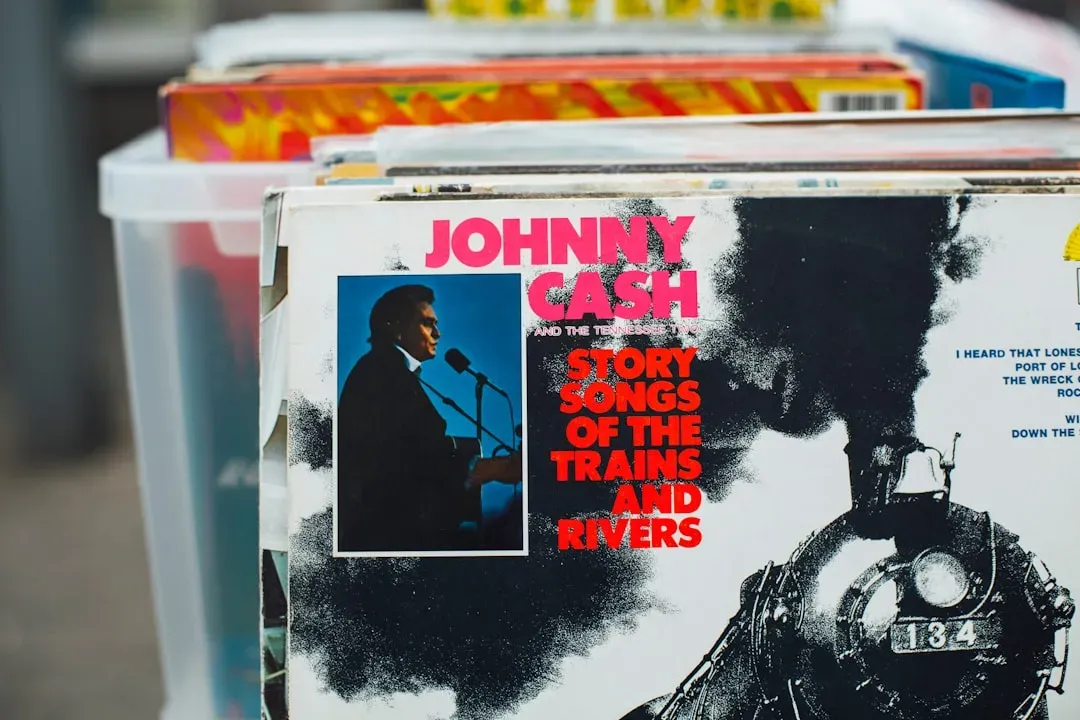
Originally written and recorded by Trent Reznor for Nine Inch Nails in 1994, the song became something else entirely when Johnny Cash recorded it near the end of his life. On paper the idea of a country music legend covering Nine Inch Nails sounds absolutely ghastly – even Trent Reznor thought so. Yet “Hurt” was Johnny Cash’s final triumph, recorded less than a year before his death.
The accompanying music video, filmed in Cash’s deteriorating home with June Carter looking on, transformed the song into a meditation on mortality that listeners of any age can step inside. Reznor himself later said that Cash had made the song his own completely. That kind of emotional transfer – where a song outgrows its original owner – is rare and remarkable.
12. “The Sound of Silence” – Simon & Garfunkel (1964)

Written by Paul Simon at the age of twenty-one, “The Sound of Silence” describes a kind of modern alienation – the feeling of being surrounded by people but fundamentally alone. It’s a song about disconnection written before the internet existed, which makes its emotional prescience genuinely striking when you consider how commonly that particular feeling is described today.
“The Sound of Silence” has been covered by various artists, including a notable rendition by Disturbed in 2015, which introduced the classic to a new generation. Research suggests that music can evoke strong emotional responses, and this song’s exploration of silence and solitude resonates with many listeners. Its enduring legacy speaks to the power of music in addressing complex emotions.
13. “All Too Well (Ten Minute Version)” – Taylor Swift (2021)

Most of Taylor Swift’s songs feel like they are reliving memories – she can turn her own experiences into very relatable narratives. She writes about feelings like regret, uncertainty, and missing someone, but instead of telling a super detailed story, she keeps the lyrics relatable enough that everyone can see themselves in them. Nowhere is this more evident than in the ten-minute version of “All Too Well,” released in 2021.
The song had circulated among fans for years as a fan favorite, but the full version – released with the re-recorded “Red (Taylor’s Version)” – landed with an emotional force that few pop songs manage. Its specificity is almost novelistic, and yet millions of listeners found their own relationships mapped precisely onto its verses. That’s what makes her music so special and loved – it feels like she’s putting into words emotions that are complicated and hard to explain.
14. “Tears in Heaven” – Eric Clapton (1992)

Eric Clapton’s “Tears in Heaven” is a heart-wrenching ballad born from personal tragedy. Written after the loss of his son Conor, the song captures the raw pain of grief with gentle melodies and soft vocals. The fact that Clapton eventually said he could no longer perform it live – because the grief it stirred was too present – speaks to how completely personal loss lives inside the song.
What makes “Tears in Heaven” reach beyond the specific tragedy it describes is the question at its center: will I recognize the people I’ve loved in whatever comes next? It’s a question that touches anyone who has lost someone, regardless of belief or background. Grief is one of the few genuinely universal human experiences, and Clapton articulated it here with uncommon gentleness.
15. “Fire and Rain” – James Taylor (1970)

Life is a series of highs and lows, and James Taylor’s 1970 single “Fire And Rain” mentions the bad times, the good times, and the resilience present in them all. Taylor’s iconic single includes some personal anecdotes, but they are personal anecdotes that relay universal themes – universal themes of hope, despondence, and the sheer strength and resilience of the human spirit.
Taylor wrote the song after the death of a close friend, his own struggles with heroin, and the dissolution of a band he had helped found. Three separate losses, braided into a single acoustic track. The result is a song that feels less like a performance and more like an overheard conversation with someone who is simply trying to make sense of things, which is perhaps the most relatable position of all.
16. “When the Party’s Over” – Billie Eilish (2018)

Billie Eilish excels in making the emotions in lyrics feel even stronger through the way a song is produced – the instruments, the beat, rhythm, and even the softness and intensity of the vocals. “When the Party’s Over” is a precise example of that approach. The song describes the specific loneliness of needing to end a relationship while still caring deeply about the person, and it delivers that feeling through the quietest possible means.
The track is built almost entirely from Eilish’s layered vocals with barely any traditional instrumentation beneath them. That starkness forces you to sit inside the discomfort the song is describing rather than letting you coast through it on melody. Many listeners describe it as one of the few songs that genuinely captured the experience of ending something that still mattered to them.
17. “Jealousy, Jealousy” – Olivia Rodrigo (2021)

Olivia Rodrigo is renowned for her poignant lyrics that capture the essence of youthful heartbreak and resilience. “Jealousy, Jealousy” zooms in on a particular modern strain of self-comparison: the kind fueled by social media, curated aesthetics, and the constant awareness that other people’s lives appear more complete than yours. It’s uncomfortable because it’s accurate.
The song arrived at a moment when public conversation about the psychological cost of social media was already well underway, which gave it an almost reportorial quality. What’s striking is how plainly Rodrigo names the self-awareness without it becoming a resolution – she knows the comparison is damaging and keeps doing it anyway, which is precisely how it works for most people.
18. “Lean on Me” – Bill Withers (1972)

The lyrics on Withers’ track aren’t masterful examples of poetic wordplay – most importantly, they are true, and truth is what creates emotional resonance, not wit. That being said, Withers’ 1972 single has remained an anthem for love and friendship, either making you thankful for your partner in crime or missing them if they are gone or simply not near.
There’s a directness to “Lean on Me” that decades of imitation haven’t managed to diminish. It doesn’t romanticize friendship or make it sound effortless – it acknowledges that everyone will need carrying at some point, and that the willingness to offer that is what actually holds relationships together. That honesty is part of why the song still sounds genuinely radical in its simplicity.
19. “Somewhere Only We Know” – Keane (2004)

Keane’s debut single captured something that’s hard to name precisely: the nostalgia for a place that might be partly imagined, a feeling of returning to something tender that the world has since made more complicated. The song’s piano-forward sound is warm in a way that contrasts gently with the underlying sadness of the lyrics, which describe a kind of grief for simpler times.
A powerful song has the ability to transport you, to evoke memories, and to inspire you in ways that transcend language and culture. It’s about tapping into something universal within us – our hopes, fears, joys, and sorrows – and reflecting those experiences back in a way that feels both deeply personal and profoundly shared. “Somewhere Only We Know” achieves that transportation quietly and without fanfare, which is what gives it such a long shelf life in people’s personal playlists.
20. “Smells Like Teen Spirit” – Nirvana (1991)

Nirvana’s music is the epitome of emotional rawness, with lyrics and melodies that speak to feelings of alienation and resilience. Tracks like “Smells Like Teen Spirit” became anthems for a generation, expressing the frustrations and hopes of youth. Kurt Cobain reportedly said the song was written as an attempt to ape the Pixies’ dynamic – quiet verse, loud chorus – but what emerged was something he couldn’t quite have predicted or controlled.
The song’s appeal crosses generations partly because alienation, restlessness, and the vague sense that you don’t quite fit the world as it’s presented to you are not experiences exclusive to the 1990s. What makes certain songs truly remarkable is their ability to transcend time and continue resonating with new generations of listeners. Their powerful messages, relatable emotions, and timeless melodies have a way of finding new meaning in each era. Thirty-plus years on, that opening riff still sounds like something waking up.
What these twenty songs share isn’t a genre or a mood – it’s the particular quality of honesty that makes a listener pause mid-verse and think: how did they know? Relatable songs are more than just words and melodies. They are reflections of real emotions and experiences, told in a way that makes people feel understood. The best ones don’t just describe your life back to you; they give you a language for parts of it you’d never quite found the words for yourself.
Partner offer
Planning a trip to Vegas?
Compare hotel rates and show tickets on VEGAS.com.