The music business spent decades operating on a very specific set of rules. You needed a label deal to get heard. You needed radio play to chart. You needed a polished image and a publicist to survive. For most of the 20th century, those rules held. Then Gen Z picked up a laptop, opened TikTok, and quietly dismantled them one by one.
What’s remarkable isn’t just that things have changed. It’s how fast they moved. Gen Z artists have fundamentally transformed how musicians build careers, and the traditional record label pipeline has been disrupted by social media virality and direct fan connection. The following 13 shifts tell that story clearly.
1. You No Longer Need a Label to Break Through

Gen Z musicians are redefining success in the music industry by bypassing traditional routes, leveraging TikTok, streaming, and brand deals to build careers and wealth rapidly, shaping the future of music. This wasn’t the norm for previous generations, who typically needed a major label’s distribution power and marketing machine just to get a song into public ears.
Today, independent artists can upload snippets of their songs, encourage trends, and potentially go viral – all without the backing of a major label. This has democratised the charts, giving every artist a chance. The story of Tommy Richman, who developed his music in his mother’s basement before his single went viral on TikTok and debuted at No. 2 on Billboard’s Hot 100, is a clear illustration of what that looks like in practice.
2. TikTok Is the New A&R Department
Industry experts openly call TikTok “the new A&R” because record labels now scour TikTok trends to find the next big thing, often before an artist’s songs even hit Spotify playlists. According to TikTok’s own 2024 Music Impact Report with Luminate, TikTok is a key driver of music discovery, monetization, and chart success. That means viral TikTok moments are directly translating into streaming boosts, record deals, and sold-out shows.
A staggering 84% of songs that charted on Billboard’s Global 200 in 2024 had their viral moment on TikTok first. That single data point has completely rewritten how labels think about scouting talent. Instead of sending A&R reps to dive bars and open mic nights, they’re scrolling their For You Pages.
3. Genre Labels Have Become Almost Meaningless
Gen Z listeners spend an average of 3 hours and 43 minutes a day with music, but they’re not organizing their listening around genre labels anymore. Algorithms serve up tracks based on mood and energy, TikTok trends blend sonic styles without explanation, and producers grab samples from anywhere that sounds right. Streaming platforms, playlist culture, and accessible production tools have dissolved the boundaries that once separated musical styles.
Internal statistics from LANDR showed an eightfold increase in samples downloaded from genres like Afro house, Amapiano, and Afrobeats. Producers regularly combine samples from at least three different genres within single projects. The result is a sonic landscape where R&B blends with drill, folk sits next to hyperpop, and nobody really blinks.
4. The Bedroom Studio Is Now a Legitimate Production Space
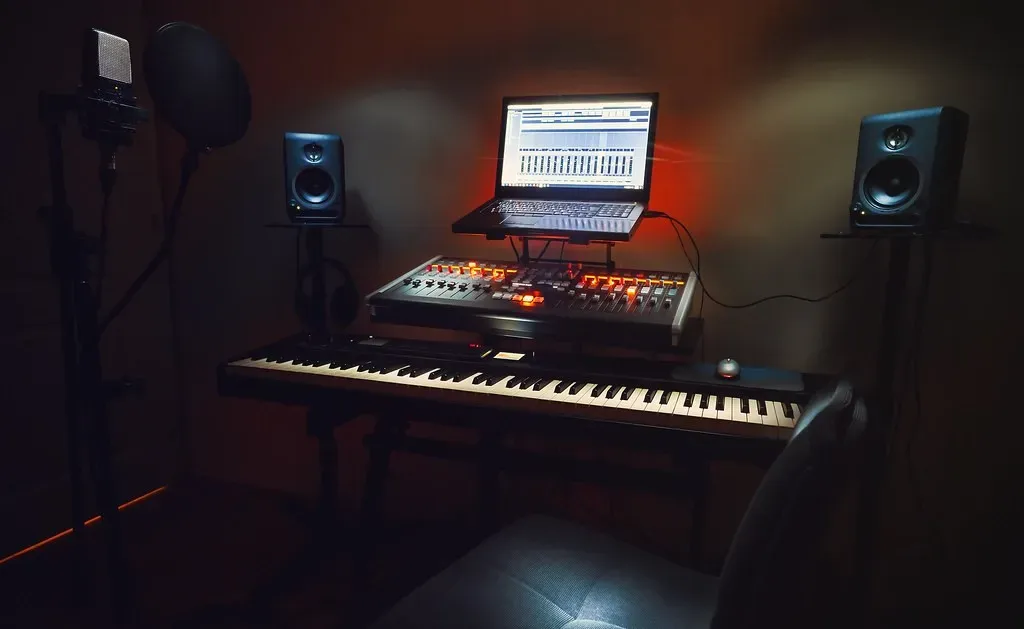
From laptops to budget microphones, young creators are turning bedrooms into hit-making factories, proving that talent and innovation no longer need million-dollar studios. In the age of TikTok, SoundCloud, and YouTube, a generation of musicians is rewriting the rules of music production. These bedroom producers are creating chart-topping hits without ever stepping into a professional studio.
Bedroom pop artist d4vd captured Gen Z’s hearts with “Here With Me,” a dreamy track that originated on Fortnite before becoming a streaming phenomenon. The song’s lo-fi production aesthetic and vulnerable vocals created an intimate atmosphere. His unconventional path to success, creating music entirely in his bedroom and initially sharing it through video game platforms, embodied Gen Z’s DIY ethos and rejection of traditional music industry gatekeeping.
5. Songs Are Now Engineered for Short-Form Video
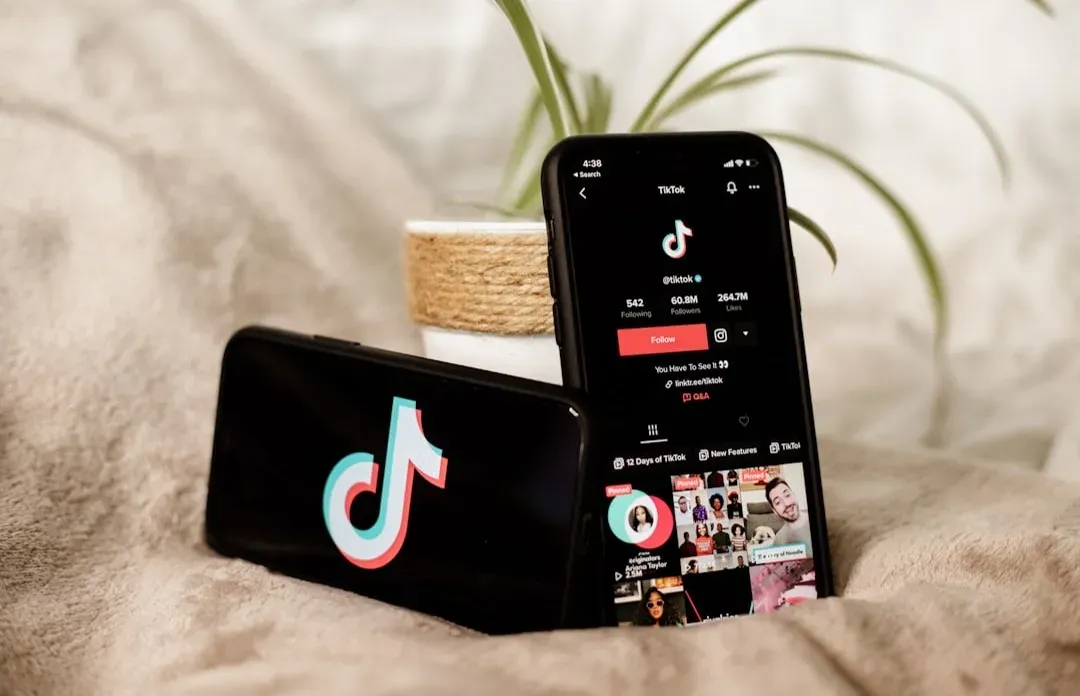
In the short-form world, only select portions of a song need to resonate. This has shifted artists’ focus towards creating easily shareable snippets. Hooks, beat drops, and memorable lyrics are carefully crafted for easy sharing. That’s a significant departure from an era when the full album experience was the primary creative unit.
Short video snippets are now released before official song launches, and fan challenges and dance trends are designed around specific song segments. Listeners often search for songs using lyrics or the “TikTok sound” rather than the official title, impacting metadata practices and SEO strategies on music platforms. Songwriting craft hasn’t disappeared – it’s just been reorganized around a different set of demands.
6. Streaming Replaced the Album Cycle as the Primary Release Model
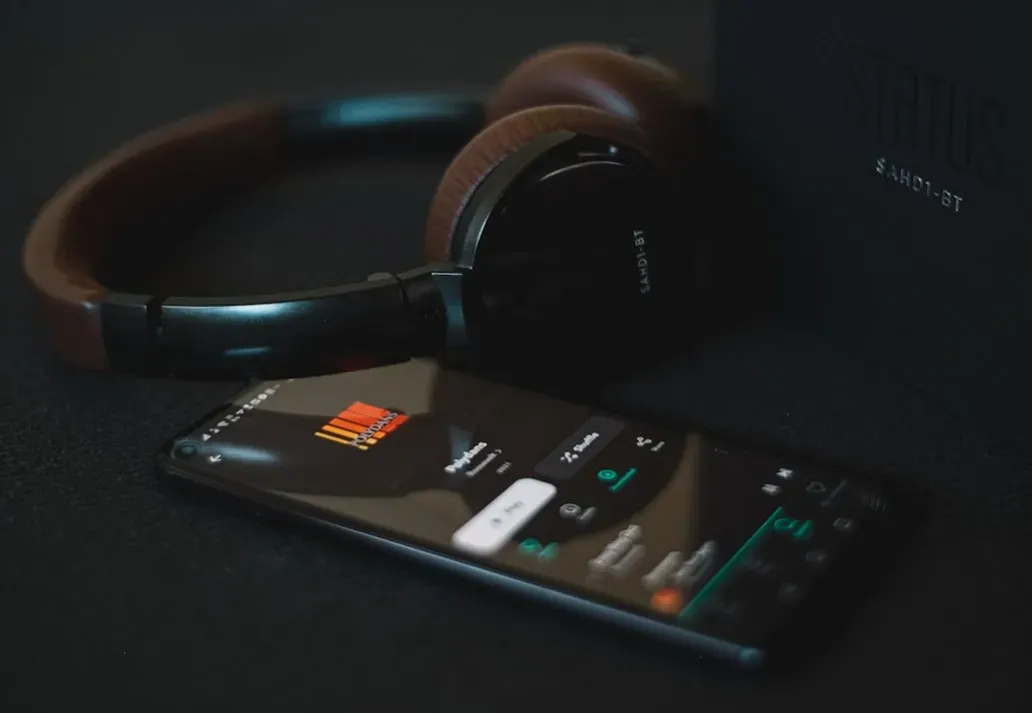
The impact of streaming can also be seen in how artists release music. The traditional album cycle is giving way to a more singles-driven approach, as artists release music directly to streaming platforms, allowing for quicker turnarounds and more frequent releases. An eighteen-month rollout between records feels alien to Gen Z artists who might drop three tracks in a week.
Streaming platforms now account for over 80 percent of global music revenue, yet it is the rise of micro-genres powered by smart algorithms and AI collaboration that is truly reshaping how music is created and discovered. The speed of that shift has forced labels and distributors to completely rethink how they structure release schedules and marketing windows.
7. Authenticity Beats Polish Every Time
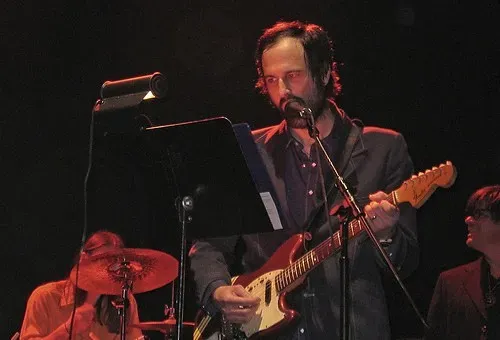
Gen Z trending songs are typically characterized by their viral potential on social media platforms like TikTok, authentic emotional expression, and often unconventional approaches to genre and production. These tracks resonate with younger listeners through relatable lyrics addressing modern experiences, mental health, relationships, and identity.
Gen Z demands authenticity, whether it is in getting to know an artist or listening to how their music sounds. Due to how digitally transparent the times are, when social media is quick to expose everything from industry secrets to personal struggles, it is natural for people to crave authenticity. Gen Z can tell when an artist is being fake, and it’s a letdown. The industry spent decades selling a carefully constructed persona. That formula no longer works.
8. Mental Health Transparency Has Become Central to Lyric Writing

Music in 2025 is not just about beats – it’s about messages. More artists are using their platforms to talk about mental health, climate change, racial justice, feminism, and LGBTQ+ rights. Vulnerability is trending. This marks a sharp break from the bravado that characterized mainstream music for much of the previous generation.
The type of music Gen Z makes and listens to is reflected in their need for artists to be open and honest. Music that resonates with this demographic often features lyrics diving into personal challenges, including issues related to mental health and heartbreak. Roughly 56 percent of young people aged 18 to 24 believe that music evokes strong emotion, with this same group expressing that music cuts you off from problems and provides support in difficult moments.
9. Fan Communities Now Live on Discord and Private Platforms
Gen Z music communities center on honesty, vulnerability, and direct interaction with artists. Fans prefer platforms that support smaller, more personal conversations and special access. Discord servers, virtual listening parties, and collaborative playlists give them space to explore deeply and build friendships around music.
Reddit’s r/EDM subreddit has over 3 million active users with heavy engagement on track identification posts, and Discord servers create smaller, more intimate spaces for music talk and exclusive drops. These platforms bring together fans who care deeply about specific genres, scenes, and micro-communities. Artists build real relationships in these spaces by joining conversations, sharing works in progress, and offering early previews or unreleased tracks. Community members quickly spot shallow promotion, so honest interaction and respect for the culture matter more than polished marketing.
10. Global Origin No Longer Limits an Artist’s Reach
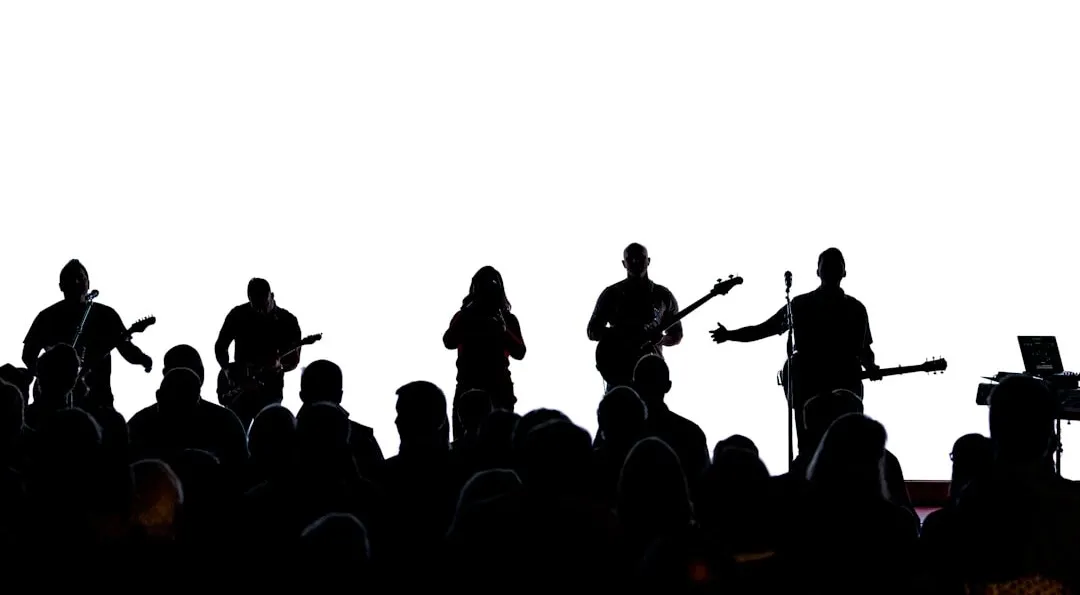
Gen Z artists increasingly emerge from global markets rather than traditional US and UK centers. This diversification creates new sounds and audience pools that reshape industry economics. Tyla from South Africa won a Grammy for her Amapiano crossover work. Beabadoobee built an international audience while based in the UK with Filipino roots. Geography became a much smaller barrier almost overnight.
Spotify reported that by 2024, over 40 percent of its global streaming activity consisted of non-English tracks, demonstrating the platform’s role in promoting musical diversity. The rapid expansion of global music markets has opened unprecedented opportunities for artists to reach international audiences without traditional industry gatekeepers. Social media platforms like TikTok and Instagram have become powerful discovery engines, where a 15-second clip can launch a song to viral status across multiple countries simultaneously.
11. Brand Deals Have Replaced the Advance as Early Career Income

Emerging artists diversify income through strategic brand partnerships. These deals often generate more stable revenue than music royalties alone. Brand associations can also amplify artist visibility beyond core music audiences. For a new artist with a growing TikTok following but minimal streaming revenue, a brand deal can fund an entire recording project.
Partnership income now rivals touring revenue for many performers. Live performance remains the largest income source for artists achieving arena-level success. The old model had artists recording first, touring second, and building brand relationships only after reaching a certain level of fame. Gen Z artists are running those tracks simultaneously from day one.
12. Vinyl and Physical Media Have Made a Surprise Return
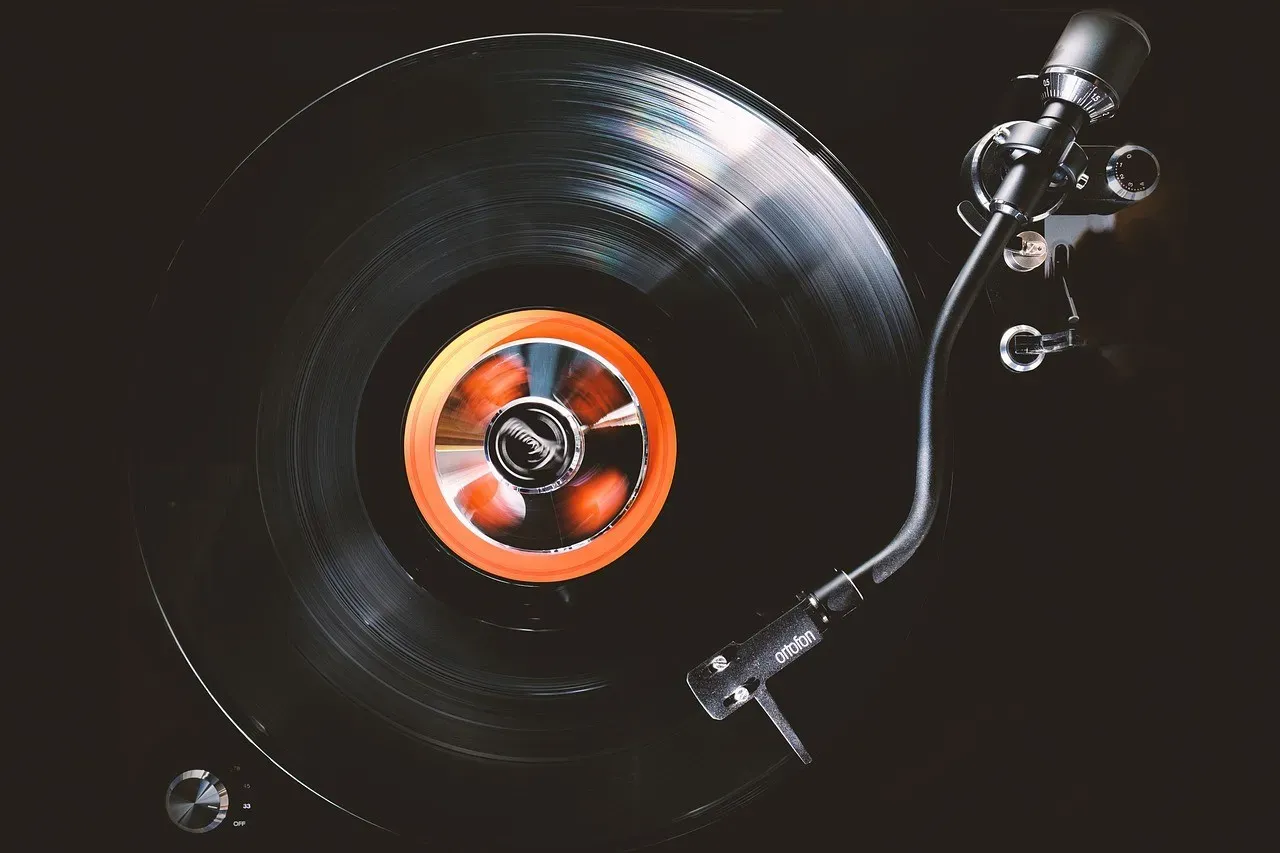
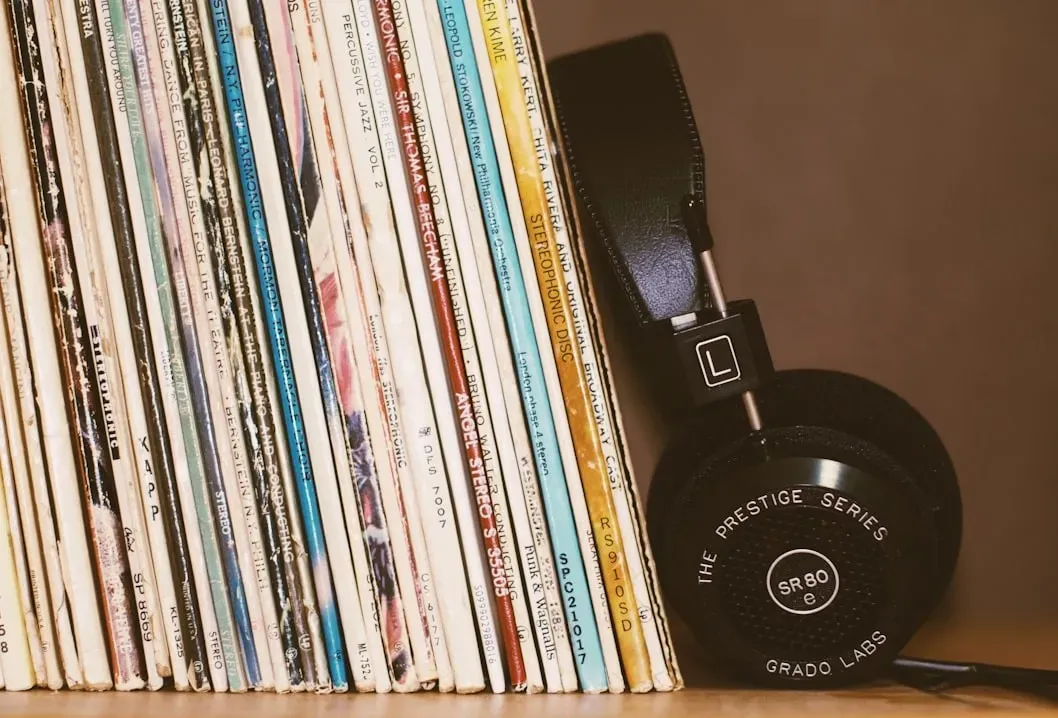
The vinyl craze is well-known and is being led by younger fans. Data from the RIAA clearly shows an upward trend in sales, indicating a strong desire for an intimate, physical way to listen to music. This wasn’t predicted. Most industry analysts expected physical formats to continue their decline indefinitely.
Musicians have caught on, often offering special, limited-run vinyl with unique songs or art, instantly turning the record into a treasured item. Vinyl is a powerful loyalty builder. Indie artists often say their record-buying audience is the most reliable group they have. These are the fans who consistently support them financially, attend gigs, and help cement a strong community for the music. In an era defined by digital ubiquity, the appeal of ownership turned out to be stronger than anyone expected.
13. Artists Now Operate as Their Own Media Companies
What separates this generation is creative control. They write, produce, market, and release music themselves – often from their bedrooms. The result is a more personal, transparent connection with listeners and a new era of independence that’s reshaping the music industry from the ground up.
Successful artists in 2025 recognise that audience engagement extends far beyond passive listening. They create ecosystems that invite fans to be co-creators, validators, and integral parts of their musical journey. The future of music consumption is not about broadcasting but about building genuine, interactive relationships. That shift in thinking – from artist-as-product to artist-as-platform – may be the most lasting change Gen Z has made to the entire industry.
The rules didn’t disappear entirely. There are still gatekeepers, still algorithms to game, still real financial pressures that fall hardest on independent artists. What changed is who sets the terms. For the first time in a long while, that answer includes the artists themselves.