The line between a live album and a studio album seems obvious. One has applause and stage banter, and the other doesn’t. In practice, a few well-known records blur that line.
Some were captured in front of audiences, on tour, or on a rooftop, then packaged without any “live” label. Here are three albums where the performance came first and the studio-album presentation came later.
Let It Be by The Beatles
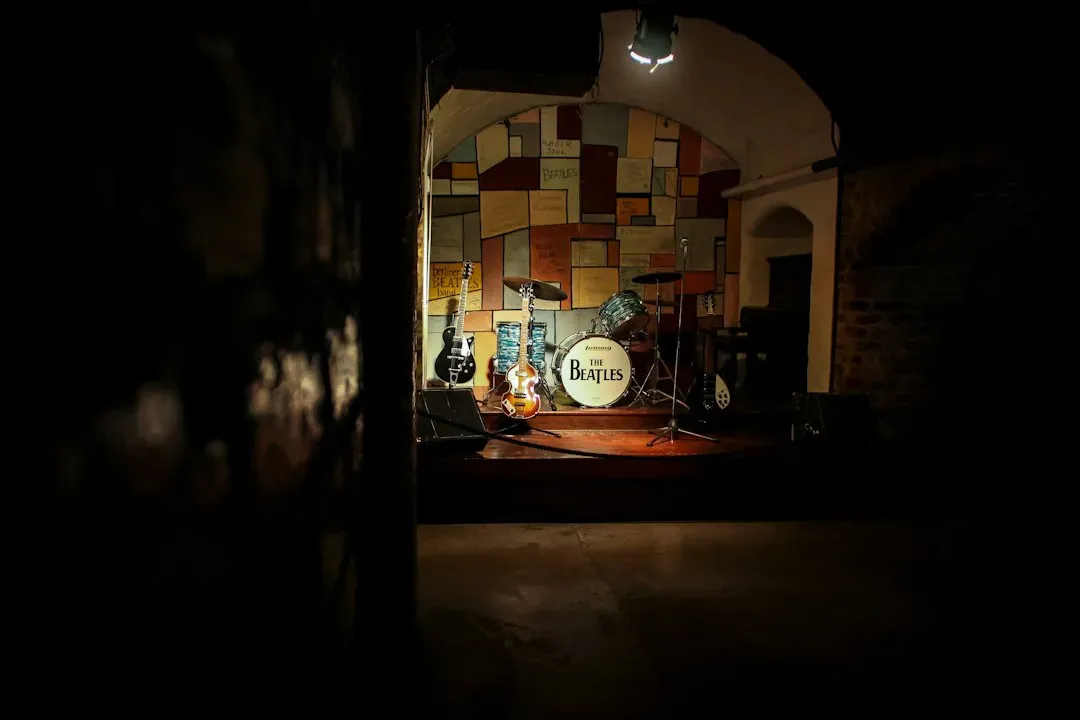
The Beatles’ final released album, issued in 1970, grew out of sessions in January 1969. The band aimed to play together like a working band rather than build songs layer by layer. That approach is the reason the record sounds looser than much of their earlier work.
The best example is the rooftop concert at the Apple building in London on January 30, 1969. Performances of “Dig a Pony” and “I’ve Got a Feeling” from that gig ended up on the record. Nothing on the sleeve tells you this, so most listeners meet them as ordinary album tracks. Producer Phil Spector later added orchestration to some songs, which pushed the finished album even further from its raw origins.
Rust Never Sleeps by Neil Young and Crazy Horse
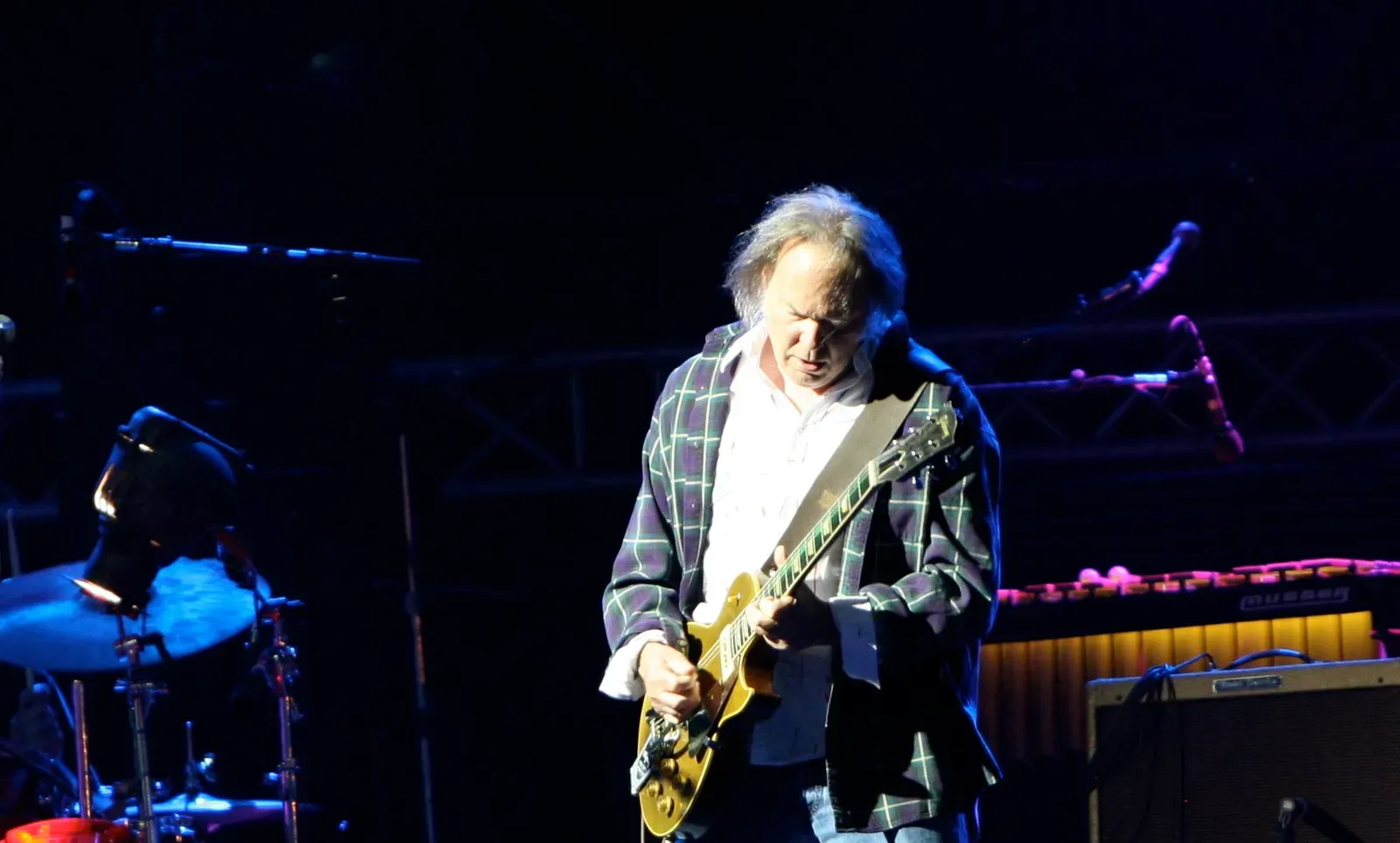
This 1979 release is presented as a studio album of new songs. Yet it has long been described as more or less a live recording, with the audience noise removed. Young recorded it during his 1978 tour, so the material really was road tested in front of crowds.
The sound reflects that. The record is split between an acoustic side and an electric side, which mirrors how Young structured his concerts at the time. Even so, the details are murky. Fans and commentators disagree about how much studio work was layered on top, and I wouldn’t claim a precise figure without the official session notes.
Running on Empty by Jackson Browne
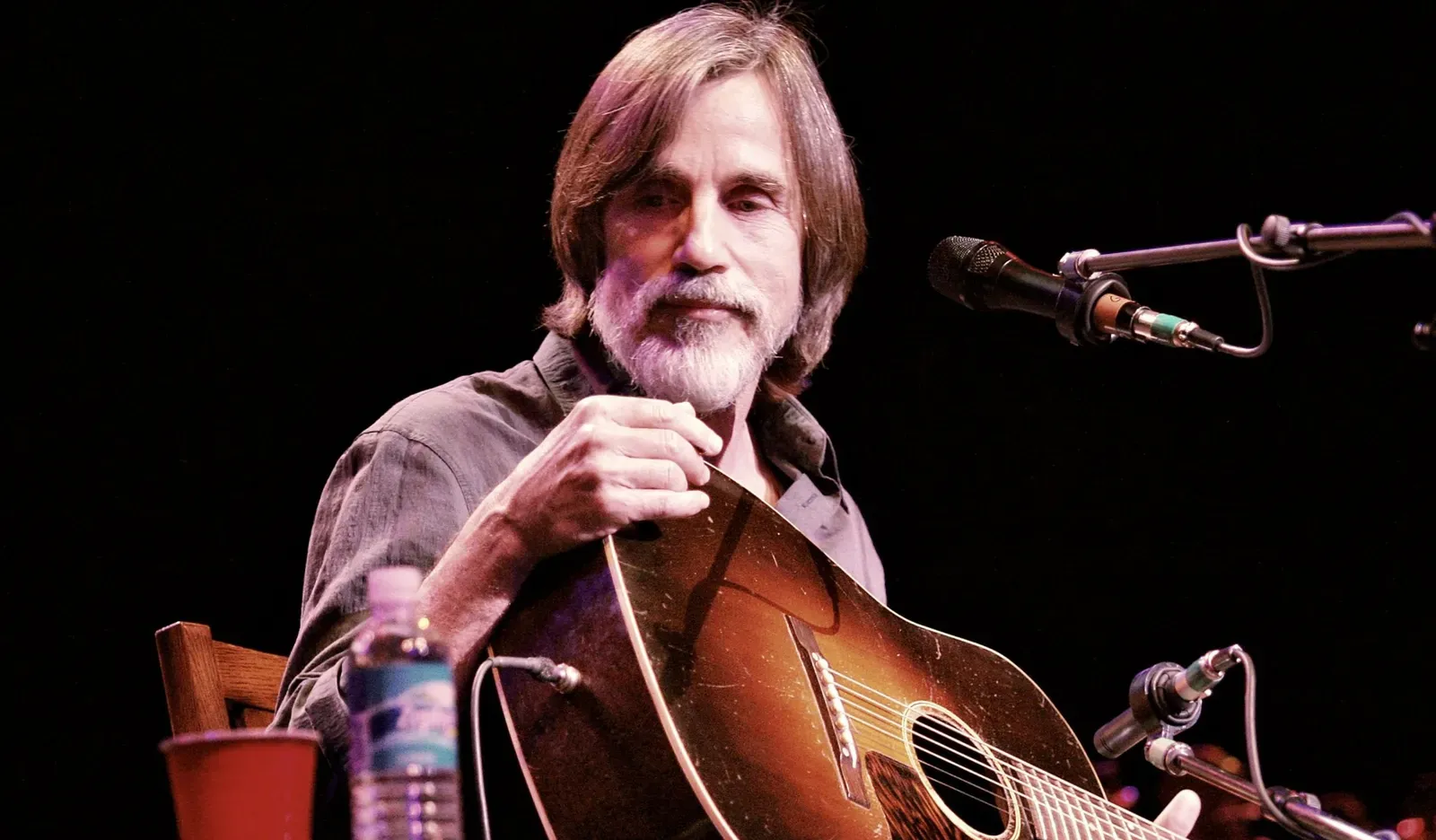
Released in 1977, this is probably the clearest case. Browne recorded the songs while touring. The sessions took place in concert halls, but also backstage, in hotel rooms and on the tour bus. The album was designed to document life on the road, using the road itself as the studio.
Because the songs were new and the sound is polished, it comes across as a studio album. It carries no live label, and most tracks lack the usual concert cues. The title track was recorded in concert, which makes it a good example of how a live take can pass as a studio cut. The album became one of Browne’s best known works.