Walk into almost any jazz club and you’ll hear songs that were written for a theater stage. Long before they turned into blowing vehicles for saxophonists and pianists, many of them were plot devices, character moments or big second act numbers.
The link makes sense. In the decades between the world wars, Broadway was where the best popular songwriters worked, and jazz musicians needed strong melodies and rich harmony to build on. The nine songs below show how that exchange happened, one show at a time.
1. Summertime

George Gershwin wrote it for the opera Porgy and Bess, which premiered on Broadway in 1935. DuBose Heyward supplied the lyric, and the piece opens the show as a lullaby. It’s slow, bluesy and built on a minor key that jazz players found easy to bend.
Sidney Bechet’s 1939 recording helped carry it into jazz circles early. Ella Fitzgerald and Louis Armstrong recorded a famous vocal version in 1957, and Miles Davis and Gil Evans reworked it for their 1958 album Porgy and Bess. Few theater songs have been recorded as often by jazz artists.
2. My Funny Valentine
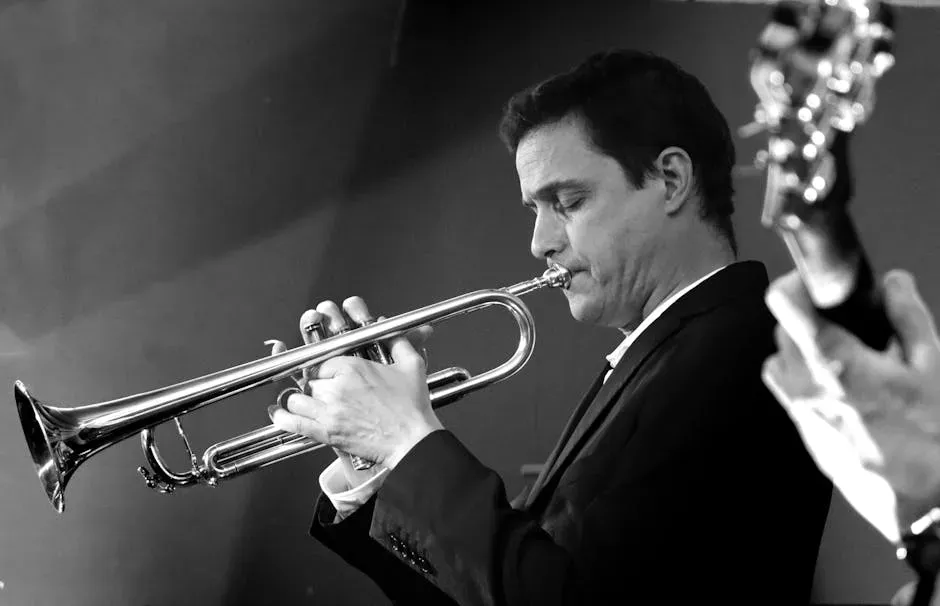
Richard Rodgers and Lorenz Hart wrote this ballad for the 1937 musical Babes in Arms. In the show, a character sings it to tease another about his looks, though it comes across as tender. The melody moves down in small steps over shifting minor harmony, which gives soloists plenty to explore.
Chet Baker made it a signature piece with his soft vocal and trumpet playing in the 1950s. Miles Davis later recorded a celebrated live version in 1964, on the album titled after the song. It has remained a ballad that musicians return to again and again.
3. Night and Day
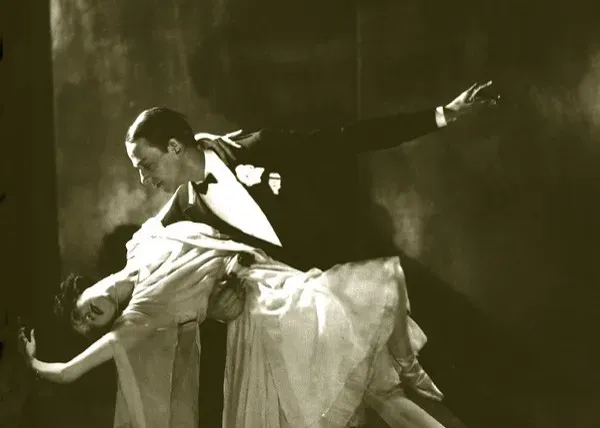
Cole Porter wrote it for the 1932 musical Gay Divorce, where Fred Astaire introduced it on stage. The song is famous for a long, repeating opening note that sits over changing chords. That tension between a fixed line and moving harmony is what makes it so appealing to improvisers.
Astaire sang it again in the 1934 film version of the show, which was retitled The Gay Divorcee. Over the years it’s been recorded by singers and instrumentalists across many jazz eras. It’s a good example of how a sophisticated Broadway melody can fit a jazz setting without much adjustment.
4. Bewitched, Bothered and Bewildered
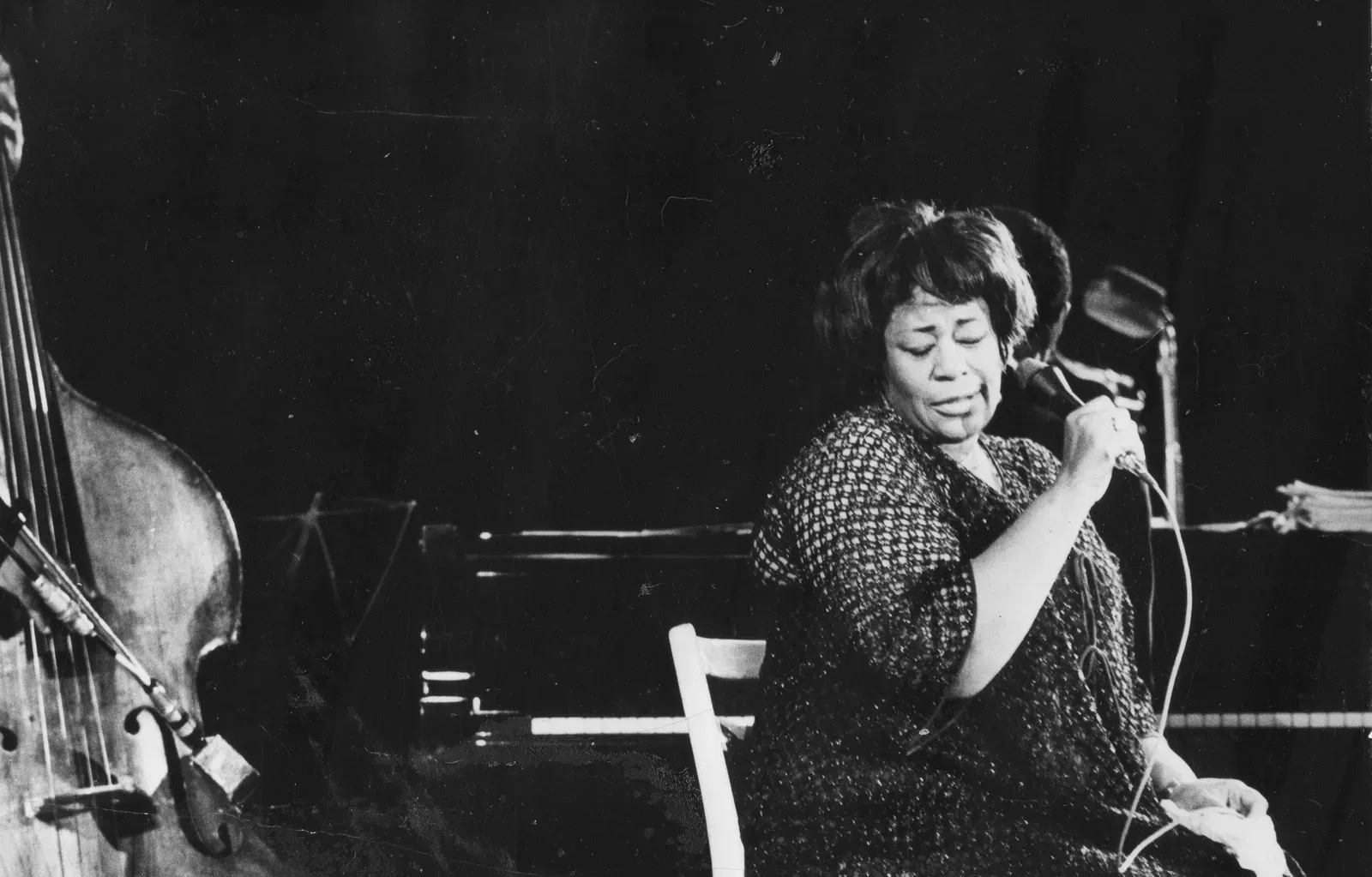
Rodgers and Hart wrote this for the 1940 musical Pal Joey. Vivienne Segal sang it in the original production, and the lyric is wry and a little rueful about desire. The song has a long, graceful form with an introductory verse that many jazz singers still include.
It became a staple after the war, with singers such as Ella Fitzgerald recording it for her Rodgers and Hart songbook in 1956. Instrumentalists took to it too, since the chords reward patient, melodic playing. It’s a reminder that Broadway lyrics could be as sharp as any jazz improvisation.
5. My Favorite Things
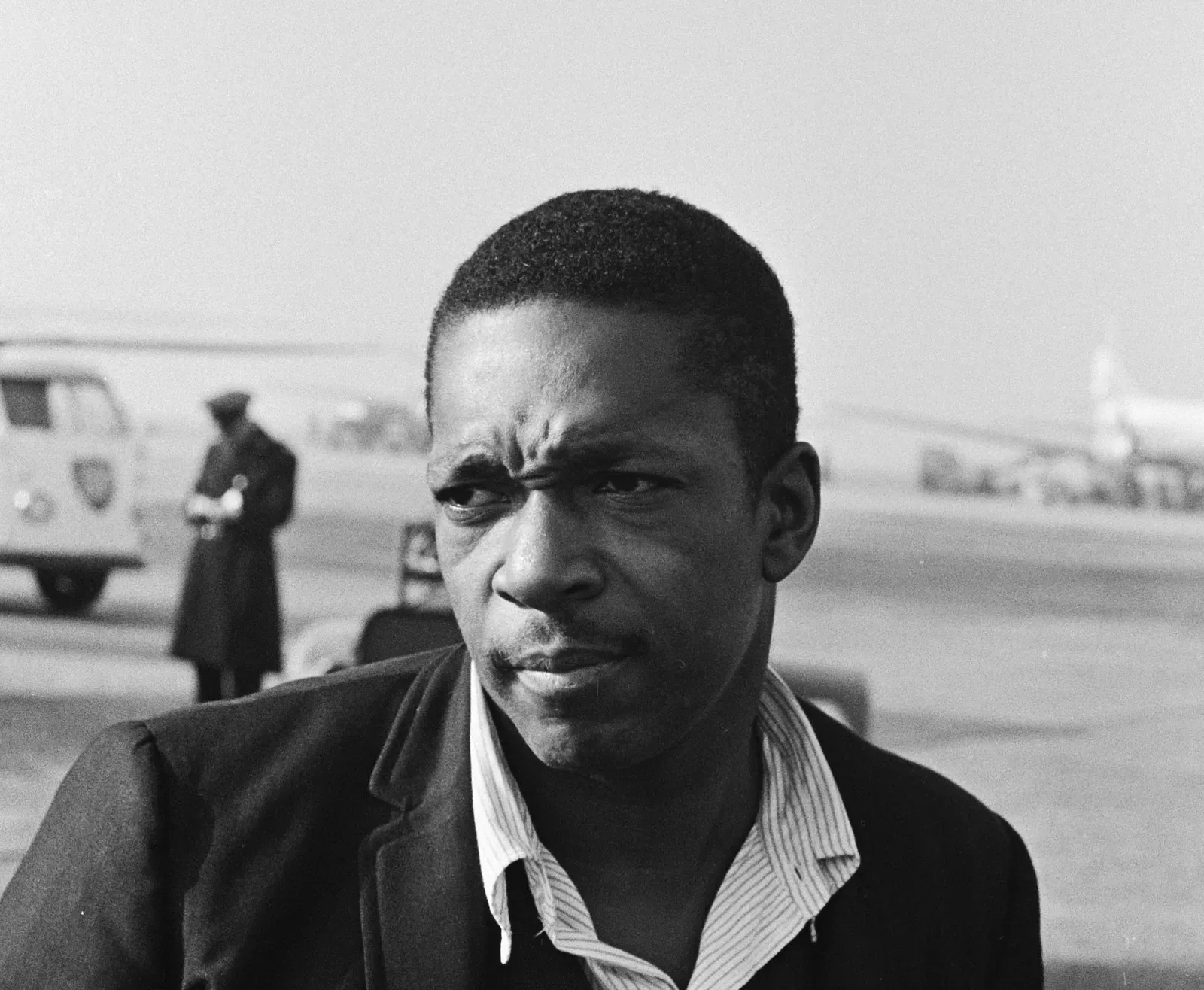
Rodgers and Oscar Hammerstein II wrote it for The Sound of Music, which opened on Broadway in 1959. In the show, Mary Martin sang it in the role of Maria. On paper it looks like an unlikely jazz tune, being a waltz with a simple, almost nursery rhyme feel.
John Coltrane changed that in 1960 with his soprano saxophone recording, which became the title track of his 1961 album. He stretched the piece into a long modal exploration that moves between minor and major sections. For many listeners, his version is the one that made the song a jazz fixture.
6. All the Things You Are
Jerome Kern composed it with lyrics by Oscar Hammerstein II for the 1939 musical Very Warm for May. The show itself wasn’t a long run, but this song outlived it by a wide margin. Its harmony passes through several key centers, which makes it a favorite test piece for jazz musicians.
Players have used it for decades as a way to practice moving between keys smoothly. Charlie Parker and Dizzy Gillespie are among the bebop figures associated with it, and many later musicians built new tunes over its chord changes. It remains one of the most commonly played standards in jam sessions.
7. Mack the Knife
The melody comes from The Threepenny Opera, with music by Kurt Weill and words by Bertolt Brecht, first staged in Berlin in 1928. The version that reached American audiences came from the 1954 off Broadway production, with an English adaptation by Marc Blitzstein. That revival ran for years and brought the tune to a wide public.
Louis Armstrong recorded it in 1956, and Bobby Darin’s 1959 version became a major hit. Ella Fitzgerald’s live performance in Berlin in 1960 is also well known, partly because she forgot lyrics and improvised new ones. So this one started in Europe, yet it reached jazz through a New York stage.
8. I Got Rhythm
George Gershwin and his brother Ira wrote it for the 1930 musical Girl Crazy. Ethel Merman sang it in the show, and it helped launch her career. The song’s chord pattern turned out to be unusually durable, and jazz musicians nicknamed it rhythm changes.
Countless jazz compositions have been written over that same progression, including Charlie Parker’s Anthropology and Thelonious Monk’s Rhythm a Ning. In that sense the song gave jazz a template as well as a melody. Few Broadway numbers have had that kind of structural influence.
9. Embraceable You
This is another Gershwin song from Girl Crazy in 1930, with Ira Gershwin’s lyric. Ginger Rogers sang it in the original production, early in her career. The melody is lyrical and wide ranging, with a smooth line that suits both singers and horn players.
Charlie Parker recorded memorable versions in 1947, treating the tune with rapid, inventive phrasing. Billie Holiday and Ella Fitzgerald also sang it, and it has appeared on many instrumental albums since. It shows how a romantic show tune can hold up under very different jazz approaches.