Every good story needs a villain we love to hate, someone whose logic feels twisted just enough to make us root for the hero. But every so often, a rewatch or a re-read reveals something uncomfortable: the villain’s argument actually held up. Not their methods, not their body count, but the core point they were trying to make. These three characters were written to be defeated, yet decades of hindsight, sequels, and real-world parallels have made their warnings look less like villainy and more like foresight. Here’s a closer look at the fictional bad guys whose predictions aged better than anyone expected.
Magneto and the fear of mutant persecution
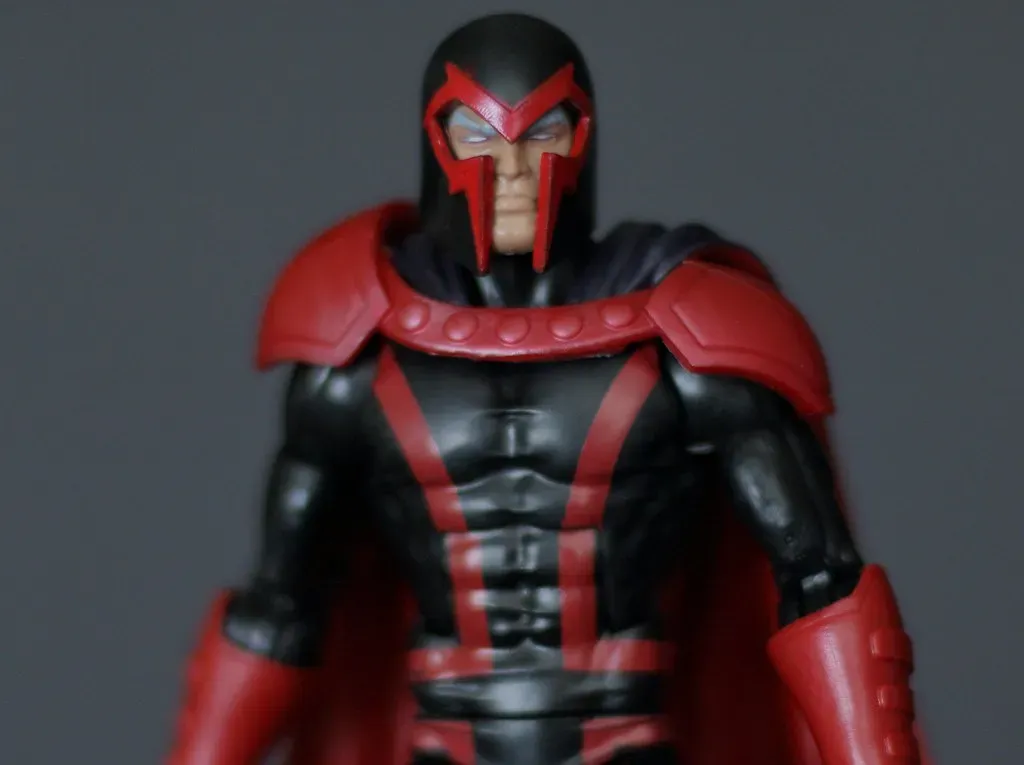
Magneto has spent decades as the X-Men’s most famous antagonist, preaching mutant supremacy while Professor Xavier pushed for peaceful coexistence with humans. On paper, Xavier’s optimism seems like the moral high ground. Yet nearly every major X-Men storyline, from the Mutant Registration Act to the Genosha massacre to the “Days of Future Past” timeline, shows humanity turning on mutants the moment fear takes hold.
Magneto’s backstory as a Holocaust survivor was always meant to explain his distrust of institutions that promise tolerance and then round people up anyway. Later comics and the film franchise repeatedly validate his paranoia, showing government-sanctioned experiments, weaponized mutant hunters, and legislation designed to control or eliminate mutant populations. Xavier’s dream is beautiful, but the franchise keeps proving Magneto’s instinct that peaceful gestures alone won’t stop a frightened majority from lashing out. It’s telling that even Xavier, in several storylines, eventually concedes that some form of mutant self-defense is necessary.
Killmonger and the cost of Wakandan isolation

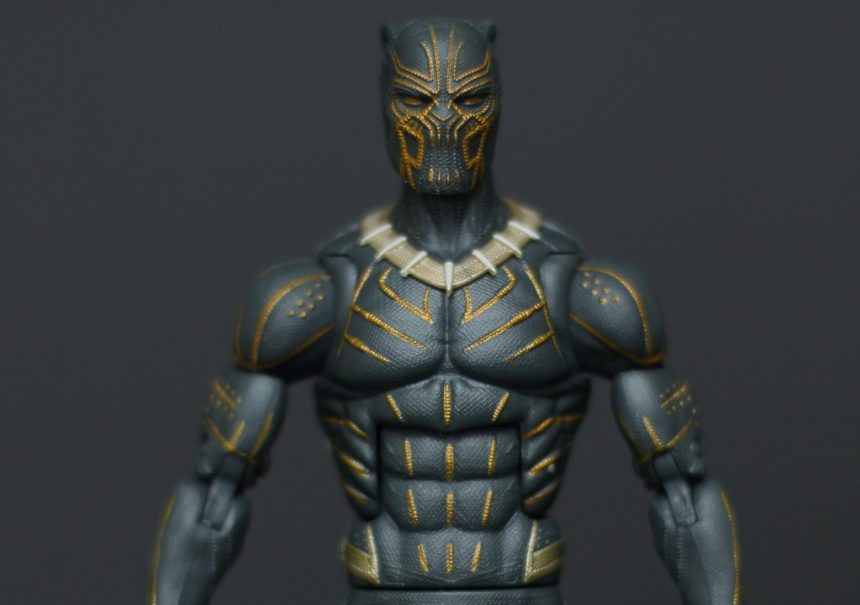
Erik Killmonger’s plan in Black Panther involved global insurrection, which is exactly the kind of extreme solution movies use to make sure audiences side with the hero. Strip away the violence, though, and his critique of Wakanda’s isolationism lands with real weight. He points out that a nation with unmatched technology and resources chose to hide behind a forcefield while people who look like its own citizens suffered oppression and poverty across the globe.
T’Challa spends the rest of the film, and its sequel, essentially adopting a softened version of Killmonger’s worldview by opening outreach centers and sharing Wakandan resources internationally. That’s not a coincidence; it’s the film quietly admitting the critique was sound even as it rejected the method. Killmonger’s line of reasoning echoes real historical debates about wealthy nations withholding aid or technology from struggling regions, which is part of why his argument resonated so strongly with audiences in 2018 and continues to be referenced in film discourse today. The tragedy of his character isn’t that he was wrong about the problem, it’s that he chose the worst possible way to fix it.
Ozymandias and the manufactured peace of Watchmen
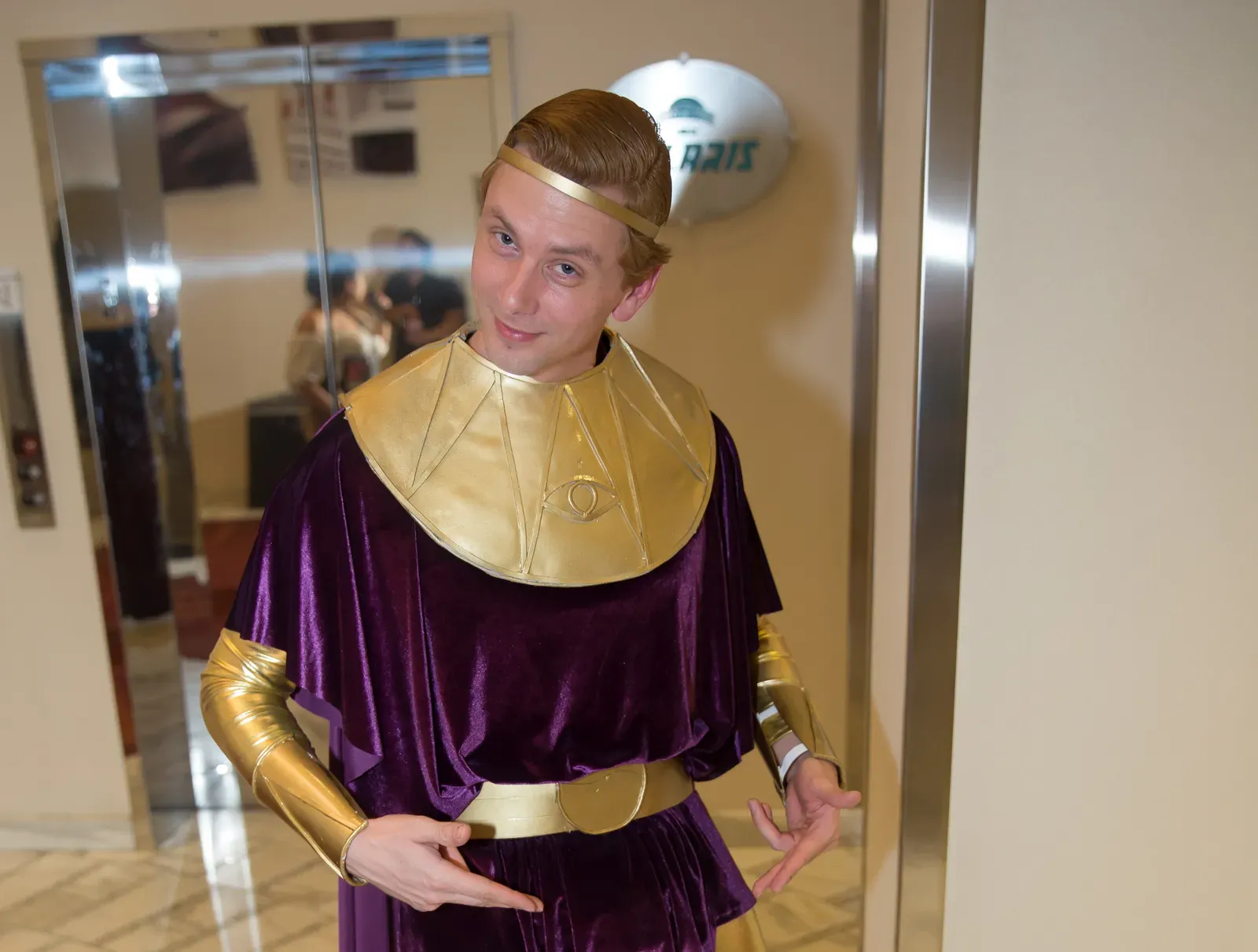
Few villains have sparked more debate than Adrian Veidt, known as Ozymandias, from Alan Moore’s Watchmen. His plan involved faking an alien attack that killed millions of New Yorkers, all to unite the world’s superpowers against a common enemy and prevent full-scale nuclear war. It’s a monstrous act by any reasonable standard, yet the story’s final pages show the plan working exactly as intended, with the Cold War standoff dissolving overnight.
Moore never lets readers off the hook easily; the closing image hints that a journal exposing Veidt’s scheme might surface and unravel the fragile peace he built. That ambiguity is the point. Watchmen doesn’t argue that mass murder is justified, but it does force readers to sit with the uncomfortable possibility that Veidt’s cynical read of human nature, that people only unite against a shared threat, was more accurate than the idealism of heroes like Doctor Manhattan or Rorschach. Decades later, that grim assessment of geopolitics still gets cited in discussions about nuclear deterrence and manufactured crises, which says something about how sharply Moore anticipated the argument.
What makes these three stand out isn’t that their creators secretly agreed with them. It’s that good writing sometimes builds a villain’s logic so carefully that the fiction ends up proving its own antagonist correct, even while punishing him for it. That tension, between a valid point and a monstrous method, is usually what keeps people arguing about these characters long after the credits roll.