Box office success usually comes with a victory lap. The director thanks the studio, praises the cast, and quietly banks the paycheck for the sequel. Yet every so often a filmmaker looks at a movie that made real money, one that plenty of people genuinely enjoyed, and says something closer to please forget I made this.
That kind of honesty is rare in an industry built on selling optimism. The seven cases below involve directors who walked away from commercially successful films, sometimes quietly, sometimes with a level of candor that surprised even their own fans.
David Fincher and Alien 3 (1992)
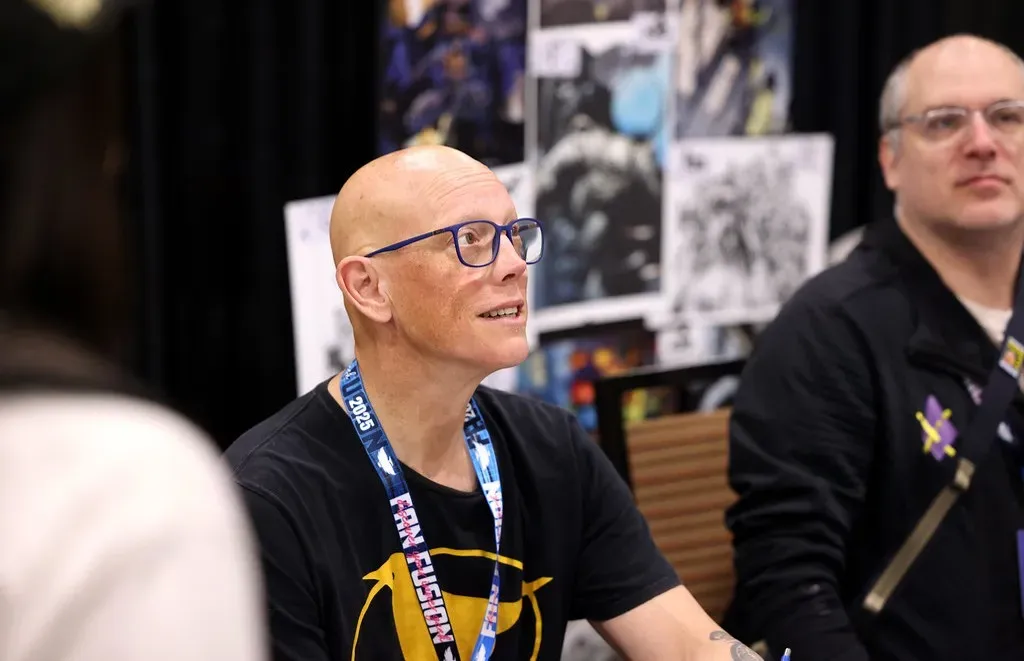
Long before he became one of Hollywood’s most respected filmmakers, David Fincher was a first time director thrown into a troubled franchise sequel with constant script rewrites and a studio breathing down his neck. For David Fincher, Alien 3 was his feature-film debut, but it turned out to be less a breakthrough than a grueling ordeal, and he later said he had to work on it for two years, got fired off it three times and had to fight for every single thing. The film still opened respectably and turned a profit for 20th Century Fox, but the goodwill from Aliens made expectations far higher than what audiences got.
Fincher’s frustration never really faded with time. He told The Guardian in 2009 that a lot of people hated Alien 3, but no one hated it more than he did. Costar Sigourney Weaver later remarked publicly that she heard David had disowned the project and was sorry about that because she loved working with him and thought they made a good film. Fincher rarely brings the movie up in interviews at all, which in its own way says plenty.
Stanley Kubrick and Spartacus (1960)
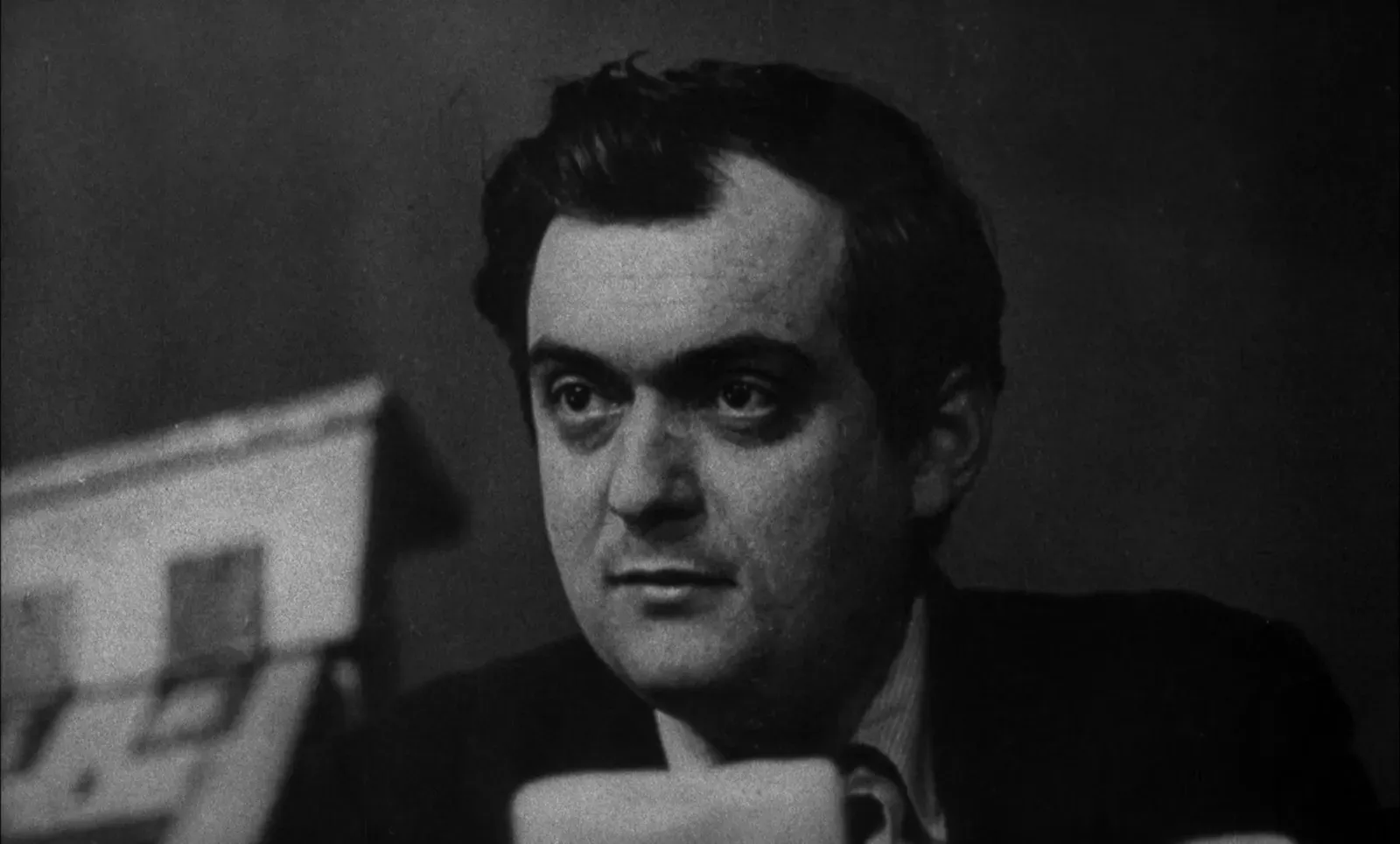
Spartacus was a massive success when it hit theaters, sweeping several Academy Awards and cementing Kirk Douglas as one of the era’s biggest stars. Stanley Kubrick took over directing duties after Anthony Mann was let go early in production, but he never had the final say that defined the rest of his career. The script, the casting, and much of the editing were locked in before he arrived, and it showed in how he talked about the project afterward.
In later interviews, Kubrick was notably reluctant to claim the film as part of his true body of work, often describing it as the one production where he functioned more as a hired director than an author. He rarely revisited it in retrospectives of his career and pointedly left it out of conversations about the films he considered personal statements. For a director famous for controlling every frame, distancing himself from a movie this successful was a quiet but telling rejection.
Richard Donner and Superman II (1980)
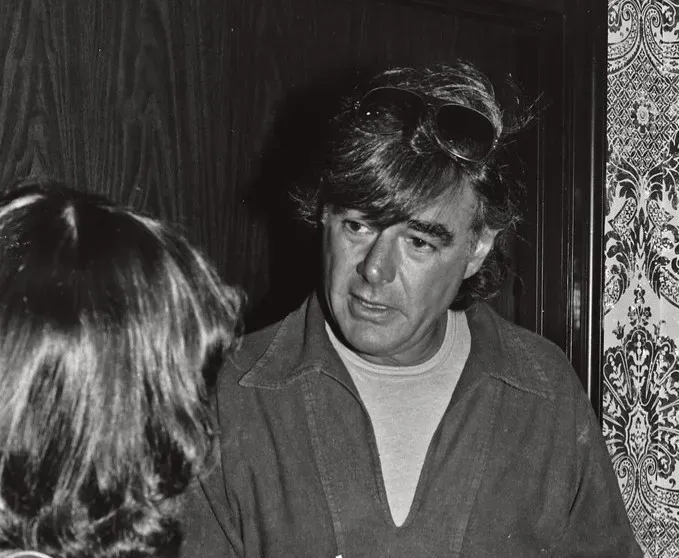
Richard Donner directed the bulk of Superman II before being removed from the production over budget disputes with producers, with Richard Lester brought in to finish the film and reshoot large portions of it. The theatrical cut still became a huge box office success, riding the momentum of Donner’s own 1978 Superman. Donner, however, never considered it his movie, since so much of what audiences saw on screen came from someone else’s choices.
He spent years afterward talking about how little of his original vision survived the reshuffle, and he made no secret of his frustration with how the studio handled the switch. That dissatisfaction eventually led to the 2006 release of Superman II: The Richard Donner Cut, assembled from his original footage decades later. It stands as one of the clearest examples of a director getting a public do over specifically because he refused to let the theatrical version stand as his final word.
Joel Schumacher and Batman & Robin (1997)

Batman & Robin brought in real money worldwide and kept the Batman franchise commercially alive, even as critics tore it apart for its neon aesthetic and campy tone. Joel Schumacher, who also directed the somewhat better received Batman Forever before it, ended up carrying the blame for years. He eventually stopped defending the film entirely and went public with a full apology.
Partner offer
Schumacher told an interviewer that he apologized and wanted to apologize to every fan that was disappointed, because he felt he owed them that. He went further, describing the backlash in blunt terms, saying his batting average was good until after Batman & Robin, when he felt like scum, comparing the reaction to having murdered a baby. Few directors have described their own hit film in such unsparing language, and the apology has followed him in nearly every retrospective interview since.
Tim Burton and Planet of the Apes (2001)
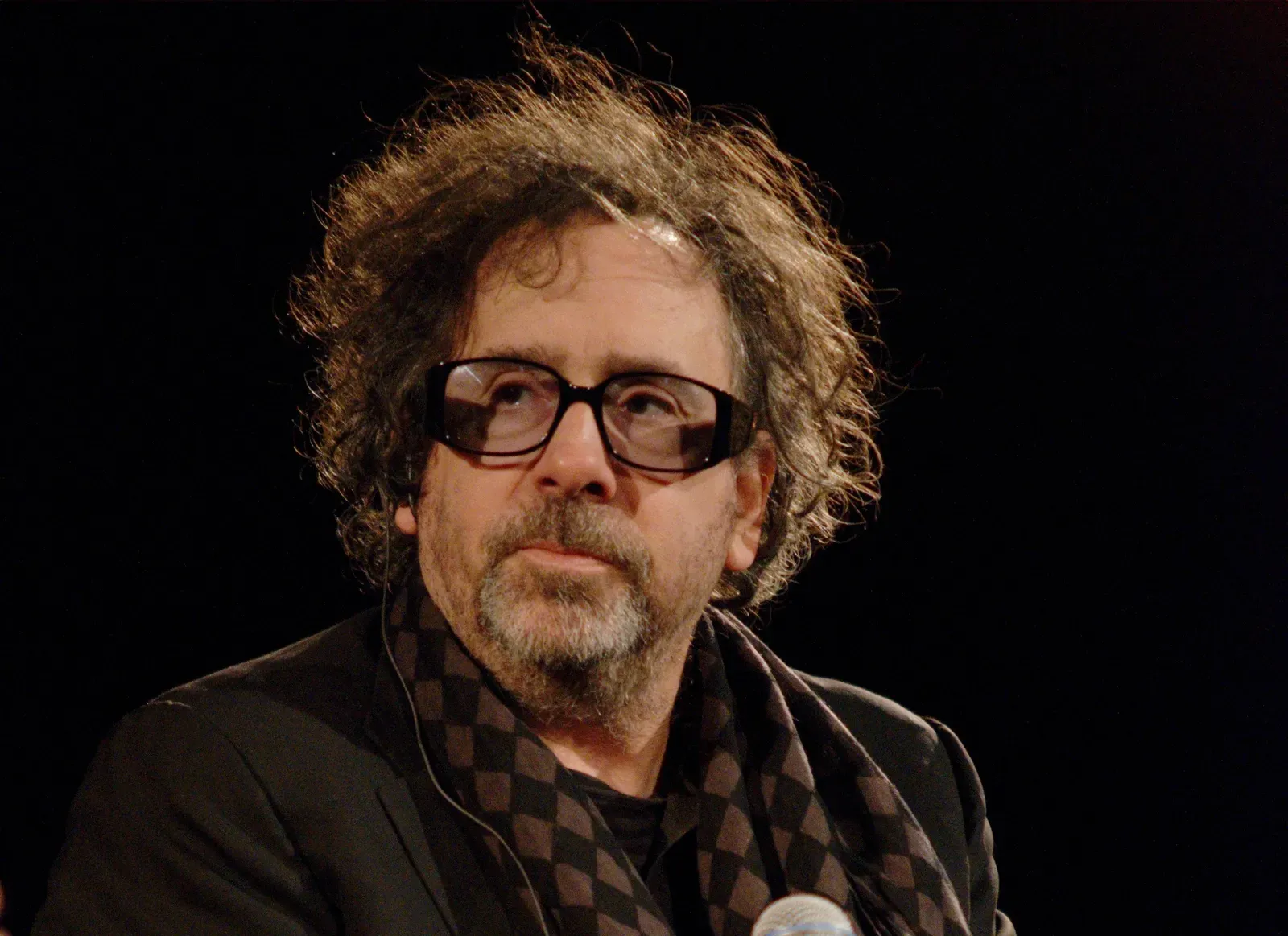
Tim Burton’s reimagining of Planet of the Apes pulled in a box office total of $362.2 million against a $100 million budget, making it a clear financial success for 20th Century Fox. The reception from critics and longtime fans of the original franchise was far less kind, particularly regarding the film’s twist ending. Burton has spoken about the project over the years as an experience he entered with real enthusiasm but left feeling like the final film did not reflect a personal vision the way his earlier work did.
Unlike some entries on this list, there was no director’s cut or later reclamation of the material. The film was criticized harshly by both critics and fellow directors, and despite a significant box office take, it never received a sequel, leaving Burton’s take on the franchise as something of a dead end. Burton moved on to other projects almost immediately, and the film rarely comes up when he discusses his own filmography with any warmth.
Sam Raimi and Spider-Man 3 (2007)
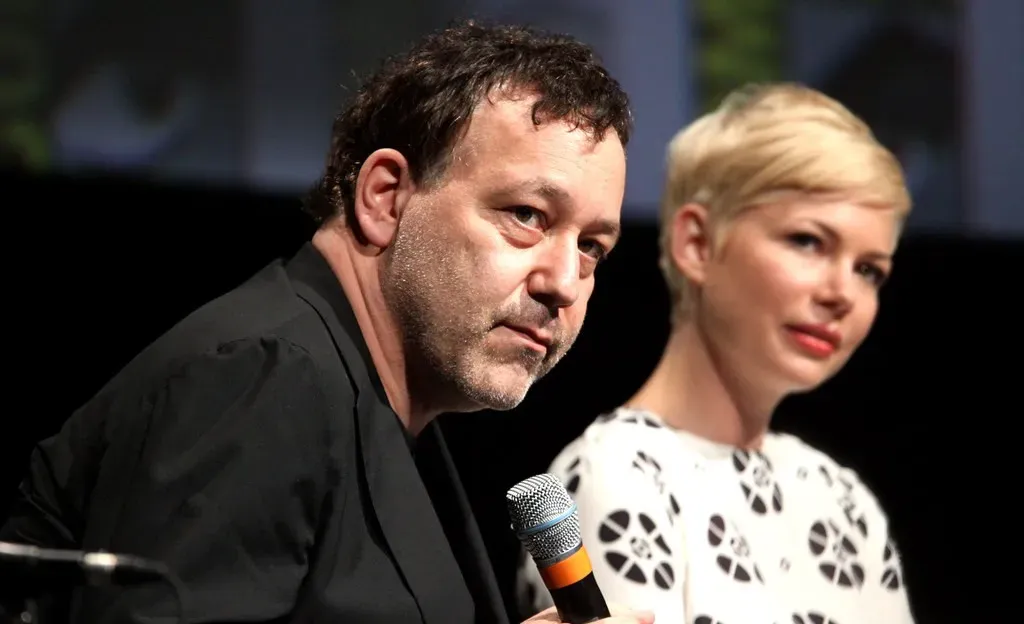
Spider-Man 3 closed out Raimi’s original trilogy with numbers few superhero films had reached at the time, pulling in a worldwide gross that made it one of the biggest hits of that summer. The film’s biggest sticking point was Venom, a character Raimi never wanted to include. Raimi didn’t want to have Venom in the film because he didn’t like the character’s lack of humanity, but ended up agreeing to please the studio and the audience.
Years later, Raimi was still explaining what went wrong rather than defending the finished product. He admitted that with Eddie Brock, it was really more that he didn’t understand the character that well, and it wasn’t close to his heart. Producer Avi Arad eventually took public responsibility for pushing the character into the script, but the damage to Raimi’s enthusiasm for his own film was already done, and he has never spoken about Spider-Man 3 with the same pride he reserves for its two predecessors.
David Ayer and Suicide Squad (2016)
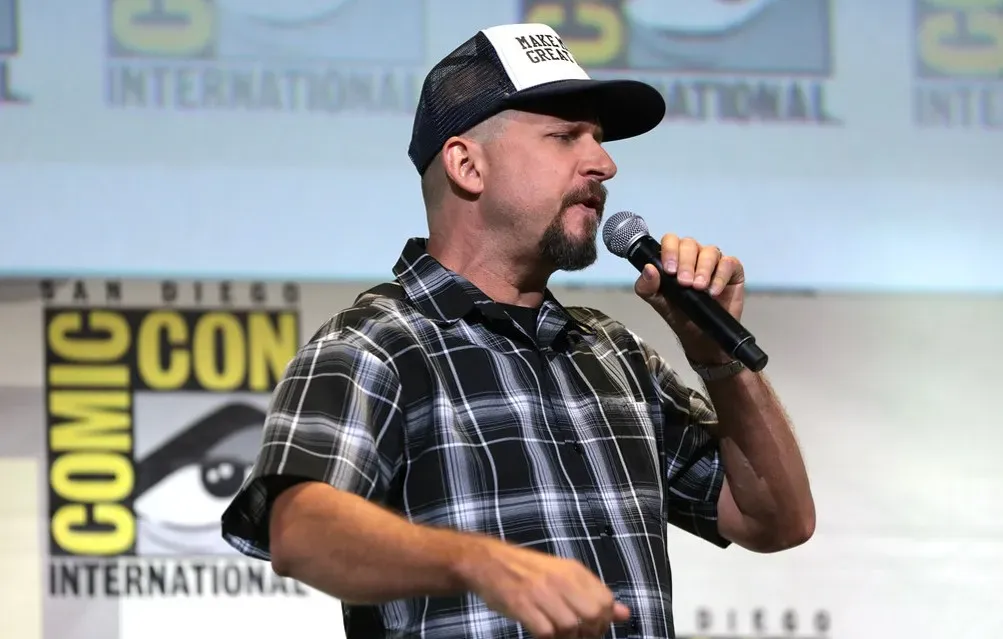
Suicide Squad turned into a genuine box office hit, grossing hundreds of millions worldwide despite savage reviews, largely on the strength of its marketing and ensemble cast. David Ayer has never been shy about the fact that the theatrical release barely resembled the film he actually shot. Ayer said his cut would be easy to complete, that it would be incredibly cathartic for him, and that it was exhausting getting his film treated the way Edward Scissorhands was, adding that the film he made had never been seen.
When Warner Bros. later restored Zack Snyder’s Justice League to its intended form, fan pressure to do the same for Ayer’s Suicide Squad grew loud. WarnerMedia’s then CEO Ann Sarnoff stated flatly that the studio would not be developing David Ayer’s cut. Ayer has continued to argue that studio cuts mistreated the film, including Jared Leto’s take on the Joker, keeping his disownment of the theatrical version very much alive years after release.
What ties these seven stories together is not bitterness so much as a mismatch between commercial success and creative satisfaction. A movie can fill theaters and still feel, to the person who made it, like something that got away from them somewhere in the editing room or the studio boardroom. Audiences rarely think about that gap when they are enjoying a film, but for the director standing behind the curtain, it can linger for decades.
Partner offer
Planning a trip to Vegas?
Compare hotel rates and show tickets on VEGAS.com.