A poster only gets a few seconds to convince someone walking past a theater lobby or scrolling through a phone. That pressure sometimes pushes marketing teams toward images that misrepresent what’s actually on screen, whether by accident, overzealous photoshopping, or simple carelessness. When audiences notice the gap between promise and reality, studios sometimes have no choice but to pull the artwork and start over. The three cases below aren’t just minor design tweaks. Each one involved a poster that either got yanked before release or heavily reworked after fans and critics pointed out how disconnected it was from the actual film.
1. Arrival’s skyline that borrowed the wrong city

Denis Villeneuve’s 2016 sci-fi drama Arrival got a promotional poster that seemed straightforward enough: a massive alien spacecraft hovering ominously over a city skyline. The problem was the skyline itself. One of the posters for the acclaimed sci-fi thriller showed a massive spaceship floating just above Hong Kong, and the image included the landmark Pearl Tower, which is a well-known structure in Shanghai.
The mix-up wasn’t a small detail for viewers familiar with Chinese geography. The error prompted online outrage from critics who saw a conflation of Hong Kong, which has special status in China, with the country’s largest city. The backlash escalated quickly enough that the intensity of the outrage led Paramount’s marketing team to pull the poster, replace it, and issue an official Twitter apology. For a film built around the idea of careful, precise communication between species, getting basic geography wrong on the poster felt almost ironic.
2. Sonic the Hedgehog 2’s poster that erased half its cast
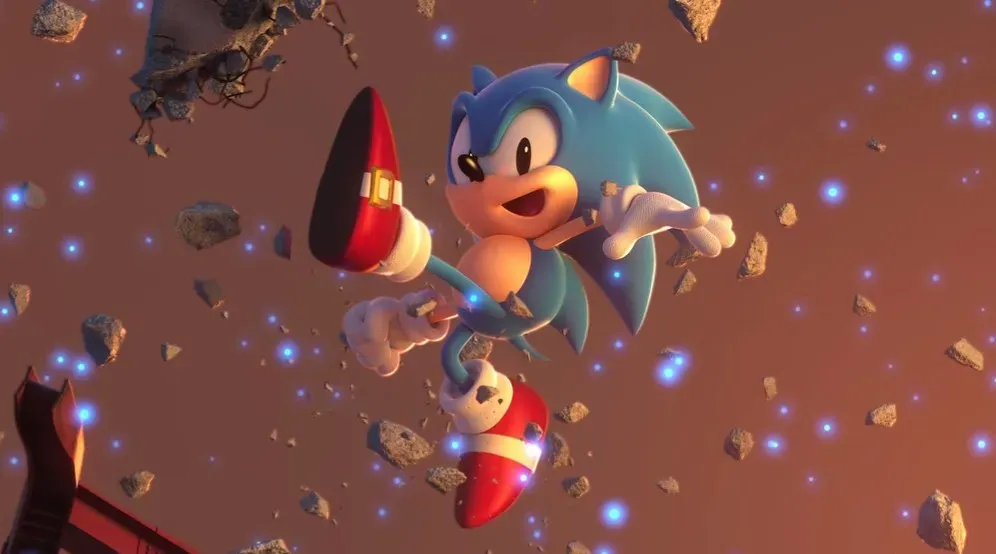
Paramount’s Sonic the Hedgehog 2 arrived in 2022 with a poster meant to celebrate the franchise’s beloved characters, bringing back fan favorites like Knuckles and the chaos emeralds. The poster brought several of the original games’ iconic elements back to the fore, from chaos emeralds to everyone’s favourite echidna, Knuckles. Fans were pleased with the nostalgia, but something else on the artwork caught their attention almost immediately.
Partner offer
One thing was notably missing when the design emerged, and fans made their displeasure known: absent from the top billing of cast names on the poster was Colleen O’Shaughnessey, who voices Tails. The poster also left out the film’s human lead actress. In other words, the poster no longer featured the names of any of its female leads, which for a franchise built partly around Tails as a fan favorite felt like an odd editorial choice. The pressure worked, and Paramount righted the wrong with a subtle tweak to the design, adding O’Shaughnessey’s name up top along with that of Tika Sumpter, who plays Sonic’s human companion.
3. Wicked’s poster swap that fans said lost the point
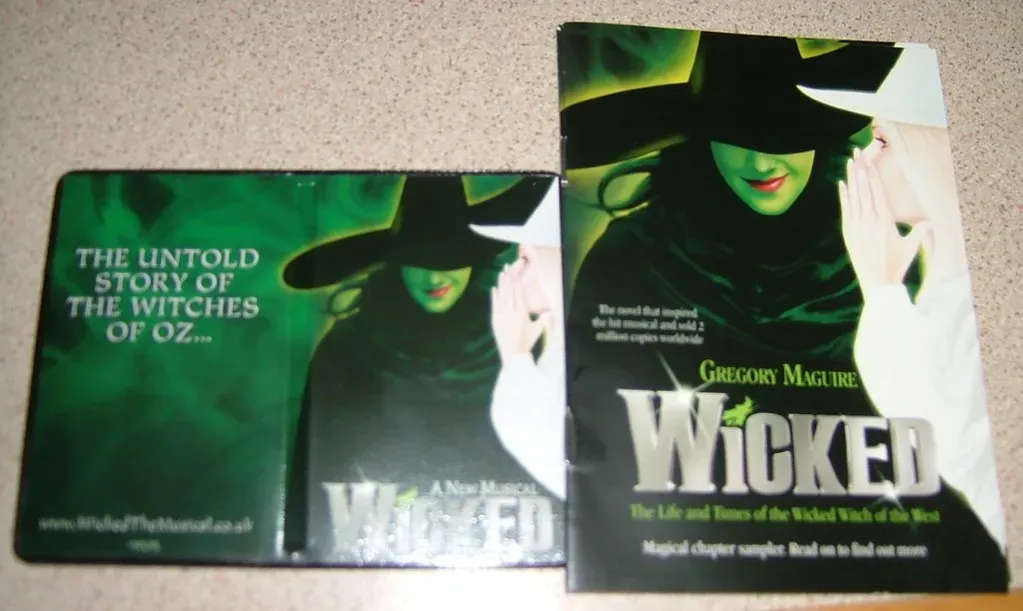
When Wicked’s marketing team unveiled a poster showing Cynthia Erivo’s Elphaba and Ariana Grande’s Glinda together, the choice seemed like standard studio logic: put your two biggest stars front and center. But longtime fans of the Broadway musical felt the redesign missed what made the character iconic in the first place. Showing off the two stars made perfect sense to the film’s marketing department, but fans of the Broadway musical felt the striking image had lost its impact, and one fan edited the new poster to resemble the original.
The reaction spread across social media within days, turning into a wider conversation about how the film was being marketed. After a few days of memes and catty jokes, some commentators expressed alarm that the backlash to Erivo’s statement had gone too far. The controversy grew large enough that it reached the film’s stars directly, with Grande weighing in on the controversy in an interview with Variety, sharing her thoughts on the situation. The episode became a reminder that even a technically well-executed poster can misfire if it strips away the visual identity audiences already associate with a story.
Each of these situations shows a different way a poster can drift from what a film actually is, whether through a factual slip, an editing oversight, or a creative choice that clashed with audience expectations. Studios rarely admit fault outright, but pulling or revising the artwork tends to speak for itself.Partner offer
Planning a trip to Vegas?
Compare hotel rates and show tickets on VEGAS.com.