
Grief has a strange way of finding its way into melody. Some songwriters process loss privately, in journals or long walks, while others put it straight into a bridge and a chorus, letting millions of strangers feel it too. The songs on this list were not written as exercises in sadness for its own sake. They came out of real deaths, real phone calls, real empty chairs at the dinner table, and that is part of why they still land decades later.
1. Tears in Heaven by Eric Clapton

Eric Clapton wrote this song after his four year old son Conor died in 1991 following a fall from a window in a New York City apartment. The tragedy happened while Clapton was preparing for a tour, and the loss reshaped the direction of his career for years afterward. He co wrote the track with Will Jennings, and it appeared on the Rush soundtrack before becoming a centerpiece of his 1992 MTV Unplugged performance.
What makes the song so devastating is its restraint. Clapton does not scream or rage, he simply asks quiet, unanswerable questions about whether his son will know his name and whether they will meet again beyond life. For years Clapton reportedly struggled to perform it live, and that hesitation only reinforced how personal the wound behind the lyrics really was.
2. See You Again by Wiz Khalifa featuring Charlie Puth
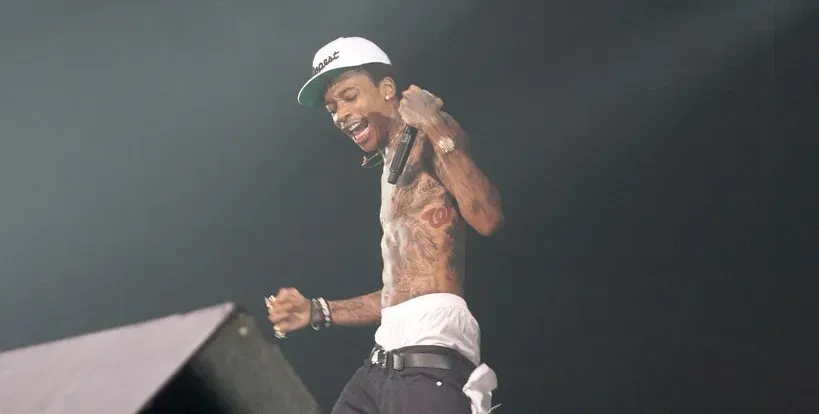
Written for the 2015 film Furious 7, this song became a tribute to actor Paul Walker, who died in a car accident in November 2013 during production. Charlie Puth has said he wrote the piano melody after thinking about his own experience losing a close friend, then shaped the lyrics around the idea of driftaway memories and roads traveled together. The result became one of the best selling digital singles of the decade.
The music video, which closes with real footage of Paul Walker from the earlier Fast and Furious films, turned the song into something closer to a public memorial than a typical movie single. Fans of the franchise still point to the final scene as one of the most emotional moments in modern blockbuster cinema. It is a rare case of a song written for a film managing to outlive the movie itself in emotional weight.
3. Fix You by Coldplay

The song is a sobering meditation on grief in the face of the death of a loved one; frontman Chris Martin developed the song to comfort his then-wife, actress Gwyneth Paltrow, after her father Bruce Paltrow died. Bruce Paltrow died on October 3, 2002, at the age of 58, while vacationing in Rome, and three weeks after his death, his daughter Gwyneth met Coldplay singer Chris Martin. Paltrow herself later described the meaning behind the song in blunt, personal terms.
“‘Fix You’ was about him trying to put me back together after my dad died. I think it’s pretty nice.” The song appeared on Coldplay’s 2005 album X&Y, which the band dedicated to Bruce Paltrow. Two decades on, it remains one of the most performed grief songs at memorial services and public tributes, including Coldplay’s own appearance at the 2017 One Love Manchester benefit concert.
4. The Living Years by Mike + The Mechanics

Released in 1988, this song was written by Mike Rutherford and B.A. Robertson after both men lost their fathers. Rutherford, best known as a founding member of Genesis, has spoken about how the song grew out of unresolved conversations and things left unsaid before his father passed away. The lyrics deal less with the death itself and more with the regret of not saying certain things while there was still time.
It became a number one hit in the United States in 1989, an unusual achievement for a song built around such a specific and somber theme. The recording carries an extra layer of poignancy because it includes a recording of Robertson’s newborn son crying, layered against lyrics about generational loss. That contrast between new life and an absent father gives the song a structure that feels almost cyclical.
5. Drops of Jupiter by Train

Monahan’s mother, Patricia Ann Monahan, died in December 1998 from lung cancer while Train was touring. Train released their first album in 1998, and were touring that year when Monahan’s mom was dying of lung cancer, making stops at pay phones along the tour to speak with her during that difficult stretch. The song’s most famous lyric came to him almost fully formed.
Monahan has described a dream in which he felt his mother consoling him, telling him she could now swim through the planets and come back with drops of Jupiter in her hair. Released in January 2001, the song became a massive commercial success and won two Grammy Awards, though Monahan has said the accolades mattered less to him than the way it connected with other people mourning their own parents. It stands out on this list as one of the few grief songs that manages to sound triumphant rather than mournful.
6. Concrete Angel by Martina McBride

Released in 2002, this country ballad was written by Stephanie Bentley and Rob Crosby and tells the fictional story of a child who dies as a result of abuse and neglect. Martina McBride recorded it as part of a broader effort to raise awareness about child abuse, and she has performed it alongside charitable partnerships aimed at protecting children. The music video reinforced the song’s message with imagery of a child slipping through the cracks of a community that failed to notice the warning signs.
Partner offer
Unlike many songs on this list, Concrete Angel is not tied to one specific real death, yet it draws its power from being uncomfortably plausible. McBride has said in interviews that the song resonated deeply with listeners who had experienced abuse themselves or worked in child protective services. Its lasting popularity two decades later speaks to how effectively a fictional narrative can still carry documentary weight.
7. Whiskey Lullaby by Brad Paisley and Alison Krauss

Written by Bill Anderson and Jon Randall, this 2004 duet tells a bleak story of a man who drinks himself to death after being betrayed by his wife, who eventually follows the same fate herself. It is structurally unusual for a mainstream country hit, built around two verses that mirror each other across a shared tragedy rather than a single narrator’s perspective. The song won a Grammy Award for Best Country Collaboration with Vocals in 2005.
What separates this from a simple sad song is its refusal to soften the ending. There is no redemption arc, no lesson learned in time, just two lives undone by grief and shame. Paisley and Krauss’s vocal performances, stripped of studio polish in the emotional sense, are often cited by country music critics as some of the finest in the genre’s modern history.
8. My Immortal by Evanescence
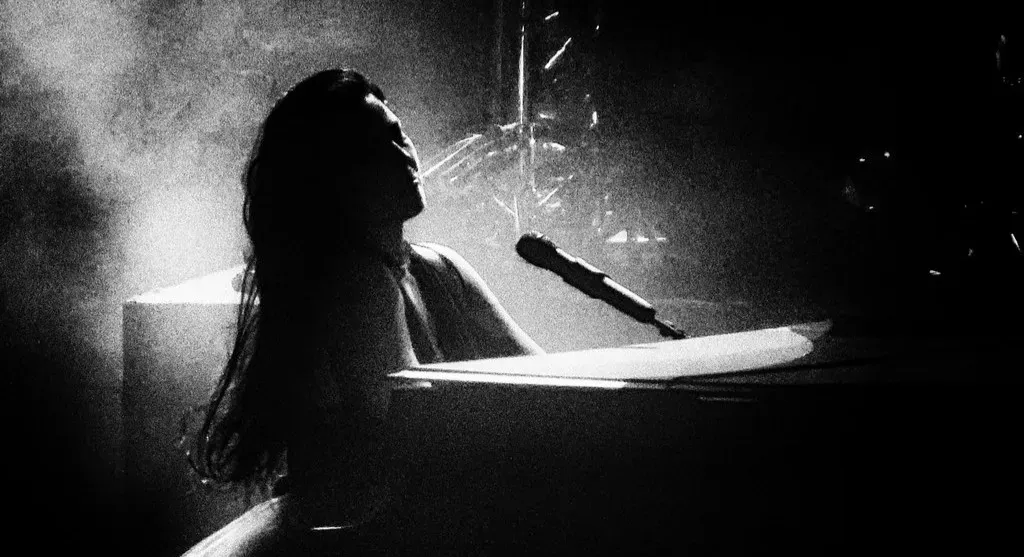
Released in 2003, this ballad was written primarily by Ben Moody and Amy Lee during Evanescence’s early years, and Lee has said the lyrics reflect a period of personal loss and emotional exhaustion rather than one single death. The song’s stripped down piano arrangement, a departure from the band’s heavier rock sound, was a deliberate choice to let the vocal carry the weight of the lyrics. It became one of the defining rock ballads of the early 2000s and remains a staple of Evanescence’s live sets more than twenty years later.
The song’s popularity surged again in recent years through streaming platforms and short form video apps, introducing it to listeners who were not even born when it first charted. That kind of generational crossover is rare for a song this specific in tone, and it suggests the ache at its center still translates even without knowing the exact story behind it. Grief, it turns out, does not need a footnote to be understood.
9. Vincent by Don McLean

Released in 1971, this tribute to painter Vincent van Gogh was written by Don McLean after he read a biography of the artist and felt compelled to put his admiration and sorrow into song. Van Gogh died in 1890 from a self inflicted gunshot wound, having sold only a small number of paintings during his lifetime and struggled for years with mental illness and isolation. McLean’s lyrics imagine speaking directly to the artist, expressing a kind of retroactive compassion for someone the world failed to understand while he was alive.
The song reached number one in the United Kingdom and remains one of the most widely covered tribute songs of the twentieth century. Its lasting appeal comes from the way it turns personal loss into a broader statement about how society often recognizes genius only after it is too late to matter to the person who had it. More than fifty years later, Vincent is still frequently used to introduce new audiences to van Gogh’s life and work.
Final Thoughts

These nine songs did not set out to be tearjerkers in a calculated sense. Each one grew out of an actual loss, whether a parent, a child, a friend, or in one case an artist the songwriter never met but felt connected to across a century. That authenticity is likely why they have aged so well, resurfacing at funerals, film soundtracks, and quiet moments alone with headphones.
Grief does not really go away, and maybe that is why these particular songs keep finding new listeners every year. They do not offer easy comfort so much as company, a reminder that someone else has sat with the same silence and found a way to put it into words.
Partner offer
Planning a trip to Vegas?
Compare hotel rates and show tickets on VEGAS.com.