Most stories about musical stardom follow a familiar script: a young talent gets discovered, grinds through their twenties, and either breaks through or fades away. But music history is full of exceptions to that timeline, and some of the most compelling ones involve artists who spent decades in obscurity, working day jobs or performing in relative anonymity, before the world finally caught on. These are stories where patience, or sometimes just sheer bad luck reversing course, mattered more than youth.
Susan Boyle
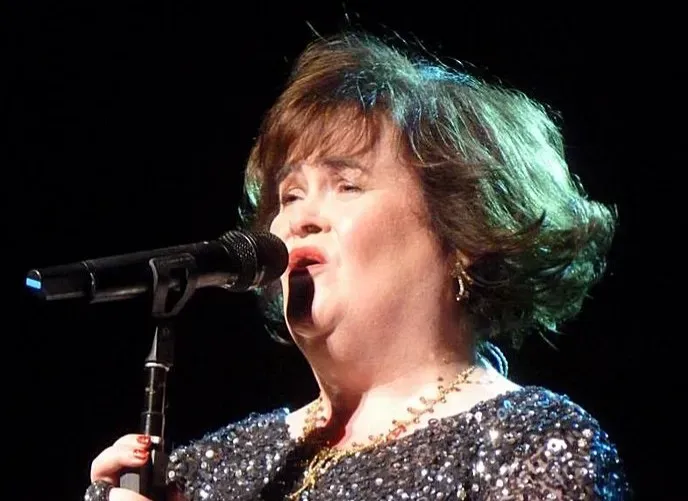
In April 2009, a shy church volunteer from a small town in Scotland stepped onto the stage of Britain’s Got Talent and changed the trajectory of her life overnight. Susan Boyle became a worldwide sensation after her performance of “I Dreamed a Dream” from Les Misérables, and she was 47 at the time, with her powerful audition stunning both judges and audience. She had sung locally for years, taking lessons and performing at karaoke nights and church functions, but nothing had prepared the public for what came next.
The clip of her audition spread across the internet at a speed that was unusual for the era, and videos of her performances went viral, reaching an estimated 100 million viewers worldwide. Though she ultimately finished as runner up on the show, she reached the final round of the competition, finishing behind dance group Diversity. That was hardly the end of her story. Her debut album, I Dreamed a Dream, topped the Billboard charts in 2009 and became the second best selling album of that year. She has kept recording and performing well into her sixties, proving that a single audition can still rewrite an entire career, even one that starts closer to fifty than to twenty.
Sixto Rodriguez

Rodriguez’s story is one of the strangest in modern music, largely because he had no idea it was even happening. Born in 1942, Rodriguez was working on the Chrysler automotive assembly line in Detroit when he released the little heard albums Cold Fact in 1970 and Coming From Reality in 1971, and after their lack of commercial success he was dropped by his label and returned to manual labor, unaware his music had begun attracting a cult following in Australia and South Africa. For roughly two decades, he lived an ordinary working class life while, unbeknownst to him, his songs were becoming anthems on the other side of the world.
Partner offer
The turning point came late, and almost by accident. Rodriguez performed in Australia in the late seventies and early eighties, but afterward retreated again to Detroit, where he was finally rediscovered in 1997. The full scale of his fame did not arrive until Swedish director Malik Bendjelloul released Searching for Sugar Man in 2012, a documentary told largely from the perspective of the South African fans who kept his music alive and eventually found him living in America. By then Rodriguez was already in his seventies, yet the film led to him being invited to perform at festivals like Coachella and Glastonbury, and he embarked on tours around the world more than forty years after releasing his only two albums. It remains one of the more remarkable delayed arrivals in recorded music, a career interrupted for a generation and then handed back to him almost intact.
Charles Bradley
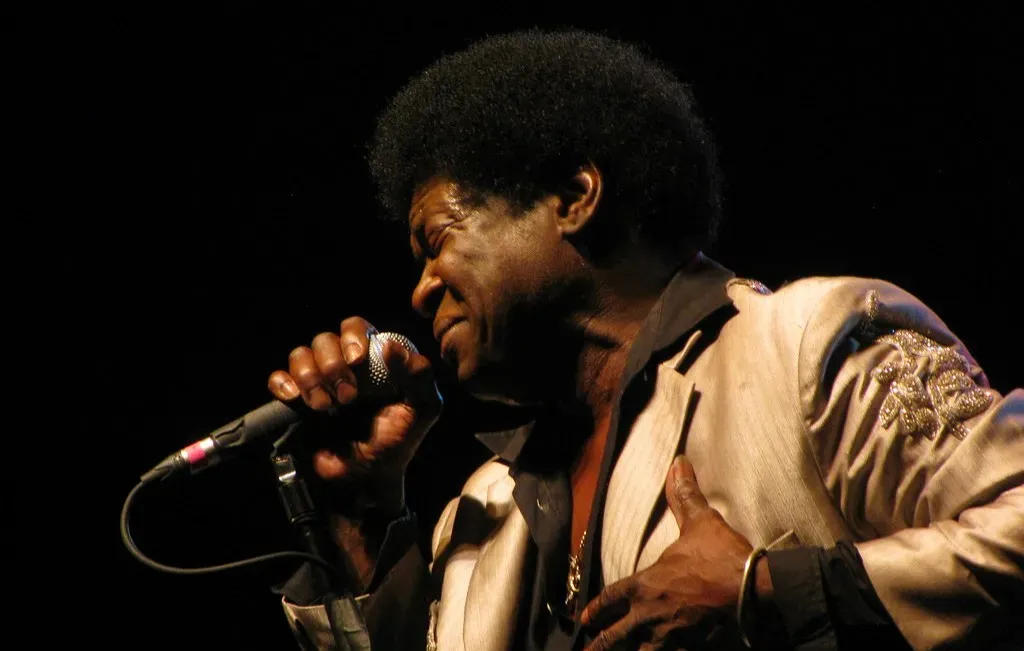
Charles Bradley spent most of his adult life chasing a sound rather than a spotlight. He drifted through odd jobs and itinerant living for years, and in his 40s he moved back to Brooklyn and began performing as a James Brown impersonator under the stage name Black Velvet, doing tribute shows in small clubs for little pay and even less recognition. It was a way to stay close to music, even if it meant channeling somebody else’s voice instead of his own.
His actual breakthrough did not come until he caught the attention of a small independent label built around vintage soul revivalism. At age 62, Bradley finally got his break when Daptone released his debut album in 2011, the same small Brooklyn label that had already found success with Sharon Jones and the Dap Kings. The record, called No Time For Dreaming, introduced listeners to a raw, weathered voice that felt like it had been waiting its entire life to be heard properly. He described the wait himself in blunt terms, noting that it took 62 years for somebody to find him, adding that some people never get found. He followed with two more albums and toured steadily until his death from cancer in 2017, finally getting six years to live as the artist he had always wanted to be rather than an impression of someone else.
These three careers unfolded in completely different corners of the music world, a British talent show, a forgotten folk rock catalog, and a soul revival label, yet they share a common thread. Fame arrived only after the person behind it had lived a full, often difficult life first, which is perhaps why each of their stories still resonates with anyone who assumes their own window has already closed.Partner offer
Planning a trip to Vegas?
Compare hotel rates and show tickets on VEGAS.com.