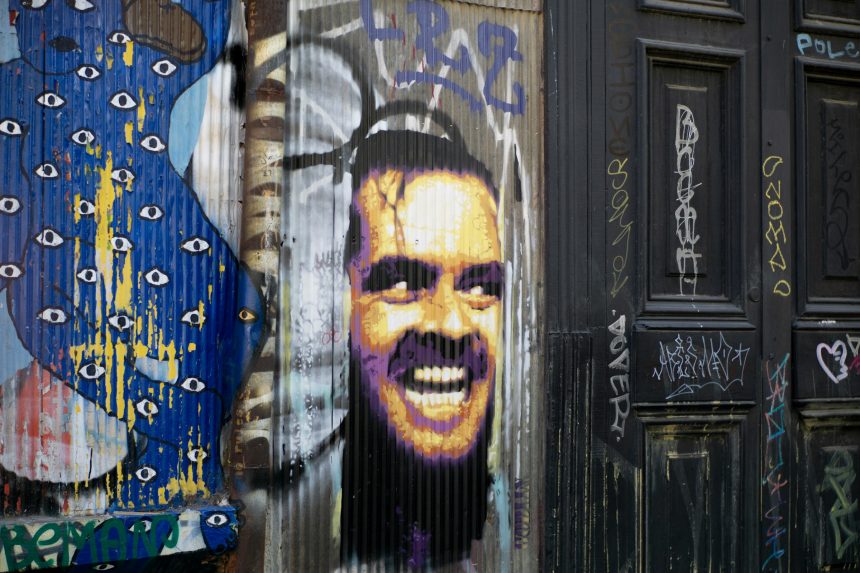
There’s a particular kind of comfort in believing that great art gets recognized right away, that talent simply rises to the surface and critics nod along in agreement. History tells a messier story. Some of the films now taught in university courses and topping “greatest of all time” lists were once dismissed, mocked, or outright buried by the same critical establishment that later canonized them. These three titles share a strange trajectory. They opened to indifference or contempt, limped through their theatrical runs, and then, sometimes decades later, were rediscovered as essential works. What changed wasn’t the films. It was us.
1. Blade Runner (1982)
When Ridley Scott’s science fiction noir opened in June 1982, audiences expecting another Harrison Ford action romp were, in the words of one retrospective account, simply “befuddled” by what they got instead. Critics weren’t much kinder. Reviewers at the time pointed to what they saw as a slow, confusing story with thin characters, and the film was not received well by many critics and significantly underperformed at the box office, only later gaining its reputation as an iconic science-fiction movie that forever reshaped the genre.
Even Roger Ebert, one of the most influential film critics in America, gave the film only three stars on release, criticizing it for letting “special effects technology overwhelm its story”. Ridley Scott took the backlash personally. He later recalled that a scathing New Yorker review from Pauline Kael left him so shaken that he described it as “four pages of destruction” and stopped reading critiques altogether. Decades, director’s cuts, and academic reappraisals later, Blade Runner is now widely treated as one of the defining science fiction films ever made, proof that atmosphere and ideas can outlast a rough opening weekend.
2. The Shining (1980)
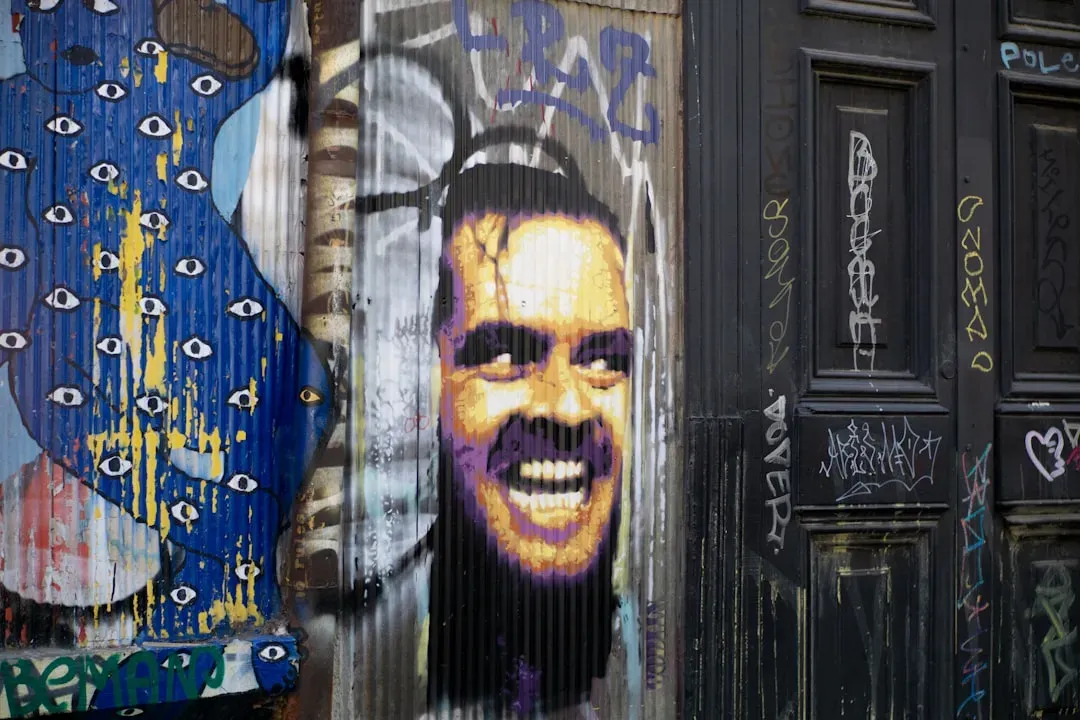
Stanley Kubrick’s adaptation of Stephen King’s novel arrived in theaters in May 1980 to a critical reception that ranged from lukewarm to openly hostile. Variety’s original review accused Kubrick of teaming up with a “jumpy Jack Nicholson” to “destroy all that was so terrifying about Stephen King’s bestseller”. The Hollywood Reporter’s critic at the time complained that the film simply lacked the artistic significance he had hoped for, and other papers piled on with similar complaints about pacing and coherence.
The film’s reputation took a real beating that first year. It went on to earn two Razzie Awards at the very first ceremony in 1981, an award show created specifically to mock bad cinema. Roger Ebert was among the skeptics initially, though he eventually reversed course, inducting the film into his Great Movies series in 2006 and praising its “elusive open-endedness that makes Kubrick’s film so strangely disturbing”. Today The Shining routinely appears on lists of the greatest films ever made, a reversal so complete that it’s easy to forget it once shared company with the era’s cheapest horror fare in critics’ eyes.
3. Vertigo (1958)

Alfred Hitchcock’s psychological thriller starring James Stewart and Kim Novak might be the most dramatic reversal of critical fortune in film history. On release, reviewers zeroed in on what they considered implausible plotting and a sluggish pace, and many denounced Vertigo for not being what they wanted it to be, a typical Hitchcock thriller. Variety’s own review at the time called it “prime though uneven Hitchcock”, a backhanded compliment at best.
The film barely broke even at the box office, an unusual outcome for a director whose name alone typically sold tickets. It sat in relative obscurity for years, partly because Hitchcock withdrew it from circulation along with several other titles during the 1970s. Then came a slow, steady critical rehabilitation that culminated in something almost unthinkable: in the British Film Institute’s 2012 Sight and Sound poll, critics voted it the greatest film of all time, displacing Orson Welles’ Citizen Kane, which had held that spot for fifty years. Few films have traveled a longer distance between their opening night reviews and their eventual reputation. Patterns like these are worth remembering the next time a strange, difficult, or unconventional film gets savaged on release. Critical consensus, even from respected voices, is a snapshot of one moment’s taste and expectations, not a permanent verdict. Blade Runner, The Shining, and Vertigo all needed years, sometimes decades, before audiences and critics caught up to what their directors had actually made.