Every fall and spring, networks and streamers pour staggering sums into pilots hoping to find the next big hit. Most of those episodes never make it past a small room of executives watching quietly in the dark, deciding whether millions of dollars in production value adds up to a series worth ordering.
Some of these dead pilots are quietly filed away. Others become legend, whispered about by fans who caught a leaked copy online or read about them years later in an oral history. Here are eight pilots that burned through serious money and still never found their way to a television screen.
1. Oasis (Amazon, 2017)

Jeffrey Tambor was fresh off his Emmy win for Transparent when Amazon handed him the lead in Oasis, a science fiction drama set on a distant planet. Jeffrey Tambor’s “Oasis,” a science fiction drama set on a distant planet, reportedly cost between $15-20 million for its pilot episode. That kind of budget put it in league with some of the biggest feature films of that year, all for a single hour of television.
Despite the massive investment and strong production values, Amazon decided not to order it to series in 2017, making it one of the most expensive unaired pilots in television history. The timing was rough too, arriving right as Amazon Studios was going through a major leadership shakeup following the departure of executives tied to sexual harassment allegations. Oasis simply got caught in the crossfire of a company rethinking its entire approach to original programming.
2. The Dark Tower (Amazon)

Stephen King’s sprawling Dark Tower saga has tempted studios for years, and Amazon took its own swing at adapting it for television. The project, based on Stephen King’s bestselling series, entered development with a reported pilot budget exceeding $10 million. Given the scale of King’s source material, that price tag isn’t surprising, since bringing his multiverse to life required serious visual effects work.
The project featured elaborate special effects and ambitious world-building that ultimately didn’t translate into a series order. It joined a growing pile of Amazon projects from that era that looked impressive on paper but never cleared the final hurdle. The studio’s pilot strategy at the time involved greenlighting many expensive projects at once, which meant plenty of them were destined to be cut regardless of quality.
3. Global Frequency (WB, 2005)
Based on Warren Ellis’s cult comic book series, Global Frequency had the kind of premise that seemed built for television, a secret network of operatives called into action during global crises. Warner Bros. Television’s “Global Frequency” pilot in 2005 became legendary not just for its $7 million price tag, but for how it reached audiences, featuring elaborate action sequences and a cast including Michelle Forbes. The production values were sharp enough that fans who eventually saw it wondered why it never got a real shot.
When the WB Network passed on the series, someone leaked the pilot online, where it became an early example of viral internet content. That leak turned it into something of a cautionary tale and a cult curiosity at the same time. It’s often cited as one of the earliest cases of a rejected pilot finding a second life purely through word of mouth on the internet.
4. Aquaman (WB, 2006)
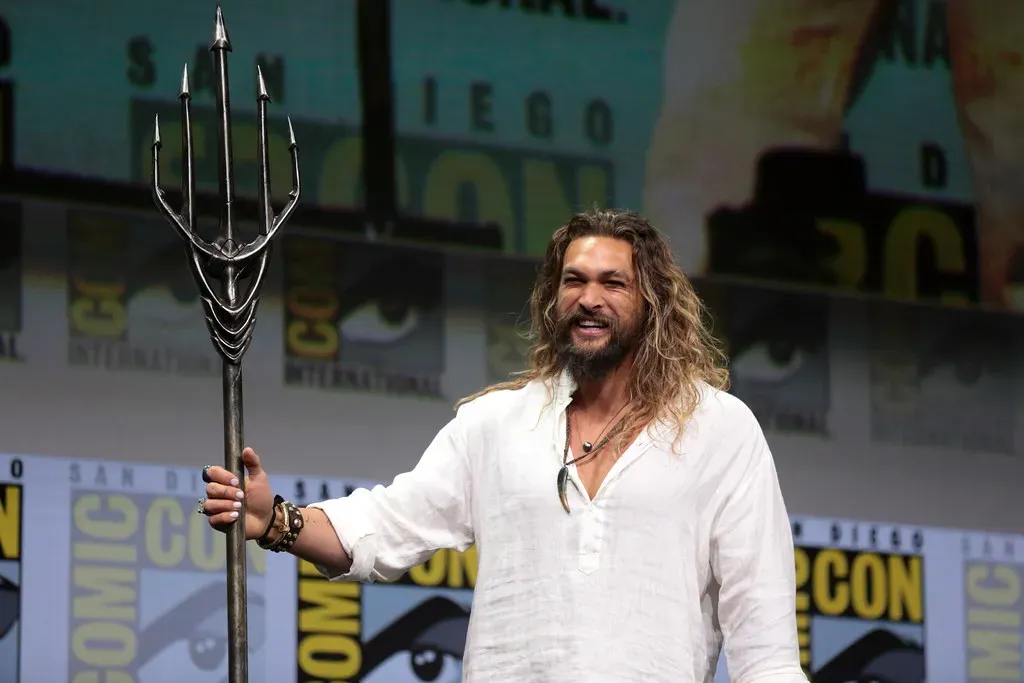
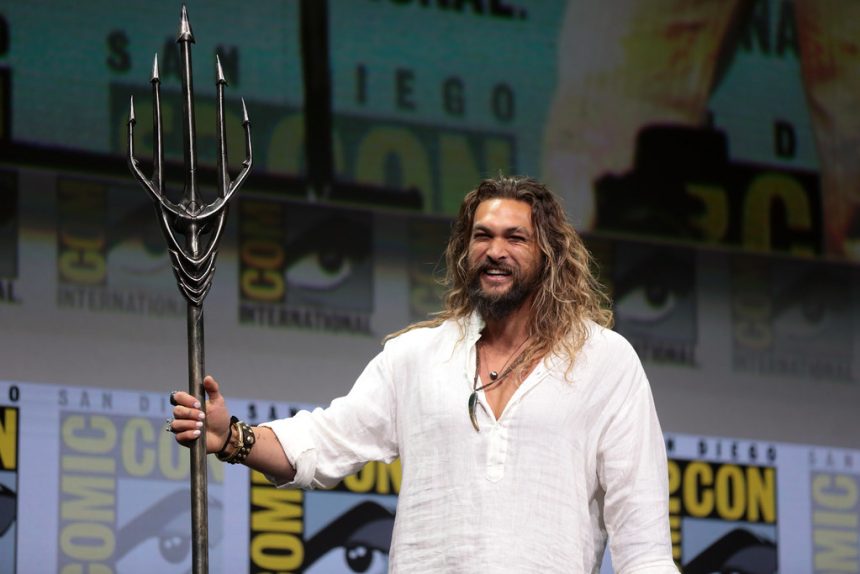
Years before Jason Momoa ever put on the golden trident, The WB tried its own take on the DC hero with a pilot aimed at younger audiences. The “Aquaman” pilot produced by The WB in 2006 cost an estimated $7 million but was rejected despite strong viewer feedback during testing. That detail is what makes the story sting a little, since it wasn’t creative failure that killed it so much as network politics and shifting priorities.
The pilot reportedly tested well with viewers, which usually signals a green light rather than a quiet burial. Instead, it became one of those what-if projects that fans point to whenever superhero shows underperform or overperform expectations years later. Underwater action sequences and ocean-set visual effects don’t come cheap, and none of that spending translated into a single broadcast minute.
5. Camelot (NBC, 2006)
Arthurian legend has tempted networks for decades, and NBC’s 2006 attempt came with real ambition behind it. NBC’s “Camelot” project in 2006 was cancelled before airing despite costing around $9 million for its pilot episode alone. Costume dramas set in medieval settings tend to run expensive fast, between armor, castles, and horses, and this one was no exception.
The size of that budget for a single episode reflects just how seriously the network was betting on sword and sorcery drama finding an audience outside of premium cable. It never got the chance to prove itself to a wider public. Camelot quietly joined the long list of period pieces that networks fund generously and then abandon before a single viewer gets to weigh in.
6. The Lawless (TNT, 2011)
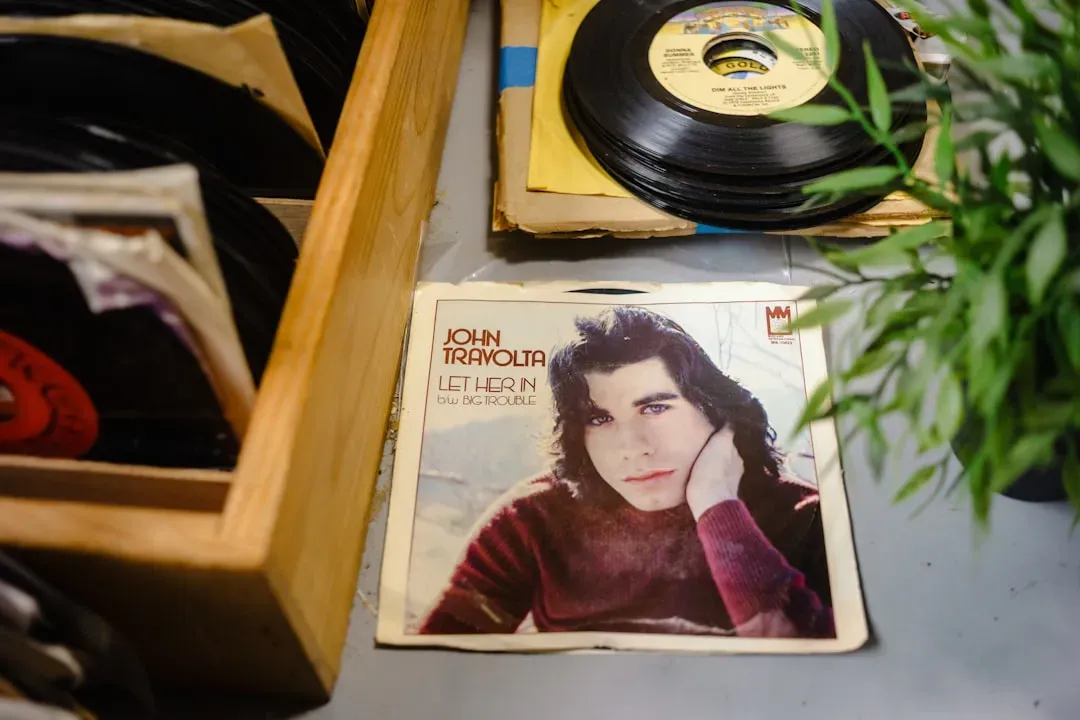
John Travolta rarely ventures into television, which made TNT’s crime drama The Lawless notable before a single frame was shot. John Travolta’s rare television venture in 2011 resulted in an expensive unaired pilot for TNT, a crime drama that cost approximately $7 million, featuring Travolta alongside other established actors. Star power at that level usually signals confidence from a network, so the eventual pass came as a surprise to many in the industry.
Despite the star power and TNT’s investment in the project, the network decided the pilot didn’t justify series production, reflecting broader industry concerns about sustainability even with marquee names. Ongoing production costs for a series built around that kind of budget simply looked too risky to sustain season after season. It’s a reminder that even a recognizable face isn’t enough to guarantee a pickup when the math doesn’t work.
7. Wonder Woman (NBC, 2011)
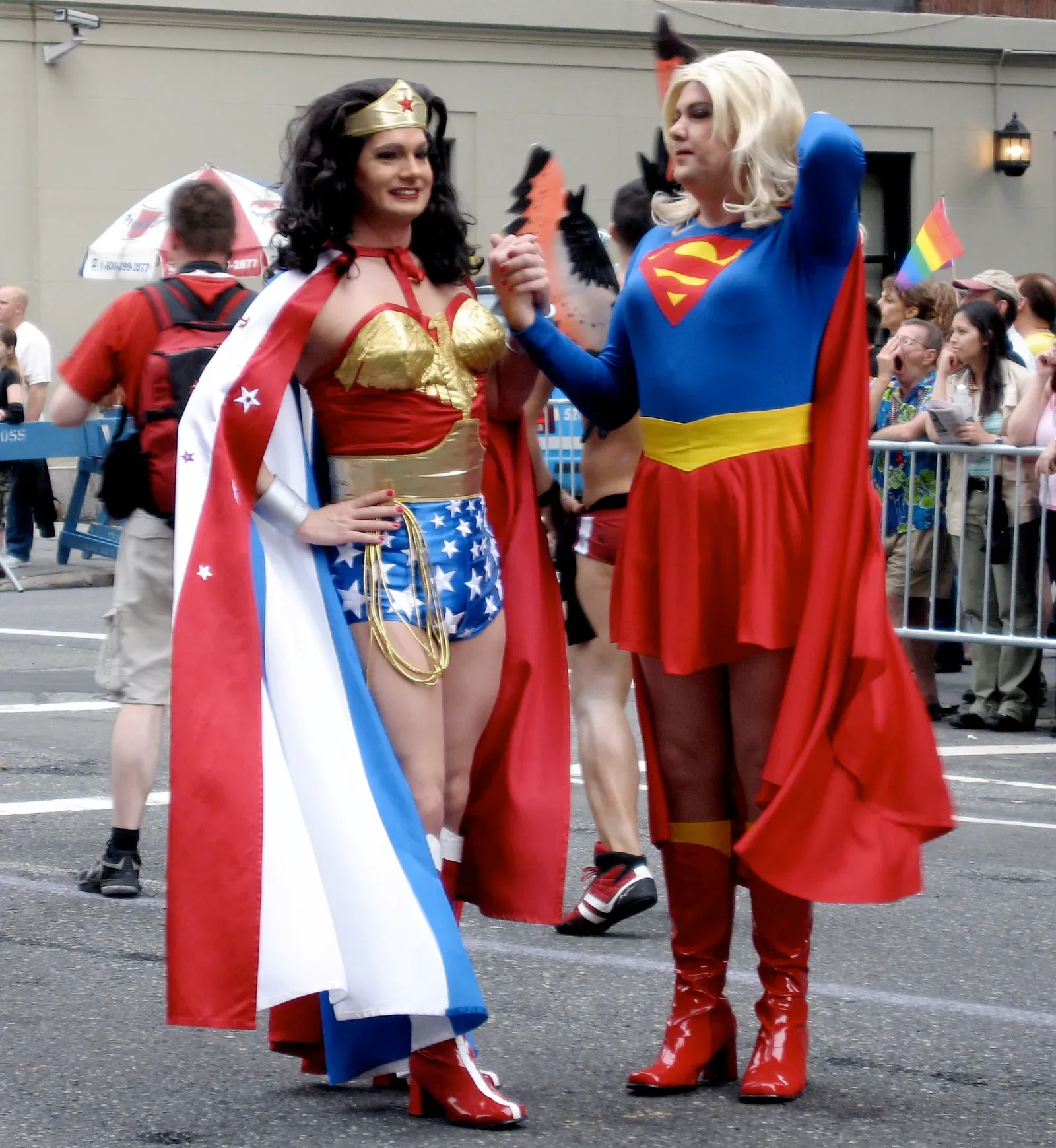
David E. Kelley, the mind behind Ally McBeal and Boston Legal, took on one of the most recognizable superheroes in comics for NBC in 2011. The pilot was produced by Warner Bros. Television and DC Entertainment for NBC, written by Kelley and directed by Jeffrey Reiner, with Adrianne Palicki starring as the main character and Elizabeth Hurley as the main villain. The cast also included Cary Elwes and a then largely unknown Pedro Pascal, giving the project a level of talent that made its shelving all the more notable in hindsight.
The production leaned into elaborate costuming, action choreography, and a distinct visual style that diverged sharply from the comics. The Wonder Woman pilot was expected to debut in 2011, but NBC opted not to buy the series. A workprint eventually circulated online, letting fans judge for themselves what might have been years before Gal Gadot brought the character to the big screen.
8. Mulholland Drive (ABC, 1999)
David Lynch’s Mulholland Drive began life as an entirely different beast, a network pilot meant to launch a mystery series on ABC. In 1999, he got a $7 million green light from Disney owned ABC for a creepy two hour pilot set in Los Angeles, but after seeing the results, it was cancelled. ABC executives reportedly found the finished cut too strange and unresolved for broadcast television, and that was the end of it as a series.
The story doesn’t end in a vault, though, which sets this one apart from most entries on this list. A year later, French producers paid off ABC and gave Lynch an extra $2 million to turn the failed pilot into a feature film, a critically acclaimed and commercially successful masterpiece that earned Lynch his third Oscar nomination for Best Director. What began as a rejected pilot ended up as one of the most celebrated films of its era, proving that a network’s pass isn’t always the final word.
Taken together, these eight pilots show just how much money studios are willing to risk chasing the next hit show, and how often that money simply disappears into a vault. A handful of these projects got a second life through leaks, workprints, or in Lynch’s case, a full theatrical rebirth. Most, though, remain exactly what they were designed not to be: expensive experiments that stayed off the air.