There’s a persistent myth that critics and regular moviegoers basically want the same thing from a film. The Rotten Tomatoes scores for dozens of titles prove otherwise. It goes without saying that film critics and moviegoers often disagree – there are plenty of blockbusters audiences loved while critics were driven to hysterics, and just as many art films that critics adored but casual fans simply didn’t get.
The films below sit firmly in that second category. The phenomenon of critics and audiences drastically disagreeing on film quality has become increasingly common, and Rotten Tomatoes now quantifies these disparities by tracking both critical consensus through the Tomatometer and audience reactions through the Popcornmeter. Each movie on this list earned widespread praise from professional reviewers – some were even called masterpieces – yet when general audiences showed up, disappointment followed.
The Witch (2015) – Where Folk Horror Met Mass Frustration

Robert Eggers’ heavily stylized debut, the 17th-century folk horror The Witch, is an acquired taste. The picture presented Anya Taylor-Joy with her maiden feature breakthrough and details an excommunicated Puritan family haunted by supernatural forces in remote New England. Critics responded with extraordinary enthusiasm, calling it a landmark in atmospheric horror filmmaking.
The Witch holds a 91% on Rotten Tomatoes from critics, while the audience score sits at just 56%. There aren’t jump scares or typical horror movie tropes – rather, it’s an exercise in atmospheric tension and dread. That quality works wonderfully for critics, but it appears largely lost on the mass moviegoing public. Audiences who came expecting conventional genre thrills walked out feeling cheated.
Ad Astra (2019) – A Beautiful Film Nobody Wanted to Sit Through

James Gray’s Ad Astra was widely praised by critics but left general audiences unimpressed. Featuring a minimalist performance by Brad Pitt, it’s an intense sci-fi story in which his character, Roy McBride, heads into space to reconnect with a father he believed died decades ago. Critics embraced its meditative tone and visual beauty almost unanimously.
General viewers were not so impressed – the film holds an audience score of just 47 percent on Rotten Tomatoes, compared to a Certified Fresh score of 83 percent from critics. Ad Astra fell victim to its own hype, with many expecting an epic chronicle of space travel akin to recent sci-fi classics like Gravity, The Martian, and Interstellar. Unfortunately, the film’s slow-moving nature appeared to be its downfall.
Star Wars: The Last Jedi (2017) – A Critical Triumph, a Fan Divide
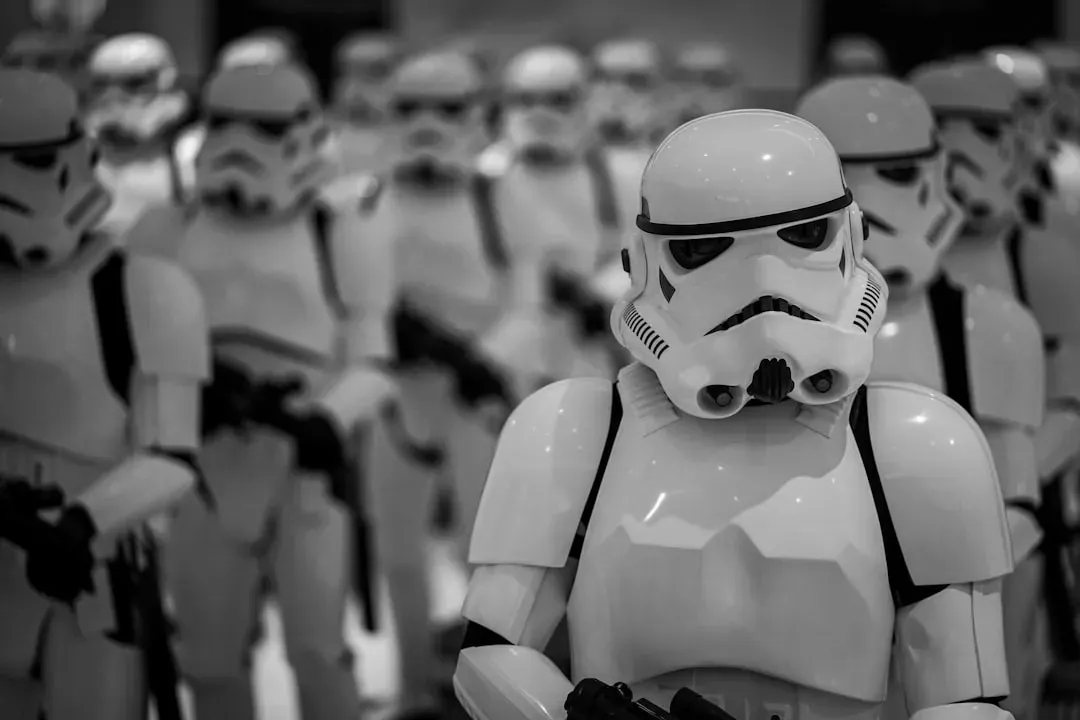
Star Wars: The Last Jedi is one of the biggest films ever to create such a dramatic divide between critics and audiences, scoring 93% with critics versus just 56% with audiences. Director Rian Johnson made deliberate choices to subvert franchise expectations, and professional reviewers celebrated those decisions as bold and artistically mature.
Visually, the film was a masterpiece that wasn’t afraid to do the unexpected – all of which are great ways to catch the attention of critics. For fans, however, it’s completely understandable that the handling of characters like Luke Skywalker would leave viewers at odds, with some dissatisfied with the hero’s grizzled demeanor and lackluster death. Where many movies with low audience scores are consensus disappointments, The Last Jedi is more a result of a starkly divided fandom.
White Noise (2022) – Noah Baumbach’s Ambitious Netflix Misfire

Following his widely acclaimed Marriage Story, Noah Baumbach collaborated with Netflix on the 2022 apocalyptic-style dark comedy White Noise. Despite some calling it the best movie of that year, Netflix viewers gave it a dismal audience score of just 31%. It was the kind of reception that left the film’s devoted critical following genuinely baffled.
Partner offer
The movie is dense, referential, and deliberately uncomfortable – qualities that film writers tend to reward and general audiences tend to endure. After an inexplicable apocalypse wipes out most of the human race in the film, two families are forced into cohabiting and sheltering from the perils beyond their walls. It’s a slow-burn tragedy, and one too depressing, artistic, and prophetic for most audiences.
Uncut Gems (2019) – Adam Sandler’s Masterpiece That Audiences Couldn’t Stomach
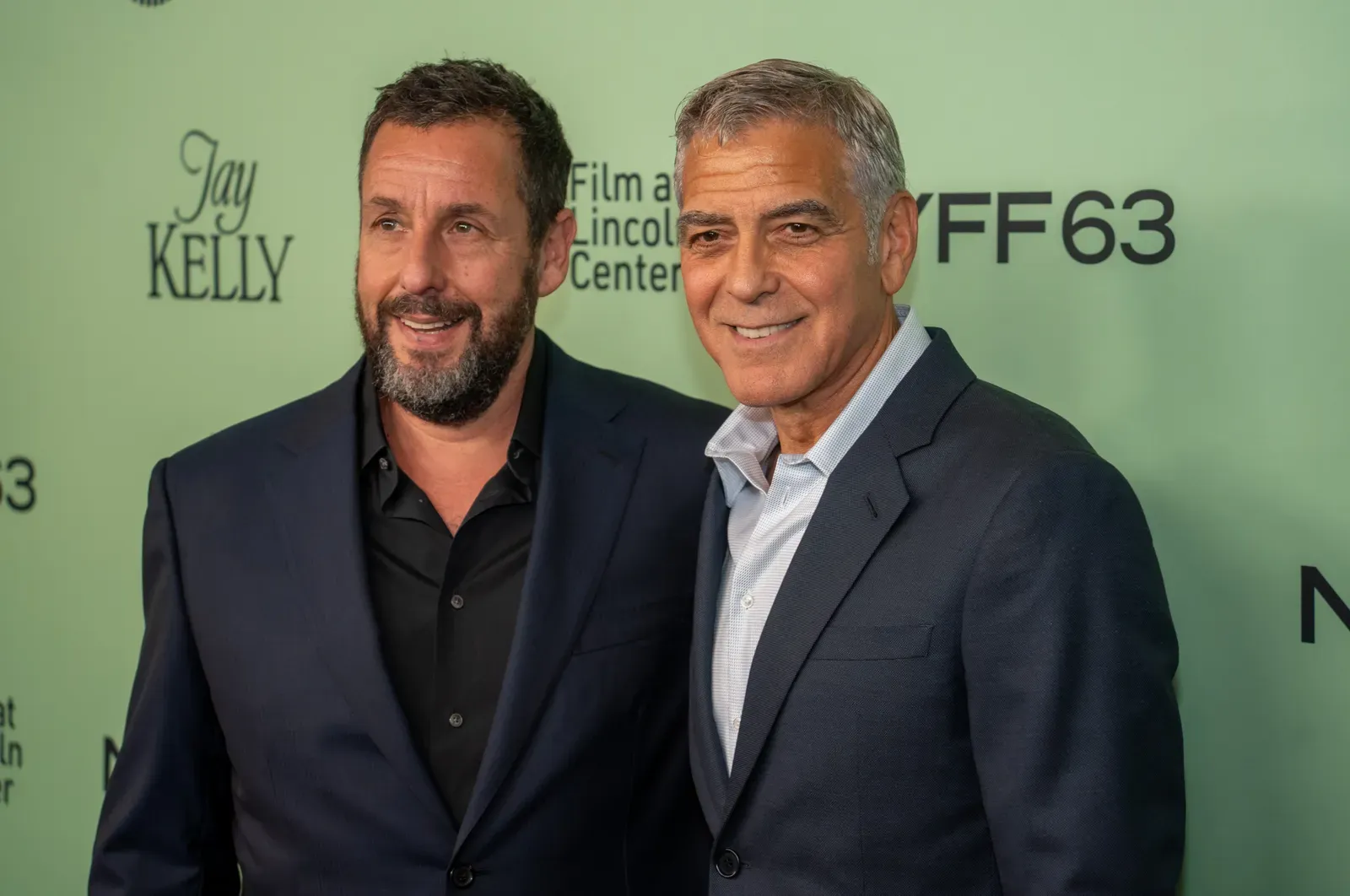
Was it the audience’s disdain for the grotesque Howard Ratner, or was it the anxiety-inducing style employed by the Safdie brothers that delivered an unsettling portrait of capitalist existence? Uncut Gems is an absolute gem of a movie that was adored by critics, and feasibly Adam Sandler’s career-best display. Critics placed it among the best films of its year, and awards observers were stunned when Sandler received no Oscar nomination.
Yet the critical love-a-thon flattered to deceive, with the A24 and Netflix collaboration’s critical success equating to a paltry 52% on Rotten Tomatoes’ audience score. The relentless editing pace, the screaming overlapping dialogue, and the almost unbearable tension proved to be genuinely divisive. Many viewers found the experience more exhausting than exhilarating.
Darren Aronofsky’s Noah (2014) – Too Strange for Its Own Good
Noah stars Russell Crowe as the Biblical figure, a man chosen by God to undertake a momentous mission before an apocalyptic flood cleanses the world. Critics responded relatively well to the film, giving it a 75%, while less-receptive audiences earned it a score of 41%. The gap reflects a genuine mismatch between what critics found daring and what audiences found confusing.
Noah was praised by most critics for its unique approach to the material and willingness to explore complex themes in quasi-surrealistic ways. While critics found the film’s weirdness to be a strength, viewers thought it made the film absurd and confusing, brought down by an annoying sense of self-seriousness. Audiences expecting a straightforward Biblical epic got something far stranger, and many of them resented it.
It Comes at Night (2017) – The Horror Film That Wasn’t (Really) a Horror Film

Director Trey Edward Shults, coming off the critically lauded Krisha, was no doubt disappointed at the apparent snubbing of his psychological horror drama It Comes at Night by the general public. Critics praised its restraint and slow-burn dread, while audiences, misled by marketing that suggested a more conventional horror experience, felt genuinely tricked.
The film was sold as a monster-adjacent survival thriller, but it’s really a chamber drama about grief and paranoia. It was a film that fell victim to misleading marketing. It’s more of a horrifying thriller that centers around interpersonal drama, where grief was the main antagonist of the film, not the monster, which is what the marketing centered on. That mismatch between expectation and delivery is precisely why it wound up on so many audience “worst of” lists despite strong critical scores.
Hail, Caesar! (2016) – The Coen Brothers Film That Lost the Crowd
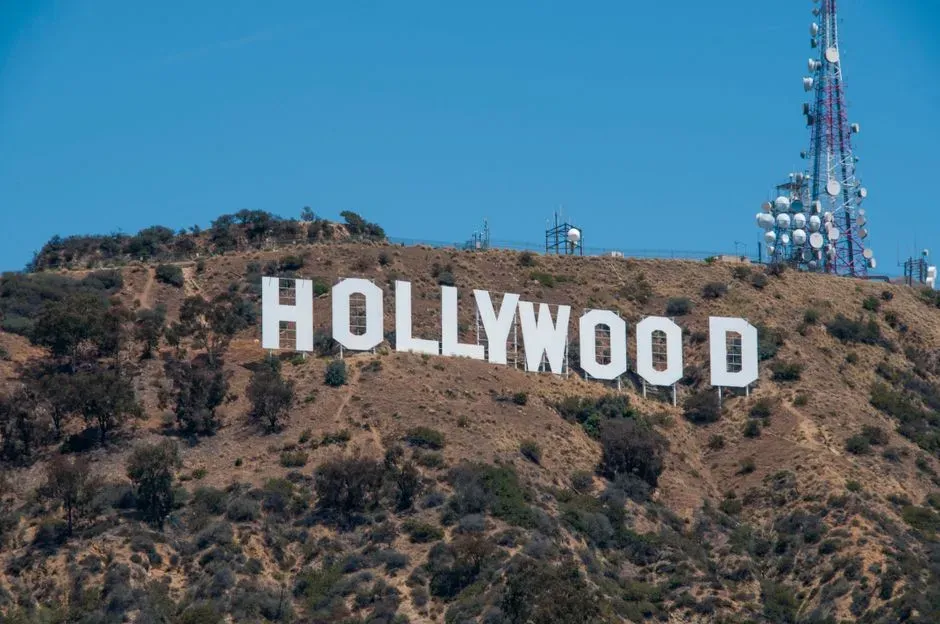
The most divisive movie of the Coen Brothers’ career might be Hail, Caesar! Set in 1950s Hollywood, this quirky comedy follows studio fixer Eddie Mannix as he tries to calm and corral a group of unhappy actors, not to mention a cadre of communist writers who’ve kidnapped the studio’s biggest star. While critics thought the film was divine, audiences wanted to stab Caesar in the back.
The Coens loaded the film with dense in-jokes about Golden Age Hollywood, references that played brilliantly for critics steeped in cinema history. On the opposite end of the spectrum, there are films that audiences genuinely love but critics are far more dismissive of – and in cases like this one, the gap usually comes down to genre, tone, or simply a different idea of what “good” entertainment looks like. For many ordinary viewers, Hail, Caesar! felt like a private joke they hadn’t been let in on.
Partner offer
Planning a trip to Vegas?
Compare hotel rates and show tickets on VEGAS.com.