A director’s name on a poster usually signals ownership. Sometimes it signals the opposite. Over the decades, a handful of filmmakers have stepped away from their own movies in public, and some did it loudly.
The reasons vary. Studio interference, recut footage, rushed schedules and lost creative control come up again and again. Here are four well documented cases.
Alien 3 (1992), David Fincher
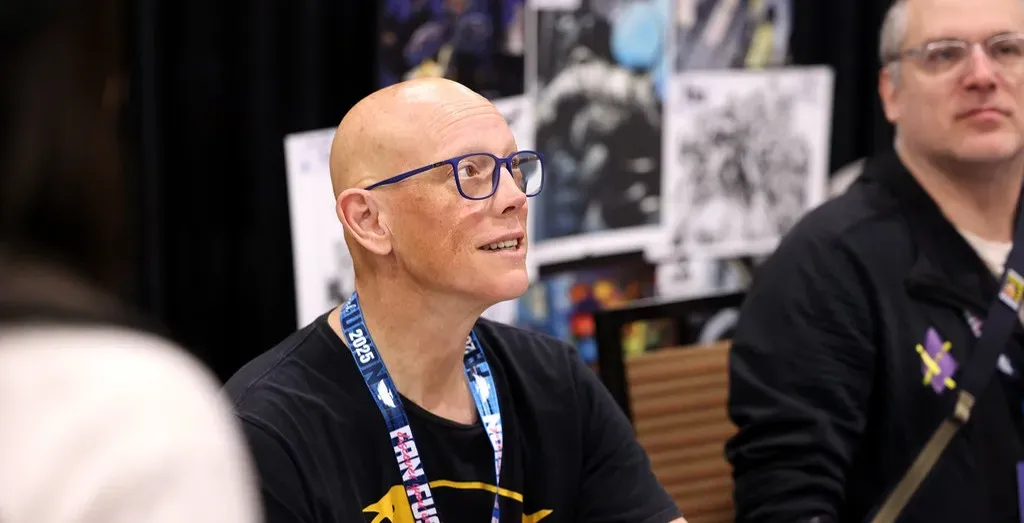
David Fincher was a young music video and commercial director when he took on the third Alien film, his first feature. Production began before the script was settled, and the studio kept pushing decisions in directions he didn’t want. The finished theatrical cut was not the film he had set out to make.
Fincher has distanced himself from it in the years since, and he has been openly dismissive of the experience. A longer Assembly Cut arrived in 2003 on a home video collection, though he did not take part in preparing it. His later career, marked by tight control over his own productions, is often read against this early bruise.
Dune (1984), David Lynch
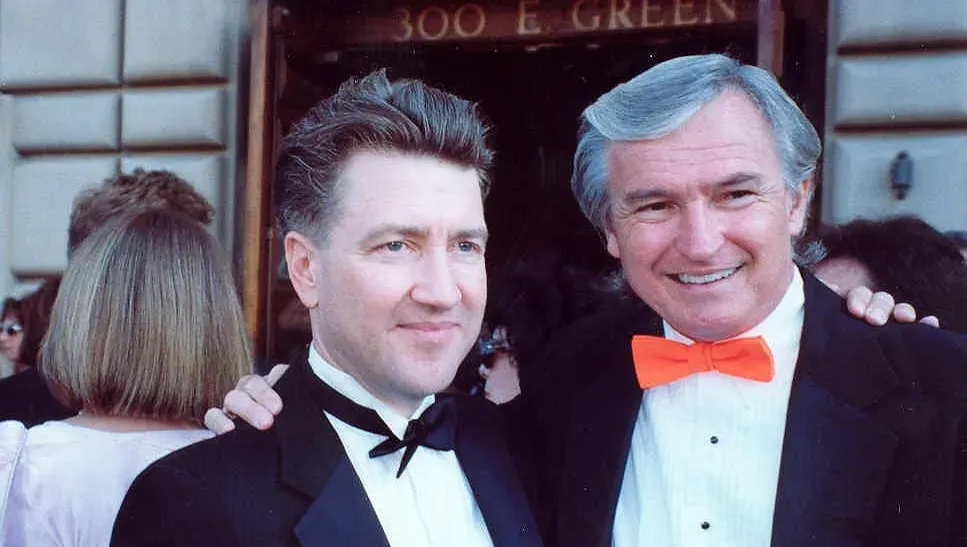
David Lynch adapted Frank Herbert’s novel for producer Dino De Laurentiis, and he did not have final cut. The theatrical release was trimmed heavily, and critics at the time found the story hard to follow. Lynch has said in interviews that the film did not turn out as he wanted, and that he compromised too much.
Partner offer
A longer version later aired on television with extra material assembled without his approval. Lynch had his name removed from it, and the credits used the pseudonyms Alan Smithee and Judas Booth. After Dune, he made a point of securing final cut on his next projects, starting with Blue Velvet in 1986.
American History X (1998), Tony Kaye
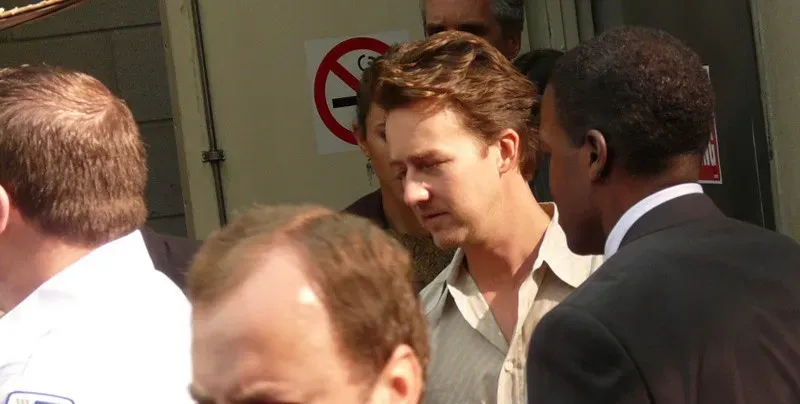
Tony Kaye directed this drama about a former neo-Nazi, but the version audiences saw was shaped after a bitter dispute with the studio and star Edward Norton. Kaye’s own cut was reportedly rejected, and Norton was involved in further editing. Kaye was unhappy with the result and pushed to have his name taken off the film.
He asked to use the pseudonym Humpty Dumpty, but the Directors Guild of America refused the request. He then ran a public campaign against the studio, including trade paper advertisements, and reportedly filed a lawsuit against New Line. The film went on to earn an Oscar nomination for Norton, which makes the director’s rejection of it even more striking.
Fantastic Four (2015), Josh Trank
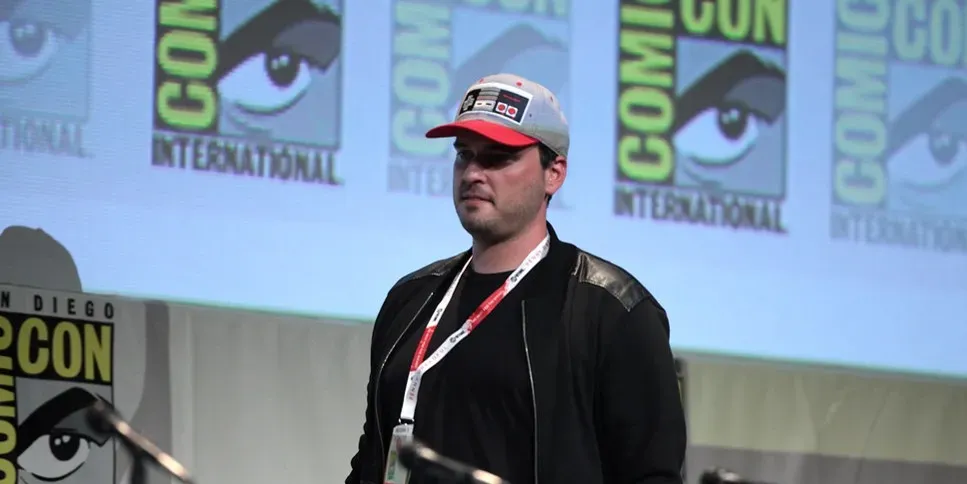
Josh Trank came off the small budget hit Chronicle and was handed a reboot of Marvel’s first family at Fox. The production was widely reported as troubled, with tension between the director and the studio and with reshoots late in the process. The film opened to poor reviews and disappointing box office.
The day before release, Trank posted on social media that a better version of the film had existed, then deleted the message. He has since spoken about the experience as a difficult one, and the movie is still cited as a cautionary tale about young directors on franchise projects. Fox’s rights to the characters later returned to Marvel through Disney’s acquisition of the studio.
Partner offer
Planning a trip to Vegas?
Compare hotel rates and show tickets on VEGAS.com.