Ask a room of twenty-year-olds which classics they’d happily leave on the shelf, and the answers come fast. Length, dense language and a sense that the book belongs to a different world tend to come up first. Yet the picture is less bleak than the stereotype suggests. A 2024 survey of Gen Z and millennials found that 61% had read a print book, e-book or audiobook in the past 12 months.
One caveat before we start. I couldn’t find a single large survey that ranks the classics Gen Z would skip, so this list isn’t a poll result. It collects titles that young readers keep naming as intimidating, along with the reasons that come up again and again.
Moby Dick by Herman Melville

Melville’s 1851 whale hunt is the classic shorthand for a book people admire without opening. It runs to well over a hundred short chapters, and many of them pause the story for lectures on whaling, ships and rope. A reader hoping for a sea adventure can wait a long time between actual whales.
For a generation raised on fast feeds, that pacing is a hard sell. Still, the book rewards patience, and the digressions are part of what Melville was doing. Many readers just don’t want to wait for the payoff.
Ulysses by James Joyce

Joyce’s 1922 novel follows one ordinary day in Dublin, June 16, 1904. Reading it means tackling shifting styles, stream of consciousness and constant references to Homer and Irish life. Even confident readers often keep a companion guide close by.
That makes it a natural skip for anyone reading for relaxation. It asks for study more than enjoyment, at least on a first pass. Many young readers say they’d rather save that effort for a class than choose it on their own.
Anna Karenina by Leo Tolstoy
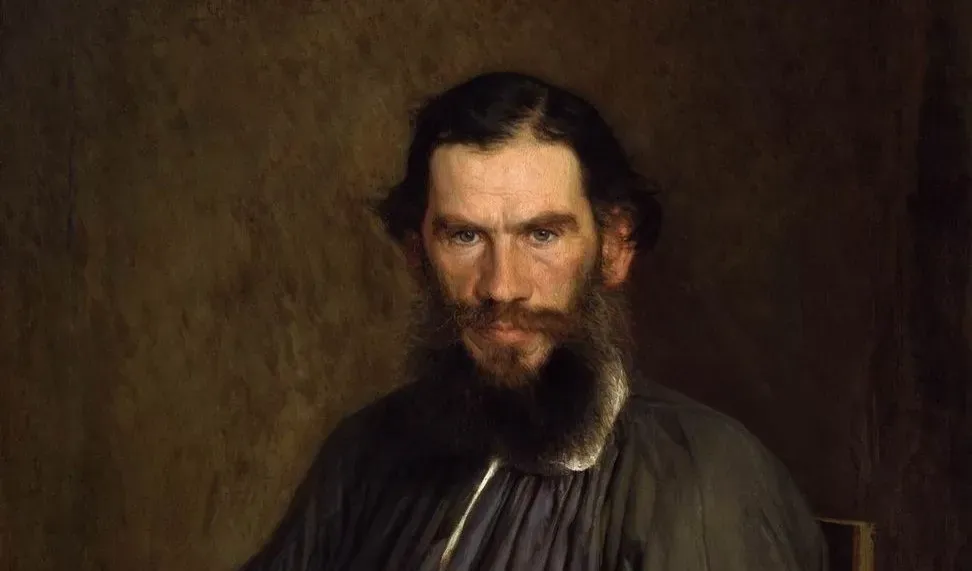
Tolstoy’s novel appeared in installments between 1875 and 1877 and is still praised as one of the great realist works. Its size is the first hurdle, since many editions pass eight hundred pages. The second is the cast, with Russian names that shift between formal and familiar versions.
Readers often say they can’t keep the characters straight early on. The emotional core, a marriage, an affair and the price of both, is surprisingly modern. Getting to it just takes more stamina than a lot of casual readers want to spend.
Les Misérables by Victor Hugo

Many people know the story from the stage musical or the films, which is part of the problem. Hugo’s 1862 novel is enormous and stops regularly for long essays on Waterloo, the Paris sewers and convent life. Readers who come for Jean Valjean’s story can feel buried in background.
Partner offer
Because the plot is so familiar, some feel they’ve already read it. Abridged editions are common for this reason. That tells you something about how many readers approach the full text.
Wuthering Heights by Emily Brontë
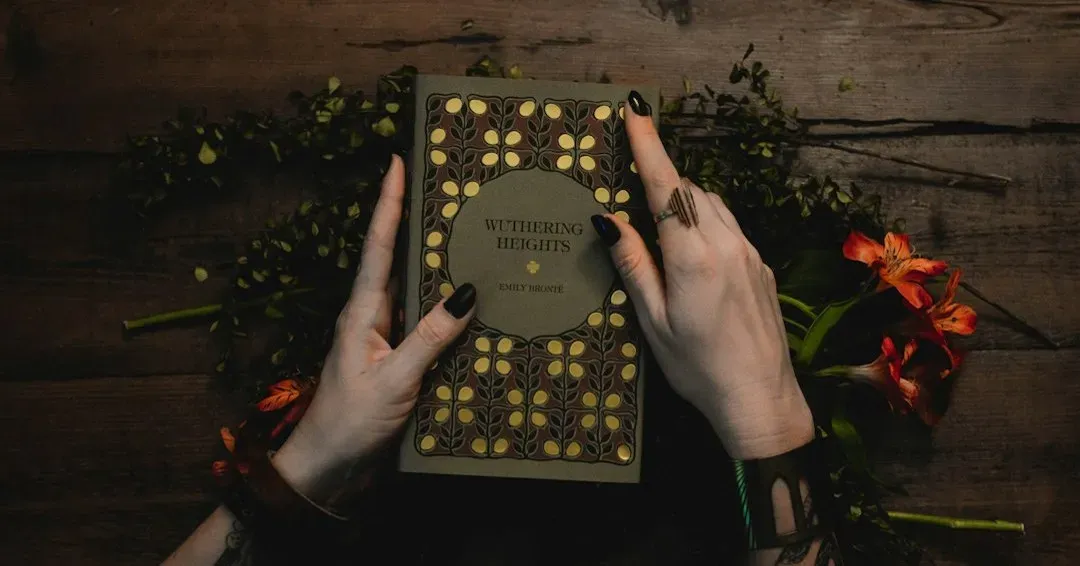
This one is more complicated, because it’s both avoided and suddenly popular. Brontë’s 1847 novel has a layered narration and characters who are hard to like. Some readers find the two generations of families and the repeated names confusing.
Interest has also surged. After Emerald Fennell’s adaptation was announced, more people picked up the book, and Penguin UK reported a 469% rise in sales over a year. So the skip pile isn’t fixed, and a film can move a title off it.
The Catcher in the Rye by J.D. Salinger
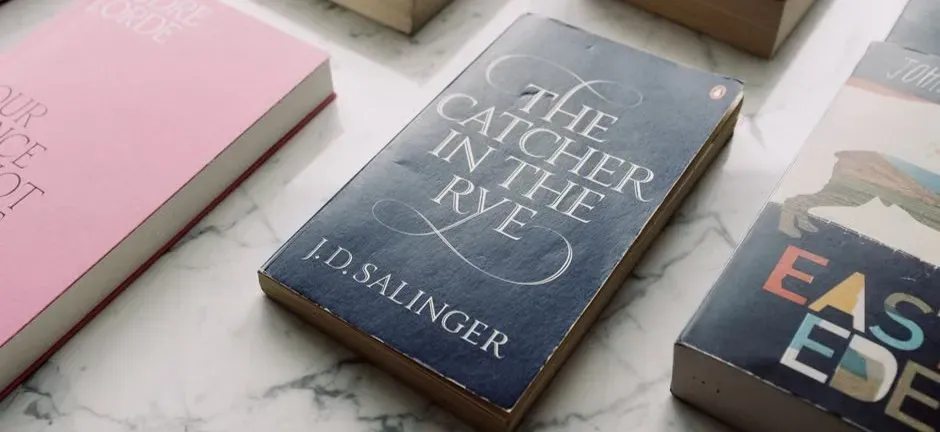
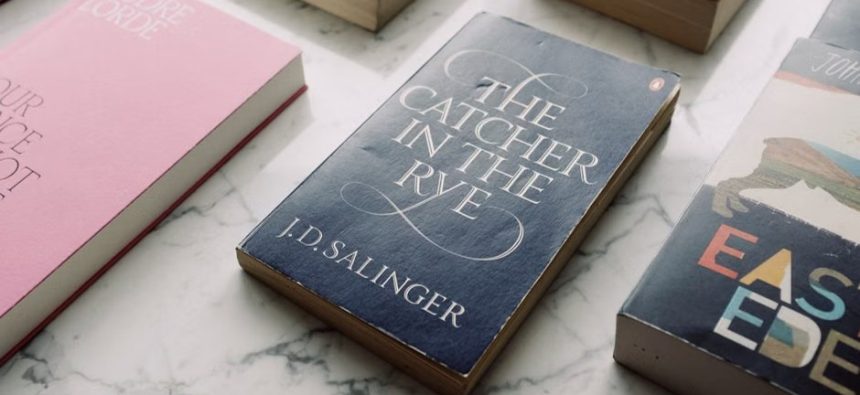
Salinger’s 1951 novel was once the standard teenage rebel book. For many current students, Holden Caulfield’s complaints about phonies read as dated or self-absorbed. His world of prep schools and mid century New York also feels far from their own.
That distance is a common reason for skipping it. Younger readers tend to favor stories with a clearer plot or stronger genre pull. Fantasy novels are a favorite among Gen Z readers, and a book made mostly of one boy’s wandering thoughts competes poorly against them.
Don Quixote by Miguel de Cervantes

Cervantes published the first part in 1605 and the second in 1615, which makes it the oldest book on this list by a wide margin. It’s often called the first modern novel, but that reputation doesn’t make it easy. The humor depends on knowing the chivalric romances it mocks, and the episodes can feel repetitive.
Translation choice matters a great deal, and a stiff version can drain the comedy. Readers who never reach the funniest passages come away thinking it’s a chore. That’s probably why it sits near the top of many people’s intended reading but rarely gets finished.
Final Thoughts

The common thread across these seven books is effort, not irrelevance. Length, density and unfamiliar references keep readers away more than the themes do. Where a reason to read arrives, whether a film, a friend or a social media trend, even a book once avoided can find new readers.
Partner offer
Planning a trip to Vegas?
Compare hotel rates and show tickets on VEGAS.com.