Studio perfectionism is a real thing, and plenty of classic records were built from dozens of takes and layers of overdubs. Some of the most memorable performances went the other way. They were captured once, flaws and all, and then left alone.
A “” can mean different things. Sometimes the whole band played a song straight through. Other times only the lead vocal was nailed on the first try. This list notes which is which, so each claim stays honest.
Twist and Shout, The Beatles
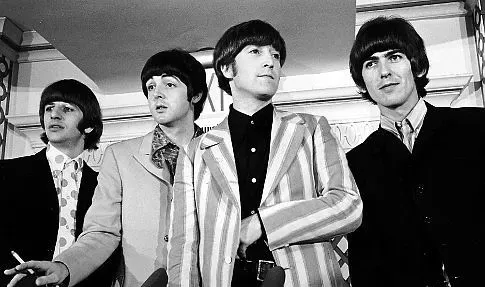
The Beatles were usually meticulous in the studio, which makes this one stand out. The lead vocal by John Lennon on “Twist and Shout” was recorded in one take. It closed the sessions for their debut album, Please Please Me, which was finished in a single long day.
Lennon’s voice was clearly worn out by that point. A second take was attempted, but producer George Martin went with the first. American Songwriter calls it possibly the most famous in rock history. The rawness is exactly why it still lands.
The House of the Rising Sun, The Animals
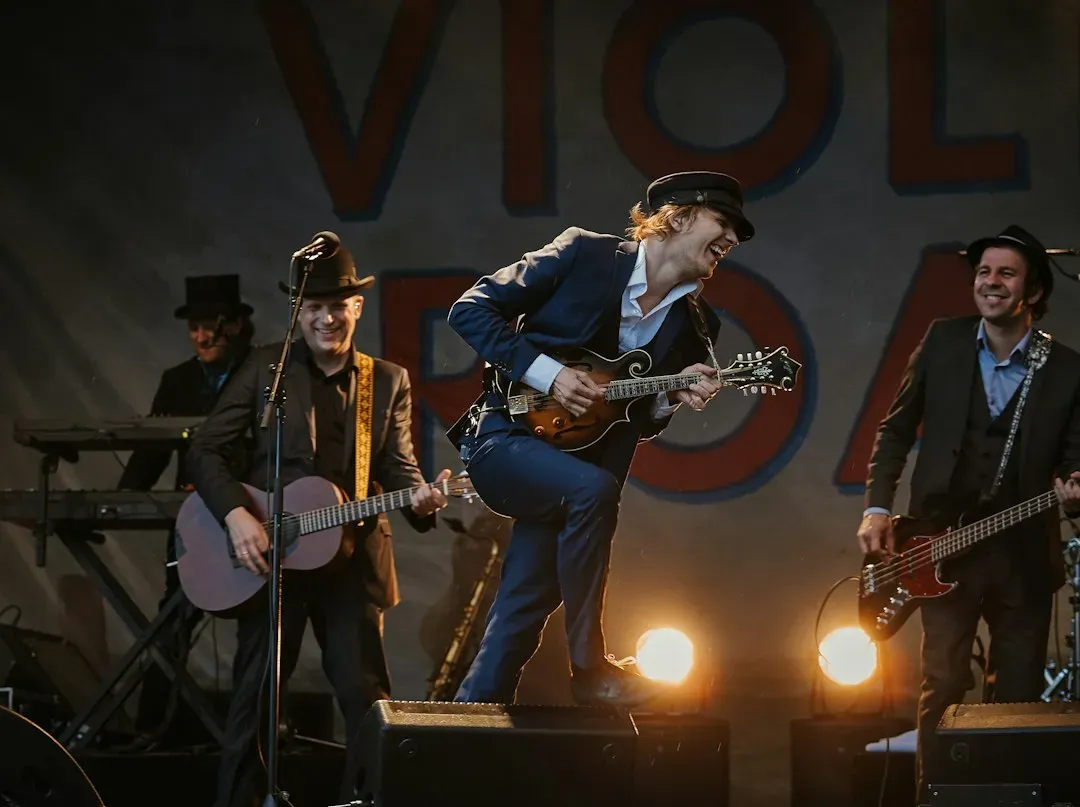
The Animals had worked this traditional folk song into their live set, and that familiarity paid off. The session took about 15 minutes, because the band had played it so often on tour that they laid it down in one take. Ultimate Classic Rock places the one-take recording at a May 1964 session.
The payoff was huge. The record became a No. 1 hit in both the UK and the US. It’s a good reminder that a well-rehearsed band can capture something a studio might spend hours chasing.
Crazy, Patsy Cline

Willie Nelson wrote “Crazy,” but Patsy Cline made it hers. She sang it in her own vocal style rather than Nelson’s, and nailed the vocal recording on the first take. The song appeared on her 1961 album Showcase.
Note the scope here. The claim is about the vocal performance, not a whole-band live capture. Even so, getting that smooth, emotionally controlled delivery in one pass is remarkable, and it became one of country music’s defining recordings.
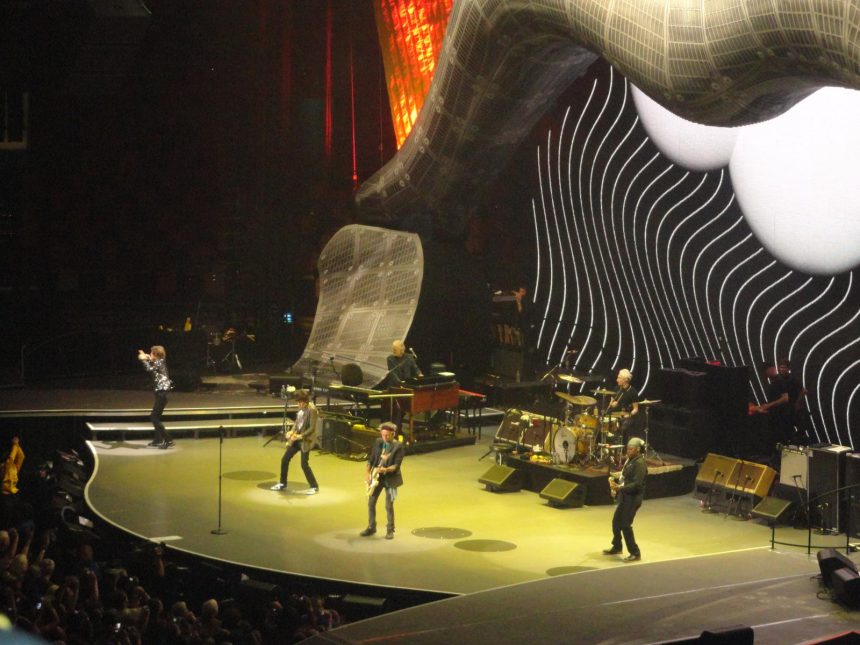
Can’t You Hear Me Knocking, The Rolling Stones
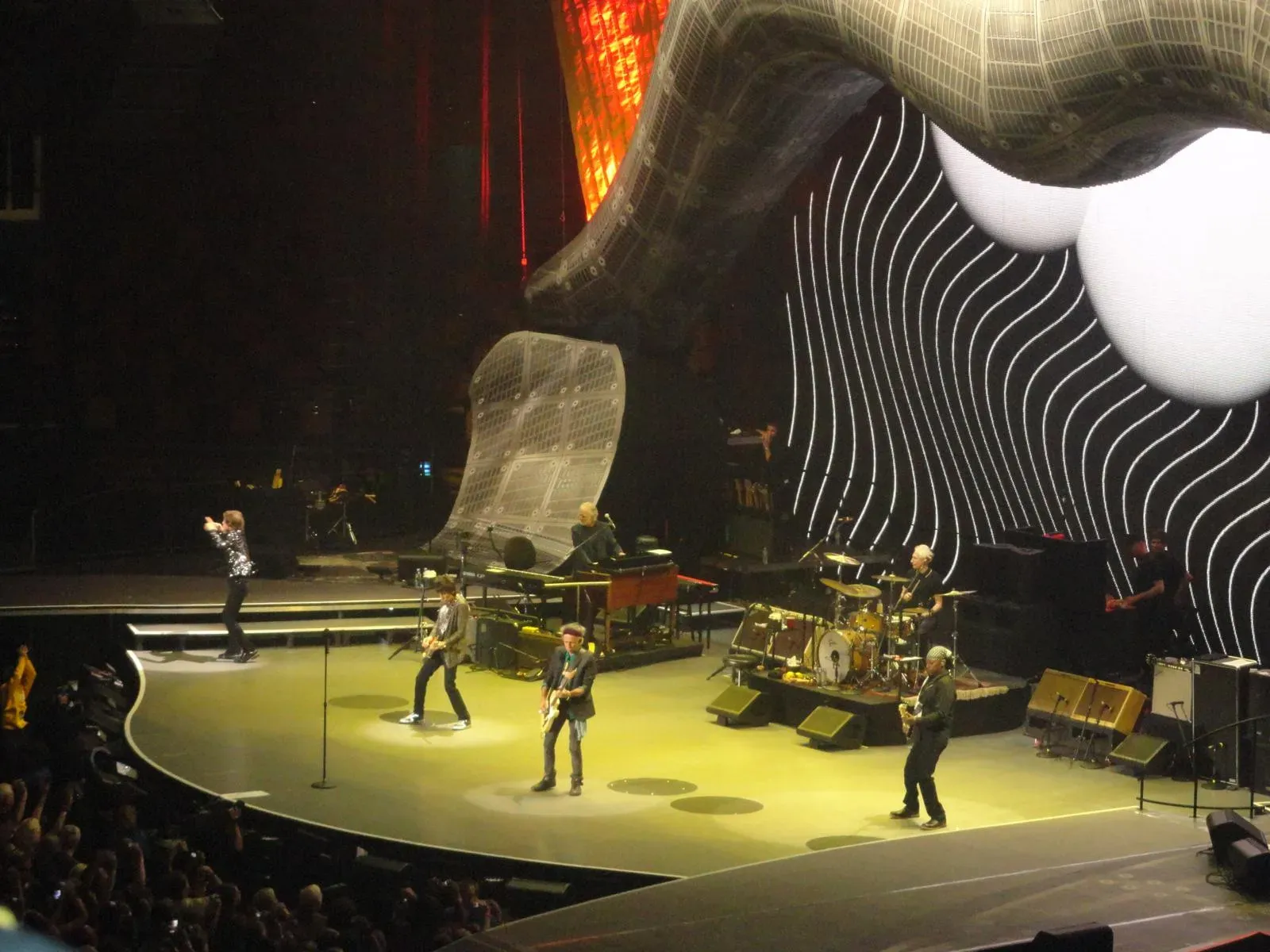
This Sticky Fingers track is two songs in one. It runs over seven minutes, opening with a Keith Richards intro, and the main song lasts two minutes and 43 seconds before turning into an extended improvised jam.
The jam, according to one account, was a happy accident. The entire track was reportedly captured in one take, and the band had assumed the tape machine was stopped, so they were surprised to find the whole session recorded. That’s a story worth treating as band lore, but it fits the loose, live feel you hear on the record.
Partner offer
Rapper’s Delight, The Sugarhill Gang
Hip-hop’s first big crossover hit came together under tight financial limits. There was no money for a second take, so it had to be done first time. That pressure shaped a performance that still sounds relaxed and playful.
Its impact went far beyond the studio. It was the first rap record to break through into white radio around the world, and it showed the music business the commercial possibility of rap. Not bad for a session with no room for retakes.
Over the Rainbow, Israel Kamakawiwo’ole
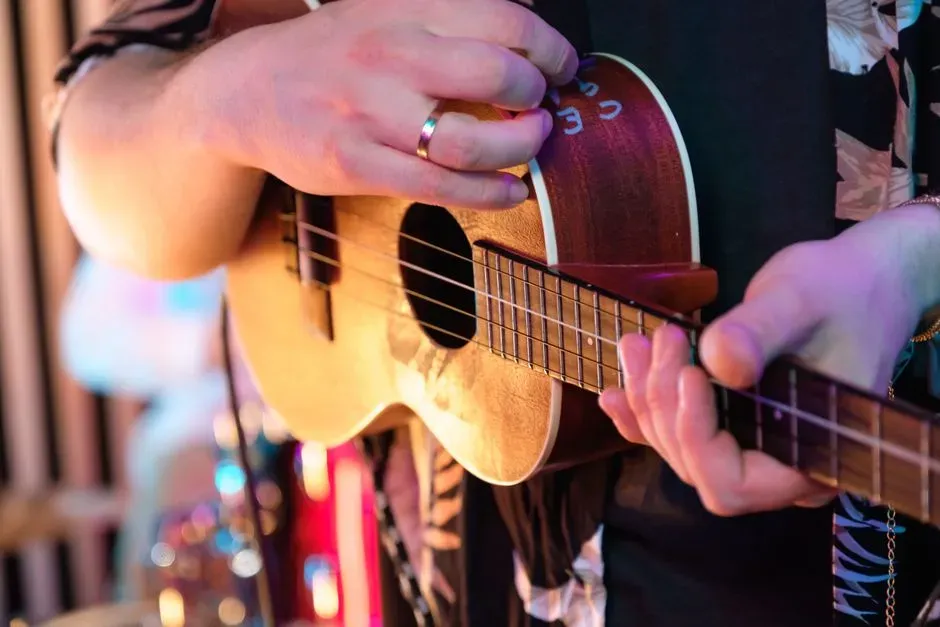
This ukulele medley is one of the most beloved recordings to come from Hawaii. The engineer’s account is wonderfully simple. He set up microphones, did a quick sound check, and rolled tape. The first song Kamakawiwo’ole performed was “Somewhere Over the Rainbow.”
The engineer recalled that he played and sang it in one take, and then it was over. There’s no studio trickery in the story, just one musician and one honest performance. That intimacy is a big part of why the recording still resonates.
Losing My Religion, R.E.M.

R.E.M.’s biggest hit arrived quickly. The song was written and recorded swiftly, with Michael Stipe doing just one take of the vocal. Guitarist Peter Buck has said the music was written in five minutes.
Buck also described how the song came together with little struggle. The first time the band played it, it fell into place perfectly. Once again, the one-take claim applies to the vocal, which is still a striking detail for such a polished-sounding record.
Bodysnatchers, Radiohead
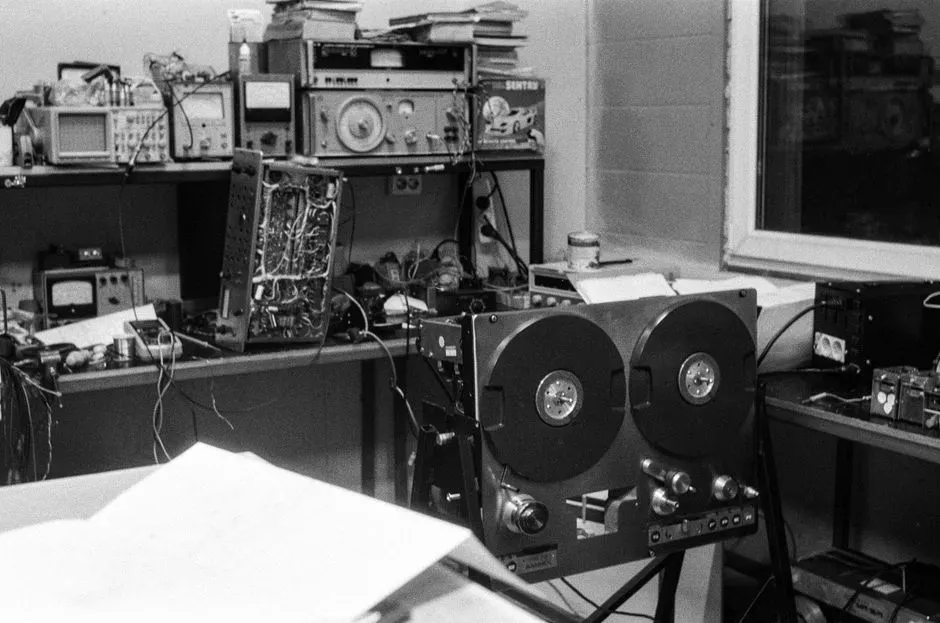
Radiohead’s In Rainbows era was recorded partly in a remote setting. In October 2006, the band stayed three weeks in a condemned mansion in the English countryside, and it was there that they recorded “Bodysnatchers.”
Thom Yorke wasn’t at full strength. He was sick at the time and sang it exactly once, telling NME in 2007 that the vocal was one take and untouched afterward. The ragged urgency of the performance suits the song perfectly.
Across these eight songs, the pattern is clear. Some were full band performances, others were single vocal takes, and a few came about because of time or money pressure. What they share is a sense of immediacy that’s hard to fake. Sometimes the first try, imperfections included, is the one that sticks.
Partner offer
Planning a trip to Vegas?
Compare hotel rates and show tickets on VEGAS.com.