Reality television has always promised the unpredictable. Cameras roll, people forget they’re being watched, and sometimes something happens that no writer’s room could have dreamed up. These are the moments that producers replay in meetings, that fans debate for years, and that quietly rewrite the rules for everyone who comes after. Not all of them are flattering. Some are raw, a few are genuinely uncomfortable to revisit, and at least one is so strangely moving that it still stops people cold. What they share is the quality that reality TV has always chased but rarely caught: the feeling that you’re watching something absolutely real.
1. Sue Hawk’s “Snakes and Rats” Speech – Survivor (2000)
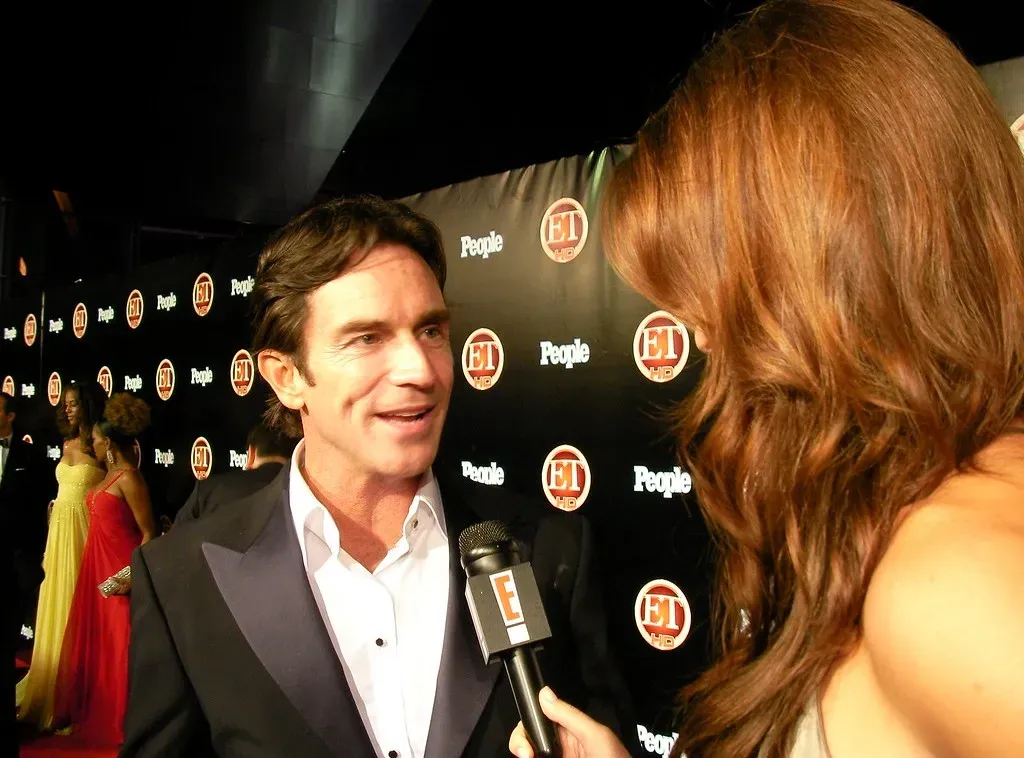
When the finalists of Survivor’s very first season sat side by side to face the people they’d voted out, Sue Hawk gave a speech that would forever live in the annals of Survivor and television history. Known as the infamous “snakes and rats” speech, she called Richard Hatch a “snake” and Kelly Wiglesworth a “rat.” It came after Kelly changed her vote at the Final 4, sending an enraged and betrayed Sue to the jury.
The finale was watched by more than 50 million viewers. Social media hadn’t yet taken over everyday life, but Sue’s speech became the epitome of watercooler television at a time when Survivor was headlined or on the cover of nearly every major entertainment publication. The speech is arguably the single most memorable Survivor moment ever. It was the most memorable moment on the most watched episode in the show’s history, and it remains to this day a template for the ending speech at Final Tribal Council.
The concept of a jury’s speeches truly mattering at all starts with Sue, who tapped into a very real emotion and gave audiences a show at the end of the very first Final Tribal Council. Viewers saw a level of anger, bitterness, and hurt that they hadn’t realized the game could produce. It revealed that the people playing Survivor were not just playing a game but were investing real emotion into the experience. Even more notable was the string of copycat series Survivor sparked, which caused an explosion for the genre as other networks raced to find their own success stories. The Mole, Boot Camp, Fear Factor, The Amazing Race, The Bachelor, and America’s Next Top Model all rose from the ashes of Survivor’s snuffed torches.
2. Teresa Giudice’s Table Flip – The Real Housewives of New Jersey (2009)

In just the first season of The Real Housewives of New Jersey, Teresa Giudice made a standout appearance, but it was the iconic season finale that would cement her as a franchise all-star. The episode titled “The Last Supper” featured the cast having dinner at a restaurant when things took a heated turn between Giudice and castmate Danielle Staub. At the table, when Staub brought up a book about her past, Teresa’s anger reached a boiling point as she stood up and slammed her hands on the table. This led to Teresa flipping the table between the two and coining a unique term in the Housewives vernacular by calling Staub a “prostitution whore.”
The table-flip moment changed not only the course of Giudice’s career as a reality star, but also the trajectory of The Real Housewives of New Jersey, all the Housewives spin-offs, and even reality TV more broadly. At that point in the franchise, with only the Orange County, New York, and Atlanta shows up and running, there had never been a truly memorable, standout moment of drama from a Housewives season.
The way Giudice’s outburst thrust her into the reality TV spotlight immediately took on an aspirational glimmer for fellow Housewives cast members and other reality TV contenders seeking fame. The most direct example of her impact may be the belligerent persona constructed by The Real Housewives of Salt Lake City star Jen Shah, who, after a fight at a luncheon table, tweeted that “Teresa walked, so I could run.” Even outside the Bravo universe, Giudice’s outburst infiltrated pop culture, with 30 Rock parodying the incident in 2011.
Partner offer
3. Susan Boyle’s Audition – Britain’s Got Talent (2009)
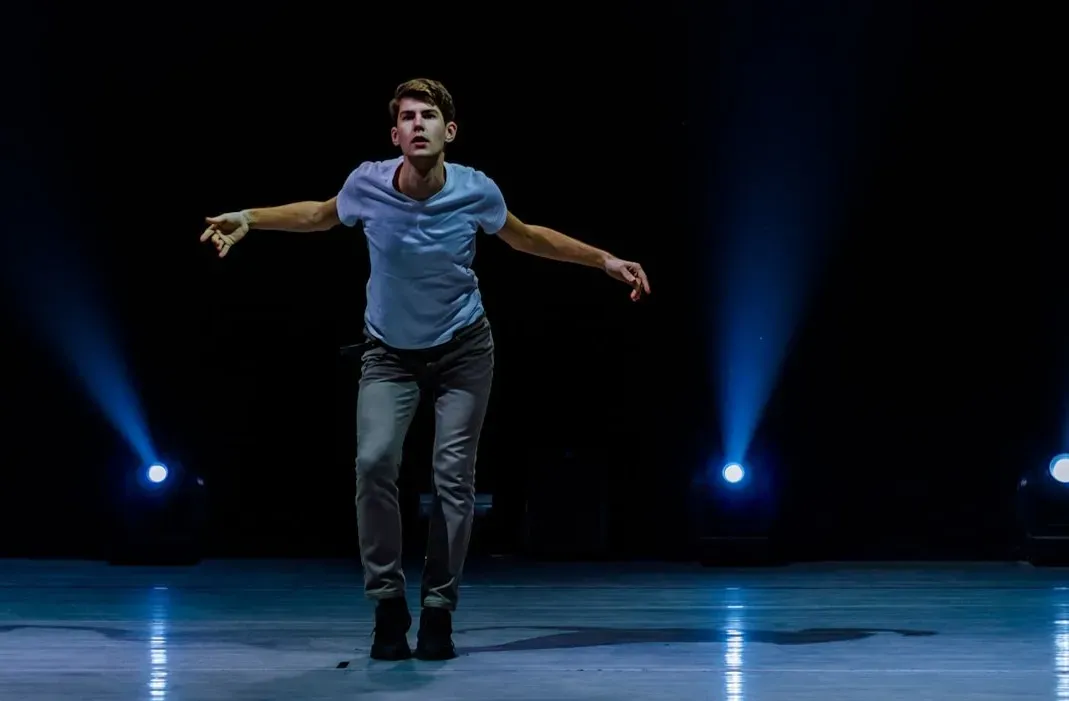
In the history of reality TV talent competition shows, there are few auditions that were as unforgettable as Susan Boyle’s on Britain’s Got Talent. Susan, who appeared awkward and frumpy, wasn’t taken seriously until she opened her mouth and her voice came out. The studio audience, visible skepticism written on their faces, shifted to silence and then to tears within seconds. It was the kind of moment that no casting director could have scripted.
The clip spread across the internet at a speed that was remarkable even by 2009 standards, racking up tens of millions of views within days of airing and becoming one of the earliest true viral television events in the YouTube era. By framing moments like these as turning points rather than just entertainment, observers highlighted how reality TV thrives on real-time conversation and appointment viewing. Those spikes of collective attention have become crucial for broadcasters trying to keep audiences from drifting entirely to on-demand streaming.
Boyle’s audition fundamentally changed how talent shows were produced and cast. Producers across the industry recognized that the contrast between a contestant’s appearance and their talent could generate enormous emotional impact and massive online reach. The audition format, with its built-in reveal structure, was adopted and amplified by shows worldwide, and the clip itself remains one of the most-watched reality TV moments in internet history.
4. The Big Brother “Cookout” Alliance – Big Brother Season 23 (2021)

The Cookout alliance on Big Brother changed the history and future of the show forever. The six-person alliance, made up of Azah Awasum, Hannah Chaddha, Derek Frazier, Tiffany Mitchell, Xavier Prather, and Kyland Young, set out with the specific goal of making the season the first to have a Black winner. What made it extraordinary wasn’t just the strategy. It was the depth of the shared purpose behind it and the fact that it worked completely without the show’s production scripting or engineering a single element of it.
Though Prather ultimately won, in a sense they all did. They defied the odds against casual viewers who were toxic and racist, while winning over superfans and stans across the fandom. The alliance dominated the game from top to bottom, a level of coordinated control that the show had rarely seen in more than two decades on air. By treating moments like these as cultural milestones rather than guilty pleasures, critics acknowledged how reality TV has shaped binge culture, social media fandom, and even the language people use in everyday life.
The Cookout sparked conversations far beyond the Big Brother fanbase, drawing coverage from mainstream news outlets and culture writers who rarely touched the show. CBS and the production team were confronted with questions about the show’s history of diversity both in casting and in outcomes. Season 23 was the first time a Black contestant had ever won in the show’s American run, which spans more than two decades. That fact, finally broken by an unscripted coalition of six players with a shared mission, forced the industry to take a long, uncomfortable look at how its casting and format choices had shaped results for years.
Reality TV keeps producing moments that no one planned for. The best ones tend to share a common thread: they expose something true about people under pressure, whether that’s fury, fear, unexpected talent, or solidarity. Those moments don’t just make for good television. They shift what audiences expect, what producers pursue, and sometimes what the culture itself has to reckon with.Partner offer
Planning a trip to Vegas?
Compare hotel rates and show tickets on VEGAS.com.