Hollywood has always had a complicated relationship with money. Studios will greenlight seemingly irrational sums for a single sequence, sometimes a few minutes of screen time, on the gamble that audiences will feel the difference. Sometimes they do. Sometimes they really, really don’t.
What follows is a look at seven scenes that burned through budgets in ways that are almost hard to comprehend. Each one tells a different story about ambition, logistics, and the unpredictable math of turning raw spending into something that lasts.
The Omaha Beach Landing – Saving Private Ryan (1998)
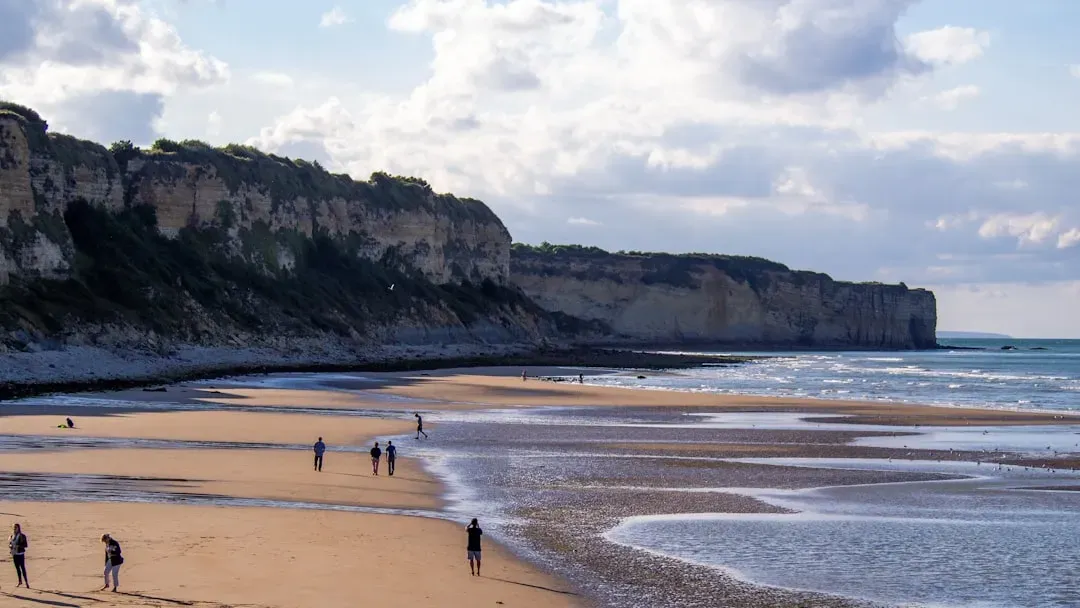
The 24-minute D-Day sequence in Saving Private Ryan cost a staggering $12 million, nearly a fifth of the film’s entire $70 million budget. That number alone is striking, but the logistics behind it are even more so. The Omaha Beach battle was filmed over three to four weeks and involved about 1,500 people, including 400 crew, 1,000 volunteer reserve and Irish army soldiers, and dozens of extras along with about 30 amputees and paraplegics fitted with prosthetic limbs to portray disfigured soldiers.
Spielberg and his team had initially planned to film on the actual beaches of Normandy, but due to those beaches being designated a protected historical landmark, the production ultimately settled on a strip of beach along Ireland’s coast called Ballinesker. Both the historic scene and the film itself were lauded by critics and veterans upon release, and to this day, Saving Private Ryan’s opening sequence is considered the most accurate depiction of war ever committed to the screen. Every penny of that $12 million shows.
The Titanic Sinking Sequence – Titanic (1997)
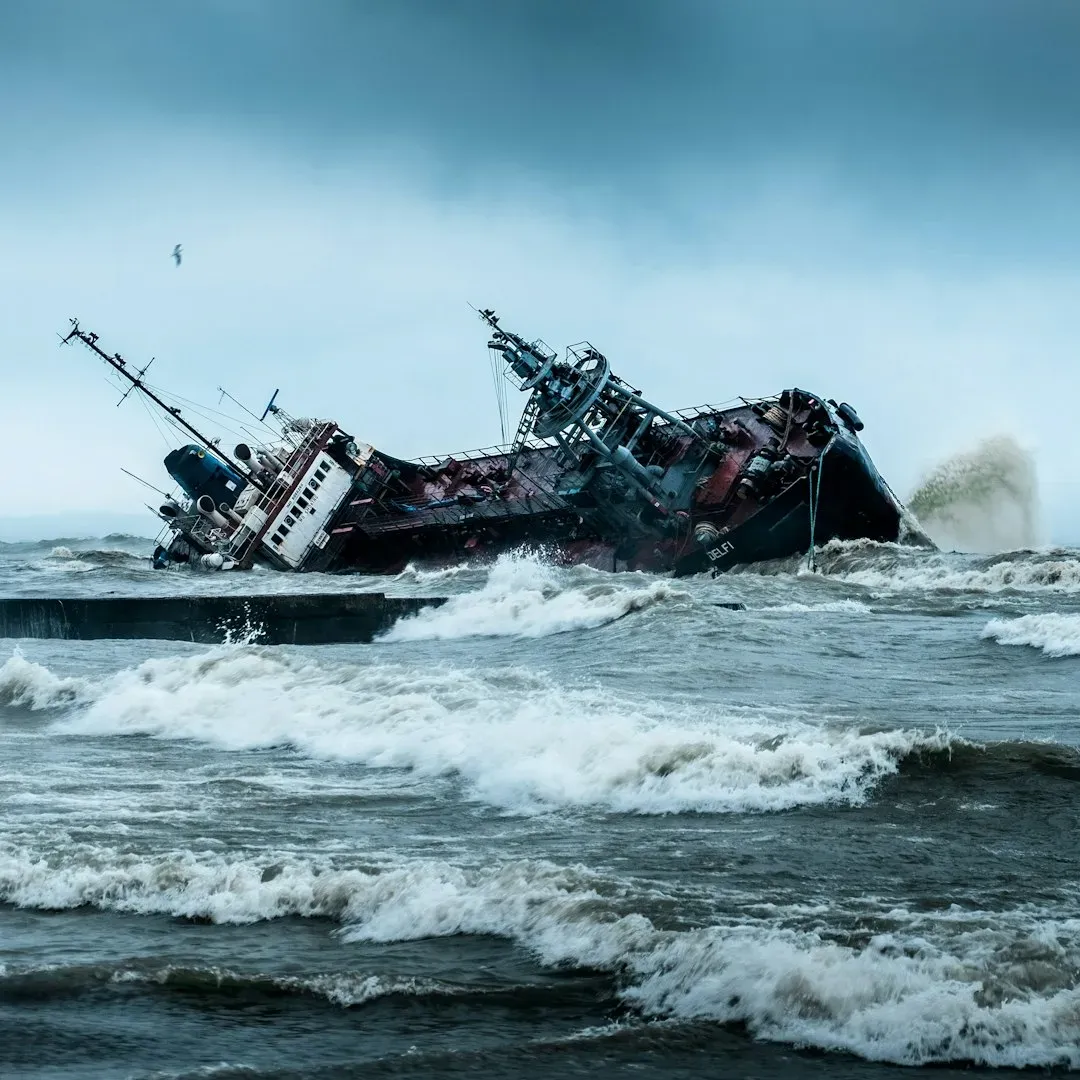
Titanic cost $200 million to make – more than the actual ship itself. In 1997, that was an eye-watering sum, but given the movie’s eventual take of $2.264 billion, it seems money well spent. The sinking sequence, which occupies roughly an hour of the film’s 195-minute runtime, was the centerpiece Cameron had always been building toward. The ship set was built to approximately 90 percent of the actual Titanic’s scale, running 775 feet in length, at an entirely new studio facility Fox constructed in Rosarito, Baja California, Mexico. The set was mounted on a hydraulic tilting platform that could simulate the progressive list of the ship during the sinking.
A scale replica of the Titanic was built for the movie, at 85 to 90 percent the size of the real ship, and it reportedly cost $40 million – notably more than the actual Titanic cost to build at roughly $7.5 million. Digital Domain handled more than 500 visual effects shots, combining practical scale miniatures, full-scale set flooding, computer-generated ocean and debris, and digital compositing to create the sinking sequences – among the most demanding digital effects work attempted to that point in film history. The gamble paid off spectacularly.
The Freeway Chase – The Matrix Reloaded (2003)
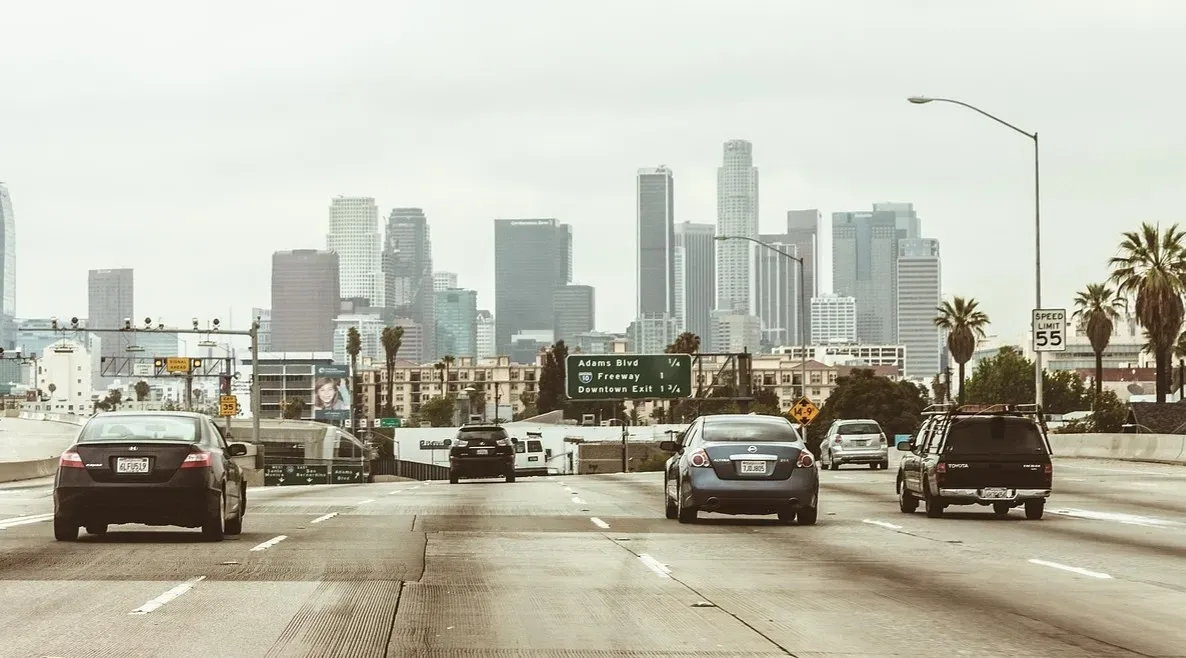
The Matrix Reloaded’s freeway sequence cost $40 million and required the construction of an actual highway system at a decommissioned naval base. This wasn’t a set dressed to look like a highway. Engineers constructed 1.5 miles of a three-lane highway, complete with overpasses, on-ramps, and realistic surface textures, starting with a $2.5 million highway construction project. The entire structure was built purely to be destroyed during filming.
The freeway chase in The Matrix Reloaded was shot on a two-kilometer highway set constructed specifically for the scene and cost roughly $40 million to complete. The Matrix Reloaded earned $741.8 million worldwide, demonstrating that audiences were willing to pay premium prices for premium destruction. The sequence remains one of the most technically ambitious action scenes ever staged, and its influence on subsequent films is still visible today.
Partner offer
The Chariot Race – Ben-Hur (1959)
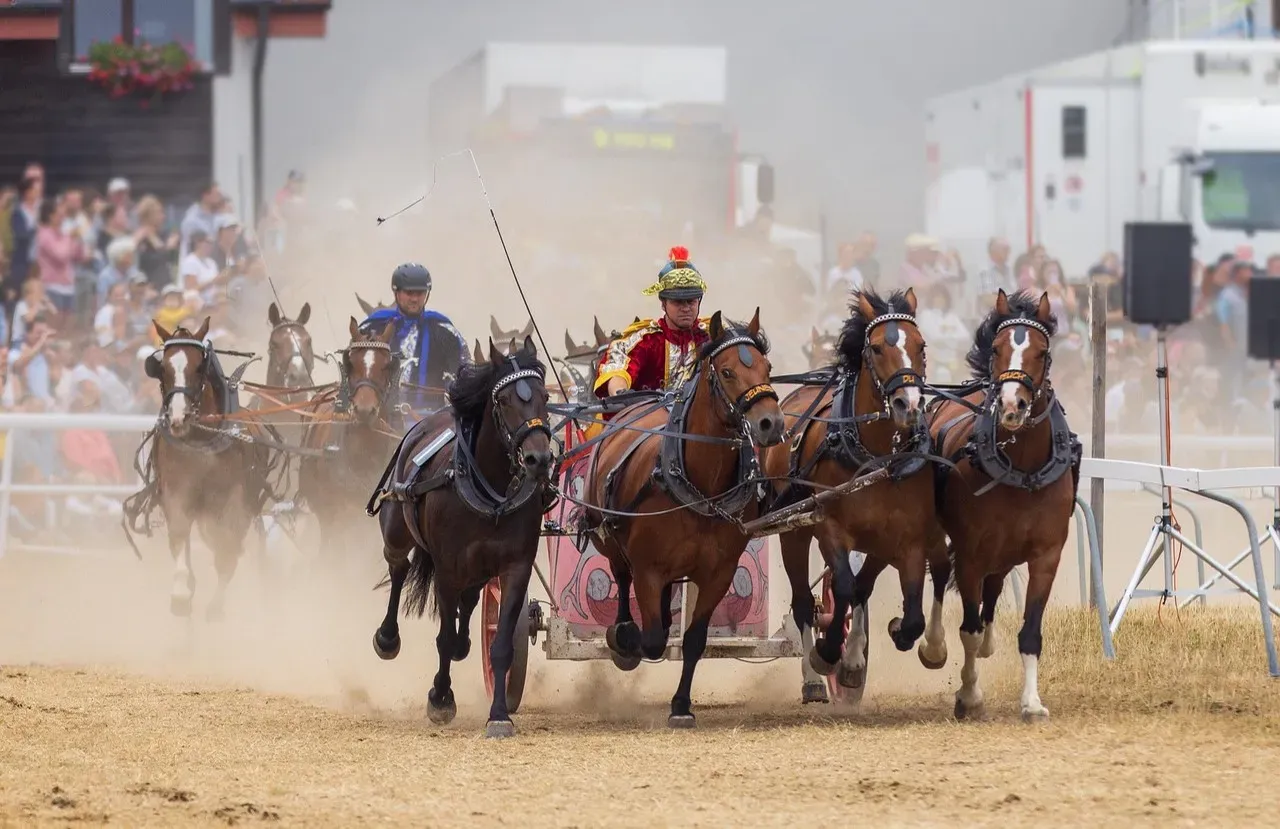
The chariot race in Ben-Hur demanded one of the largest physical set constructions of its era. Production crews built an arena spanning several acres at Cinecittà Studios in Rome, recreating a Roman circus from the ground up with stone, sand, timber, and scaffolding. Thousands of extras, dressed in full period costume, filled the spectator stands during long days of filming under the sun. The nine-minute chariot race was filmed over ten weeks and cost $4 million in 1959, which equals approximately $44 million when adjusted for inflation.
Eighteen custom-built chariots were constructed for the scene, including specialized rigs designed for the lead actors Charlton Heston and Stephen Boyd. Horse teams rotated between takes to avoid exhaustion, while stunt sequences required multiple rehearsals to avoid injury during full-speed collisions. To increase traction and control the impact of crashes, thick sand was imported from Mexico and laid across the track surface. The sheer lack of Hollywood magic and the studio’s willingness to invest $4 million in a single magisterial nine-minute chariot chase helped it earn the Best Picture Oscar in the process.
The Rome Car Chase – Spectre (2015)
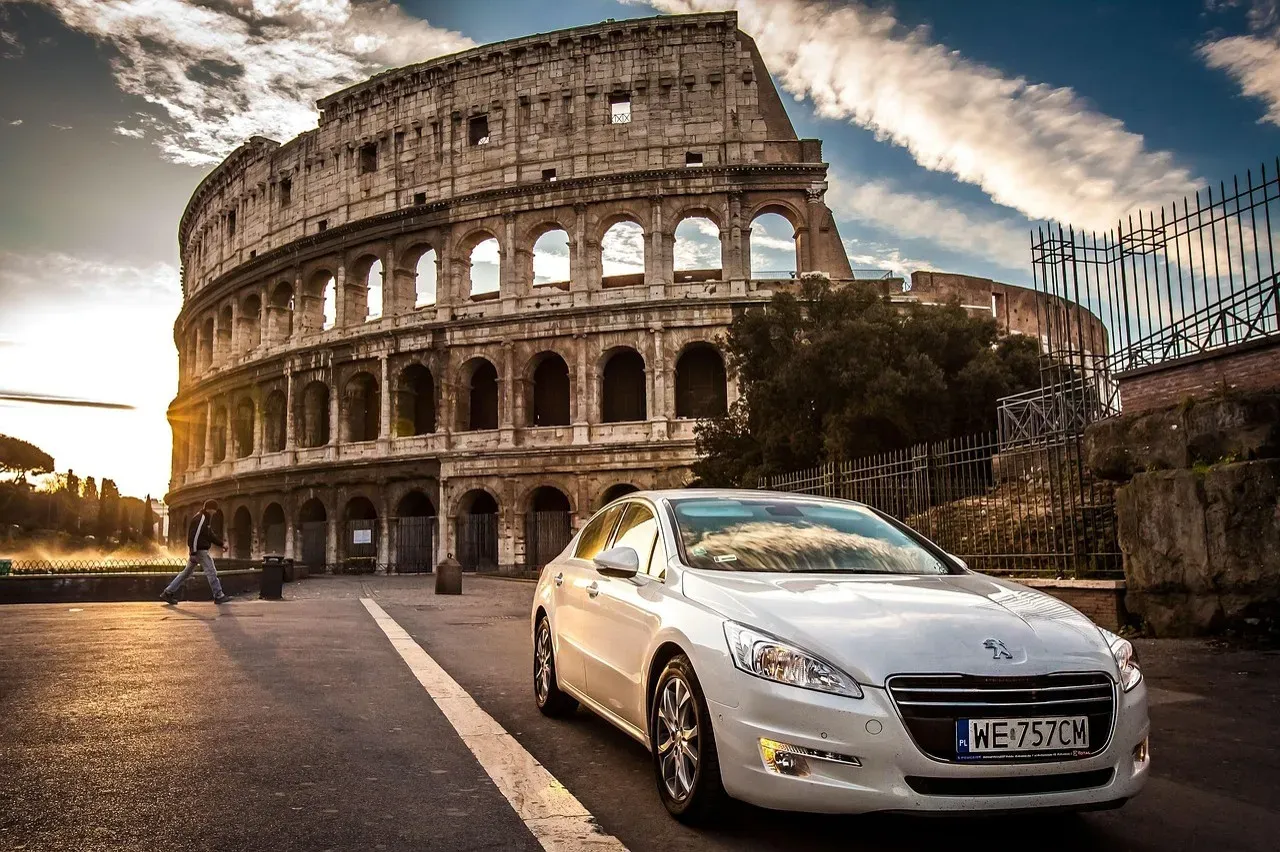
The Rome car chase in Spectre featured two custom-designed vehicles moving through historic streets without digital modification or visual trickery. The scene incurred a production cost of £24 million in 2015, which equated to approximately $32 million at the time. Spectre reportedly spent $32 million just on the cars that were destroyed during the film’s production, some of which perished in the filming of the car chase through the streets of Rome. The Aston Martin DB10, one of the most exclusive vehicles ever put on screen, was manufactured specifically for the film.
Spectre had a total production budget of $245 million and returned $880.67 million in worldwide box office receipts, making it the second highest-grossing Bond film featuring Daniel Craig. Rome at night looks glamorous until you’re the one shutting down streets, lighting landmarks, and letting expensive metal tear through corners at speed. The chase’s price tag is tied to the carnage: purpose-built hero cars, multiple duplicates for different stunts, and the fact that Bond-level crashes require precision drifting and choreography where every near-miss is carefully measured. The scene is visually superb, and by Bond standards, the box office return made it a defensible spend.
The Cruise Ship Crash – Speed 2: Cruise Control (1997)
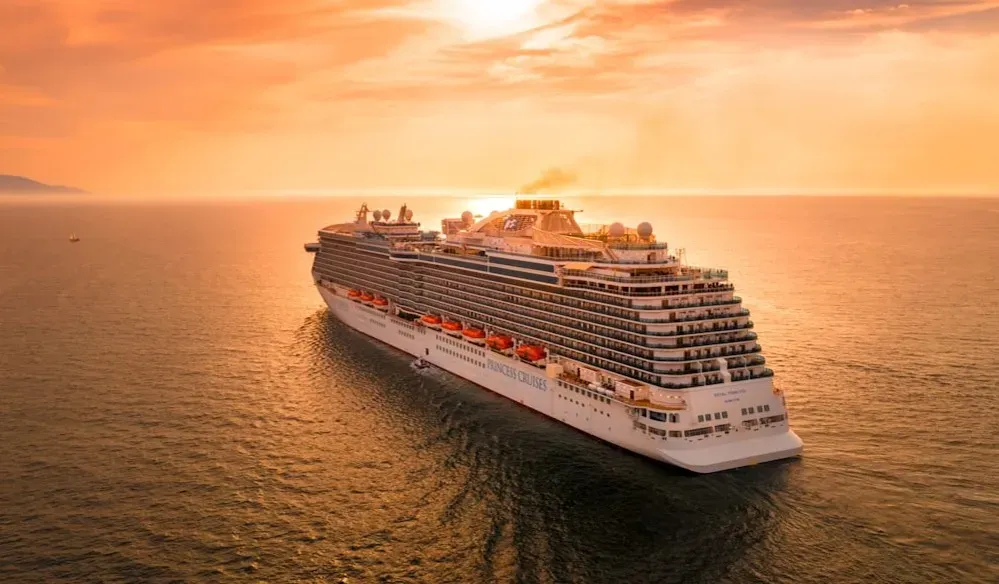
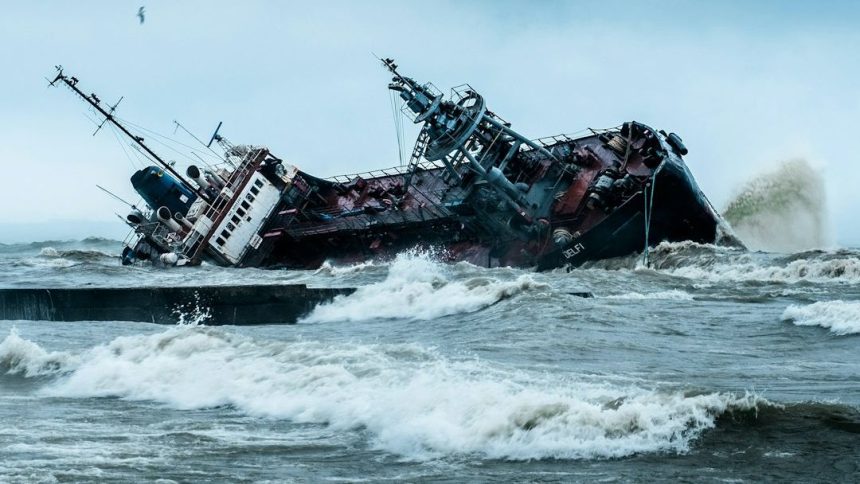
The massive scene in which the cruise ship crashes into the port of St. Martin used a replica of the 300-tonne ship, which cost a whopping $25 million to put together. Director Jan de Bont actually reenacted the ship crashing through a coastal town based on a dream he once had. That’s not a metaphor. An entire disaster set piece was conceived from a dream and executed at extraordinary cost.
Speed 2 is the disappointing follow-up to “Die Hard on a bus,” and notably lacks original star Keanu Reeves despite featuring Sandra Bullock’s character returning. The film revolves around the dramatic scene of a cruise ship crashing into a coastal town. Since the film was poorly reviewed, disliked by general audiences, and a box office failure, it is safe to say this was a waste of money spent on an over-the-top action sequence. A $25 million scene embedded in a movie nobody wanted is about as clear a cautionary tale as Hollywood has ever produced.
The Krypton Sequence – Superman Returns (2006)
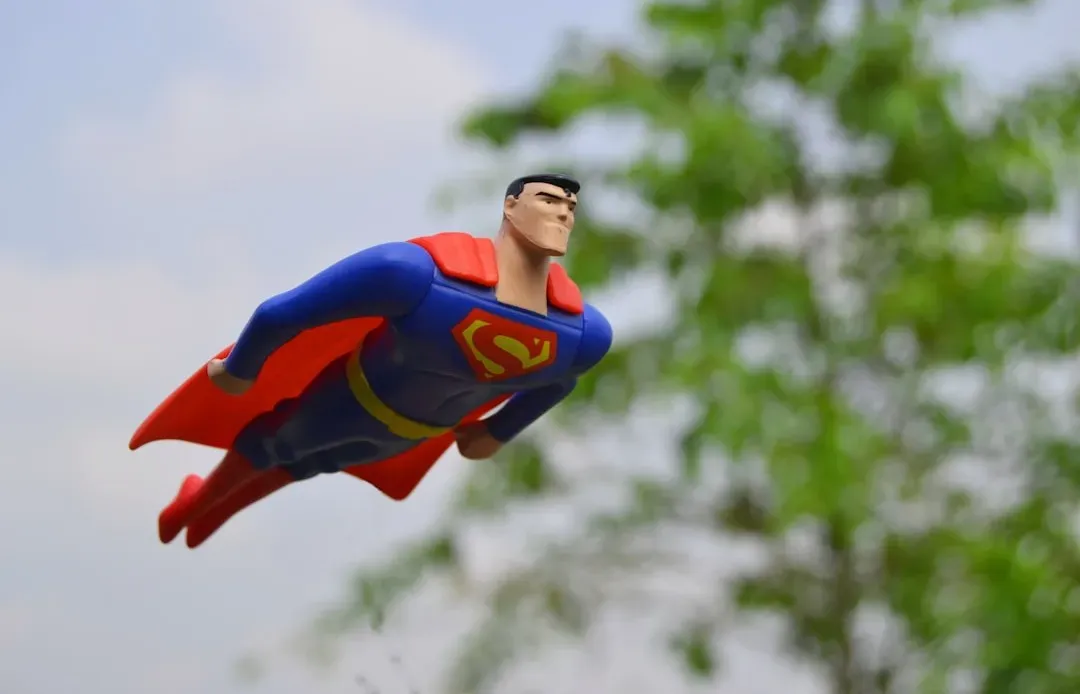
In Bryan Singer’s 2006 superhero film Superman Returns, the “Return to Krypton” scene is a pivotal moment that delves into the hero’s origins. Set against the backdrop of space, Superman’s journey back to his destroyed homeworld evokes a sense of nostalgia and longing. However, despite costing the production a staggering $10 million, the scene was taken out of the final edit and left on the cutting room floor.
Abstract, atmospheric, and visually striking, the CGI-heavy sequence channels elements of thoughtful, slow-paced science fiction. However, that tone is such a stark contrast to the rest of the film – a fun superhero movie – that Warner Bros. chose to cut it out of the final cut. Creating Superman’s homeworld cost an estimated $10 million, making it one of the most expensive scenes in history, and most likely the costliest deleted scene ever. It exists in a strange category of its own: technically brilliant, genuinely expensive, and seen by almost no one during the film’s theatrical run. A $10 million scene that didn’t make the cut is a particular kind of Hollywood tragedy.
Partner offer
Planning a trip to Vegas?
Compare hotel rates and show tickets on VEGAS.com.