Some actors get typecast by accident. Others seem to lean into it, returning to the same kind of character so often that the profession becomes part of their screen identity. It’s a curious pattern in Hollywood: certain performers build entire careers around one recurring job, whether it’s a badge, a uniform, or a title of authority. What makes this interesting is not repetition for its own sake, but how differently these actors approach the same basic role each time. A cop is never just a cop, and a president is never just a president, depending on who’s playing the part. Here are five actors whose careers have been shaped by returning, again and again, to one particular profession.
1. Denzel Washington as the cop or detective
Few actors are as closely associated with law enforcement roles as Denzel Washington. Denzel Washington is well-known for playing cops and detectives, and while he has never allowed himself to be typecast, appearing in a wide variety of genres, Washington will always be associated with playing police officers. The pattern started early and never really stopped, from a corrupt narcotics detective to a quadriplegic ex-homicide investigator.
He won an Academy Award for Best Actor for his role as a corrupt cop in the crime thriller Training Day in 2001. He revisited similar territory in films like The Bone Collector, Fallen, and Inside Man, and more recently in a franchise built entirely around a former operative turned vigilante. Denzel Washington has appeared as Robert McCall in three films of the Equalizer franchise, playing a man who left government service but never really left the job behind. Even as he’s talked about slowing down in interviews, the badge, whether official or self appointed, keeps finding its way back into his filmography.
2. Liam Neeson as the retired agent turned reluctant hero

Liam Neeson spent decades as a serious dramatic actor before an unlikely mid career shift turned him into an action fixture. Neeson’s role in 2008’s Taken transformed him into an action icon, and he’s never stopped kicking butt on screen in the 16 years since. The character type barely changes from film to film: a former operative with a specific skill set, pulled back into violence to protect someone he loves.
He was front and center for two Taken sequels and also fought like hell in action films such as Unknown (2011), The Grey (2012), Non-Stop (2014), Run All Night (2015), The Commuter (2018), The Ice Road (2021) and more. Each film swaps out the setting, a plane, a train, an icy road, a besieged city, but the man at the center stays remarkably consistent. Neeson has openly discussed stepping away from this kind of physical work as he’s gotten older, telling People that “I’m 72, it has to stop at some stage. You can’t fool audiences.” Even so, the roles kept coming through 2025, proving how deeply this particular profession, the weary former soldier or agent, became part of his screen identity.
3. Morgan Freeman as the figure of quiet authority
Morgan Freeman has spent much of his career playing men who sit at the top of a chain of command, whether that chain belongs to a government, a prison, or something more cosmic. He played the President of the United States in Deep Impact, a role that leaned on his calm, measured screen presence to reassure audiences during a global crisis. That same steady authority showed up again in films like Olympus Has Fallen and London Has Fallen, where he served as a commanding figure guiding the country through disaster.
Beyond politics, Freeman has taken the idea of ultimate authority even further, playing God himself in Bruce Almighty and its sequel Evan Almighty. It’s a striking pattern when you consider it: whether cast as a warden in The Shawshank Redemption, a president, or a divine being, Freeman is consistently the person other characters turn to for wisdom or permission. Directors and casting agents have clearly leaned into his voice and demeanor as shorthand for trustworthy leadership, a reputation that has followed him across three decades of film work.
Partner offer
4. Tom Hanks as the man responsible for getting everyone home safely
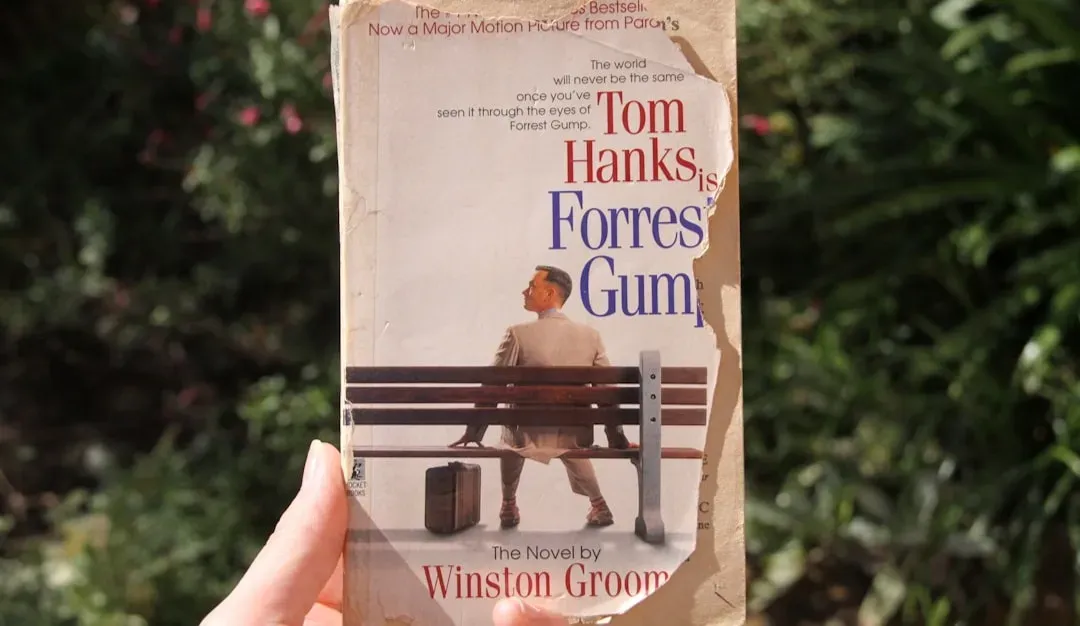
Tom Hanks has built a specific niche playing real life figures tasked with the survival of others, usually in situations based on true events. In Apollo 13, he played astronaut Jim Lovell working to bring his crew back from a crippled spacecraft. In Captain Phillips, he played a cargo ship captain held hostage by pirates, and in Sully, he played the airline pilot who safely landed a damaged plane on the Hudson River.
Each of these films frames Hanks as a calm, competent professional facing a crisis that threatens the lives of people under his responsibility. The profession changes on paper, astronaut, ship captain, airline pilot, but the underlying character type is nearly identical: a steady hand in an emergency, driven by duty rather than heroics. It’s a role Hanks has clearly returned to by choice, given how many of his most acclaimed films of the past two decades share this exact narrative shape.
5. Meryl Streep as the powerful woman in charge
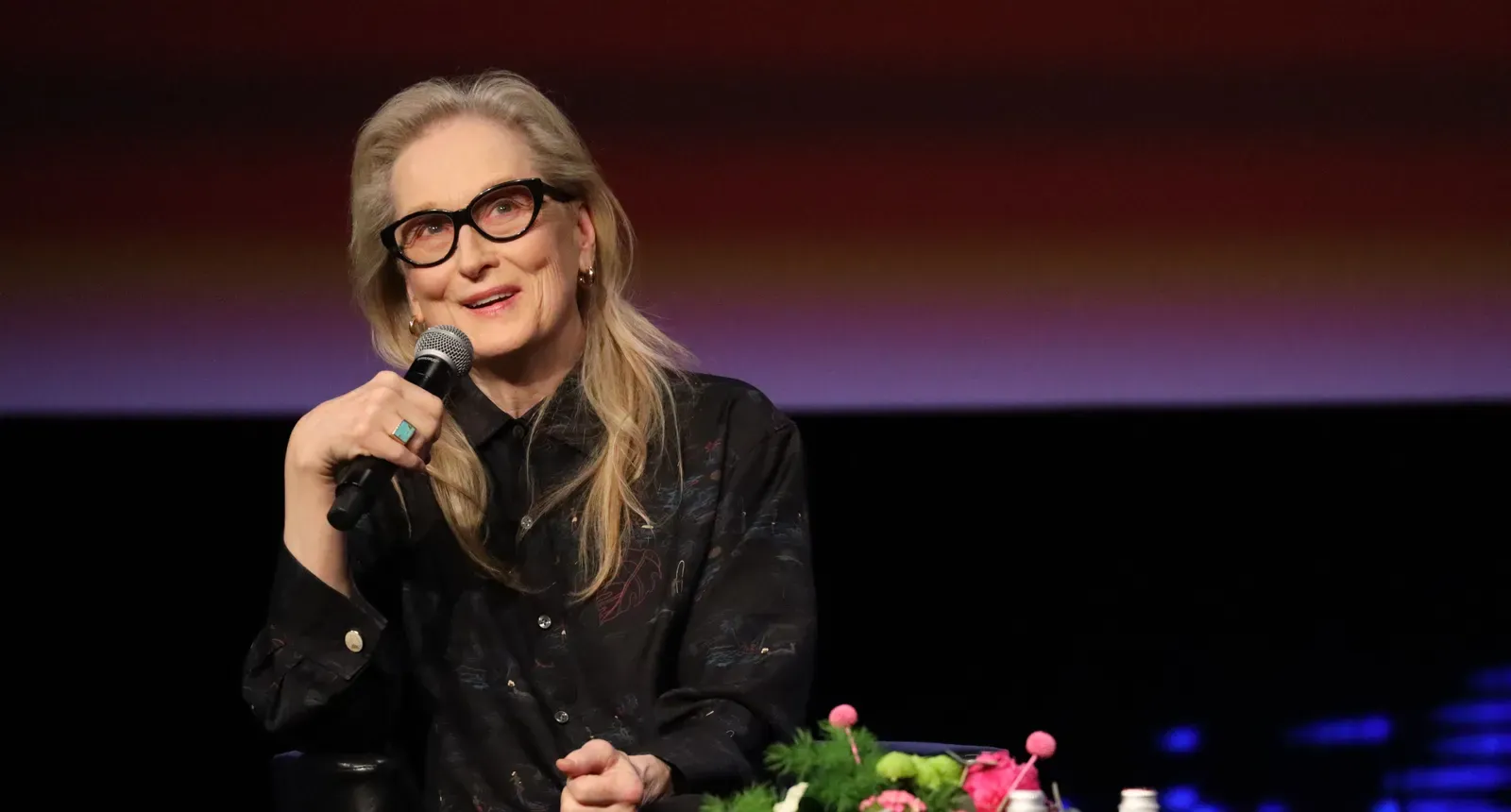
Meryl Streep has made a habit of playing women who hold real institutional power, often in professions where authority and control are central to the character. In The Devil Wears Prada, she played a demanding fashion magazine editor whose approval could make or break a career. In The Iron Lady, she stepped into the role of a sitting head of government, playing British Prime Minister Margaret Thatcher with unflinching command.
That same interest in power and profession showed up again in The Post, where she played a newspaper publisher navigating one of the most consequential decisions in American journalism history. Across these roles, Streep gravitates toward women whose jobs put them at the center of difficult decisions, rather than on the sidelines. It’s a pattern that reflects both her own choices as an actor and a broader shift in what kinds of professional roles are written for women at the top of a call sheet.
Typecasting sometimes gets treated as a limitation, something actors are trapped by rather than something they choose. Yet these five careers suggest a different reading. Returning to a familiar profession again and again can be its own kind of craft, a way of exploring small variations within a role audiences already trust the actor to deliver.
Partner offer
Planning a trip to Vegas?
Compare hotel rates and show tickets on VEGAS.com.