Directing a film is a full-time job. Starring in it is another one. Some filmmakers have decided to take on both, standing behind the camera and in front of it at the same time.
The results range from landmark classics to quiet character studies. Here are five well-known films where the person in charge also carried the leading role.
Citizen Kane (1941)
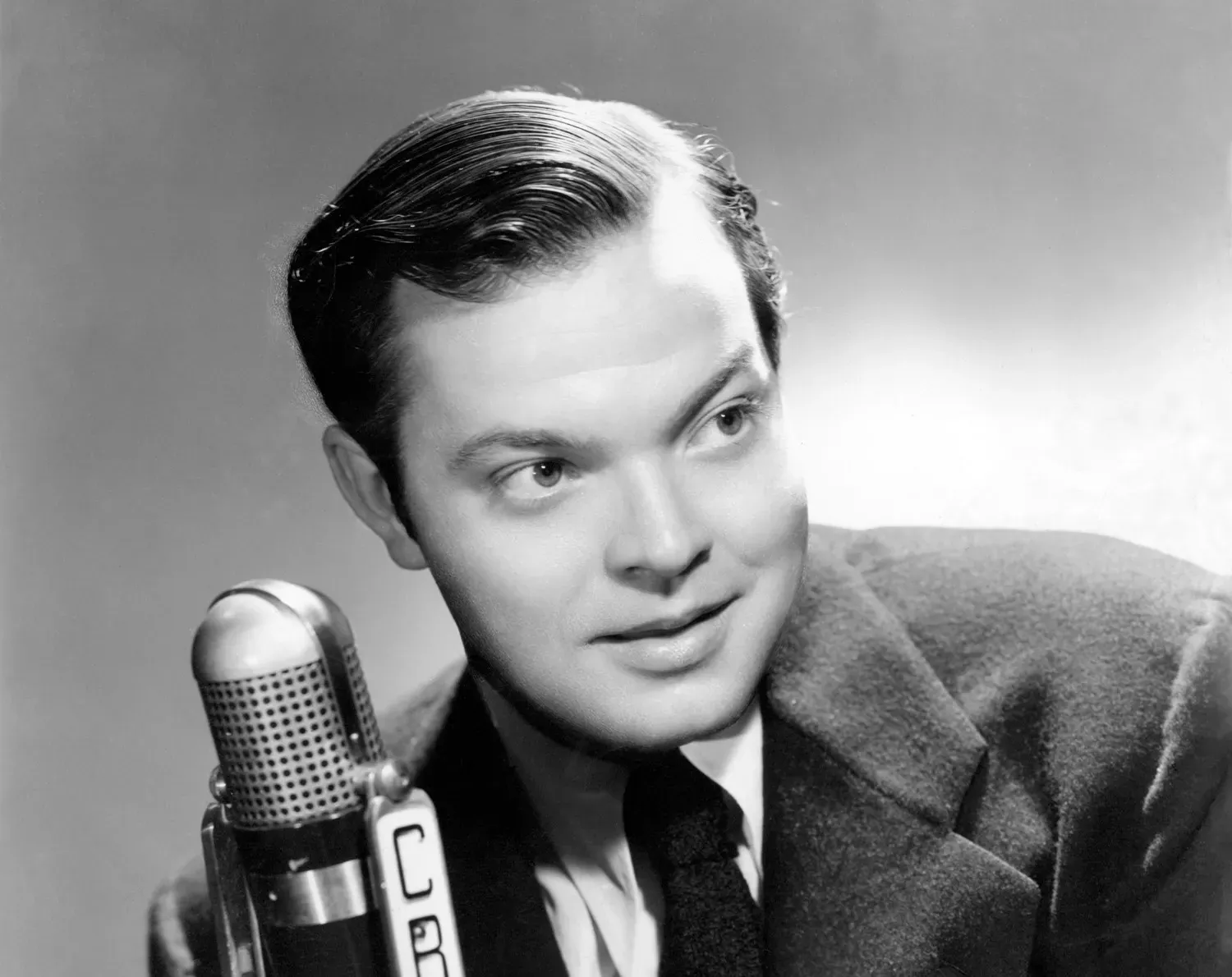
Orson Welles directed Citizen Kane when he was in his mid twenties, and he also played Charles Foster Kane, the newspaper tycoon at the center of the story. He co-wrote the screenplay with Herman J. Mankiewicz. The film was his feature debut.
It is regularly named among the greatest films ever made. Welles aged the character across several decades onscreen, using heavy makeup to do it. His double duty is one reason the film feels so tightly controlled from first frame to last.
Sunset Boulevard Is Out, Unforgiven (1992) Is In
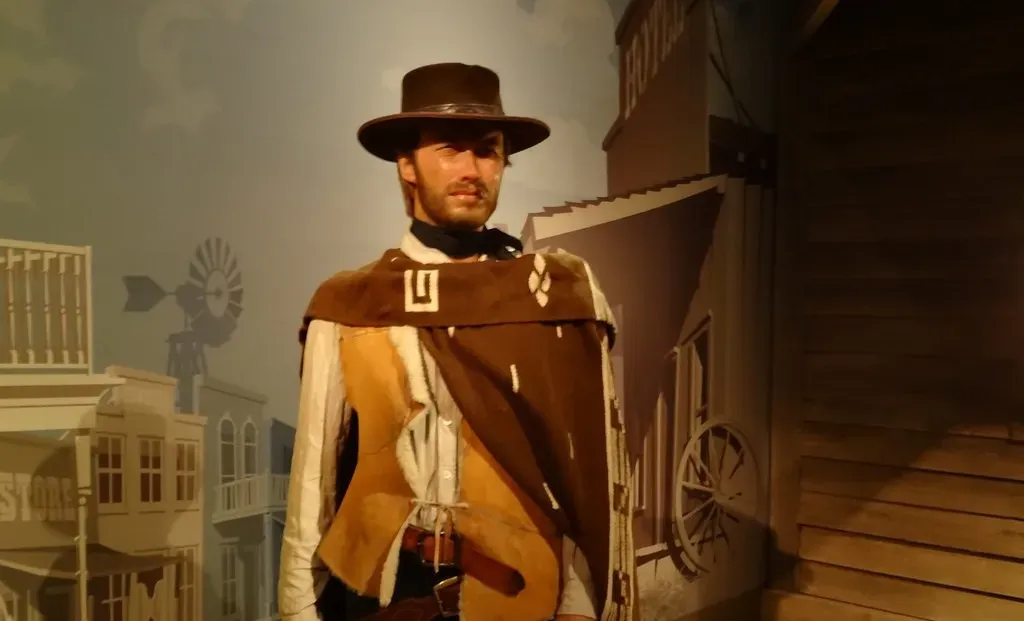
Clint Eastwood directed and starred in Unforgiven as William Munny, a retired gunfighter drawn back into violence. The film took the Academy Award for Best Picture, and Eastwood won Best Director for it. It was a late career peak for a man long associated with westerns.
What stands out is how he questions his own screen image. Munny is tired, unsteady, and haunted by his past. Eastwood used his familiar persona to examine what violence actually costs.
Braveheart (1995)
Mel Gibson directed Braveheart and played William Wallace, the Scottish warrior who led a revolt against English rule. The film won five Academy Awards, including Best Picture and Best Director for Gibson. It was only his second time directing a feature.
The battle scenes were large for the period, and Gibson stayed in the middle of them as both star and filmmaker. The film’s historical accuracy has been debated for years, yet its popularity and awards record are well documented.
Dances with Wolves (1990)
Kevin Costner made his directing debut with Dances with Wolves and played Lieutenant John Dunbar, a Union soldier who forms bonds with a Lakota community. The film won seven Academy Awards, among them Best Picture and Best Director. Costner himself did not win an acting Oscar for it, though he was nominated for Best Actor.
The film runs long, and a good portion of its dialogue is in the Lakota language with subtitles. That was a risky choice for a first time director, and it paid off with both critics and audiences.
Annie Hall Alternative: Jacques Tati’s Playtime (1967)

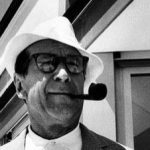
Jacques Tati directed Playtime and starred as Monsieur Hulot, the gentle, bumbling figure who drifts through a cold, modern Paris. Tati built an enormous set for the production, nicknamed Tativille, which pushed the project far over budget. The film was a commercial disappointment on release and left him in serious financial trouble.
Over time its reputation has grown considerably. Critics now often treat it as a masterpiece of visual comedy, with Tati’s performance woven quietly into the background of every elaborate frame.