Handing your novel to a film studio usually means handing over control. Scenes get cut, characters get merged, and endings sometimes change completely. A small group of authors chose a different route and sat down to adapt their own pages.
Doing it yourself isn’t always easier, since you have to cut material you love. Still, the results can be revealing, because you see what the author thinks the story really is. Here are six writers who did it.
Mario Puzo and The Godfather
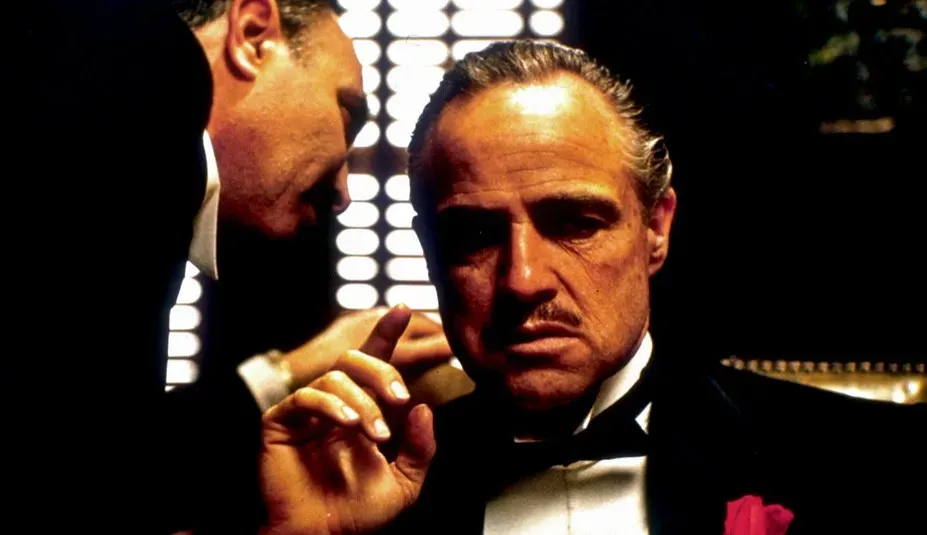
Puzo published The Godfather in 1969, and Paramount quickly turned it into a film released in 1972. He worked on the screenplay with director Francis Ford Coppola, and the two shared the writing credit. Puzo’s name on the script mattered, because the book’s sprawling plot had to shrink into a film of manageable length.
The partnership paid off at the Academy Awards. Puzo and Coppola won Best Adapted Screenplay for the film. It remains one of the best known examples of a novelist helping shape the movie that made his book even more famous.
Michael Crichton and The Great Train Robbery
Crichton was already a bestselling novelist when he published The Great Train Robbery in 1975. The book retells a real Victorian gold heist. He then wrote the screenplay himself, and he directed the 1978 film too.
Sean Connery starred as the master thief Edward Pierce. Crichton’s double role as writer and director gave him unusual control over how his own plot played on screen. He had directed films before, so this was no one-off experiment for him.
Stephen Chbosky and The Perks of Being a Wallflower
Chbosky’s epistolary novel came out in 1999 and found a devoted young readership over the years. When it reached cinemas in 2012, he had written the screenplay and directed the film as well. That is a lot of responsibility for a story built from letters.
Logan Lerman, Emma Watson and Ezra Miller led the cast. Because the author was in charge of both script and direction, the film kept the book’s quiet, confessional tone. Fans often point to that continuity as a main reason the adaptation feels faithful.
Emma Donoghue and Room
Donoghue’s novel Room appeared in 2010, told from the viewpoint of a five year old boy held captive with his mother. The story sounds almost impossible to film, since so much of it lives inside a child’s voice. She wrote the screenplay for the 2015 film directed by Lenny Abrahamson.
Her script earned an Academy Award nomination for Best Adapted Screenplay. Brie Larson won Best Actress for her role as the mother. Donoghue’s work showed that a novelist can rebuild a book’s interior world through images and performance instead of narration.
Gillian Flynn and Gone Girl
Flynn’s thriller Gone Girl was published in 2012 and became a huge bestseller. She wrote the screenplay for David Fincher’s 2014 film. Her task was tricky, because the novel depends on shifting narrators and a big midpoint twist.
Flynn reshaped the structure so the story still surprised viewers. Rosamund Pike’s performance as Amy Dunne earned an Oscar nomination for Best Actress. The film is often cited as a case where the author’s involvement helped keep the book’s dark, sharp humor intact.
Ian McEwan and On Chesil Beach

McEwan published the short novel On Chesil Beach in 2007. It follows a young couple on their wedding night in 1962. When it was filmed in 2017, he wrote the screenplay himself, with Dominic Cooke directing.
Saoirse Ronan and Billy Howle played the couple. The book is compact and tightly focused, so McEwan could adapt it without major cuts. His script stayed close to the awkward, painful tension that drives the original story.